
In recent years, Canadian municipalities have introduced bylaws aimed at limiting political and social protests, raising serious concerns about free expression. In Calgary, for example, a 2023 bylaw was passed that restricts “targeted protests” near certain facilities, such as libraries and recreation centers. Similarly, the City of Windsor imposed rules on protests in public spaces, citing the need for safety and order during events like the trucker convoy protests of 2022. While these measures are often justified as necessary for public safety, they risk suppressing legitimate dissent and silencing marginalized voices.
Ottawa is considering a bylaw aimed at restricting protests near schools, churches, and other “vulnerable institutions” in response to rising hate crimes and incidents like protests at LGBTQ+ events. This initiative, supported by Mayor Mark Sutcliffe, would establish buffer zones, limiting protests to protect marginalized communities. However, critics argue it may infringe on free speech rights. A balanced alternative could involve clear guidelines and designated protest areas to ensure safety without fully limiting the right to protest.

These bylaws undermine the democratic principle of free expression, enshrined in the Canadian Charter of Rights and Freedoms. Restricting peaceful protest under the guise of maintaining public order opens the door to governmental overreach. Moreover, marginalized groups—often the most reliant on public protests to bring attention to their causes—are disproportionately affected. When governments prioritize the convenience of public space over the expression of dissent, they erode the foundations of a healthy democracy.
In Canada, public protests are managed under existing laws, which criminalizes unlawful assembly, riots, and acts of violence during protests. Municipalities can enforce local bylaws on noise control, traffic obstruction, and permits for large gatherings. For example, cities like Ottawa already require permits for protests that involve blocking roads or using sound amplification, ensuring public safety without infringing on freedom of expression.
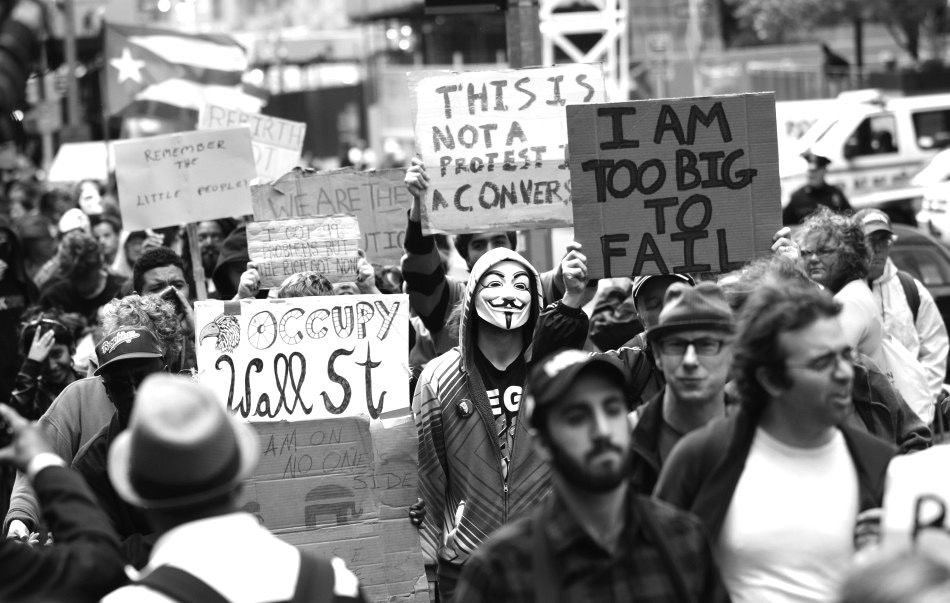
These laws are sufficient because they balance the right to protest with public safety concerns, penalizing unlawful behavior while protecting peaceful dissent. Rather than additional restrictions, enforcing these existing measures effectively addresses disruptions without eroding civil liberties.
 The Rowanwood Chronicles