
While Electric Vehicles (EVs) are currently leading in urban and passenger markets for green energy cars, hydrogen is going to be the future in heavy-duty transport and regions, like Canada, where cold weather, and long distances make battery limitations more apparent. Government policies and subsidies in Canada, in an effort to address climate change, have prioritized EV adoption, yet there are already rumblings that Canada’s aging electrical distribution grid does not have the capacity to support a growing population of EVs.
Hydrogen Fuel Cell Vehicles (FCEVs) perform well in cold climates, as their energy systems are not as affected by extreme temperatures. Unlike EV batteries, which lose efficiency and range in sub-zero conditions, FCEVs maintain consistent performance. Hydrogen vehicles can be refueled in minutes, similar to gasoline cars, making them more convenient than EVs, which can take hours to charge, especially at home.

Hydrogen refueling stations could be strategically placed along highways, eliminating the need for dense urban networks that EVs require, which use highly valued real estate. Perhaps this is an opportunity for the traditional gas station chains, especially if future vehicles use the hydrogen portable cartridges or onboard tanks currently being tested. As of today, there are very few such stations in Canada compared to the expanding EV charging network, but this might quickly change as commercially available vehicles enter the market.
It’s clear that industry believes that there is a growing market for FCEVs. Toyota, Hyundai and Honda all have commercially available hydrogen-fuelled cars, while BMW, General Motors, and Land Rover are test piloting such vehicles. Other specialist manufacturers including Nikola and Riversimple are focused on the logistics and freight sectors.
Currently, producing green hydrogen (from renewable energy) is expensive, and most hydrogen today is derived from fossil fuels, reducing its environmental benefit, yet as the market grows, the cost of green hydrogen will decrease.
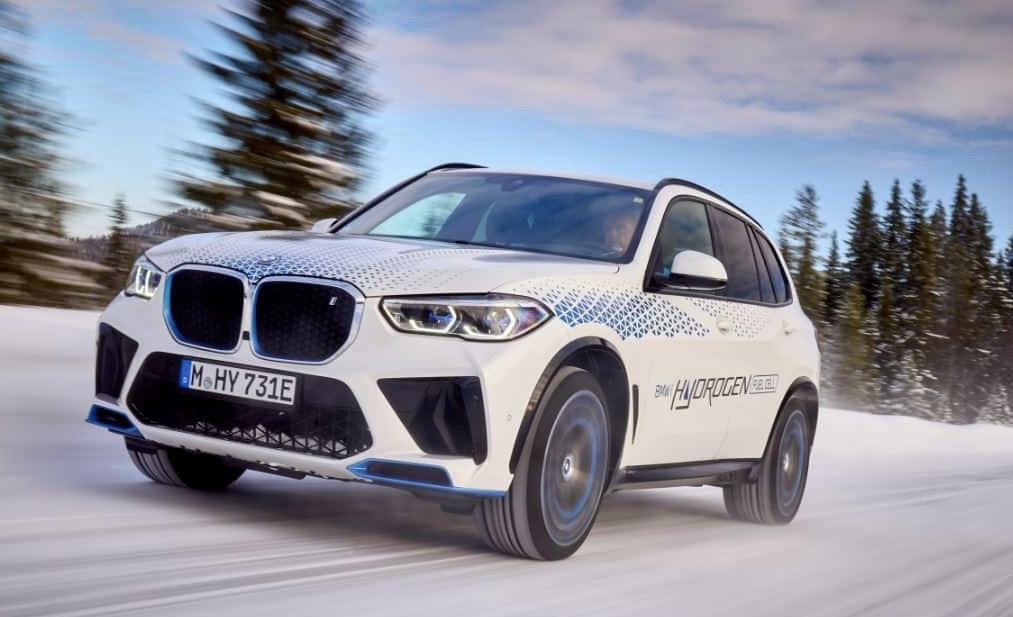
The future of FCEVs looks promising as advancements in hydrogen fuel cell technology, infrastructure, and manufacturing continue to evolve. With global commitments to reduce carbon emissions, FCEVs offer a clean and efficient solution for both personal and commercial transportation, especially for long-range and heavy-duty applications.
As governments and industries collaborate to overcome these challenges, FCEVs are poised to play a significant role in the transition to sustainable mobility.
Finally, I do wonder if anyone is looking at the issue of water, which is the only waste product of FCEVs, pouring onto our winter roads?
 The Rowanwood Chronicles