
Oman, situated on the southeastern coast of the Arabian Peninsula, is a nation with a rich history, and distinctive culture shaped by its geography, strategic location, and traditions.
I was fortunate enough to spend many months working in Oman during the ‘80s at part of a multi-disciplinary scientific project run by the Royal Geographical Society. I will probably write more about this interesting time in my life, and for now I want to talk about Oman.
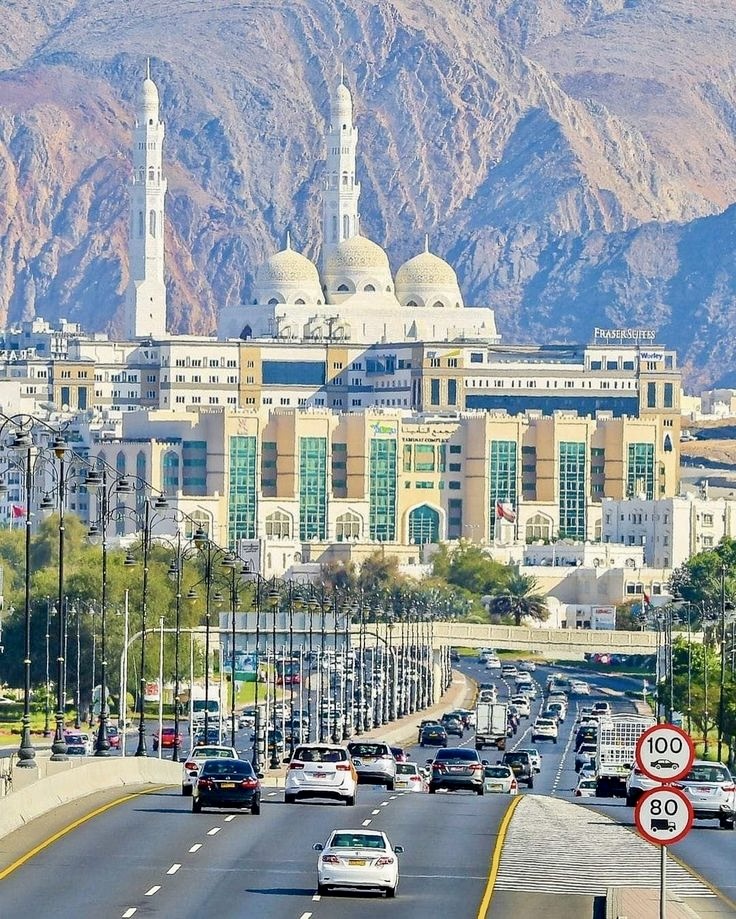
The first thing that strikes you about Oman is its profound serenity. Arriving in Muscat, the capital, you are greeted by a landscape unlike the glittering skyscrapers of its Gulf neighbors. Instead, Oman embraces you with its ochre-hued forts, low-rise whitewashed buildings, and mountains that seem to cradle the city. It’s a country that whispers its charm rather than shouts it, and as you explore, you realize Oman’s uniqueness lies in its unhurried blend of history, culture, and the gentle hospitality of its people.
Oman has been inhabited since prehistoric times, with archaeological evidence of early settlements dating back to the Stone Age. It was an important center for the production and trade of frankincense, a commodity highly prized in the ancient world. Oman’s strategic location at the mouth of the Persian Gulf established it as a significant maritime power. During the 17th and 18th centuries, the Omani Empire controlled parts of East Africa, including Zanzibar, as well as key trade routes in the Indian Ocean. Oman maintained a degree of autonomy throughout history, resisting colonization by European powers. Its ability to preserve sovereignty has contributed to its unique identity in the Arab world.
Omani architecture reflects a blend of Islamic, African, and indigenous styles. The country is home to many forts, castles, and watchtowers, such as the Bahla Fort, a UNESCO World Heritage Site. Omani food blends Arabian, African, and Indian influences, reflecting its role in ancient trade networks. Signature dishes include shuwa (slow-cooked lamb) and majboos (spiced rice with meat). Omani music and dance are deeply tied to its history and geography. Traditional genres like al-bar’ah and razha often feature drums and chanting. The art of silverwork, especially the crafting of khanjars (traditional curved daggers), is also emblematic of Omani culture.

Venturing into the interior, you find Nizwa, a city crowned by a fortress that once served as a stronghold of the Imamate. Standing atop the fort’s towers, you see the palm-fringed oases of date plantations, the lifeblood of this desert nation. Here, the centuries-old aflaj irrigation systems, recognized by UNESCO, snake through the earth, embodying the ingenuity of Oman’s ancestors. At the Friday livestock market in Nizwa, you see another side of Oman. Farmers, clad in traditional attire, auction goats and cattle with a practiced rhythm that has remained unchanged for generations. It’s a scene vibrant with life, blending practicality with the rituals of community.
Omanis are known for their hospitality and religious tolerance. While the majority practice Ibadism, an Islamic sect known for its moderation, Oman has significant Sunni and Shia populations, as well as expatriate communities from South Asia and East Africa.
The country’s landscapes mirror its cultural diversity. In Dhofar, the southern province, the monsoon season transforms the arid desert into a lush, green paradise—a phenomenon locals call khareef. This region, home to the fabled Land of Frankincense, feels like a world apart, with mist-shrouded hills and a coastline where waves crash dramatically against cliffs.
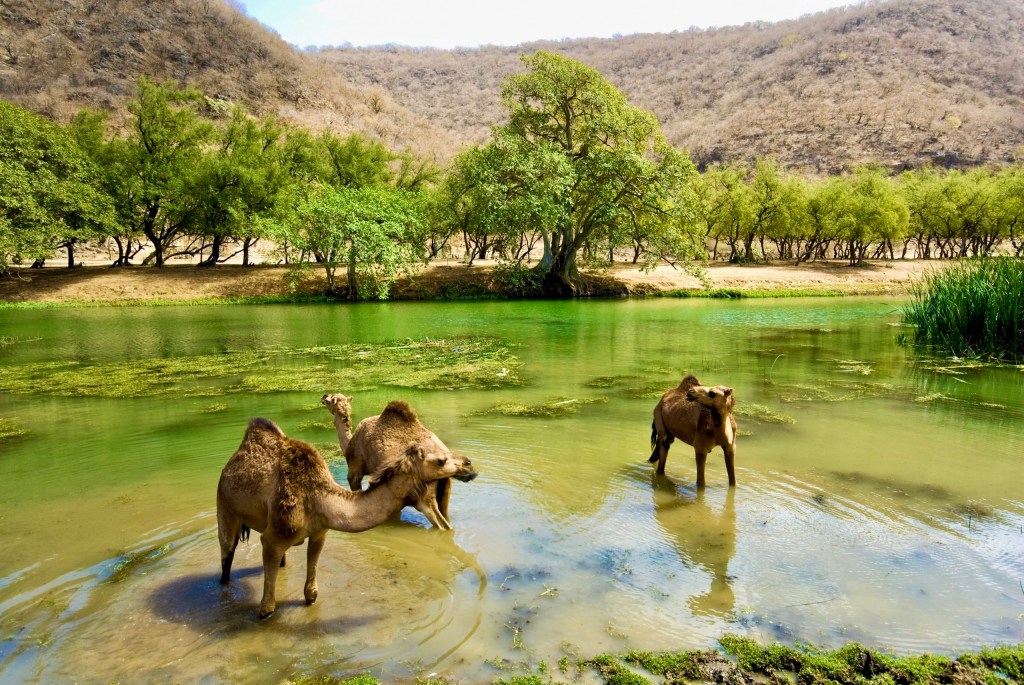
Oman is unique in the Arab world for its diplomatic neutrality, and its dedication to preserving its identity amidst modernity. Sultan Qaboos, who ruled Oman for half a century, transformed the nation with thoughtful modernization, emphasizing education and infrastructure while retaining cultural authenticity.
As I reflect on my time in Oman, I am reminded not only of its serene landscapes and warm hospitality, but also of the enduring spirit of a country that remains steadfast in its identity, offering an experience unlike any other in the Arab world. Oman is not merely a place—it is a living testament to the harmony between the past and the present.
 The Rowanwood Chronicles