
Public-Private Partnerships (P3) are often presented as an optimal solution for improving public services through private sector efficiency and innovation. However, the reality frequently falls short of this ideal. Critics argue that P3 can lead to a lack of accountability and transparency, increased costs, and social inequality. These issues are not merely theoretical; real-world examples demonstrate the substantial risks and failures associated with the P3 model.
The Public-Private Partnership between the City of Ottawa and the Ottawa Sports and Entertainment Group (OSEG) concerning the Lansdowne complex has faced criticism over financial, planning, and public engagement issues.
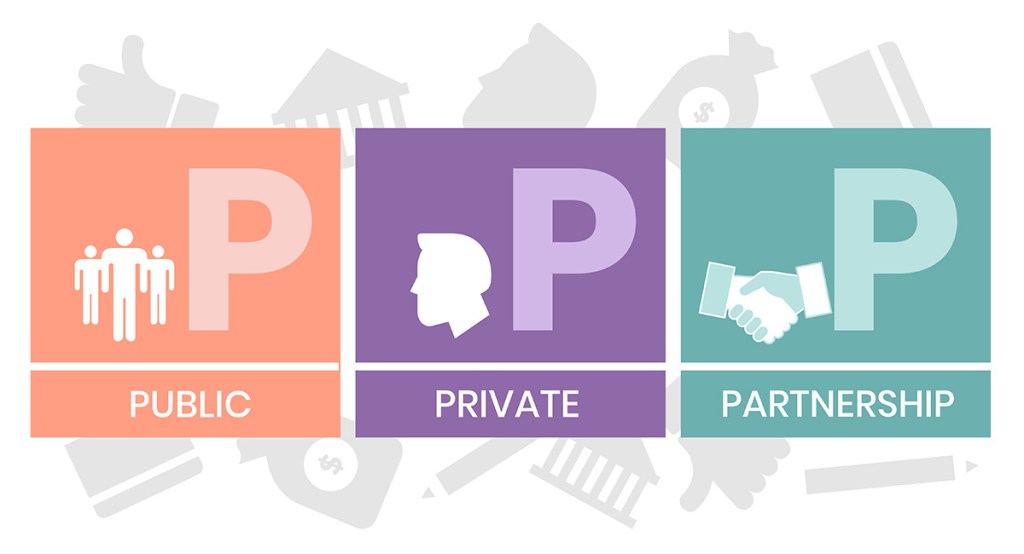
One of the most significant criticisms of P3 is the lack of accountability and transparency. Private companies, driven primarily by profit, may prioritize financial returns over public welfare. This conflict of interest can lead to cost overruns and poor service delivery. The United Kingdom’s National Audit Office (NAO) highlighted this issue in its report on the Private Finance Initiative (PFI) and PF2 projects. According to the NAO, privately financed public projects often result in higher costs and offer less value for money compared to traditional public sector financing. For instance, the NAO found that hospitals built under PFI schemes were significantly more expensive than those funded directly by the government, burdening taxpayers with long-term financial obligations.
PPPs can exacerbate social inequality by shifting the focus from universal access to profitability. In sectors like healthcare, education, and transportation, this shift can lead to the exclusion of low-income populations. A World Bank study on P3s in the health sector in low-income countries revealed that these partnerships often resulted in higher costs for patients. This increase in costs limited access to essential health services for the poorest segments of society. For example, in Lesotho, a P3 hospital project led by a private consortium resulted in costs that were three times higher than those of other public hospitals, severely straining the country’s health budget and limiting access for the poorest citizens.
Another critical issue with P3s is the potential undermining of public sector capabilities. When private companies take over roles traditionally filled by the government, there is a risk of eroding public sector skills and capacities. This dependency can make it difficult for the public sector to resume these roles in the future. The International Monetary Fund (IMF) has warned that P3s, if not carefully managed, can result in significant contingent liabilities for governments, potentially leading to fiscal instability. The case of the Jakarta Water Supply in Indonesia is a prime example. The P3 aimed to improve water services, but led to a deterioration in service quality and increased tariffs, while the private operators failed to meet investment targets. Eventually, the government had to take back control, illustrating the pitfalls of eroded public sector capabilities and the financial burden of failed partnerships.

The long-term contracts typical of P3s can limit future policy flexibility. Governments may find themselves locked into agreements that do not adapt well to changing public needs or economic conditions. This rigidity can stifle innovation and responsiveness, which are essential for effective public service delivery. The Melbourne CityLink in Australia exemplifies this problem. The toll road project involved a long-term contract that included compensation clauses if competing infrastructure reduced toll revenues. This agreement restricted the government’s ability to develop alternative transportation solutions, illustrating how PPPs can constrain public policy and innovation.
While P3s promise increased efficiency and innovation, they often fall short in practice. Higher costs, reduced access to services, diminished public sector capacity, and inflexibility in policy making are common issues. It is crucial to critically assess the implications of P3s before embracing this model for public service delivery, ensuring that public interests remain paramount.
 The Rowanwood Chronicles