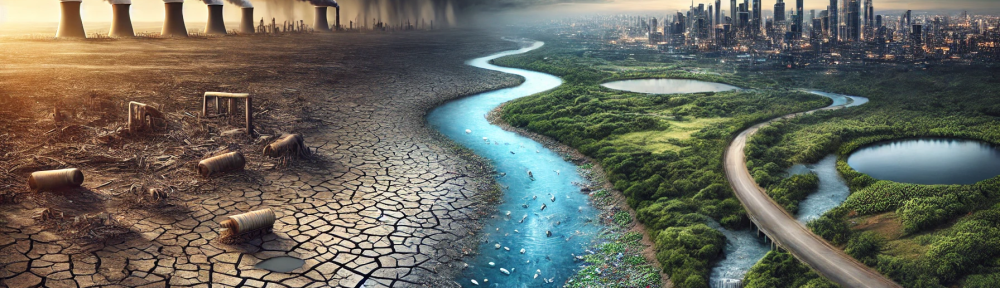
This is the first in a series of articles on freshwater—our most essential and increasingly fragile resource. Potable water is the foundation of any thriving community, yet it faces mounting threats from rising demand, population growth, mismanagement, and climate change. Water scarcity is no longer a distant concern; it is a present reality affecting billions worldwide, including regions of the United States. The urgent challenge is to adopt sustainable practices and modern infrastructure to ensure long-term water security.
The widening gap between supply and demand is at the heart of the global water crisis. Expanding urban populations and agriculture—by far the largest consumer of freshwater—are pushing resources to their limits. This strain is worsened by inefficiencies such as outdated irrigation techniques and aging, leaky infrastructure that wastes millions of gallons daily. Industrial and domestic waste further degrade freshwater sources, as pollutants like heavy metals, pesticides, hydrocarbons, and microplastics seep into rivers and lakes, transforming them from lifelines into health hazards.
Groundwater depletion is an equally pressing concern. Aquifers, the vast underground reserves that sustain millions, are being extracted at unsustainable rates, often faster than they can naturally recharge. In many regions, these reserves are the sole source of drinking water, making their preservation critical. Overpumping leads to land subsidence, ecosystem damage, and in coastal areas, saltwater intrusion, rendering once-pure water undrinkable. Without intervention, many communities risk losing their most reliable water source.
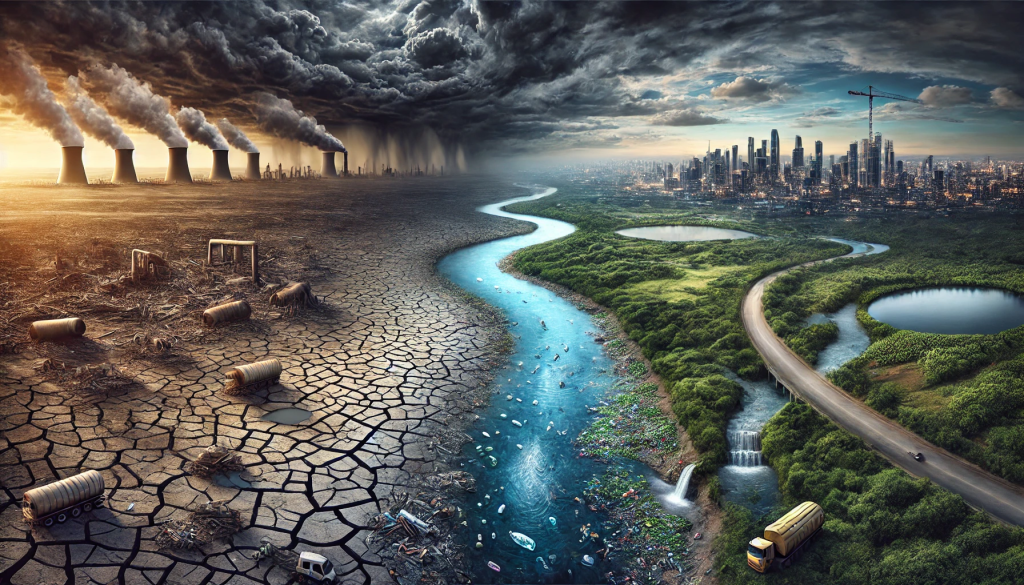
Climate change amplifies these threats. Shifting precipitation patterns disrupt the natural replenishment of freshwater supplies, while glacier retreat and prolonged droughts further reduce available water. The consequences are most severe in arid and semi-arid regions, where communities already struggle with limited access to clean water. Extreme weather events, such as hurricanes and floods, can also overwhelm infrastructure, contaminating water supplies with pollutants and pathogens.
Addressing these challenges requires a fundamental shift in water management. Advanced technologies such as drip irrigation, wastewater recycling, and desalination offer viable solutions to improve efficiency and expand supply. Equally important is public engagement—education and incentives can promote conservation at the household and community levels. Governments, industries, and local communities must work together to develop policies that prioritize equitable water distribution, pollution control, and long-term sustainability.
Freshwater is our most valuable natural resource, yet it is treated as an afterthought. Without immediate action, shortages will become more frequent and severe, threatening food production, public health, and economic stability. In the coming articles, we will explore the key dimensions of this crisis in greater depth, examining solutions that can secure a sustainable water future.
 The Rowanwood Chronicles