As a European living in Canada, I watch with great dismay, as America begins to empower the nationalist Eurosceptics, clearly in an effort to weaken the Union against Russia, along with improving its own economic well-being.
Vice President JD Vance’s decision to meet with Alice Weidel, the leader of Germany’s far-right Alternative für Deutschland (AfD), while snubbing Chancellor Olaf Scholz, is more than just a diplomatic misstep—it is a calculated provocation that undermines European stability. This is not simply an American conservative engaging in ideological dialogue; it is an intervention into European politics that emboldens those who seek to dismantle the post-war democratic consensus.
For decades, the United States has been a pillar of transatlantic stability, supporting European nations in their pursuit of economic integration, security cooperation, and democratic resilience. The very idea that an American leader—especially a sitting vice president—would break Germany’s long-standing political firewall against extremist forces is astonishing. This is not just a question of optics. It is a matter of realpolitik, of who gains and who loses from Washington’s new approach to European affairs.
The AfD, despite its attempts at rebranding, remains a party deeply rooted in xenophobia, anti-democratic sentiment, and historical revisionism. Germany’s mainstream parties maintain a strict policy of non-engagement with them for precisely this reason. By meeting with Weidel, Vance has done what no German chancellor, foreign minister, or major party leader would consider; granting the AfD legitimacy at the highest levels of international diplomacy.
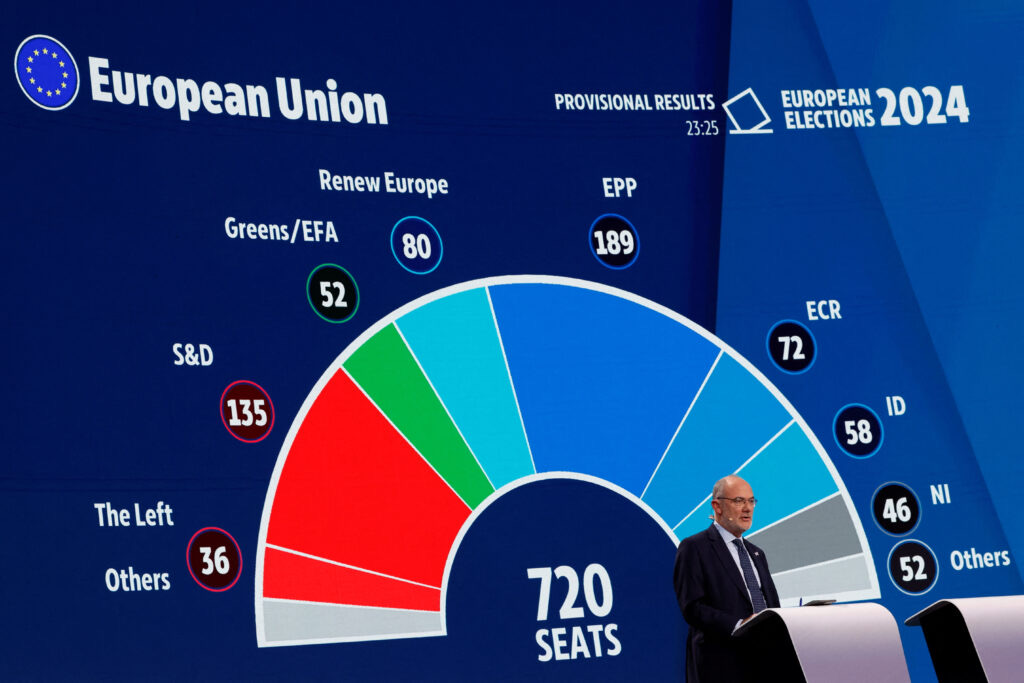
And what message does this send? To Europe’s other far-right movements—from Marine Le Pen’s Rassemblement National in France to Giorgia Meloni’s Brothers of Italy—it signals that the United States, under its current administration, is willing to empower their nationalist, Eurosceptic agendas. It tells them that the old Atlanticist consensus, which valued stable, pro-democratic leadership in Europe, is fading. It suggests that the firewall against extremism is now seen in Washington not as a necessary protection against history repeating itself, but as an outdated restriction on political realignment.
Vance’s remarks at the Munich Security Conference—deriding European leaders for failing to address immigration and for being “afraid of their own voters”—are not just criticisms; they are endorsements of the very populist forces that threaten European cohesion. His rejection of a meeting with Scholz, reportedly on the basis that “he won’t be chancellor for long,” is more than an insult; it is a declaration that Washington now sees little value in engaging with Europe’s centrist leadership.
For Germany, a country that has spent decades carefully managing its historical responsibility, and cultivating a democratic, inclusive society, this is a direct challenge. Chancellor Scholz’s government, whatever one may think of its effectiveness, has upheld a firm stance against political extremism. By treating Scholz with indifference while meeting with
Weidel, Vance has offered implicit backing to those who seek to erode the stability of German democracy from within.
There is a broader pattern at play here. The Trump-Vance administration is not simply skeptical of European integration—it is actively engaging with those who want to dismantle it. From Steve Bannon’s earlier attempts to unite Europe’s nationalist movements to Trump’s previous disdain for NATO and the European Union, this shift has been years in the making. But now, with a vice president openly embracing figures like Weidel, the implications are clear; the United States is no longer merely tolerating European populists; it is empowering them.
This will have consequences. European unity, already strained by economic challenges, war in Ukraine, and the resurgence of nationalist politics, will face further division if the U.S. continues to lend legitimacy to parties like the AfD. If Washington sees Europe not as a partner, but as a battlefield for ideological influence, then EU democratic institutions will suffer.
Germany and the rest of Europe must not be passive in the face of this shift. While they cannot control who American leaders choose to meet, they can reaffirm their own commitment to keeping extremist forces at bay. The AfD and its allies must not be allowed to claim that they now have a direct line to Washington without consequence.
This is a moment for European leaders to reassert the importance of their own transatlantic priorities. If the United States seeks to shift its alliances toward Europe’s nationalist right, then Europe must double down on strengthening its democratic institutions, reinforcing NATO’s role, and making it clear that their political landscape will not be dictated by the winds of populism from across the Atlantic.
Vance’s actions may have emboldened Europe’s far right, but they have also clarified the stakes. The question is whether Europe’s democrats are ready to respond?
 The Rowanwood Chronicles