Back in December 2024, I wrote about the need for Ontario Cider to be labeled with its sugar content, and now with removal of interprovincial trade barriers there is a more urgent requirement for this change to be implemented nationwide.
As Canada steadily dismantles its long-standing patchwork of interprovincial trade barriers, from wine to eggs to trucking regulations, we must also address the smaller, subtler obstacles to open commerce and informed consumer choice. One such barrier, hidden in plain sight, is the inconsistent requirement for sugar labelling in Canadian craft cider.
Currently, cider producers are not required to list residual sugar content on their bottles or cans: not in Ontario, not in Quebec, not in B.C., or anywhere else in Canada. This lack of transparency undermines both public health goals and consumer trust. It also creates an uneven playing field for craft producers committed to lower-sugar products who must compete in a marketplace where consumers are left guessing.
Sugar Content: A Consumer Right
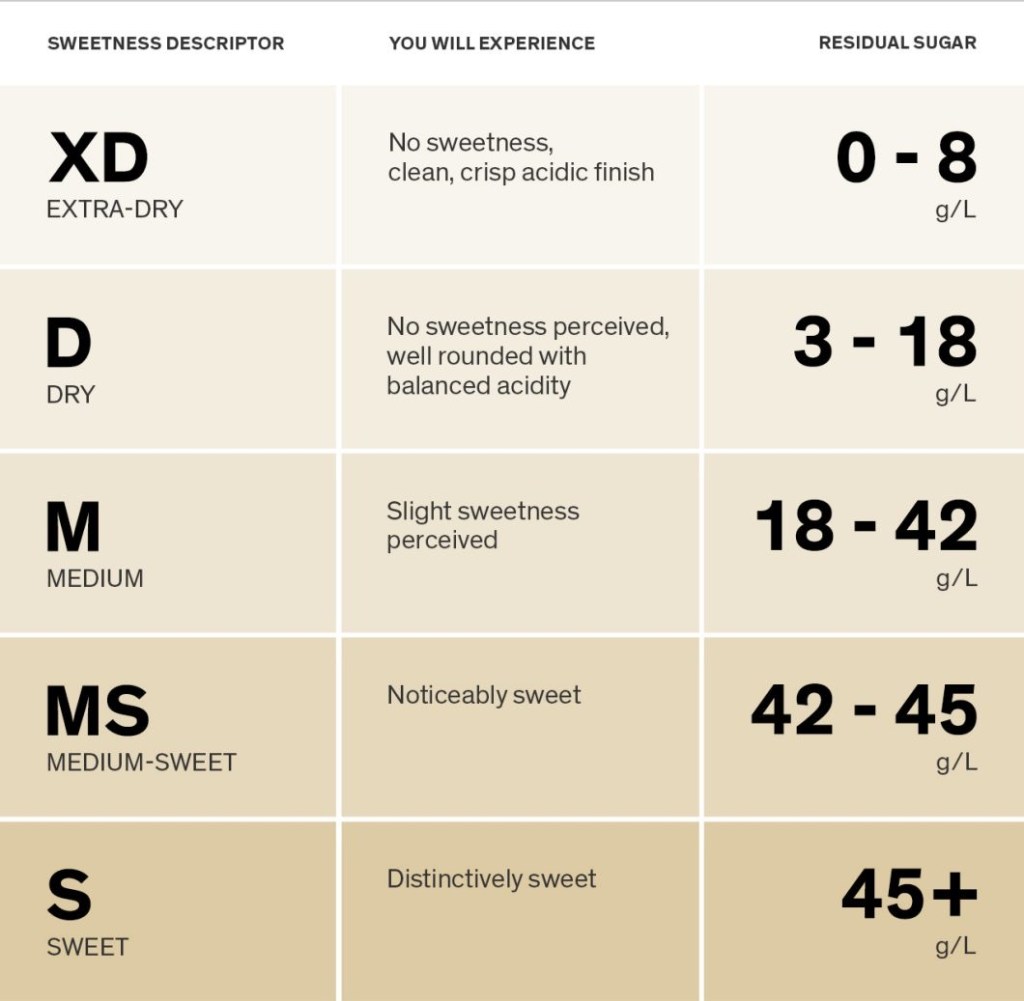
Residual sugar in cider can vary wildly, from dry, brut-style ciders with under 5 g/L to sweet dessert ciders with over 60 g/L. Yet without disclosure, consumers are flying blind. For diabetics, keto adherents, or simply those who want to monitor their sugar intake, this is more than a minor inconvenience, it’s a barrier to safe and informed consumption.
By contrast, wine labels often include sweetness descriptors like “dry” or “off-dry,” and many producers voluntarily publish grams per litre. Even big-brand soda discloses exact sugar content, so why are fermented apple products exempt?
A Barrier to Fair Trade
The newly energized national push to eliminate interprovincial trade barriers, backed by premiers and the federal government alike, is about more than just moving goods freely. It’s about creating a common regulatory language so producers in Nova Scotia can sell into Alberta without retooling their labels or marketing. If one province (say, Ontario) were to mandate sugar content on cider labels and others did not, that becomes a de facto barrier.
If Health Canada or the Canadian Food Inspection Agency mandated a national requirement for sugar content in grams per litre on all cider products, we’d level the playing field and remove an ambiguity that hinders cross-provincial commerce. More importantly, we’d be empowering Canadian consumers to make more informed decisions in a market that’s become increasingly diverse, from bone-dry craft ciders to syrupy-sweet fruit blends.
The Health Argument Is National Too
According to Statistics Canada, the average Canadian consumes about 89 grams of sugar per day, well above the World Health Organization’s recommended maximum of 50 grams. Alcoholic beverages, especially “alcopops” and flavoured ciders, are a hidden contributor. The federal government has already moved to require nutrition labels on prepackaged foods and some alcohol categories; cider should be next.
A Simple, Feasible Fix
Requiring sugar content on cider labels is not technically difficult. The metric, grams per litre, is already measured during fermentation and used internally by cideries to define style and taste profile. A national labelling requirement would cost little to implement and make a meaningful difference to consumers.
One Label, One Standard
As Canada moves toward true internal free trade, let’s make sure consumer transparency travels alongside it. Listing sugar content on cider labels isn’t just good policy for public health, it’s a smart, simple step toward harmonizing our food and drink economy. When it comes to cider, it’s time Canadians knew exactly what they’re drinking, no matter where it’s made.
On a personal note, my interest goes beyond the health issue, it’s that I much prefer ciders with less than 5 g/L and that currently just because a can or bottle says “Dry” doesn’t mean the cider is actually dry.
 The Rowanwood Chronicles