
Maple leaves on packaging, “Product of Canada” claims, and patriotic hues of red and white, these symbols of national pride are meant to instill trust and confidence in Canadian consumers. Yet behind some of these labels lies a troubling trend: the misrepresentation of imported food as domestically produced. Known colloquially as “maplewashing,” this practice is drawing increased scrutiny as Canadians seek greater transparency, and authenticity in their grocery choices.
At its core, maplewashing is a form of food fraud. Products sourced from the United States or other countries are being marketed with suggestive imagery or ambiguous labeling that implies Canadian origin. In some cases, food items imported in bulk are processed or repackaged in Canada, allowing companies to legally label them as “Made in Canada” or “Product of Canada” under current regulatory loopholes. This manipulation undermines consumer confidence and disadvantages local producers who adhere strictly to Canadian sourcing standards.
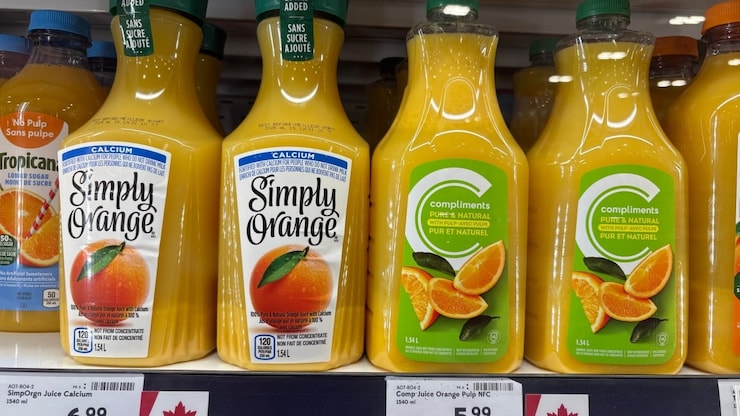
The Canadian Food Inspection Agency (CFIA) defines food fraud as any deliberate misrepresentation of food products, including their origin, ingredients, or processing methods. While the CFIA has made progress in addressing such issues, the agency still faces challenges in policing the retail landscape. Consumers have reported examples of apples from Washington state sold under Canadian branding, and frozen vegetables with packaging that evokes Canadian farms but are sourced entirely from overseas. These practices erode the integrity of the food system and compromise informed consumer choice.
In response to growing concern, some major retailers have attempted corrective measures. Loblaw Companies Ltd., for instance, has piloted initiatives to label tariff-affected American products with a “T” to signal their origin. Other grocers have begun offering clearer signage or dedicated sections for verified Canadian goods. Despite these efforts, enforcement remains patchy, and misleading labels continue to circulate freely on supermarket shelves.
Digital tools have emerged as allies in the fight against maplewashing. Smartphone apps now allow consumers to scan barcodes and trace the country of origin of a product, giving them the ability to verify claims independently. These apps, combined with mounting consumer pressure, are gradually raising the bar for accountability in food labeling.
Still, the systemic nature of the problem requires more than consumer vigilance. Regulatory reform is essential. Advocacy groups have called on the federal government to tighten definitions for what qualifies as “Product of Canada.” Under current guidelines, a product can be labeled as such if 98% of its total direct costs of production are incurred in Canada. Critics argue that this threshold allows too much flexibility for products with foreign origins to slip through.
Maplewashing is not merely a matter of misplaced labels. It is a breach of trust between food producers, retailers, and the Canadian public. As more shoppers demand transparency and local accountability, there is an opportunity to rebuild confidence through clearer standards, stronger enforcement, and a renewed commitment to honest labeling. Food should tell the truth about where it comes from, and no amount of patriotic packaging should be allowed to obscure that.
Sources:
• Canadian Food Inspection Agency – Food Fraud
• New York Post – Canadian shoppers frustrated at confusing US food labels
• Business Insider – Canadian stores labeling American imports to warn consumers
• Barron’s – Canadian boycott of American goods
 The Rowanwood Chronicles