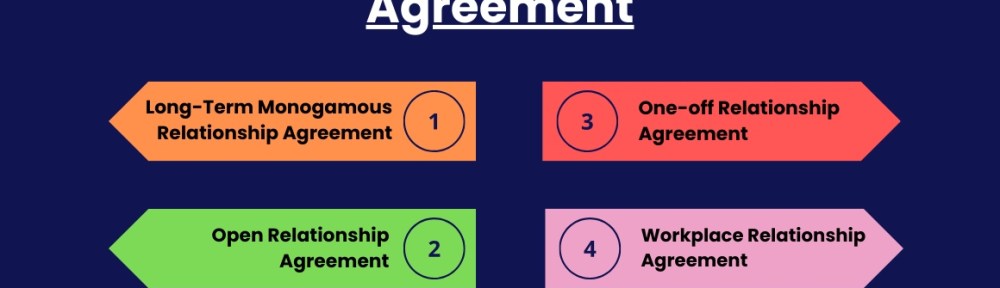
In a world where relationships are evolving faster than the institutions meant to contain them, more people are questioning the traditional model of marriage. Rather than rejecting commitment, they are seeking to redefine it on their own terms. One increasingly popular alternative is the full relationship contract: a comprehensive, negotiated agreement that replaces the assumptions of marriage with intentional choices, clear expectations, and built-in flexibility.
The appeal of a relationship contract lies in its transparency. Unlike marriage, which bundles legal, emotional, financial, and social expectations into one culturally loaded package, a contract allows two or more people to shape their connection deliberately. It invites discussion of what the relationship is for, whether romantic partnership, cohabitation, co-parenting, a D/s dynamic, companionship, or some combination, and what each party wants to give and receive. Far from being clinical, this process can be intimate, even profound. At its heart, it is about building trust through clarity, not obligation.

A full relationship contract typically covers a broad set of topics: emotional and sexual boundaries, communication norms, shared responsibilities, conflict resolution, and the length and terms of the agreement itself. Some people choose a fixed term, six months, a year, or five, at which point the contract is reviewed, renewed, or completed. Others prefer an open-ended agreement with periodic check-ins to assess satisfaction and adjust terms. The idea is not to place love on a timer, but to honour that people grow and change, and that relationships must adapt to survive.
One area where these contracts prove especially valuable is in addressing the question of children. In traditional marriage, parenthood is often assumed as a natural progression, but in non-traditional partnerships, the subject can be more complex. A well-structured agreement considers whether children are desired, what values will guide parenting, and how responsibilities will be shared. Even when the intention is not to have children, many choose to include contingency clauses outlining what will happen if a pregnancy occurs: who makes decisions, how support is offered, and what kind of relationship, if any, continues afterward. While not legally binding in all respects, these clauses create a framework for compassion and responsibility in high-stakes situations.
Flexibility is one of the most empowering features of this approach. Relationship contracts do not imply permanence; rather, they support conscious ongoing consent. When a contract reaches its end or no longer serves those involved, the parties are free to walk away, not with bitterness or blame, but with mutual recognition that the connection has run its course. Some include rituals for closing a relationship respectfully, such as a final shared dinner, a letter exchange, or even a mediated conversation to express gratitude and say goodbye with care. This emphasis on closure helps prevent the chaos and pain often associated with sudden or unresolved breakups.
Critics sometimes argue that this kind of negotiated relating is too calculated, that it takes the magic out of love. But real intimacy isn’t built on spontaneity alone. In fact, many of the most painful relationship experiences come from unspoken assumptions and unmet expectations. A relationship contract does not prevent emotion; it simply creates a container sturdy enough to hold it. Rather than making love conditional, it makes it conscious. It encourages people to enter into relationships with eyes open, hearts engaged, and agreements in place to protect the dignity and well-being of everyone involved.
This model resonates strongly in communities where traditional structures have failed to offer security or legitimacy. Polyamorous and queer relationships, for example, often do not fit within the legal and cultural framework of marriage. Neurodivergent individuals may benefit from clearly defined expectations. People who engage in alternative dynamics, such as D/s, often require negotiated boundaries around autonomy and authority. Even monogamous couples are beginning to see the value in choosing their commitments actively rather than inheriting them from outdated scripts.
As the nature of family and partnership continues to shift, full relationship contracts offer a compelling alternative. They are not meant to replace marriage for everyone, nor do they guarantee harmony. But they represent a move toward relational maturity, a way of saying that commitment need not be blind, and that love does not require self-abandonment to endure. In place of vague promises, they offer grounded conversation. In place of rigid roles, they offer flexibility and co-creation. And in place of state-enforced permanence, they offer mutual freedom, responsibility, and the chance to begin again, better.
 The Rowanwood Chronicles