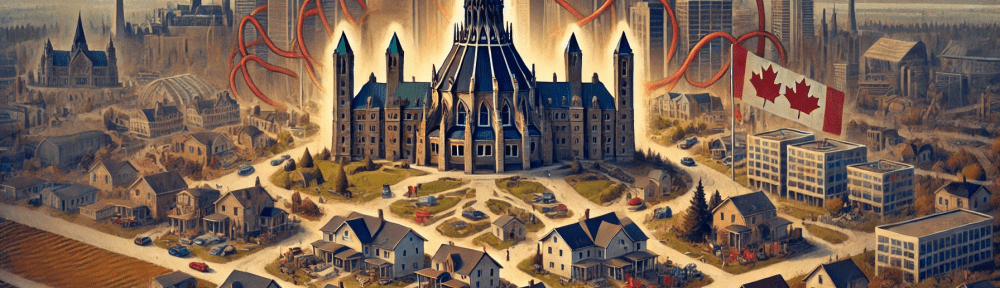
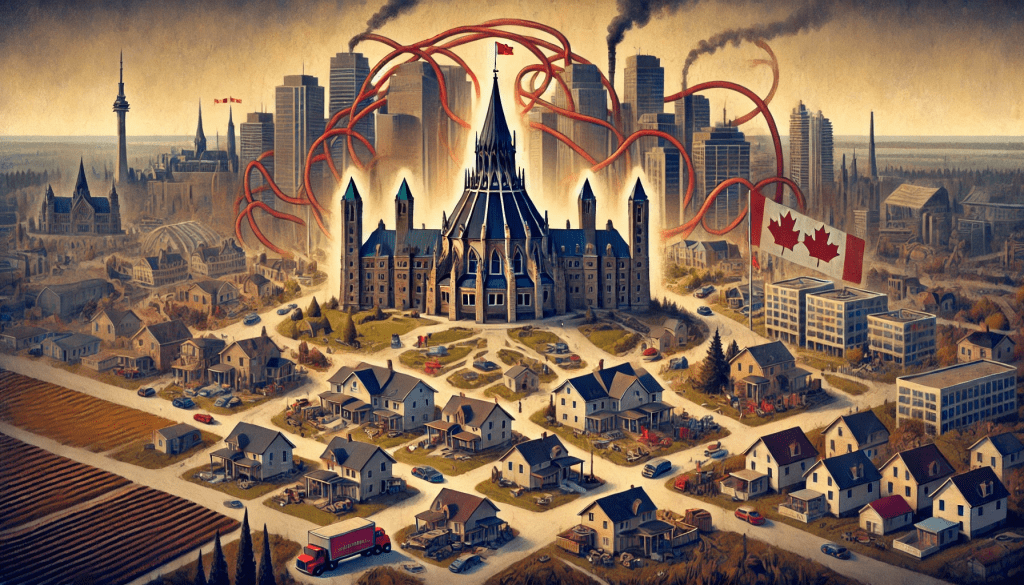
The amalgamation of the 13 municipalities into the single-tier City of Ottawa in 2001 was touted as a transformative move. It was expected to streamline governance, reduce redundancy, and create financial efficiencies. Promises of improved municipal services and lower taxes were at the forefront of the pitch made by the Harris government in Ontario. However, in practice, the amalgamation has faced widespread criticism for its failure to fulfill these expectations. I worked as a member of a geospatial applications team to support evidence-based decision making during this transition, and it soon became clear that politics rather than data and community requirements was driving the bus.
Improved Services
One of the primary promises of amalgamation was to standardize and enhance municipal services across all former municipalities. However, this promise has not been fully realized, particularly for rural and suburban areas, which have often felt left behind. Several key issues have been noted:
Prior to amalgamation, smaller municipalities had tailored services suited to their unique needs. Post-amalgamation, rural areas, such as West Carleton and Rideau-Goulbourn, have voiced concerns over reductions in services like road maintenance, snow clearing, and public transit availability. Urban-centric planning has often overshadowed rural priorities. Rather than simplifying governance, the larger bureaucratic structure of the amalgamated city has at times hindered efficient decision-making. Residents have reported delays in service delivery and inefficiencies in resolving local issues.
One of the most visible struggles has been with Ottawa’s public transit system, particularly with the Ottawa Light Rail Transit (LRT) project. This has been plagued by cost overruns, operational challenges, and inadequate service in suburban and rural areas. Residents question whether the amalgamated city’s centralization has exacerbated these issues.
Lower Taxes
Another major promise was the reduction of property taxes due to economies of scale and centralized administration. However, this has not materialized, and in many cases, taxes have increased. Many residents of rural and suburban areas have seen tax hikes without proportional improvements in services. Before amalgamation, smaller municipalities often operated with lower budgets and tax rates tailored to their limited scope. Amalgamation brought uniform tax rates, which disproportionately impacted these regions.
Amalgamation created unforeseen administrative and operational costs. For example, the integration of different IT systems, payroll structures, and service contracts has led to ballooning expenses. These costs have been passed on to residents through higher taxes. The perception that rural residents are subsidizing urban infrastructure projects, such as the LRT, has deepened dissatisfaction. Rural areas often feel they are paying higher taxes for services that primarily benefit the urban core.
Loss of Local Control
Another often-overlooked consequence of amalgamation has been the loss of local decision-making. Smaller municipalities had more control over their budgets, development priorities, and service delivery. Post-amalgamation, these decisions are centralized, often resulting in policies that do not reflect the needs of individual communities. This has alienated many residents and fostered distrust in the amalgamated city’s leadership.
Evaluation and Criticism
Critics argue that amalgamation prioritized financial theories over the realities of local governance. While some benefits of centralization, such as unified planning and a larger economic development strategy, have been achieved, the overall failure to deliver on improved services and lower taxes has undermined public confidence. Amalgamation’s implementation lacked sufficient consultation with residents and did not adequately address the diverse needs of Ottawa’s urban, suburban, and rural communities.
The amalgamation of Ottawa’s 13 municipalities was envisioned as a way to create efficiencies and deliver better services at lower costs. However, the reality has been far more complex, with significant gaps between promises and outcomes. The perceived failure to deliver on these promises has left many residents, particularly in rural and suburban areas, feeling underserved and overtaxed. This has sparked ongoing debates about whether the amalgamation truly benefited the diverse communities it was meant to unite or whether it simply centralized problems under a single, unwieldy structure.
 The Rowanwood Chronicles