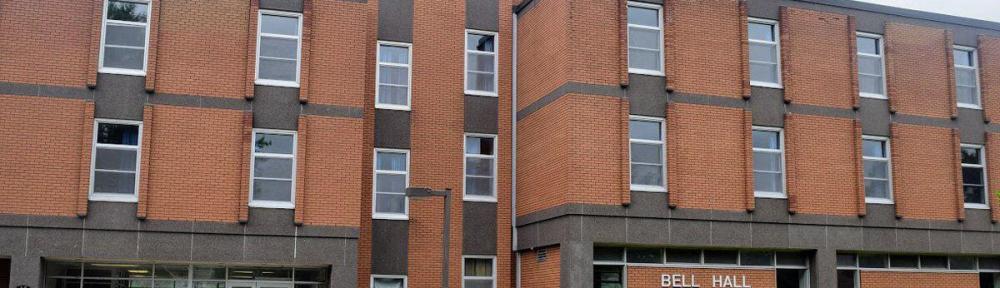
In communities across Canada, the housing crisis has become more than a policy debate, it’s a daily struggle. While costs rise and waitlists grow, the Municipality of North Grenville, just south of Ottawa, is offering a bold response. Its $25 million proposal to convert Bell Hall, a vacant dormitory on the Kemptville Campus, into more than 60 affordable rental units is both practical and symbolic, a microcosm of what’s possible when local governments lead.
The campus itself is a 630-acre hub of community, education, and sustainability activities. Once part of the University of Guelph’s agricultural network, it’s now owned by the municipality and governed by a 2021 master plan that prioritizes adaptive reuse, environmental responsibility, and deep community engagement. Bell Hall fits that vision precisely; a municipally owned, appropriately zoned, fully serviced building, already standing and waiting to be converted.
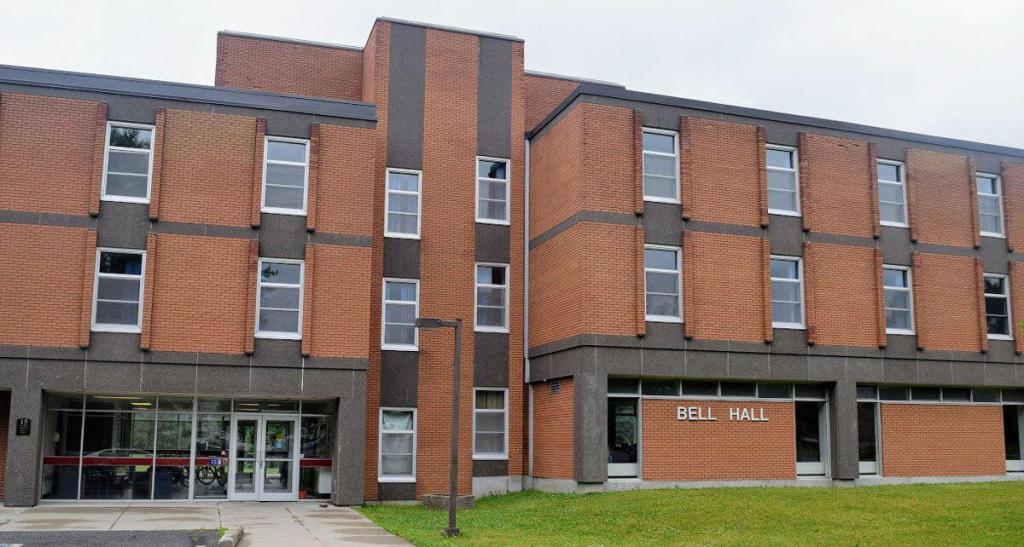
This is not a speculative plan. Developed over months with input from senior staff and not-for-profit partners, the Bell Hall project targets the real needs of North Grenville’s most vulnerable; seniors, veterans, and working families being priced out of their hometown. It offers not just housing, but stability, dignity, and a sense of belonging.
And yet, despite being shovel-ready, the proposal remains stalled in a growing backlog at the Canada Mortgage and Housing Corporation (CMHC). It’s a familiar story for municipalities across the country, many of whom are reporting delays due to limited federal processing capacity, particularly in underwriting. As federal priorities shift with the political winds, viable projects are left in limbo.
Mayor Nancy Peckford recently sounded the alarm in the Ottawa Citizen, arguing that the issue is not preferential treatment, but systemic inefficiency. Her call for transparency and faster turnaround is resonating with other small communities also ready to build. In an age where housing need is immediate, the logic is simple: when a plan meets all the criteria, and the groundwork is laid, it should move forward.
Some critics are suggesting that municipalities are just now “stepping up” on housing, but local governments have long managed zoning and development approvals. What’s new is the scale and pace of their engagement, assembling land, forming partnerships, applying for federal tools, and leading where senior governments lag.
North Grenville’s approach is part of a broader shift in small-town Canada, where pressures once confined to major cities are now spreading. The housing crisis isn’t urban anymore, it’s national. In this context, Bell Hall becomes more than a local project. It’s a test of the federal-municipal partnership that modern housing policy demands.
There’s also economic logic behind the urgency. A 2023 Deloitte report estimated that expanding community housing could add $70 billion to Canada’s GDP over five years. In places like Kemptville, where growth is manageable and materials can be sourced locally, the multiplier effects are significant with jobs, procurement, community stabilization, and reduced strain on health and social services.
And this is just one community. Rural municipalities across Eastern Ontario are facing similar challenges – aging populations, limited rental stock, and infrastructure that hasn’t kept pace. A regional alliance, or even a coordinated appeal, could elevate the urgency of rural housing and draw more attention to what’s at stake.
North Grenville is ready. Bell Hall is ready. The question is whether the federal system is ready to respond with the speed and seriousness the moment demands. If the next government wants to prove its commitment to housing, here is the perfect place to start.
 The Rowanwood Chronicles