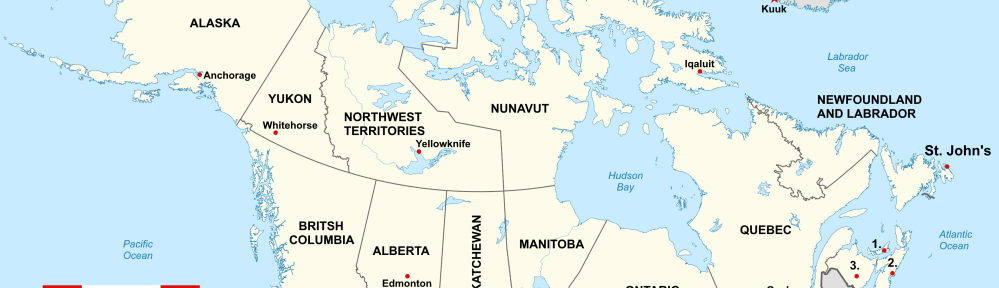
Today, I stumbled across an old Canadian high school history textbook from 2050 in a used bookstore. Chapter 14 tells the story of the Canada-US War of 2026–2028, what we now call The War for the North. I thought I’d share how, twenty years ago, young Canadians were being taught about the war I fought in to keep our country strong and free. – William McIntosh, July 2070
🇨🇦 Chapter 14: The War for the North (2026–2028) and the Rise of a New Canadian Identity
“We were underestimated. But we had history on our side, the land beneath our feet, and the will of a people who knew the difference between conquest and home.”
— Élise Fontaine, Prime Minister of Canada, Address at the Treaty of Yellowknife, March 4, 2028.
🔍 Introduction
By the mid-2020s, the global order was under pressure from resource scarcity, climate change, cyber warfare, and political polarization. Few imagined that the world’s longest undefended border would become the front line of the first major conflict between two G7 democracies. The U.S. invasion of Canada in 2026 marked the most profound crisis since Confederation.
⚠️ 14.1 Preludes to Invasion: Political Tensions and Resource Nationalism
In 2024, the U.S. re-elected a nationalist populist government amid unrest and ecological collapse. Canada’s resources and Arctic stability became targets.
- 💧 Resource envy: Canada held 20% of global freshwater, lithium reserves, and Arctic access.
- 🔥 Domestic distraction: The U.S. struggled with protests and secessionist movements.
- 📣 Militarized rhetoric: “Reunifying the continent” became a nationalist slogan.
The trigger event was a false-flag explosion near Sault Ste. Marie in June 2026, used to justify Operation Northern Unity.
💣 14.2 Invasion and Occupation: The First Six Months
July 4, 2026: U.S. airstrikes hit Canadian bases at Trenton, Bagotville, and Cold Lake. By day’s end:
- 🛣️ Crossings in Ontario, Manitoba, and BC were seized.
- 🏭 SW Ontario: Hamilton, London, Windsor, Kitchener – was occupied.
- 🏙️ Toronto was surrounded but held out with civilian resistance.
🛡️ 14.3 Canada Fights Back: Asymmetric Warfare and National Unity
Civilian Resistance
- 🔧 Grassroots militias and defence networks formed rapidly.
- 🪶 Indigenous groups, including the Gwich’in and Cree, used terrain mastery to disrupt U.S. troops.
- 🏙️ Cities resisted with sabotage, information warfare, and protests.
Military Strategy
- 🏔️ Canadian command regrouped in northern bunkers near Sudbury, Labrador, and the Yukon.
- 💻 Cyber teams at CSIS and DND disrupted U.S. logistics.
- 🌍 International volunteers arrived from Europe, Australia, and even the U.S.
🌐 14.4 Global Realignment and Rising Costs
As the war dragged on, geopolitics shifted:
- 🇨🇳 China and 🇷🇺 Russia armed Canadian resistance.
- 🇮🇳 India signed new defence and trade pacts with Canada.
- 🇪🇺 The EU imposed sanctions on the U.S.
By 2027, the U.S. was facing:
- ☠️ 40,000+ military casualties
- 💥 Domestic unrest and economic collapse
- 🛑 Cyberattacks targeting U.S. energy and finance sectors
🕊️ 14.5 The Treaty of Yellowknife (March 4, 2028)
With global pressure rising, peace talks began. Canada’s demands included:
- Total U.S. withdrawal
- Restoration of all borders
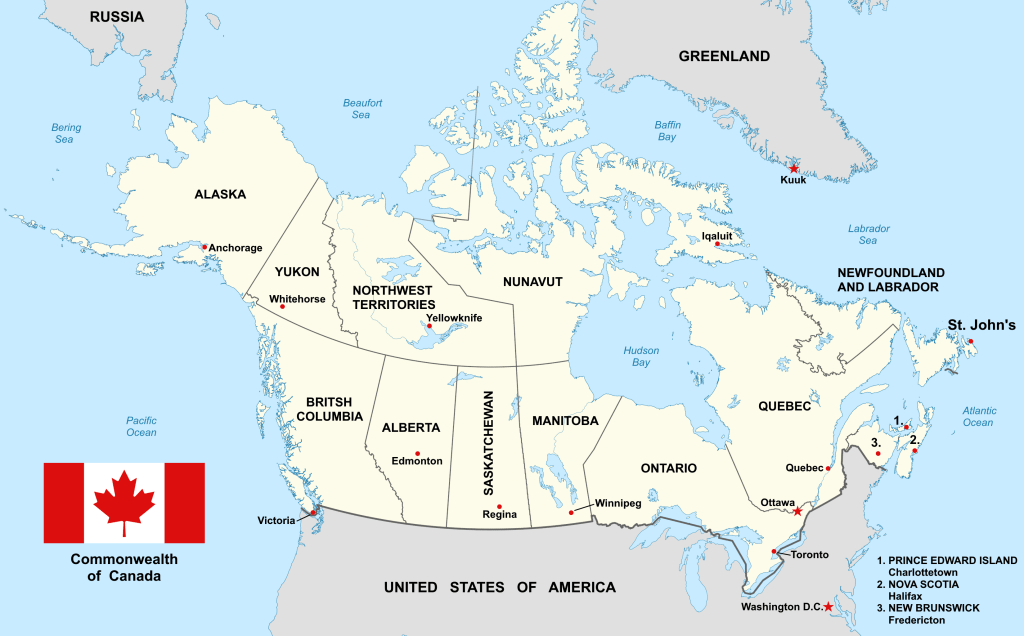
- Transfer of Alaska to Canada
- War crimes tribunal
- Reparations for civilian and infrastructure damage
Treaty Terms:
- 🇨🇦 U.S. withdrawal in 90 days
- 🇨🇦 Alaska becomes a Canadian territory (province by 2035)
- 🚢 Joint Arctic monitoring established
- 💵 CAD $750B in reparations over 15 years
🌲 14.6 The War’s Legacy: 2028–2050
- Canadian Identity: National unity strengthened. Indigenous leadership elevated.
- Global Power: Canada joined the Global Forum Bloc and Arctic Security Council.
- U.S. Decline: NATO collapsed; the U.S. turned inward. A new North American Council formed.
- Alaska’s Future: Self-Governing in 2030, full Canadian province by 2035.
👤 Key Figures
| Name | Role |
|---|---|
| Élise Fontaine | Canadian PM-in-exile, architect of the Treaty |
| Michael Herrera | U.S. interim president who signed the peace accord |
| Elder Noah Kaskaman | Cree strategist from the Shield region |
| Brigadier Rachel Aubé | Led Canadian cyber defence |
| Emma Singh | Hamilton resistance leader, first MP for postwar Alaska |
✍️ Primary Source
“We did not ask for this war. But we rose to it, not with hatred, but with the firm conviction that home must never be handed over. And now, from the Northwest Passage to the shores of Lake Erie, this land stands free, and forever ours.”
📝 Review Questions
- What were the main strategic motivations behind the U.S. invasion of Canada in 2026?
- How did geography and asymmetric tactics aid Canadian resistance efforts?
- What global events influenced the outcome of the conflict?
- Discuss the significance of Alaska’s integration into Canada.
- How did this war change Canada’s role in the world order?
📚 Further Reading
- From Shield to Sovereignty: Indigenous Leadership in the Canadian Resistance (Carla Tuniq, 2040)
- Northern Stars: Canada and the Arctic Century (Brandon Lee-Sommers, 2045)
- The Collapse of Empire: America’s Lost War in the North (James Kilpatrick, 2039)
 The Rowanwood Chronicles