
In the work of a business consultant, change is a constant theme. Helping teams and organizations evolve often involves navigating the resistance that accompanies any disruption to the status quo. But this resistance isn’t unique to the corporate world, it mirrors broader societal reactions to social rebalancing efforts aimed at addressing inequality.
When societies attempt to redress systemic inequities and provide fair treatment for historically marginalized groups, resistance from the majority is a predictable, if not inevitable, response. What feels like progress to one group can feel like a loss to another. This phenomenon, rooted in psychology, social dynamics, and cultural identity, often transforms equality into a battleground.
Fear of Loss: The Power of Perception
Psychologists point to loss aversion as a key driver of resistance. People fear losing what they perceive as theirs more than they value gaining something new. In the context of social change, efforts to redistribute opportunities or resources to marginalized groups, such as workplace diversity initiatives, can feel to the majority like favoritism or unfair quotas. The reality that their rights remain intact often does little to assuage the emotional perception of loss.
Compounding this fear is a mindset known as zero-sum thinking. Many see opportunities and resources as a fixed pie: if one group gets a larger slice, another must get less. This belief frames the push for equity as a direct threat to the majority’s status, even though social equity often creates broader benefits for society as a whole.
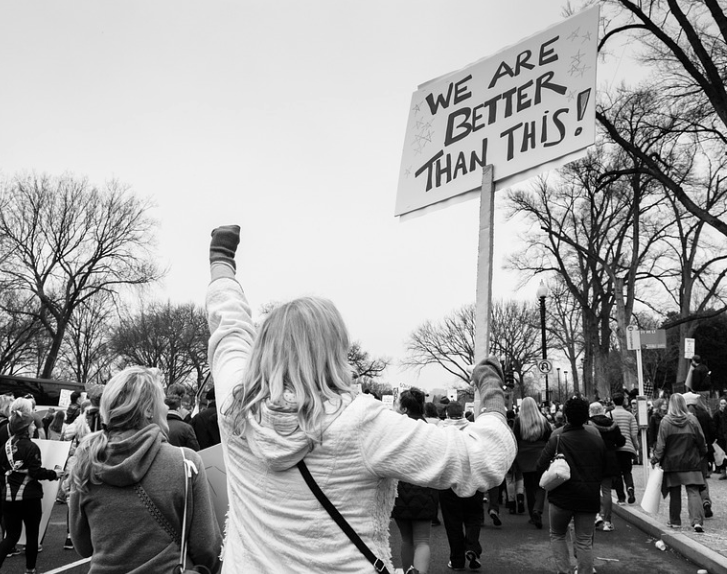
Identity Under Siege
Resistance is not just about resources, it’s also about cultural identity. When dominant norms are challenged by changes like gender-neutral policies, anti-racist education, or expanded LGBTQ+ rights, these shifts can feel deeply personal to those who see their traditions as under attack. This fear of cultural loss often fuels narratives that frame change as an existential threat to the majority’s way of life.
Visible changes exacerbate this perception. Policies aimed at diversity, for example, are often highly noticeable: new hiring practices, updated media representation, or inclusive language reforms. These changes stand out more than the entrenched inequities they seek to address, making them seem disproportionate or unnecessary.
Status and Power: The Fight to Stay on Top
Social dominance theory offers another lens to understand the pushback. Those accustomed to holding power within a social hierarchy often resist efforts to level the playing field. For these groups, rebalancing isn’t just about perceived loss, it’s a challenge to their very status, sparking defensive claims of oppression.
The perception of threat is amplified by polarized media and political rhetoric. Leaders and platforms that oppose social progress often frame equity efforts as an attack on the majority, fueling fear and resentment. This narrative turns equality into a zero-sum game and victimizes those who already hold power.
The Role of Historical Context
Another factor driving resistance is historical amnesia. Without an understanding of the systemic barriers faced by marginalized groups, rebalancing efforts can seem unjustified. For instance, policies like affirmative action, intended to address historical inequities, are often misinterpreted as preferential treatment, rather than as remedies for long-standing disadvantages.
Bridging the Divide
Resistance to social progress isn’t rooted in actual losses of rights, but in the perception of loss. Psychological tendencies, cultural attachment, and divisive narratives all play a role in creating this resistance. Addressing it requires empathy, education, and open dialogue.
By fostering an understanding of systemic inequities and the broader benefits of equity, societies can bridge divides and navigate the inevitable pushback that accompanies change. Social progress may be disruptive, but it paves the way for a more inclusive and equitable future – one where progress is not seen as a loss, but as a shared gain.
 The Rowanwood Chronicles