
As a teenager in the late 1970s, I watched a BBC drama that left a mark on me for life. The series was called 1990. It imagined a Britain in economic decline where civil liberties had been sacrificed to bureaucracy. Citizens carried Union cards; identity documents that decided whether they could work, travel, or even buy food. Lose the card and you became a “non-person.” Edward Woodward played the defiant journalist Jim Kyle, trying to expose the regime, while Barbara Kellerman embodied the cold efficiency of the state machine.
Back then it felt like dystopian fantasy, a warning not a forecast. Yet today, watching the UK government push forward with a mandatory digital ID scheme, I feel as if the fiction of my youth is edging into fact.
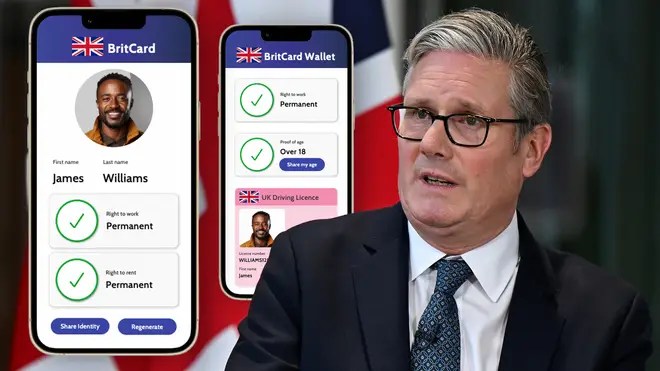
The plan sounds simple enough: a free digital credential stored on smartphones, initially required to prove the right to work. But let’s be honest, once the infrastructure exists, expansion is inevitable. Why stop at work checks? Why not use it for renting property, opening bank accounts, accessing healthcare, or even voting? Every new use will be presented as common sense. Before long, showing your digital ID could become as routine, and as coercive, as carrying the Union card in 1990.
Privacy is the first casualty. This credential will include biometric data and residency status, and it will be verified through state-certified providers. In theory it’s secure. In practice, Britain’s record on data protection is chequered, from NHS leaks to Home Office blunders. Biometric data isn’t like a password, you can’t change your face if it’s compromised. A single breach could haunt people for life.
Exclusion is the next. Ministers claim alternatives will exist for those without smartphones, but experience tells us such alternatives are clunky and marginal. Millions in Britain don’t have passports, reliable internet, or the latest phone. Elderly people, the poor, disabled citizens, these groups risk being pushed further to the margins. In 1990, the state declared dissidents “non-people.” In 2025, exclusion could come from something as mundane as a failed app update.
The democratic deficit is just as troubling. Voters already rejected ID cards once, when Labour’s 2006 scheme collapsed under public resistance. For today’s government to revive the idea, in digital clothing, without wide public debate or strong parliamentary scrutiny, is a profound act of political amnesia. We were told only a few years ago there would be no national ID. Yet here it comes, rebranded and repackaged as “modernisation.”
And then there’s the problem of function creep. In 1990, the Union card didn’t begin as an instrument of oppression; it became one because officials found it too useful to resist. The same danger lurks today. A card designed for immigration control could end up regulating everyday life. It could be tied to financial services, travel, or even access to political spaces. Convenience is the Trojan horse of coercion.
The government argues this will tackle illegal working and make life easier for businesses. Perhaps it will. But at what cost? We will have built the very infrastructure that past generations fought to reject: a system where your ability to live, work and move depends on a state-issued credential. The show I watched as a teenager was meant to remind us what happens when people forget to guard their freedoms.
This isn’t just a technical fix. It’s a fundamental shift in the relationship between citizen and state. Once the power to define your identity sits in a centralised digital credential, you no longer own it, the government does. That should chill anyone who values freedom in Britain.
We need to pause, debate, and if necessary, reject this plan before the future we feared on screen becomes the present we inhabit.
 The Rowanwood Chronicles