
Growing up in a working-class British comprehensive school and later helping raise kids in the U.S. and Canada, I noticed something odd; Americans treat high school as the definitive chapter of their lives. Prom queens cling to their tiaras on Instagram, and class clowns still crack the same jokes at reunions. Across the pond, however, Brits shrug off their teen years like an old school uniform. What gives?
Let’s dive into why Americans cling to their high school glory days while Brits are happy to leave theirs in the past.
America: High School as the Eternal Highlight Reel
For Americans, high school isn’t just a phase – it’s a cultural obsession. Hollywood has built an empire glorifying those years as either a glorious peak or a source of lifelong scars.
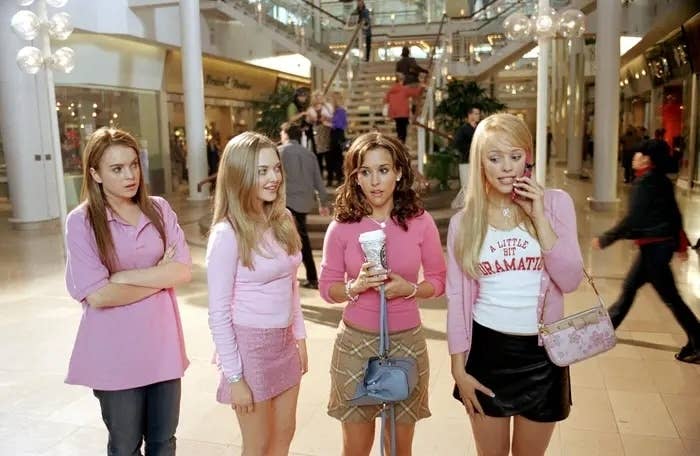
Take Napoleon Dynamite. Uncle Rico spends his days reliving a missed shot at football fame, his identity frozen in that one moment. Or Romy and Michele’s High School Reunion, where the main characters reinvent themselves to impress former classmates, only to realize high school wasn’t all that.
Even in uplifting tales like Grease, high school reigns supreme. Danny Zuko and Sandy Olsson’s love story unfolds against a backdrop of drag races, pep rallies, and leather jackets. Meanwhile, The Breakfast Club reminds us that social cliques define who we are, or at least who we think we are, during those years of detention and cafeteria drama.
Why this fixation? High school in America is a “mini-society,” complete with rites of passage like prom, homecoming, and sports rivalries. It’s not just about grades; it’s where you win (or lose) popularity contests, fall in love, and experience your first public humiliation.
The British Take: Awkward, Cringe, and Happily Forgotten
In Britain, adolescence is less “crowning achievement” and more “let’s never speak of this again.” British media portrays school as an awkward stepping stone rather than the main event.
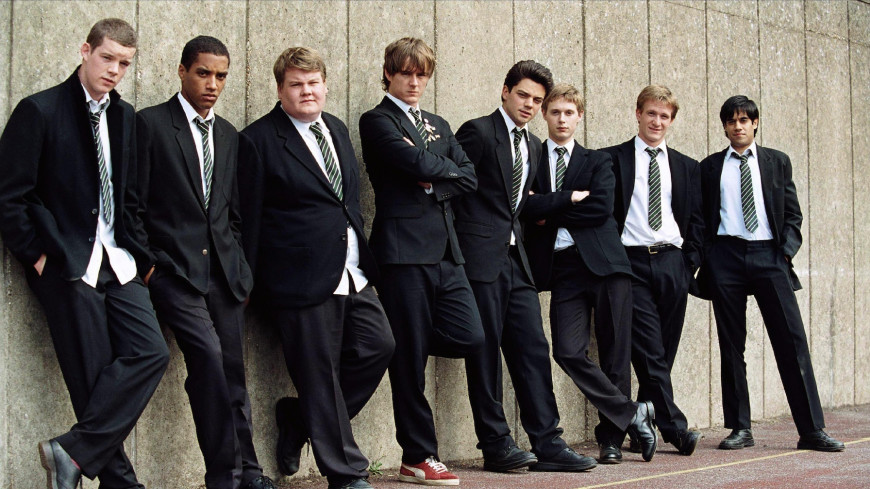
Take The Inbetweeners. This comedy revels in the cringe-worthy antics of four painfully average lads. The goal isn’t to chase glory but to survive. By the end, they’re thrilled to leave it all behind.
Even British dramas sideline the school experience. At Hogwarts, the stakes in Harry Potter are life-and-death battles against dark wizards, not who’s taking whom to the Yule Ball. And in Billy Elliot, a boy’s love for ballet overshadows any schoolyard drama. Compare that to Footloose, where an entire American town’s angst revolves around high school kids’ right to dance.
Why the Difference?
For Americans, adulthood can feel like a letdown. Bills, jobs, and responsibilities often pale in comparison to the glory days of pep rallies and yearbooks. In the UK, adulthood is treated as a welcome reprieve from teenage awkwardness. Shows like Fleabag and The Office (UK) poke fun at adult life without constantly revisiting the schoolyard.
The school systems also play a role. American high schools are all-encompassing, blending academics, sports, and social life. British secondary schools are more segmented, with sports and extracurriculars often happening outside school. Without the glitz of prom or homecoming, there’s simply less to romanticize.
Pop Culture’s Verdict: America Stuck, Britain Moving On
In Hollywood, high school nostalgia reigns supreme. From Clueless to Superbadto Eighth Grade, the American teen years are endlessly rehashed. British films, by contrast, rarely dwell on adolescence. Even when they do, as in Skins, the focus is on complex issues rather than glorifying the teen experience.
While American characters like Cher in Clueless continue acting like queen bees into adulthood, British stories are more likely to explore adult challenges, whether it’s romance in Love Actually or workplace drama in The Office (UK).
A Tale of Two School Systems
For Americans, high school is a cultural anchor, equal parts triumph, trauma, and identity. Brits, on the other hand, happily lock those years in the attic, only to laugh about them over a pint decades later.
Perhaps the lesson is this: while it’s fine to glance back at your teenage years, there’s a reason the yearbook closes.
 The Rowanwood Chronicles