BRICS Rising: The Challenge to Western Dominance in a Multipolar World

BRICS has evolved from an economic alliance into a geopolitical force challenging Western dominance. Originally conceived as a framework for cooperation among emerging markets, the bloc now pursues a strategic agenda that threatens the global order long shaped by Europe and North America. By fostering economic interdependence, promoting financial independence, and expanding its diplomatic influence, BRICS is positioning itself as a counterweight to Western-led institutions like the IMF, World Bank, and NATO. Its rise signals a shift toward a multipolar world where U.S. and European dominance is no longer assured.

At the core of BRICS’ strategy is economic cooperation aimed at reducing reliance on Western markets and financial institutions. Trade agreements and joint investment projects among Brazil, Russia, India, China, and South Africa strengthen internal resilience while offering developing nations an alternative to the West’s economic model. The New Development Bank (NDB) plays a key role, financing infrastructure and sustainability projects without the political conditions often attached to Western aid. This economic realignment is further reinforced by BRICS’ push to de-dollarize global trade, insulating its members from U.S. financial influence and sanctions. By increasing the use of local currencies and developing alternatives to SWIFT, BRICS is actively undermining the dollar’s global dominance. If oil-producing nations like Saudi Arabia shift toward BRICS’ financial system, the petrodollar system could face serious disruption, weakening the U.S. economy and limiting Washington’s ability to leverage economic power as a foreign policy tool.

For Europe, BRICS represents a different kind of challenge. While not as dependent on the dollar, the EU’s economic model relies on stable access to global markets, raw materials, and energy. BRICS’ growing control over critical resources—such as rare earth minerals, oil, and food supplies—poses risks to European industry. Russia and China have already demonstrated a willingness to use trade as a geopolitical weapon, and as BRICS strengthens its economic ties, European access to these resources could become more costly and politically conditional. Additionally, BRICS’ growing influence in Africa, Latin America, and the Middle East threatens Europe’s traditional soft power approach in these regions. By providing loans and investments without Western-style conditions, BRICS is offering an appealing alternative to nations wary of IMF-imposed austerity. This shift weakens Europe’s ability to shape international policies and erodes its influence in regions it has long considered strategic.

Beyond economics, BRICS is reshaping global diplomacy by advocating for a multipolar world. The bloc frequently aligns its positions in the UN, G20, and WTO, pushing for reforms that reduce Western dominance. By expanding its membership to include emerging economies across the Global South, BRICS is creating a parallel alliance network that enables countries to resist Western pressure. The potential inclusion of Iran and other anti-Western regimes raises concerns about a new axis of influence that could counterbalance NATO and other Western-led security alliances. While BRICS is not yet a military pact, growing defense cooperation—particularly between Russia and China—suggests that security coordination could become more structured over time.

Technology is another battleground where BRICS threatens Western leadership. China and India are emerging as global tech powerhouses, while Russia excels in cybersecurity and artificial intelligence. If BRICS nations successfully develop independent digital ecosystems—ranging from payment systems to semiconductor industries—Western tech companies may lose access to key markets. The push for BRICS-led internet infrastructure could also fragment global digital governance, reducing the West’s ability to shape online policies and monitor cyber threats. Meanwhile, BRICS’ emphasis on state sovereignty and non-interference in domestic affairs provides an ideological alternative to the Western model of governance. As more nations align with this approach, the ability of the U.S. and Europe to promote democracy, human rights, and free-market policies could diminish.

BRICS is not just an economic alliance, but a structural challenge to the Western-led world order. By advancing financial independence, expanding geopolitical influence, and fostering technological self-sufficiency, the bloc is steadily eroding the dominance of Western institutions. While internal divisions and logistical hurdles remain, BRICS’ trajectory suggests that Europe and North America must adapt to a world where their influence is no longer guaranteed. Whether the West engages with BRICS on more equal terms or resists and risks further global fragmentation will determine the shape of international relations in the years to come.  

A New Social Democratic Mandate for Ontario

As we are deep into the February 2025 Ontario election, I thought I might share my vision for the province, which might just be a little wide of traditional thinking for this part of North America, but would help rebalance the out of control neoliberal free-market capitalism we have today. 

I personally don’t feel that the New Democratic Party (NDP) is far enough to the left, as it makes too many compromises in order to attract centralist voters, whereas the Democratic Socialists of Canada (DSC) are uncompromising idealists, and politically ineffective. I fall somewhere in between these two parties, taking the best of both, and hopefully crafting a strategic message that’s attractive to others.  

Vision
The vision for Ontario is one of prosperity and equity, placing the well-being of its citizens at the forefront. This vision emphasizes robust investments in education, social programs, healthcare, and economic infrastructure to foster sustainable growth. The goal is to empower small and medium-sized communities, easing the burden on overpopulated urban centers and promoting regional equity, ensuring that all Ontarians benefit from the province’s future.

Core Pillars of the Mandate
The mandate is built upon five core pillars, each aimed at creating a more inclusive, prosperous Ontario. These pillars are focused on empowering citizens through education, improving community well-being, ensuring healthcare accessibility, fostering economic resilience, and promoting decentralized urban planning.

Education for Empowerment
A commitment to universal access to high-quality education is foundational. The focus will be on equipping Ontarians with the skills necessary for a modern, equitable economy. This will be achieved by expanding public education funding, particularly in smaller and medium-sized communities, ensuring that schools have access to modern facilities, resources, and technology. To make post-secondary education more accessible, tuition fees will be capped, grants increased, and debt forgiveness programs introduced for students who work in underserved areas. Moreover, lifelong learning programs will be developed to offer free or subsidized adult education and skills-training in emerging industries such as green energy and trades.

Social Equity and Community Well-Being
The goal is to build a society that is inclusive and supportive of its most vulnerable populations. Prioritizing affordable housing development in smaller communities will ensure that these areas remain accessible and livable. In addition, social safety nets such as universal childcare, guaranteed basic income pilots, and targeted support for Indigenous, rural, and marginalized communities will be strengthened. Public transit systems will also be expanded in smaller communities to reduce isolation and promote economic integration, ensuring better access to resources and opportunities for all.

Healthcare Accessibility and Innovation
Comprehensive healthcare that is accessible to all Ontarians is central to the mandate. Efforts will focus on strengthening local healthcare systems, particularly in smaller communities. By decentralizing healthcare services, the government will build and expand hospitals, clinics, and mental health centers, ensuring that these communities are well-served. Recruitment incentives for healthcare professionals will encourage doctors, nurses, and allied health workers to settle in underserved areas. Additionally, long-term care will be reformed, transitioning to fully public and community-centered models to ensure seniors receive care with dignity.

Economic Resilience and Green Growth
The mandate aims to promote sustainable economic growth through targeted investments in local industries and green initiatives. Creating tax incentives and grants for businesses to establish operations in smaller communities will be key to developing these regions economically. Expanding rural broadband to guarantee high-speed internet access will empower remote work, education, and commerce. Support for green industries, including renewable energy, sustainable agriculture, and low-emission manufacturing, will help these smaller regions thrive while contributing to environmental sustainability. Furthermore, worker-focused policies such as a $20/hour minimum wage, strong union protections, and expanded benefits like paid sick leave will ensure fair wages and working conditions across Ontario.

Decentralized Urban Planning
Shifting the focus from overburdened urban centers to smaller communities is a central part of the vision. Population redistribution strategies will provide tax benefits and relocation assistance for families and businesses moving to smaller towns. This will be complemented by investments in local infrastructure to improve water, energy, and transportation systems, making these communities more attractive for growth. Moreover, smart city planning will prioritize environmentally conscious and community-driven urban development, curbing urban sprawl and preserving green spaces.

Accountability Framework
To ensure the success of these initiatives, an accountability framework will be established. Regional citizens’ assemblies will guide local development, providing a channel for community input and ensuring government responsiveness. Transparent reporting will be maintained, with annual progress reports on education, healthcare, and economic initiatives. Regular equity audits will be conducted to ensure that the benefits of these programs are distributed fairly across rural, Indigenous, and urban populations.

Conclusion
The transformative changes outlined in this mandate will be funded through a progressive taxation system. The wealthiest individuals and corporations will contribute their fair share, while tax loopholes and corporate subsidies will be minimized, redirecting billions toward public investments. A modest increase in taxes on luxury goods, high-value real estate, and environmentally harmful industries will also generate revenue while promoting sustainability. Additionally, funding from inefficient urban sprawl projects will be reallocated to support investments in smaller communities. By partnering with federal programs and green investment funds, the province will secure additional resources for vital infrastructure, education, and healthcare reforms, ensuring fiscal responsibility while driving long-term economic growth.

This vision for Ontario is rooted in social democracy, seeking to build a fair, inclusive, and sustainable province by addressing the needs of all its citizens. By prioritizing smaller communities and strengthening public infrastructure, it aims to balance equity with opportunity, ensuring that no one is left behind in Ontario’s future.

Any takers? 

Made in Canada: Leveraging Transparency to Strengthen and Grow the Economy

As a business consultant, I spent nearly two years managing the Canadian multi-livestock traceability project office in response to the BSE “mad cow” outbreak. Later, I became the first General Manager of the Canadian Livestock Identification Agency, helping to expand this approach nationally, and then with the aid of federal funding, pushed into Latin America,. What became clear was the transformative power of full value chain traceability. It not only opens doors to new markets, but also helps countries differentiate their products, and navigate technical and political trade barriers like tariffs.

For Canadian retailers and manufacturers, U.S. tariffs have long created challenges—raising costs, shrinking margins, and destabilizing cross-border trade. But technology offers a way to turn these obstacles into opportunities. Imagine a system where every Canadian product carries a scannable code revealing its value chain, from sourcing to production and even its environmental footprint. This transparency wouldn’t just empower consumers—it would give Canadian products a competitive edge by showcasing their quality, sustainability, and tariff-free origins.

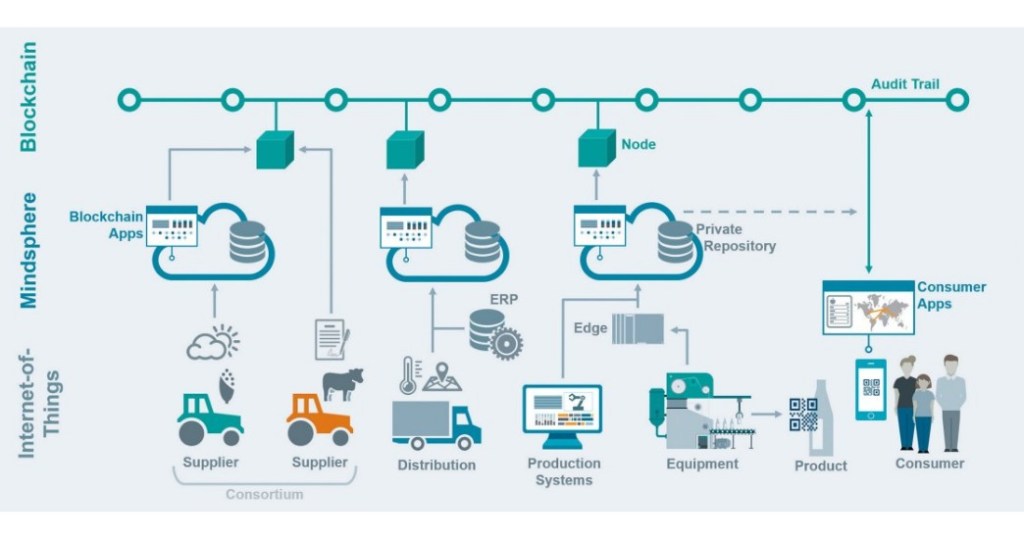
Traceability technology, backed by blockchain, makes this vision possible. By assigning every product a unique QR code or barcode, manufacturers could provide consumers with instant access to detailed information. A quick scan might show that a product was made in Canada, outline ethical practices in its supply chain, and even display its carbon footprint. Such transparency doesn’t just satisfy curiosity—it allows consumers to align purchases with their values, all while supporting the Canadian economy.

Blockchain adds an essential layer of trust to this system. Unlike traditional databases, blockchain technology is inherently secure, creating an unchangeable record of every step in a product’s journey. From raw materials in British Columbia to manufacturing in Ontario, each stage is logged and verified. In an age where consumers demand proof of sustainability and ethical practices, blockchain offers the credibility that builds trust and eliminates doubt.

For shoppers, the benefits of this system are clear. It provides a powerful tool for identifying Canadian-made goods, particularly in tariff-sensitive sectors like food, textiles, and electronics. When trade restrictions drive prices higher, consumers could actively choose local, tariff-free products, keeping money in Canada while avoiding inflated costs. Retailers, in turn, could spotlight these products as premium, ethical choices, differentiating them from imports.

From a business perspective, adopting traceability technology is more than a tool for compliance—it’s a way to build brand loyalty. Shoppers are more likely to trust and return to brands that are transparent about their supply chains. Companies investing in traceability could also attract eco-conscious and ethically driven consumers, both domestically and internationally, creating new opportunities to expand market share.

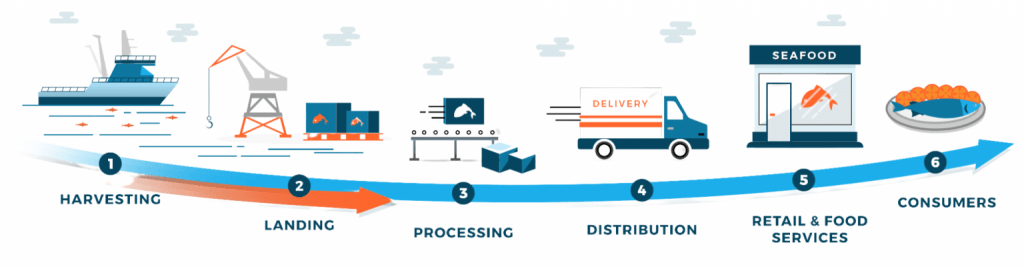
This technology is real today, and ready to use. Japan has been a pioneer in retail traceability, leveraging advanced technology to ensure transparency and quality in its supply chains. From QR codes on produce that detail farm origins to blockchain systems tracking seafood to combat fraud, Japan’s focus on traceability reflects its commitment to consumer trust, food safety, and sustainable practices.

The Canadian government has a role to play in fostering this transformation. Policymakers could accelerate adoption through regulations requiring supply chain transparency, and by offering tax incentives to early adopters. Public campaigns could educate consumers about the benefits of traceability, while certification programs could establish recognizable “Made in Canada” labels, further encouraging local pride and support.

While small businesses may face challenges in adopting this technology, such as costs and competition concerns, these barriers can be addressed through subsidies, partnerships, and thoughtful frameworks. By striking a balance between transparency and proprietary protections, Canada can ensure accessibility while preserving competitive advantages.

This system isn’t just about tariffs—it’s about redefining how Canadians shop and consume. Traceability technology positions Canada as a leader in ethical, sustainable retail practices. It empowers consumers with unprecedented insight into the products they buy, while strengthening the economy through local innovation and production.

Ultimately, this approach reinforces what makes Canadian products stand out. Whether it’s sustainability, fair labor practices, or national pride, traceability ensures that “Made in Canada” is more than just a label—it’s a commitment to quality, transparency, and trust.

We Need to Update the Ontario Cider Regulations

I thoroughly enjoy a good glass of cider, and while I am open to exploring the unknown, I do prefer to imbibe drier beverages, yet I have learned that marketing labels do nothing to differentiate these alcoholic products. The word ‘Dry’ on a can of cider is currently meaningless in Ontario, and the amber liquid contained within can have any amount of sweetness. 

Ontario’s cider industry has seen significant growth in recent years, reflecting an increasing interest among consumers. By 2030, the Ontario Craft Cider Association (OCCA) aims to increase production from the current 6 million to 30 million liters annually, with a projected economic impact of $115 million and the creation of 1,720 jobs. As more Ontarians turn to craft cider, consumers are pushing for greater transparency on what’s inside their favorite cans.

By mandating the inclusion of grams per liter (g/l) sugar content on cider labels, consumers gain valuable insights into the flavor profiles of different ciders. This information allows individuals to select beverages that align with their taste preferences, whether they prefer a drier, more tart cider or one with a sweeter, fruitier profile. Wine sold in Ontario already includes sugar content in the g/l format so with this precedent, all we need is an update to the current provincial labeling regulations. 

Promoting product transparency, while supporting branding efforts, sugar content labeling contributes to the continued growth and diversification of Ontario’s vibrant cider industry.

Sources.
https://thegrower.org/news/ontario-craft-cider-industry-looks-bright-future