The Messy Truth About Style, Wealth, and Social Media in the Walmart Birkin Era

The Walmart Birkin debate, while seemingly chaotic, underscores the positive disruption social media has brought to the way society views fashion, wealth, and accessibility. This debate, which centers on inexpensive alternatives to luxury handbags like Hermès’ Birkin, reflects how social platforms like TikTok and Instagram have democratized access to trends, challenging long-standing ideas of exclusivity and prestige.

Social media has broken down barriers that once kept luxury fashion out of reach for most people. By showcasing Walmart’s Birkin-inspired bags and other accessible “dupes,” platforms have shifted the narrative, allowing everyday consumers to participate in trends without financial strain. This democratization of style isn’t just about affordability—it’s about creativity. People are mixing high-end and low-cost fashion to create their own unique looks, proving that style is more about personal expression than the price tag.

The debate also forces us to reconsider the value of luxury goods as status symbols. For years, owning a Birkin bag was a sign of wealth and social prestige. Now, as social media normalizes dupes, the exclusivity that defined luxury is being questioned. These conversations challenge us to think critically about the meaning of material wealth and the societal pressure to conform to unattainable standards. Is the value of a Birkin in its craftsmanship, or does its worth lie solely in its role as a symbol of privilege? Social media has provided a platform for this dialogue, encouraging a broader critique of wealth inequality and our collective obsession with status.

What makes this disruption even more compelling is how social media amplifies diverse voices. Historically, the luxury market was dominated by a narrow demographic, but now people from all walks of life are participating in this conversation. By sharing their perspectives and personal stories, they’re reshaping the cultural narrative around style and worth. This shift empowers consumers to reclaim fashion from the exclusivity of luxury brands and redefine what it means to be fashionable in their own terms.

Yes, the discourse is messy. The flood of memes, arguments, and polarized opinions on platforms like TikTok can feel overwhelming. But this chaos is a sign of progress. It’s a reflection of cultural disruption—a necessary step in dismantling outdated hierarchies in fashion. This kind of viral conversation challenges norms, fuels innovation, and encourages brands to respond to the evolving values of a new generation of consumers.

In many ways, the Walmart Birkin debate represents the best of what social media can achieve. While it may seem like a trivial squabble over handbags, it’s actually a meaningful reflection of broader societal shifts. It shows us that accessibility and inclusivity are reshaping industries and that style, at its core, belongs to everyone—not just the privileged few.

Proposed Policy Shift: A Holistic, Equity-Focused Approach to Pandemic Management

Pandemics have traditionally been managed through isolation measures, and the prioritization of high-risk groups for vaccination. While this approach proved effective during the COVID-19 crisis in Canada, it also revealed significant shortcomings. Widespread isolation led to a surge in mental health issues, while many citizens faced severe financial hardship.

A shift in policy is necessary—one that treats citizens not merely as individuals or isolated households, but as members of interconnected communities. This proposal outlines a comprehensive strategy for pandemic management that prioritizes public health, social resilience, and economic security through three key measures: targeted vaccination by sorting codes, the formation of social pods, and the implementation of Universal Basic Income (UBI).

Targeted Vaccination by Sorting Code
Current vaccination efforts often fall short in addressing systemic inequities. A more effective strategy would prioritize vaccine distribution based on sorting codes (e.g., postal or area codes), focusing on communities most at risk. High-priority areas—those with elevated infection rates, limited healthcare access, or greater socioeconomic vulnerability—would receive vaccines first. This approach ensures resources are allocated efficiently and equitably, reducing disparities and safeguarding the most affected populations.

Development of Social Pods
Isolation has long been the cornerstone of pandemic response, but it often exacerbates mental health crises and social disconnection. An alternative approach is to encourage the creation of social pods—small, stable groups of 3 to 12 individuals who interact exclusively with one another. These pods allow for safe social interaction, fostering emotional and practical support while reducing the spread of infection. School children continue their education and social development, adults maintain their social interaction, while seniors get the support they need from family and friends, all of which greatly reduces pressure on the healthcare system. Social pods also facilitate easier contact tracing and containment efforts, providing a more community-oriented approach to public health.

Universal Basic Income (UBI)
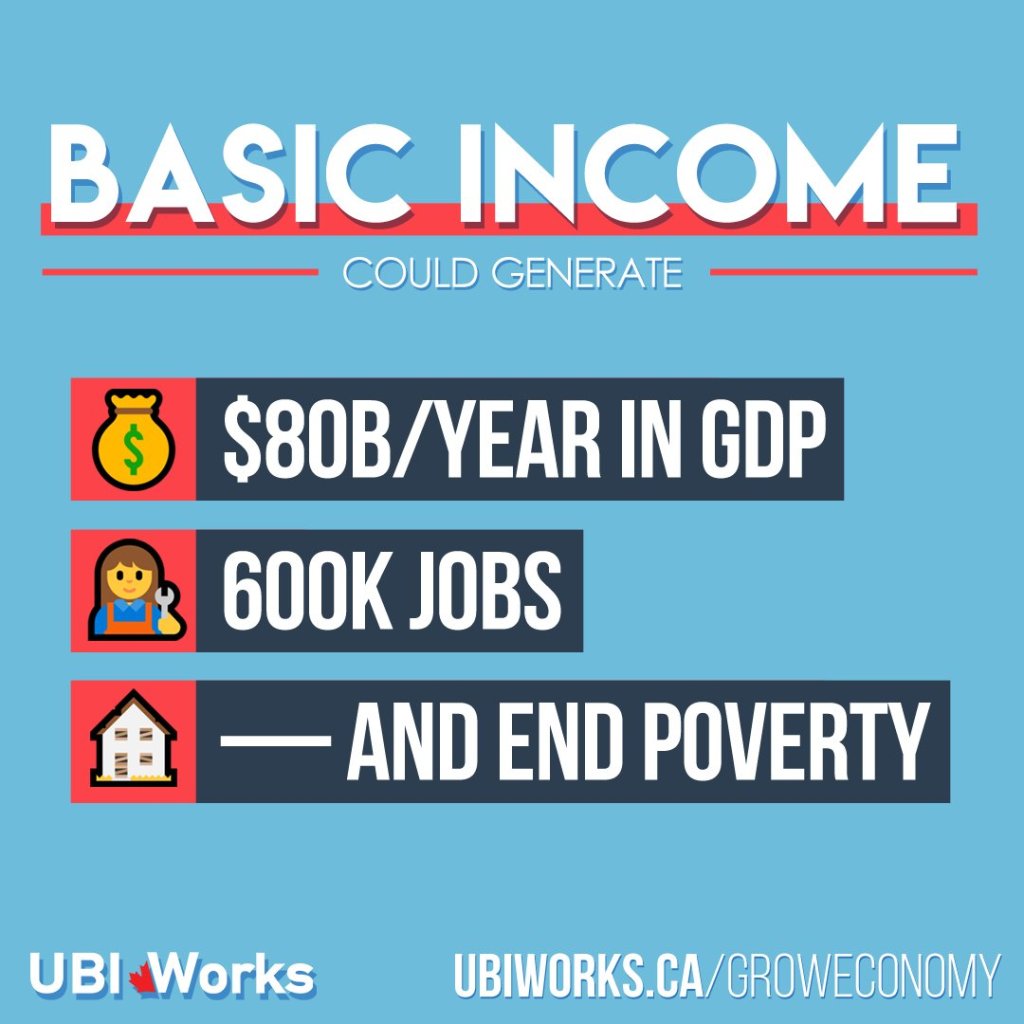
Pandemics often expose and intensify economic inequities, leaving many people unable to comply with public health measures due to financial pressures. Implementing a Universal Basic Income ensures that all individuals, regardless of employment status, have access to basic financial resources. By alleviating economic stress, UBI allows people to adhere to isolation or quarantine guidelines without facing financial ruin, reducing unsafe behaviors driven by desperation and ultimately curbing virus transmission.

This proposed shift in policy emphasizes the importance of addressing the interconnected health, social, and economic challenges posed by pandemics. By adopting targeted vaccination, fostering social cohesion through pods, and ensuring financial stability with UBI, governments can build a more equitable and resilient framework for pandemic management. This approach not only safeguards public health, but also strengthens community bonds and ensures no one is left behind in times of crisis

Analyzing Canada’s Supply Management System Amidst USMCA Renegotiations

With Donald Trump hinting at renegotiating the USMCA, the Bloc Québécois (BQ)’s preemptive demand to shield Canada’s supply-managed agricultural sectors seems like a calculated play. By insisting on taking these industries off the negotiating table, the BQ underscores the strategic importance of supply management—not just as economic protectionism, but as a cornerstone of national food security, quality, and safety.

At its core, supply management is more than a regulatory framework; it’s a defense mechanism against market forces that could devastate domestic agriculture. Take Wisconsin, for example: its dairy production alone eclipses Canada’s entire industry and could flood the Canadian market with cheaper, lower-standard products. This wouldn’t just undercut prices; it could dismantle the domestic sector entirely. Ironically, Wisconsin’s overproduction creates its own woes, driving down prices, shrinking herd sizes, and perpetuating a vicious cycle of instability.

Such risks aren’t hypothetical. In Latin America, we’ve seen nations struggle as free-market producers prioritize export profits over feeding local populations. Meanwhile, neighboring countries flooding markets with cheap imports have obliterated subsistence farming. The BQ isn’t just safeguarding Quebec’s dairy industry but advocating for all “feather” producers—chicken, turkey, ducks, and eggs. So, how does Canada’s supply management system stack up?

The Case for Supply Management
Supply management ensures Canadian farmers enjoy stable, predictable incomes, shielding them from global market volatility. This financial security allows small family farms to invest confidently, fostering sustainability. For consumers, it means consistent prices for essentials like milk and eggs, steering clear of drastic price swings.

Canada’s system enforces stringent safety and environmental standards, ensuring high-quality products. By prioritizing local production, it strengthens food security, keeping supply chains domestic and reliable. The system also promotes production diversity, mitigating risks like disease outbreaks in large industrial operations.

By controlling production, supply management prevents market gluts that can tank prices. This is a lifeline for small and medium farms, which form the backbone of rural economies. Without these protections, small farms might collapse under pressure from industrialized mega-farms or cheap imports, eroding Canada’s agricultural landscape.

The Critiques of Supply Management
The most frequent criticism is higher prices. Supply management fixes prices above global market levels, meaning Canadians pay more for staples like dairy and eggs. These costs hit low-income households hardest, intensifying inequality in access to basic foods.

Canada’s import controls complicate international trade negotiations. Concessions made during CETA and USMCA talks—allowing limited foreign access to Canadian dairy markets—highlight the friction. These restrictions may limit Canada’s leverage in future trade deals, potentially hindering economic growth.

Critics argue that supply management’s guaranteed income structure discourages competition and innovation. Farmers have little incentive to improve efficiency or diversify, unlike in competitive markets where survival hinges on adaptability. This lack of dynamism could leave Canadian agriculture trailing behind global advancements.

Balancing Tradition and Change
Canada’s supply management system has achieved much: protecting farmers, ensuring food security, and sustaining rural economies. Yet, it faces mounting pressure to adapt. Rising consumer demands for affordability, evolving trade landscapes, and the push for innovation all challenge the status quo.

The Bloc Québécois’ stance reflects a broader debate about how Canada defines the future of its agriculture. Can we strike a balance between protecting domestic producers, ensuring our food security, and embracing global trade? The answer will shape not just the nation’s economy, but its food systems for generations to come.

The Case for Nurse Practitioners in Canadian Leadership Roles

Canada’s healthcare system, founded on the principles of universal access and fairness, remains a cornerstone of the nation’s social fabric. As a system that treats all citizens equally, free from the influence of private insurers, it exemplifies the values of equity and solidarity. However, despite these strengths, the Canadian healthcare system faces significant challenges, many of which stem from outdated management practices and an evolving healthcare landscape. These issues highlight the need for changes that can improve both cost-effectiveness and patient-centered care, ensuring the system remains sustainable and responsive to the needs of all Canadians.

A key area for reform is the current model of leadership within healthcare systems. Medical doctors (MDs), who are critical to patient care, are often placed in executive management roles, a practice that can lead to inefficiencies. While MDs possess exceptional expertise in clinical medicine, their training typically does not prepare them for the complex demands of system management or strategic decision-making. As a result, healthcare systems may miss opportunities to optimize operations and reduce costs. This misallocation of skills can contribute to administrative bottlenecks, inefficient resource distribution, and, ultimately, higher healthcare expenses.

To address these challenges and ensure that Canada’s healthcare system remains both effective and sustainable, it is time to reconsider the traditional leadership structure. One promising solution lies in empowering nurse practitioners (NPs) to take on leadership roles within healthcare organizations. NPs, as advanced practice nurses, are already deeply involved in patient care and bring a wealth of experience in managing illnesses, prescribing treatments, and leading care teams. Their training, which focuses on holistic, patient-centered care, is well-suited to the evolving demands of Canada’s healthcare system, where preventative care, wellness, and population health are becoming increasingly important.

By elevating NPs to leadership positions such as Clinical Directors, Canadian healthcare systems could achieve several benefits. First, NPs represent a cost-effective alternative to MDs in management roles. Their salaries are typically lower, allowing healthcare organizations to redirect the savings towards improving clinical services, investing in technology, and addressing social determinants of health. This would allow the Canadian healthcare system to better meet the growing demand for services without compromising care quality.

Moreover, NPs’ patient-centered approach aligns well with the goals of Canada’s public healthcare system. Their emphasis on preventative care and wellness can help drive the system towards more proactive, rather than reactive, care models. This shift not only helps manage costs but also improves access to care, especially in underserved areas, where NPs are already providing essential services. Empowering NPs to lead could also help address the physician shortage, particularly in rural and remote communities where healthcare access is often limited.

Another significant advantage of promoting NPs to leadership positions is their ability to foster collaboration and innovation within healthcare teams. NPs excel in creating multidisciplinary environments that prioritize communication and teamwork—skills that are critical for reducing staff burnout and improving employee retention in a healthcare workforce that is under increasing strain. By empowering NPs, the system can better support its frontline workers, ensuring that healthcare providers are not only skilled in their clinical roles but also in building a positive and efficient workplace culture.

Despite these advantages, there remains resistance to changing the leadership structure in Canadian healthcare. Some may argue that NPs lack the formal medical education of MDs, but this perspective overlooks the fact that NPs’ training is often better suited to the management and collaborative tasks required in today’s healthcare landscape. While MDs offer invaluable expertise in specialized medical fields, NPs’ holistic approach and focus on system-wide efficiency are precisely what is needed to ensure that Canada’s healthcare system can continue to meet the needs of its diverse population.

While Canada’s healthcare system remains one of the most equitable in the world, it is clear that reforms are necessary to ensure its continued success. By shifting leadership to include more nurse practitioners in management roles, we can foster a healthcare environment that is more cost-effective, patient-centered, and capable of addressing the challenges of the 21st century. This change is not about diminishing the role of MDs, but rather recognizing that the complexity of modern healthcare requires a broader range of skills and perspectives to ensure optimal outcomes for both patients and healthcare workers.

The Social Media Trap: Jonathan Haidt on the Rise of Incels and Australia’s Bold Move

Jonathan Haidt, social psychologist and author of The Anxious Generation: How the Great Rewiring of Childhood Is Causing an Epidemic of Mental Illness, offers a chilling analysis of how social media reshapes the mental and emotional worlds of young people. Platforms like Instagram, TikTok, and Reddit, he argues, magnify feelings of inadequacy and anger, particularly among young men – a demographic increasingly drawn into the online incel (involuntarily celibate) subculture.

Incels, young men frustrated by their lack of romantic and sexual success, gather in online communities where misogyny and nihilism fester. Haidt’s work reveals how these platforms, designed to amplify polarizing content and encourage tribalism, foster a collective victim mentality. Incel forums, he notes, validate resentment, fueling a toxic cycle of blame and self-pity. Over time, the isolation bred by these echo chambers solidifies their radical ideologies, creating fertile ground for dangerous movements like the nihilistic “black-pill” philosophy.

Haidt also points to evolutionary psychology to explain how social media taps into young men’s instincts for competition and conquest. Platforms flood users with hyper-sexualized imagery, gaming rewards, and curated lifestyles, creating a distorted reality that leaves many feeling perpetually inadequate. For incels, these digital illusions exacerbate bitterness, reinforcing their belief that modern dating is “rigged” against them.

Social media’s most insidious effect, Haidt warns, is its relentless culture of comparison. The curated lives of influencers amplify feelings of inadequacy, particularly for those already struggling with self-esteem. This, coupled with social media’s replacement of real-world interactions, deepens isolation and accelerates mental health crises. Haidt describes social media as a “magnifier of human vulnerability,” preying on insecurities and rewarding divisive behavior. For some incels, this descent into despair has culminated in acts of violence, with several high-profile attacks linked to individuals immersed in these toxic communities.

In response to the growing mental health crisis among youth, Australia has taken a bold step: banning social media for individuals under 16. Scheduled to take effect in 2025, the law imposes strict age verification requirements on tech companies, with fines reaching A$49.9 million for violations. Though challenges remain – such as the potential misuse of software to bypass restrictions – Australia’s move signals a growing global recognition of the harm social media inflicts on adolescents.

Haidt’s research underscores the urgency of such reforms. Early and unregulated exposure to social media, he argues, exacerbates anxiety, depression, and social isolation, leaving young people vulnerable to radical ideologies and diminished well-being. Australia’s legislation reflects an attempt to push tech companies toward greater accountability and promote a healthier digital landscape for children.

The rise of the incel phenomenon is not just about misogyny or radicalization; it’s a window into a generation’s broader struggle for connection and purpose in the age of social media. Haidt warns that without systemic change – such as fostering healthier masculinity, reducing online polarization, and regulating tech platforms – society risks losing a generation to the algorithms of despair. Australia’s bold experiment may well serve as a blueprint for addressing these deep-seated issues on a global scale.

Elon Musk as Speaker of the House? A Fascinating, but Unlikely Scenario

I was just discussing the failed spending bill vote in the House of Representatives with a U.S. acquaintance, and they brought up the possibility of Elon Musk becoming Speaker of the House.  As surprising as this idea might be, it is technically feasible, although surely, highly unlikely? While the Constitution does not require the Speaker to be a sitting member, every Speaker since the role’s creation in 1789 has been an elected representative, and even if Musk was nominated he would still have to receive a majority vote in the House of Representatives.

While this rule opens the door for unconventional candidates, the reality of such a scenario is much more complex. The role of Speaker demands a deep understanding of legislative processes, the ability to manage the intricate dynamics of Congress, and the capacity to build coalitions across a divided political body. Musk, while an innovative entrepreneur, lacks the political and legislative experience traditionally associated with the position.

Even if Donald Trump, or another prominent Republican were to propose Musk as a candidate, achieving majority support would be a monumental task. The House is already deeply divided along partisan lines, and the idea of electing a non-politician to such a critical role would likely face significant resistance from both parties. Additionally, Musk’s outspoken and often polarizing public persona could further complicate efforts to secure widespread support.

Perhaps this is the ultimate FAFO?

Update
Just as I post this short piece, I see that a number of prominent GOP members are being reported as supporting the notion of Musk as Speaker. Representative Marjorie Taylor Greene of Georgia and Senator Rand Paul of Kentucky seem to think it’s a good idea, so I will sit back and enjoy the show.

Communities Benefit from Employee Ownership Trusts 

This month, I learned that the owner of Rega Research Ltd, a UK-based hi-fi design and manufacturing business I admire, recently transferred all company shares to an Employee Ownership Trust (EOT).

EOTs are an innovative UK structure enabling businesses to transition to employee ownership. Established under the 2014 Finance Act, they provide a tax-advantaged succession option that benefits employees and local economies. Unlike selling to private equity or competitors—which can lead to job loss or relocation—EOTs promote stable business continuity, preserving a company’s values and long-term interests.

Canada lacks a direct equivalent to EOTs, though interest in similar models is growing. Employee ownership in Canada typically occurs through Employee Share Ownership Plans (ESOPs), which involve employees directly purchasing stock. However, ESOPs vary widely based on company size, tax considerations, and industry needs, making them less standardized than EOTs.

EOTs build multi-generational community assets, ensuring businesses continue to serve local economies sustainably. By focusing on long-term growth over short-term returns, they align company goals with broader community priorities such as job stability, environmental responsibility, and local investment. Many EOT businesses reinvest locally, further strengthening their role as community assets.

Another advantage of EOTs is the sense of shared purpose they create among employees. Workers become stewards of the company, fostering collaboration, innovation, and adaptability. This ownership mindset cultivates a strong internal culture that ensures long-term sustainability, even across generational changes.

EOTs also democratize wealth by providing financial stability and opportunities to employees, creating ripple effects that support families and communities. This long-term focus makes EOTs a transformative model for building sustainable, community-oriented businesses.

In its 2023 budget, the Canadian government announced plans to explore support for employee ownership, including studying EOT structures and tax incentives like those in the UK. With many small to medium-sized enterprises (SMEs) facing succession challenges as owners retire, EOTs could offer a way to keep businesses rooted in their communities. If implemented, a Canadian EOT framework could provide tax benefits and simplify employee buyouts, aligning more closely with the UK model.

The Transactional Nature of Modern Dating: How Apps Have Changed the Search for Connection

In the age of digital connectivity, dating has been revolutionized by community websites, social media, and a growing number of dating apps. While the convenience and access these platforms provide are undeniable, they’ve also redefined romance in ways that feel increasingly transactional. The pursuit of meaningful relationships has often been reduced to a series of swipes, clicks, and algorithm-driven decisions—shifting the way people view love, intimacy, and human connection.

Dating apps such as Tinder, Bumble, and Hinge have adopted a gamified approach to romance. Their swipe-based mechanics mimic the reward systems of video games, offering quick hits of validation or rejection with every right or left swipe. Like pulling the lever of a slot machine, the instant gratification these apps deliver often prioritizes surface-level judgments, such as physical appearance, over meaningful compatibility. Finding a partner becomes a numbers game, where the goal is less about connection and more about who can “win” the next match.

This gamification feeds into a consumer-market mindset, where potential partners are treated as products to browse, evaluate, and discard. Profiles are carefully curated advertisements, each bio or photo a sales pitch for attention. Users scroll through these digital shelves, comparing options and weighing perceived value, much like shopping for goods. This commodification of dating fosters a transactional approach—relationships are often pursued based on what someone offers, rather than a foundation of mutual emotional investment.

Behind the scenes, the algorithms that drive dating apps reinforce this dynamic. Designed to prioritize efficiency, they aim to generate quick matches at scale. The sheer volume of options, while seemingly beneficial, creates the illusion of endless possibilities. For many, this fuels the “paradox of choice,” a phenomenon where too many options lead to indecision and dissatisfaction. A lingering sense that someone “better” might be just one swipe away can prevent users from committing, encouraging them to chase an ideal match rather than nurture real, imperfect relationships.

Adding to this transactional nature are the apps’ monetized features—premium subscriptions that promise greater visibility, unlimited swipes, or the ability to filter matches with precision. Dating, in many cases, has literally become pay-to-play. Users can boost their profiles to gain attention or unlock exclusive tools to “optimize” their romantic prospects. These features further commodify dating, making connections feel like purchases rather than organic discoveries.

Beyond the structural elements of these platforms, dating apps have also reshaped cultural attitudes toward intimacy. While they have opened doors to more diverse forms of relationships, they’ve also normalized casual connections and short-term encounters. In many cases, relationships are treated as temporary exchanges—sources of companionship, validation, or physical intimacy with little emphasis on long-term commitment. This casualization aligns perfectly with a transactional mindset: relationships are only as valuable as what they provide in the moment.

The consequences of this shift are significant. Emotional detachment has become more common, as relationships are often viewed as fleeting and disposable. Genuine effort and emotional depth can take a backseat when a quick match requires less investment. Treating people as profiles to be judged can lead to objectification, reducing empathy and human connection. Meanwhile, the impersonal and competitive nature of dating apps can take a toll on mental health. Users may experience burnout, rejection, or feelings of inadequacy as they navigate an endless cycle of swipes and shallow interactions.

Still, dating apps are not inherently harmful—they are tools that reflect and amplify existing cultural values. They have made meeting new people easier than ever and have connected individuals across geography, lifestyles, and interests. Yet their emphasis on efficiency and superficial traits has undeniably shaped modern relationships into transactional exchanges.

If dating is to become more meaningful again, it will require intention—both from the platforms and their users. Rather than surrendering to the gamified, commodified nature of these apps, individuals must approach them with mindfulness, prioritizing depth and authenticity over convenience and quantity. In doing so, there may still be hope to restore romance to something deeper than just another transaction.

Lets Grow Cooperative Food Stores

As food prices at national supermarket chains continue to rise, local cooperative food stores offer a traditional, yet innovative alternative. Member-owned co-ops blend economic participation with social and environmental values, prioritizing community needs over profits. This model, which began in Canada in 1861 with coal miners in Nova Scotia, has grown steadily, with 435 food co-ops operating nationwide by 2022—a 12% increase since 2017.

Cooperative food stores operate democratically, with members sharing decision-making power. Each member has an equal vote on store policies, product selection, and profit distribution, ensuring decisions align with community priorities. According to the Canadian Co-operative Association (CCA), co-ops reinvest profits into infrastructure, local sourcing, and expanded services, creating direct economic benefits for members. In some cases, profits are distributed as member dividends, fostering further local investment.

These stores emphasize sustainability and local sourcing, reducing the carbon footprint associated with long-distance food transportation. A 2020 study by the Co-operative Housing Federation of Canada found that co-ops frequently engage in sustainable practices, supporting regional food security and small-scale farmers. The National Farmers Union of Canada reported in 2021 that 25% of local farmers primarily sell through co-ops or farmers’ markets, helping small producers compete in a market dominated by corporate chains.

Co-ops also strengthen community ties. Many host educational programs, cooking classes, and partnerships with local farmers, promoting food sustainability while fostering social cohesion. By prioritizing ethical sourcing and environmental practices, co-ops encourage responsible consumption and sustainable lifestyles. Examples such as Toronto’s Karma Co-op, founded in 1972, demonstrate the success of this model. With over 3,000 members, it provides organic, local, and sustainably sourced products while serving as a hub for community engagement.

Despite their benefits, co-ops face challenges. Start-up costs and membership fees can be barriers for low-income communities, while reliance on loans adds financial pressure. Decision-making in larger co-ops can be slow, as democratic processes require consensus. Additionally, their focus on local and organic goods may limit product variety and occasionally drive up prices compared to large grocery chains.

Nonetheless, the advantages of co-ops—community ownership, support for local economies, sustainability, and affordability—make them a compelling alternative to for-profit supermarket chains. With 65% of Canadians prioritizing local and organic food, the cooperative movement aligns with consumer preferences and offers a path toward more resilient, equitable food systems.

By empowering communities to take control of their food supply, co-ops address concerns around food security and environmental sustainability. As demand for ethical and community-driven food systems grows, the cooperative model is poised for continued success in Canada, offering a viable solution to rising food costs and corporate domination of the grocery industry.

Limitarianism – A Balanced Way Forward 

With the US oligarchy taking over the White House next year, it’s time to look at what we need to develop to counter the mess and the broken economy they will leave post-Trump’s presidency. Philosopher Ingrid Robeyns, a leading proponent of limitarianism, argues that beyond a certain threshold, wealth does not significantly improve individual well-being, and may cause harm to others by perpetuating inequality and reducing collective welfare. While not a new idea, with historical thinkers such as Plato and JP Morgan espousing similar concepts, perhaps it times to further explore limitarianism.

Limitarianism is a philosophical and political concept that advocates setting limits on individual/family wealth to promote social equality, reduce harm caused by extreme wealth accumulation, and ensure fair distribution of resources. It is rooted in ethical considerations about justice, sufficiency, human welfare, and a sustainable environment. 

The philosophy suggests that extreme wealth is morally problematic, especially in societies where poverty and inequality persist. Excess wealth could be better used to address social issues like hunger, education, or healthcare. The accumulation of excessive wealth can lead to an imbalance of power, undermining democratic institutions. Wealthy individuals may exert disproportionate influence over political systems, media, and public policies. How many times have we seen this in western-style G7 democracies in recent years, where the right do everything they can to protect their wealth and power, while working people can’t pay for the basics of housing, food and transportation? 

Supporters of limitarianism argue for changes in taxation on income, inheritance, and wealth to cap extreme fortunes, along with a redistribution of excess wealth to fund programs like Universal Basic Income (UBI), ensuring a safety net for all citizens. Critics argue that wealth limits could stifle innovation, entrepreneurship, and economic growth, while curtailing personal liberties, and especially the right to accumulate multi-generational wealth.

While enforcing wealth caps, and managing global disparities in wealth distribution can be challenging in practice, limitarianism is gaining traction in debates on wealth inequality, especially in light of growing disparities between the ultra-rich and the rest of society. Movements advocating for wealth taxes and income redistribution often draw from limitarian principles to challenge the concentration of wealth and power.

As a leading advocate for limitarianism, Robeyns argues that extreme wealth is both unethical and harmful to democracy. She proposes a wealth cap of approximately €10 million, emphasizing that any surplus beyond what is needed for a flourishing life could be redirected toward societal challenges like the climate crisis or inequality. Where do you stand on this issue? For me, it seems like one possible set of mechanisms to help rebalance the redistribution of resources, while still supporting a western-style capitalist growth economy.