Public Consultation or Box-Ticking Exercise? A Critical Look at a Local Battery Storage Project

Last week, I attended a public consultation in my township concerning the proposed development and operation of a battery storage facility. While I support the idea of more distributed energy systems; including local generation, storage, and distribution, I left the session with more concerns than confidence.

The generational divide in the room was striking. The corporate representatives were mostly in their late 20s or early 30s, while the attending community members were primarily in their 50s and 60s. That’s not a critique of age, but it did highlight a gap in understanding and communication. One representative I spoke with didn’t even know the name of our village or the township they were in, and confused our location with the nearest city. That lack of local awareness is troubling.

When it came to questions about employment, the answers were just as vague. There are no local jobs being created by this facility. Pressed on this point, the company conceded that construction would likely be contracted out to a large regional firm. So much for community economic development.

Technically, this consultation was part of the process required to secure project approval. But calling it a “consultation” is generous. In practice, it was an information session for a project that already has funding and, by all appearances, a green light, once the required Environmental Assessment has been completed and approved. Input from residents was neither requested nor meaningfully incorporated. That’s not consultation—that’s optics.

There was discussion of the township gaining a $300,000 gift from the business, yet when this was explored further, it turns out that the gift is over the 20 year projected life of the facility; so by my calculations that’s $15,000/year for a township with an annual budget of around $4.5 million. 

I also learned that the company developing this project, which is ultimately owned by a private corporation through a series of businesses, partnered with a local First Nation to qualify for the contract. On paper, this is a positive step. I strongly support Indigenous involvement in provincial development, but I couldn’t help but ask: beyond a share of the profits, what is the First Nation partner actually gaining from this deal? Meaningful involvement? Job creation? Capacity building? Those questions went largely unanswered.

Many of the company reps struggled to answer even basic questions. When challenged, they became defensive, admitting they were not properly briefed or that statements about local benefits were merely “possibilities.” That kind of unpreparedness doesn’t inspire public trust.

Let me be clear: I’m not opposed to the project itself. I believe in the need for renewable energy infrastructure, and support the transition to a more decentralized grid. I have no “Not In My Backyard” objections here. My issue is with the process, and with the privatization of what should be a public utility. This kind of infrastructure should be owned and operated by the province for the benefit of its citizens, not by private firms whose primary accountability is to shareholders.

If this is the future of our energy system, we need a better framework, one rooted in public ownership, transparent processes, and genuine community engagement.

Sowing Wild: Embracing Chaos Gardening in a Canadian Raised Bed

This spring, I’m trying something new, or perhaps, it’s something very old. I’m giving two of my 3’ x 8’ raised beds over to chaos. Not to neglect, but to intelligent disorder, a conscious step away from the regimented rows and into the wild wisdom of nature.

I’ve spent years designing gardens around principles of companion planting, guilds, crop rotation, and soil stewardship. These tools work, no doubt, but nature doesn’t plant in rows. She scatters. She layers. She invites diversity, and lets the strongest, most adaptive life flourish. And so, inspired by that, I’m preparing a chaos garden.

Here’s the plan: I’ve gathered a mixed jar of seed: vegetables, herbs, flowers, and a few rogue wild edibles that I’ve saved or collected over the years. Into it go radish, arugula, calendula, dill, kale, turnip, nasturtium, peas, and fennel. Some mustard for early leaves, some poppy for beauty, some chard for colour. Even a few tomato and squash seeds, just to see who wins the race.

I’ll loosen the soil, adding compost and manure, broadcast the mix by hand, rake it in gently, and water deeply. No rows. No labels. Just biodiversity in motion.

This kind of growing goes by many names: scatter plantingchaos gardening, even seed bombing when done guerrilla-style, but under the surface, it shares DNA with deeper systems thinking. It’s a living expression of polyculture, multiple species growing together in dynamic balance. It echoes permaculture’s ethic of cooperation with natural systems, and it sets the stage for self-seeding gardens, where plants aren’t just harvested, they’re invited to return.

Why do this?

First, because diversity builds resilience. Different plants fill different niches. Deep roots break soil; shallow roots hold moisture. Nitrogen fixers support leafy greens. Leafy greens shade the soil. Flowering herbs call in predators that keep pests in check.

Second, because it discourages monoculture pests and weeds. If you can’t find a pattern, neither can the cabbage moth.

Third, because it invites observation. I don’t know what will thrive, but I know I’ll learn something from what does.

And finally, because it’s joyful. There’s a delight in surprise, in watching an ecosystem unfold in real time, unbound by our expectations.

I won’t intervene much. I’ll harvest what’s ready, let the rest go to seed, and see what returns next year. My role is less conductor, more steward. Less controller, more curious partner.

I still have my perennial fruit and vegetables scattered across the hobby farm using permaculture layers, so I won’t be going hungry if the chaos fails to produce. 

In a world obsessed with order and output, these little beds will be a place of play, experimentation, and ecological trust. A microcosm of what happens when we let go, just a bit, and let the land speak back.

If you’re curious about trying this yourself, start small. Choose a bed or even a large container. Use what you have, and most of all, resist the urge to overthink it. Nature knows what to do.

This is the season I choose to sow chaos. I suspect it will be the most ordered thing I grow.

Here’s a curated list of vegetable, herb, and edible flower seeds well-suited for chaos planting in Canadian Hardiness Zone 5. These plants are generally fast-growing, cold-tolerant, or self-seeding—and they don’t mind a little competition.

Leafy Greens (Cut-and-Come-Again, Fast Growers)
These thrive in early spring/fall and often reseed:
Arugula – spicy, fast to mature, great for pollinators when it flowers
Lettuce (mixed looseleaf varieties) – tolerates partial shade, quick to sprout
Mustard Greens – bold flavor, early spring/fall performer
Tatsoi – cold-hardy Asian green, forms a rosette
Mizuna – feathery leaves, handles crowding well
Spinach – plant early; loves cool weather

Root Crops
These do surprisingly well when thinned during harvest:
Radish – very fast, natural “row marker” and soil loosener
Carrots – mix different colours/sizes for variety
Turnip – dual-purpose (roots + greens)
Beets – harvest baby greens or mature roots
Rutabaga – slower to mature, tolerates cooler temps

Legumes (Nitrogen Fixers)
Support other plants and create vertical interest:
Peas (sugar snap or shelling) – sow early, great for trellises or natural climbing
Fava Beans – cold-tolerant and nitrogen-rich
Bush Beans – not too tall, easy to scatter

Cabbage Family (Brassicas)
Pest-prone in rows, but thrive in mixed beds:
Kale – resilient, frost-tolerant, often overwinters or self-seeds
Pak Choi – fast-maturing and shade-tolerant
Broccoli Raab – leafy with small florets, matures quickly
Mustard – doubles as a trap crop for flea beetles

Herbs (Pollinator Magnets & Companion Plants)
They support insect diversity and natural pest control:
Dill – attracts ladybugs and beneficial wasps
Cilantro – bolts quickly, great for early pollinators
Parsley – slower growing, useful kitchen herb
Chervil – good for shade and cool conditions

Edible Flowers (Beauty + Function)
These help deter pests and support pollinators:
Calendula – self-seeds easily, blooms early and long
Nasturtiums – edible leaves and flowers, acts as aphid trap crop
Borage – self-seeds readily, attracts bees
Violas – small, edible blooms for salads

Others for Experimentation
A few crops that might surprise you:
Swiss Chard – colourful, resilient, good for succession
Zucchini or Pattypan Squash – use only a few seeds; they get large
Cherry Tomatoes – some may thrive if your season is long enough
Onions (green onions from seed) – slow, but good in dense plantings

Tips for Success in Zone 5 Chaos Planting
Sow early in spring (as soon as the soil is workable)
• Choose cold-hardy or short-season varieties (mature in 50–70 days)
Water evenly after sowing, then mulch lightly to retain moisture
• Harvest regularly and thin as needed, using what’s edible

Starline Rising: Europe’s Bold Bid for a Unified Rail Future

The proposed European Starline network is one of the most ambitious public transit visions in recent memory, something akin to a “metro for Europe.” Spearheaded by the Copenhagen-based think tank 21st Europe, Starline aims to stitch together the continent with a seamless, high-speed rail system connecting 39 major cities from Lisbon to Kyiv and from Naples to Helsinki. This isn’t just about faster travel; it’s about redefining the European journey altogether, and it’s rooted in a bold reimagining of what pan-European mobility can look like by 2040.

At the heart of the proposal is a network spanning some 22,000 kilometers, linking major hubs across western, central, eastern, and southeastern Europe. It would include lines reaching into the UK, Turkey, and Ukraine, signaling an inclusive and forward-looking approach that consciously resists narrow political borders. The idea is to create a truly integrated space where high-speed train travel is the norm, not the exception, where rail becomes the obvious choice over short-haul flights and intercity car travel.

Unlike fragmented current systems with varying standards and operating procedures, Starline envisions a unified travel experience. All trains would operate at speeds between 300 and 400 km/h, offering significant reductions in travel time and presenting a credible challenge to regional air traffic. The service concept is refreshingly egalitarian, with no first-class carriages, a commitment to accessibility, and a shared passenger experience across the board. Trains will include quiet zones, family-friendly areas, and social lounges, and even the design language, the distinctive deep blue exterior, is meant to invoke a sense of unity and calm.

Sustainability is not an afterthought here; it’s central. The project is committed to using 100% renewable energy, aligning with Europe’s broader decarbonization goals. This kind of modal shift, enticing millions of travelers out of planes and cars and into sleek, silent electric trains, could be transformative in reducing carbon emissions across the continent. It positions Starline not only as a transportation solution, but as a climate policy instrument, a concrete answer to many of the EU’s lofty green commitments.

The governance model proposed is equally forward-thinking. A new European Railway Authority would oversee everything from scheduling and ticketing to safety and security standards, providing a single-point authority for what is now a patchwork of national rail operators. The financing model would rely on a blend of public investment and private-sector partnerships, a necessity for infrastructure of this scale and ambition.

To be clear, Starline is still a proposal. The target date for launch is 2040, and the path to realization is strewn with political, technical, and financial hurdles, but as a vision, it is breathtaking. It offers not just improved travel times, but a new way of thinking about European identity and connectivity. For public transportation advocates, it’s a blueprint worth championing, and watching closely.

The Desert Reactor That Could Power the Future

I’ve spent decades watching promising nuclear technologies come and go; from breeder reactors to pebble beds to compact fusion dreams. Most end up in the “what might have been” pile, but something different is stirring in the Gobi Desert, and for once, the promise feels within reach. China’s recent success with a small thorium-fueled molten salt reactor (MSR) might just be the beginning of the nuclear renaissance we’ve all been waiting for.

It’s not just that they got the reactor running, that’s impressive in itself. What’s groundbreaking is that China’s researchers, operating under the Chinese Academy of Sciences, didn’t just fire up the experimental two-megawatt reactor. They ran it at full power and, in a world first, reloaded it while it was still running. That kind of feat is only possible with molten salt designs, where the fuel is dissolved in a hot liquid and circulates through the reactor like lifeblood. That fluid nature allows for continuous refueling, which not only boosts efficiency, but also sidesteps many of the safety risks that haunt traditional pressurized water reactors.

Molten salt reactors have long been the “what if” of nuclear design. The U.S. tried this back in the ‘50s at Oak Ridge, looking for ways to power nuclear bombers. But once uranium became the fuel of choice, and the Cold War demanded weapons-grade material, thorium was shelved. China dusted off those old reports (many of which were openly published), studied them carefully, and got to work. Now, they’re ahead of everyone else in a race that could redefine what nuclear power looks like in the 21st century.

And it’s not just about the molten salt. Thorium, the element at the heart of this reactor, is a game-changer. It’s far more abundant than uranium,  about three to four times as common in the Earth’s crust, and it doesn’t carry the same baggage. While uranium reactors inevitably produce plutonium-239 (which can be used for bombs), thorium reactors don’t. In fact, the byproducts of the thorium fuel cycle are notoriously hard to weaponize. It’s nuclear energy with a built-in disarmament clause.

Safety, too, is baked in. Unlike conventional reactors that operate under enormous pressure, molten salt reactors run at atmospheric pressure. There’s no steam explosion risk. If things start overheating, a freeze plug at the base of the reactor melts, draining the fuel into a safe containment tank. The fuel simply stops reacting. This isn’t theory, China’s demonstration shows it works.

We’re talking about a reactor that produces less waste, can’t easily be weaponized, runs more efficiently, and might even be paired with renewables or used to generate clean hydrogen. Add in the fact that thorium is cheap and widely available, and you start to wonder: why didn’t we do this sooner?

The answer, of course, is politics, economics, and inertia, but that may be changing. China’s quiet, but steady march toward thorium MSRs has now captured global attention. If this tiny desert reactor is scaled up, it could provide a path toward carbon-free baseload power, without the nightmares of Fukushima, or the baggage of Cold War proliferation. It’s not just a technological breakthrough. It’s a glimpse of a world powered differently.

And for once, that’s a world I believe we can build.

Sources:
South China Morning Post: “China’s experimental molten salt reactor project achieves major milestone” (https://www.scmp.com/news/china/science/article/3247984)
Nuclear Engineering International: “China achieves online refuelling with MSR” (https://www.neimagazine.com/news/newschina-achieves-online-refuelling-with-msr-11607915)
World Nuclear Association: “Molten Salt Reactors” (https://world-nuclear.org/information-library/current-and-future-generation/molten-salt-reactors.aspx)
Oak Ridge National Laboratory archives on MSR development (https://info.ornl.gov/sites/publications/files/Pub29596.pdf)
National Academies of Sciences, Engineering, and Medicine: “Thorium Fuel Cycle — Potential Benefits and Risks” (https://nap.nationalacademies.org/catalog/13368/thorium-fuel-cycle-potential-benefits-and-risks)

Five Things We Learned This Week for April 12 – 18th, 2025

Here’s the inaugural edition of my new weekly segment, “Five Things We Learned This Week,” highlighting significant global events and discoveries from April 12–18, 2025.

🌍 1. Travel Disruptions Across Europe

Travelers in Europe faced significant disruptions due to widespread strikes. In France, the Sud Rail union initiated strikes affecting SNCF train controllers, with potential weekend service interruptions extending through June 2. In the UK, over 100 ground handling staff at Gatwick Airport began a strike on April 18, impacting airlines like Norwegian and Delta. Additionally, approximately 80,000 hospitality workers in Spain’s Canary Islands staged a two-day strike over pay disputes, affecting popular tourist destinations.  

🧬 2. Potential Signs of Life on Exoplanet K2-18b

Astronomers detected large quantities of dimethyl sulfide and dimethyl disulfide in the atmosphere of K2-18b, a planet located 124 light-years away. On Earth, these compounds are typically produced by biological processes, making this the strongest evidence to date suggesting potential life beyond our solar system.  

📉 3. Global Economic Concerns Amid Tariff Tensions

The International Monetary Fund (IMF) and the European Central Bank (ECB) warned of a slowdown in global economic growth due to escalating trade tensions, particularly from recent U.S. tariffs. The ECB responded by reducing its main interest rate for the seventh time this year, citing “exceptional uncertainty.” U.S. markets remain volatile, with the S&P 500 down 14% from February highs.   

🌱 4. Earth Day 2025: “Our Power, Our Planet”

Earth Day on April 22 will spotlight the theme “Our Power, Our Planet,” emphasizing the push for renewable energy to triple clean electricity by 2030. Events worldwide aim to educate and mobilize communities toward sustainable practices and climate action.  

🐺 5. Genetic Revival of Dire Wolf Traits

Colossal Biosciences announced the birth of genetically modified grey wolves named Romulus, Remus, and Khaleesi. These wolves exhibit characteristics of the extinct dire wolf, marking a significant step in de-extinction science and raising discussions about the ethical implications of such genetic endeavors.  

Stay tuned for next week’s edition as we continue to explore pivotal global developments. Question – Should I include a link to some source material with each item or is the summary what you are looking for? 

Ottawa’s Quiet Revolution: The 15-Minute City and the Rise of Local Commerce on Residential Lots

The City of Ottawa is in the midst of a bold, transformative journey; one that’s reshaping how we live, move, and connect. It’s called the “15-minute neighbourhood,” a simple idea with radical potential.  What if everything you need; groceries, a decent cup of coffee, childcare, your barber, a pharmacy, were just a short walk from your front door? No car required. No long bus rides, just a neighbourhood that works for you.

Ottawa’s New Official Plan, approved in 2021, plants the seeds for this future. At its heart is a commitment to building inclusive, sustainable, and healthy communities. The plan explicitly prioritizes 15-minute neighbourhoods across urban areas, and even pushes for better access to local services in suburban and rural villages. That’s right, this isn’t just a downtown pipe dream. This is city-wide policy.

What’s especially exciting is the quiet, determined push to overhaul the zoning rules that have long governed what can (and can’t) exist in our neighbourhoods. The city is in the thick of writing a new Zoning By-law, and the early drafts reveal a big shift. Residents may soon be able to host small-scale businesses on their own properties. Imagine that, a ground-floor bakery under your neighbour’s apartment, a tiny yoga studio two blocks over, a tailor or vintage shop tucked into a backyard laneway suite. This is no longer just theoretical, it’s in the works.

Ottawa planners are calling these new “Neighbourhood Zones,” and they reflect a sea change in how we think about land use. Rather than rigidly separating residential, commercial, and institutional uses, the city is beginning to embrace a more flexible, mixed-use vision; one that makes space for life to happen more organically. And yes, that means you might be able to open that little business you’ve always dreamed of, without needing to rent expensive storefront space on a commercial strip.

It’s not all roses yet. The first draft of the new by-law has been published, and city staff are collecting public feedback. A second draft is expected in spring 2025, with final council approval tentatively set for fall of the same year. Until then, existing zoning remains in place, but if the final version holds true to its promise, we’ll see the biggest zoning reform Ottawa has seen in decades.

Of course, this kind of change raises questions. Will small businesses in residential zones create noise or traffic? How will parking be handled? Will local character be preserved or diluted? These are fair concerns—and ones the city must address carefully. But the potential benefits are enormous: stronger local economies, reduced car dependency, and vibrant, human-scaled communities.

My regular readers will know that I am a supporter of the 15-minute community. I grew up in NE England where nearly everything we needed on a daily basis was within a 15 min walk, and so I am happy to see that for Ottawa this isn’t just a slogan here, it’s becoming real. And if we get this zoning update right, we may just find ourselves living in a more neighbourly, resilient, and walkable city than we ever imagined.

Canada’s Role in Advancing Single-Crystal Technology for a Sustainable EV Future

Single-crystal batteries represent a significant advancement in lithium-ion technology, particularly for electric vehicles (EVs). Unlike traditional polycrystalline cathodes, which are composed of multiple crystalline particles, single-crystal cathodes consist of a uniform crystalline structure. This design enhances durability and performance, potentially transforming the lifecycle of EV batteries.

Traditional polycrystalline cathodes are prone to cracking and degradation over time, leading to reduced battery capacity and lifespan. In contrast, single-crystal cathodes exhibit greater resistance to such mechanical stresses. Research indicates that single-crystal lithium-ion batteries can retain 80% of their capacity after 20,000 charge-discharge cycles, compared to approximately 2,400 cycles for conventional cells.

David Stobbe / Stobbe Photography

The uniform structure of single-crystal cathodes contributes to more efficient ion flow, enhancing battery performance. Additionally, these cathodes are more resistant to thermal degradation, improving the safety profile of the batteries. Studies have shown that single-crystal cathode materials provide remarkable performance and safety characteristics.

The adoption of single-crystal battery technology could significantly extend the operational lifespan of EVs. Longer-lasting batteries reduce the frequency of replacements, lowering maintenance costs and enhancing the overall value proposition of electric vehicles. Furthermore, increased battery durability can alleviate concerns related to battery degradation, a common barrier to EV adoption. Ongoing research focuses on optimizing the synthesis of single-crystal cathode materials to enhance their durability and efficiency. For instance, researchers have developed methods to synthesize durable single-crystal cathode materials, potentially extending battery life and efficiency. 

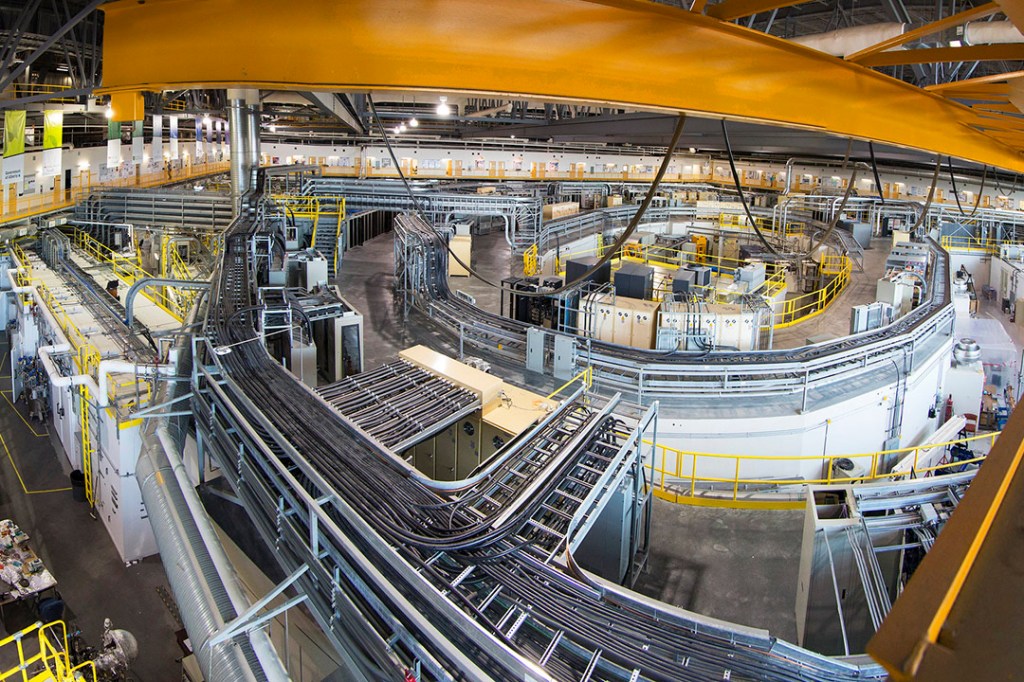
Canada has been instrumental in advancing single-crystal battery technology, with significant contributions from its academic institutions and research facilities. Researchers at Dalhousie University in Halifax have conducted extensive studies on single-crystal lithium-ion batteries. Utilizing the Canadian Light Source (CLS) at the University of Saskatchewan—a national synchrotron light source facility—they analyzed a single-crystal electrode battery that underwent continuous charging and discharging for over six years. Their findings revealed that this battery endured more than 20,000 cycles before reaching 80% capacity, equating to an impressive lifespan of approximately eight million kilometers in driving terms.  This research underscores Canada’s pivotal role in developing durable and efficient battery technologies that could significantly enhance the lifecycle of electric vehicles.

Single-crystal batteries offer promising improvements in durability, performance, and safety for electric vehicles. Their widespread adoption could lead to longer-lasting EVs, reduced maintenance costs, and increased consumer confidence in electric mobility.

Securing the Future of Freshwater

This is the first in a series of articles on freshwater—our most essential and increasingly fragile resource. Potable water is the foundation of any thriving community, yet it faces mounting threats from rising demand, population growth, mismanagement, and climate change. Water scarcity is no longer a distant concern; it is a present reality affecting billions worldwide, including regions of the United States. The urgent challenge is to adopt sustainable practices and modern infrastructure to ensure long-term water security.

The widening gap between supply and demand is at the heart of the global water crisis. Expanding urban populations and agriculture—by far the largest consumer of freshwater—are pushing resources to their limits. This strain is worsened by inefficiencies such as outdated irrigation techniques and aging, leaky infrastructure that wastes millions of gallons daily. Industrial and domestic waste further degrade freshwater sources, as pollutants like heavy metals, pesticides, hydrocarbons, and microplastics seep into rivers and lakes, transforming them from lifelines into health hazards.

Groundwater depletion is an equally pressing concern. Aquifers, the vast underground reserves that sustain millions, are being extracted at unsustainable rates, often faster than they can naturally recharge. In many regions, these reserves are the sole source of drinking water, making their preservation critical. Overpumping leads to land subsidence, ecosystem damage, and in coastal areas, saltwater intrusion, rendering once-pure water undrinkable. Without intervention, many communities risk losing their most reliable water source.

Climate change amplifies these threats. Shifting precipitation patterns disrupt the natural replenishment of freshwater supplies, while glacier retreat and prolonged droughts further reduce available water. The consequences are most severe in arid and semi-arid regions, where communities already struggle with limited access to clean water. Extreme weather events, such as hurricanes and floods, can also overwhelm infrastructure, contaminating water supplies with pollutants and pathogens.

Addressing these challenges requires a fundamental shift in water management. Advanced technologies such as drip irrigation, wastewater recycling, and desalination offer viable solutions to improve efficiency and expand supply. Equally important is public engagement—education and incentives can promote conservation at the household and community levels. Governments, industries, and local communities must work together to develop policies that prioritize equitable water distribution, pollution control, and long-term sustainability.

Freshwater is our most valuable natural resource, yet it is treated as an afterthought. Without immediate action, shortages will become more frequent and severe, threatening food production, public health, and economic stability. In the coming articles, we will explore the key dimensions of this crisis in greater depth, examining solutions that can secure a sustainable water future.

A Tale of Two Resource Economies: Alberta vs. Norway 

When it comes to managing the wealth derived from oil and gas, two regions stand out for their contrasting approaches: Norway (pop. 5.5million) and Alberta (pop. 4.9million). Both have harnessed their natural resources for economic growth, yet their strategies for licensing and managing these resources couldn’t be more different. The way each has handled its wealth offers key lessons in resource management, long-term planning, and the risks of relying too heavily on finite resources.

Norway: A Model of Prudence and Vision
Norway’s approach to managing its oil wealth is often hailed as a textbook example of responsible governance. Since the discovery of significant offshore oil reserves in the 1960s, Norway has been careful in extracting and managing its resources. Central to its success is the Government Pension Fund Global (GPFG), established in 1990 to invest surplus oil revenues for future generations. The Norwegian government adopted the principle of saving the vast majority of oil revenues, putting them into a sovereign wealth fund, which today is worth over $1.5 trillion USD.

But the key to Norway’s success is not just the size of its fund—it’s the disciplined, long-term vision that drives its policy. The fund is managed independently of the national budget, with only around 3% of its value being used each year to support government spending. The idea is to use oil wealth as a means to stabilize the economy, particularly during times of volatility in oil prices, while preserving it for future generations. The fund is diversified across global markets, ranging from equities and bonds to real estate, and is governed by a strict set of ethical guidelines that ensure investments align with environmental and social responsibility.

What stands out most about Norway’s resource licensing is its careful approach to development. The government has been strategic in its licensing policies, issuing permits in a way that balances long-term sustainability with economic growth. By managing resource extraction with an eye on long-term returns, Norway has avoided the so-called resource curse, a phenomenon that has plagued other oil-rich nations.

Alberta: A Cautionary Tale
Alberta, on the other hand, has taken a much less consistent approach to its oil and gas revenues. Since the 1970s, Alberta has been a major player in the global energy market, thanks to its vast reserves of oil sands. The province established the Heritage Savings Trust Fund in 1976, with the goal of saving a portion of its oil wealth for future generations. However, Alberta’s approach to managing this fund has been less disciplined than Norway’s.

The fund, now valued at around $19 billion CAD, has seen inconsistent contributions and, more often than not, withdrawals to cover the province’s operating expenses. This lack of long-term planning has led to missed opportunities for growth. When oil prices have been high, Alberta has relied heavily on resource revenue to fund public services, rather than investing for the future. This short-term approach has left the province vulnerable to the fluctuations in oil prices, with little in the way of a financial cushion to soften the blow during downturns.

Alberta’s resource licensing policies have also been marked by political expediency. The province has often prioritized immediate economic growth over long-term sustainability, leading to environmental concerns and a boom-bust economic cycle. Unlike Norway, which has been cautious in licensing new projects, Alberta has pushed forward with aggressive development, particularly in its oil sands sector. While this has spurred economic activity, it has also raised questions about the environmental costs and the wisdom of rapid, large-scale extraction.

Key Takeaways
The differences between Alberta and Norway are stark. Norway’s long-term vision, driven by a carefully managed sovereign wealth fund, stands in sharp contrast to Alberta’s more reactive, short-term approach. While both have abundant natural resources, it is Norway’s commitment to future generations, disciplined fund management, and cautious resource licensing that has helped it build a sustainable economic model. Alberta, in contrast, offers a cautionary tale of how reliance on resource wealth without long-term planning can leave a province exposed to the volatility of the global energy market.

As the world’s energy landscape continues to evolve, Alberta would do well to study Norway’s example—not just in terms of saving oil wealth but also in fostering a more sustainable approach to resource extraction and development. The future of resource economies will depend on the choices made today.

Hydrogen Vehicles will Win the Day in Canada

While Electric Vehicles (EVs) are currently leading in urban and passenger markets for green energy cars, hydrogen is going to be the future in heavy-duty transport and regions, like Canada, where cold weather, and long distances make battery limitations more apparent.  Government policies and subsidies in Canada, in an effort to address climate change, have prioritized EV adoption, yet there are already rumblings that Canada’s aging electrical distribution grid does not have the capacity to support a growing population of EVs. 

Hydrogen Fuel Cell Vehicles (FCEVs) perform well in cold climates, as their energy systems are not as affected by extreme temperatures. Unlike EV batteries, which lose efficiency and range in sub-zero conditions, FCEVs maintain consistent performance. Hydrogen vehicles can be refueled in minutes, similar to gasoline cars, making them more convenient than EVs, which can take hours to charge, especially at home.

Hydrogen refueling stations could be strategically placed along highways, eliminating the need for dense urban networks that EVs require, which use highly valued real estate. Perhaps this is an opportunity for the traditional gas station chains, especially if future vehicles use the hydrogen portable cartridges or onboard tanks currently being tested. As of today, there are very few such stations in Canada compared to the expanding EV charging network, but this might quickly change as commercially available vehicles enter the market.  

It’s clear that industry believes that there is a growing market for FCEVs. Toyota, Hyundai and Honda all have commercially available hydrogen-fuelled cars, while BMW, General Motors, and Land Rover are test piloting such vehicles. Other specialist manufacturers including Nikola and Riversimple are focused on the logistics and freight sectors. 

Currently, producing green hydrogen (from renewable energy) is expensive, and most hydrogen today is derived from fossil fuels, reducing its environmental benefit, yet as the market grows, the cost of green hydrogen will decrease. 

The future of FCEVs looks promising as advancements in hydrogen fuel cell technology, infrastructure, and manufacturing continue to evolve. With global commitments to reduce carbon emissions, FCEVs offer a clean and efficient solution for both personal and commercial transportation, especially for long-range and heavy-duty applications. 

As governments and industries collaborate to overcome these challenges, FCEVs are poised to play a significant role in the transition to sustainable mobility.

Finally, I do wonder if anyone is looking at the issue of water, which is the only waste product of FCEVs, pouring onto our winter roads?