Ottawa’s Quiet Revolution: The 15-Minute City and the Rise of Local Commerce on Residential Lots

The City of Ottawa is in the midst of a bold, transformative journey; one that’s reshaping how we live, move, and connect. It’s called the “15-minute neighbourhood,” a simple idea with radical potential.  What if everything you need; groceries, a decent cup of coffee, childcare, your barber, a pharmacy, were just a short walk from your front door? No car required. No long bus rides, just a neighbourhood that works for you.

Ottawa’s New Official Plan, approved in 2021, plants the seeds for this future. At its heart is a commitment to building inclusive, sustainable, and healthy communities. The plan explicitly prioritizes 15-minute neighbourhoods across urban areas, and even pushes for better access to local services in suburban and rural villages. That’s right, this isn’t just a downtown pipe dream. This is city-wide policy.

What’s especially exciting is the quiet, determined push to overhaul the zoning rules that have long governed what can (and can’t) exist in our neighbourhoods. The city is in the thick of writing a new Zoning By-law, and the early drafts reveal a big shift. Residents may soon be able to host small-scale businesses on their own properties. Imagine that, a ground-floor bakery under your neighbour’s apartment, a tiny yoga studio two blocks over, a tailor or vintage shop tucked into a backyard laneway suite. This is no longer just theoretical, it’s in the works.

Ottawa planners are calling these new “Neighbourhood Zones,” and they reflect a sea change in how we think about land use. Rather than rigidly separating residential, commercial, and institutional uses, the city is beginning to embrace a more flexible, mixed-use vision; one that makes space for life to happen more organically. And yes, that means you might be able to open that little business you’ve always dreamed of, without needing to rent expensive storefront space on a commercial strip.

It’s not all roses yet. The first draft of the new by-law has been published, and city staff are collecting public feedback. A second draft is expected in spring 2025, with final council approval tentatively set for fall of the same year. Until then, existing zoning remains in place, but if the final version holds true to its promise, we’ll see the biggest zoning reform Ottawa has seen in decades.

Of course, this kind of change raises questions. Will small businesses in residential zones create noise or traffic? How will parking be handled? Will local character be preserved or diluted? These are fair concerns—and ones the city must address carefully. But the potential benefits are enormous: stronger local economies, reduced car dependency, and vibrant, human-scaled communities.

My regular readers will know that I am a supporter of the 15-minute community. I grew up in NE England where nearly everything we needed on a daily basis was within a 15 min walk, and so I am happy to see that for Ottawa this isn’t just a slogan here, it’s becoming real. And if we get this zoning update right, we may just find ourselves living in a more neighbourly, resilient, and walkable city than we ever imagined.

Ontario’s Healthcare Evolution: From Health Links to Ontario Health Teams

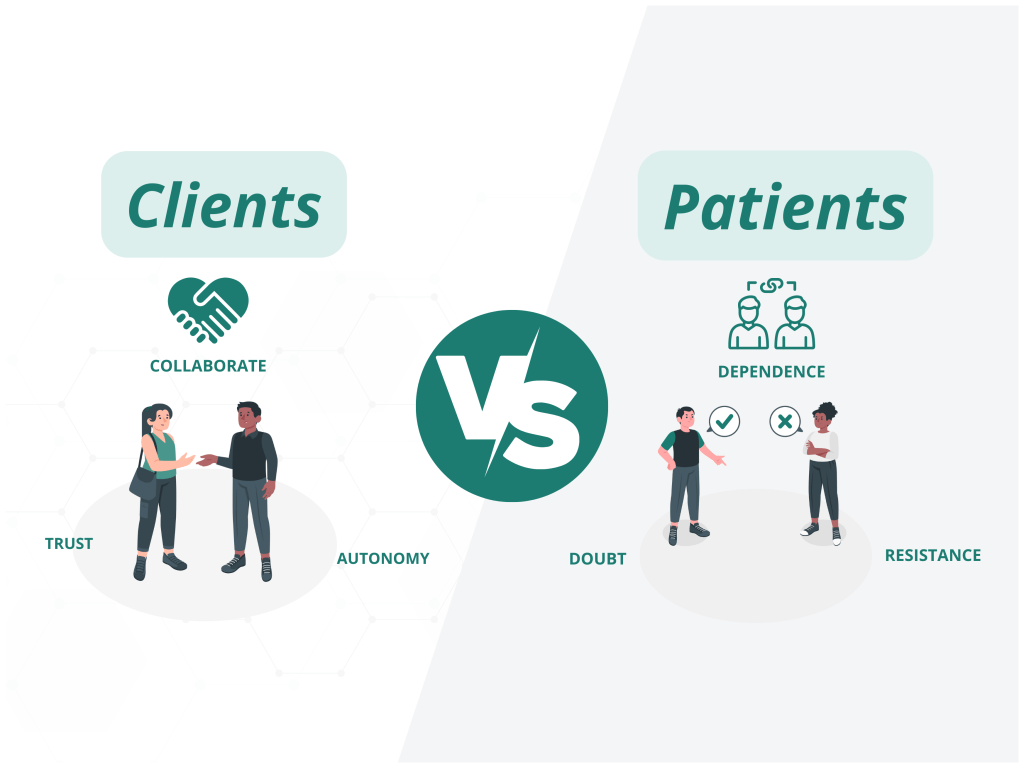
Over the past decade, Ontario’s healthcare system has undergone a quiet, but profound transformation, one that started with a promising pilot, and has grown into a full-scale shift in how care is coordinated and delivered. For those of us watching the system evolve, it’s been a journey from Health Links to Ontario Health Teams (OHTs), with important lessons, growing pains, and renewed hope for more client-centered care.

Back in 2012, the province launched Health Links, a program designed to tackle one of our most pressing challenges: the care of patients with complex, multiple health conditions. These individuals, often seniors, frequently moved between hospitals, doctors’ offices, and community services, repeating their stories at every turn. Health Links aimed to change that by bringing local healthcare providers together to create a single, coordinated care plan for each patient. As part of this program, I co-chaired a Champlain Local Health Integration Network (LHIN) client committee for the region from Arnprior – Ottawa West & South – North Grenville, and we produced a number of strategic presentations, and patient-focused papers that were used to help transform healthcare delivery.  

The Health Links mandate was clear; improve the quality of care, reduce unnecessary hospital use, and make the system more efficient. It worked, at least in part. Coordinated Care Plans (CCPs) helped reduce emergency room visits and made transitions between care settings smoother. Patients reported feeling more supported, and providers began to see the value of collaboration, but as the program grew, so did its limitations. Implementation varied across regions, digital systems didn’t always connect, and Health Links lacked the scale or structure to truly transform the system.

The lessons from Health Links laid the foundation for something bigger. In 2019, Ontario began rolling out Ontario Health Teams, a bold reimagining of how care is delivered. OHTs bring together hospitals, family doctors, long-term care homes, mental health agencies, and other providers under one umbrella. They share budgets, goals, and responsibility for the health of their local populations, and they aim to do what Health Links started, only broader and more sustainably.

As of April 2025, there are 58 OHTs operating across Ontario, each tailored to the needs of its community. Their vision is simple, but ambitious; to offer fully integrated care, where patients don’t fall through the cracks, don’t have to chase paperwork, and don’t have to navigate a fragmented system alone.

Where does Home and Community Care Support Services (HCCSS) fit into all this? As the LHINs were dismantled, their care coordination functions transitioned to HCCSS, which continues to support patients, especially seniors, at home or after hospital discharge. For many, the face of home care hasn’t changed much, and that’s a good thing, as continuity matters.

For Ontarians, especially older adults or those caring for aging loved ones, these changes hold real promise. If your parent is discharged from hospital with a coordinated plan, supported by a team that talks to each other, that’s the system working. If you no longer have to explain your health history to five different providers, that’s integration in action.

Of course, not every region is there yet. Some OHTs are more advanced, some systems still don’t share data well, and some patients are still lost in the shuffle, but the trajectory is promising, and the intent is clear; a more connected, compassionate healthcare experience for everyone.

Ontario has moved from a patchwork of pilot projects, such as the one I was involved with, to a province-wide commitment to collaboration. As we look ahead, the hope is that we not only build on these reforms,but also hold the system accountable to the values that started it all; access, dignity, and care that truly wraps around the patient.

Your Anti-Vax Opinion Is a Public Health Threat

It’s astonishing, and frankly infuriating, that in 2025 we’re still arguing about the value of the measles vaccine. The data is clear, the science is airtight, and yet somehow, vaccine hesitancy continues to chip away at public health. Let me be blunt: the risk of a vaccine like the MMR is vanishingly small compared to the catastrophic potential of a disease like measles. And if you don’t believe that, then you’re either ignoring the data or falling for misinformation. Either way, lives are at risk.

Measles isn’t just a “harmless childhood illness.” That’s a dangerous myth. Measles is one of the most contagious viruses we know, spread through the air, able to linger for hours, and capable of infecting up to 90% of unvaccinated people exposed to it. In well-resourced countries, about 1 or 2 out of every 1,000 children who get measles will die. That’s not a rounding error. That’s a funeral. And it gets worse in poorer regions where malnutrition and limited healthcare access make mortality rates even higher.

And for the kids who survive? About 1 in 20 ends up with pneumonia, 1 in 10 gets a potentially permanent ear infection, and roughly 1 in 1,000 develops encephalitis, a dangerous brain swelling that can cause lifelong disability. Years later, a rare but fatal condition called SSPE can develop from a childhood measles infection, slowly destroying the brain. No cure. No mercy.

Now contrast that with the MMR vaccine. It has been used globally for decades, and it works. Two doses give you about 97% protection. Most people have no side effects at all. At worst, maybe a fever or a mild rash. Some kids, about 1 in 3,000 to 4,000, might experience a febrile seizure, which is scary for parents, but causes no long-term harm. And the odds of a life-threatening allergic reaction? Less than one in a million. In other words, you’re more likely to be struck by lightning. Twice! 

And we’ve seen what happens when vaccine coverage drops. Samoa in 2019 is a tragic case study. After a decline in vaccine confidence, a measles outbreak swept the islands. Eighty-three people died, mostly young children. In Europe that same year, measles cases exploded. More than 82,000 in the WHO European Region, and 72 people dead. In the U.S., the 2019 outbreak saw over 1,200 cases, largely among unvaccinated individuals, threatening the country’s measles elimination status. This isn’t theoretical. This isn’t debatable. It’s what happens when people stop vaccinating.

It’s no surprise that the World Health Organization named vaccine hesitancy one of the top ten global health threats. And it should be, because when you refuse a vaccine, you’re not just making a decision for yourself, you’re putting babies, cancer patients, and immunocompromised people at risk. You’re weakening herd immunity, which is the only thing standing between them and a virus that doesn’t care about your opinions or your YouTube rabbit holes.

Let’s stop sugarcoating it. Vaccines are safe. Measles is deadly. Choosing not to vaccinate isn’t a personal health decision, it’s a public health threat. We’re not debating anymore. We’re fighting ignorance with facts, and if that offends you, maybe it should.

Canadian Communities Need Rural, Northern and Remote ERs 

I get somewhat peeved when I hear urban communities, politicians and healthcare administrators claim that we can’t afford to continue maintaining small hospitals, and especially their ERs.  They talk about cost benefits analysis and staffing shortages, but seem to totally lose sight of the big picture 

Canadian policy concerning equal access to public programs and services is guided by the Canadian Charter of Rights and Freedoms,  and a variety of federal and provincial legislation, including the Canada Health Act (1984) that establishes the principles of universality, accessibility, comprehensiveness, portability, and public administration in Canada’s healthcare system. It ensures that all Canadians have access to medically necessary healthcare services without financial or geographic barriers.

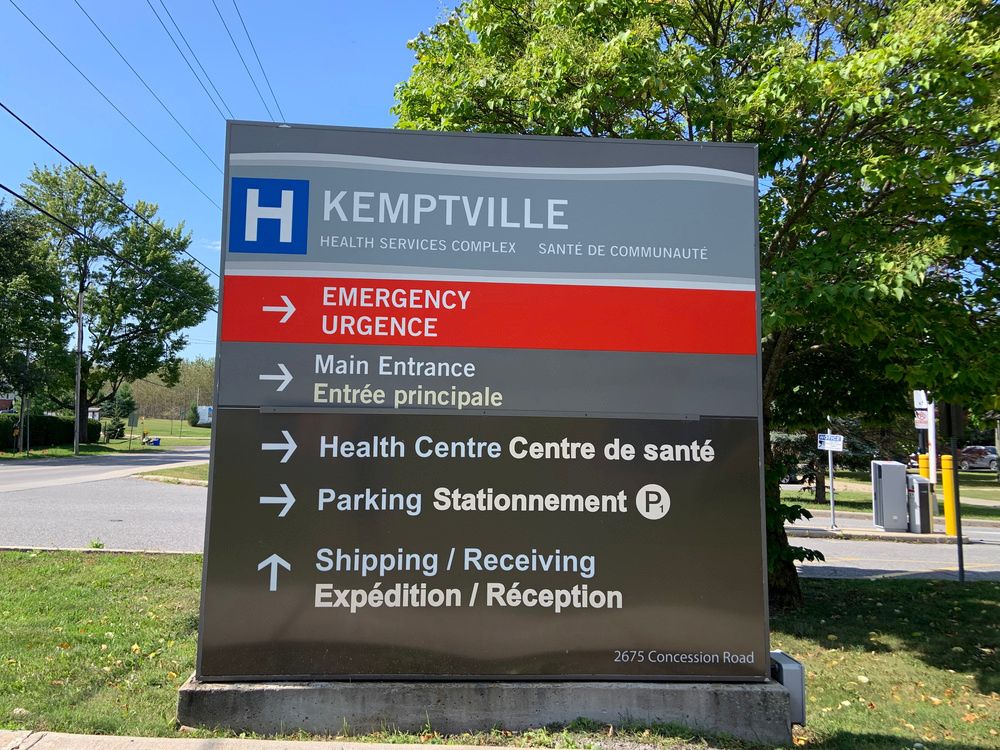
Emergency rooms (ERs) are a cornerstone of healthcare, providing critical, life-saving services during medical emergencies. While it may not be feasible to establish ERs in every small or remote community across Canada, prioritizing the integration and maintenance of ERs into communities with existing hospitals or sizeable healthcare clinics is essential. This approach balances the need for equitable healthcare access with resource availability. Ensuring consistent funding for ERs in such communities is crucial for delivering timely care, improving health outcomes, and supporting Canada’s universal healthcare system.

Communities with hospitals or sizeable healthcare clinics are often regional hubs that serve a broad population, including nearby rural areas. In medical emergencies, such as heart attacks, strokes, severe trauma, or childbirth complications, the existence of a local ER within these hubs can save lives by reducing travel times. Adding or maintaining ERs in communities with established healthcare infrastructure leverages existing facilities, ensuring efficient delivery of critical care without duplicating resources.

Canada’s healthcare system is founded on the principle of accessibility, but disparities persist, particularly in rural and remote areas. Prioritizing ERs in communities with hospitals or large clinics addresses these disparities by creating centralized points of care for surrounding regions. These hubs reduce the healthcare gap between urban and non-urban areas, especially for Indigenous populations and remote communities that rely on regional hospitals for services. Without an ER in these hubs, residents may face long travel distances to urban centers, delaying care and exacerbating health inequities.

ERs in communities with hospitals or large clinics enhance the overall effectiveness of regional healthcare systems. They act as critical entry points for patients who may require stabilization before being transferred to specialized facilities in larger cities. These ERs relieve pressure on urban hospitals by managing emergencies locally and prevent rural patients from overwhelming urban systems. This distributed model ensures more balanced resource utilization across the healthcare system.

Regional hubs with hospitals or large clinics often serve as economic and social anchors for their areas. A functioning ER not only ensures access to life-saving care but also supports community resilience by attracting families, workers, and businesses. Industries such as agriculture, forestry, and resource extraction—frequently located in rural areas—depend on access to emergency services to manage workplace risks and protect employees. Communities without ERs face difficulties retaining residents and businesses, weakening their long-term viability.

Expanding ER services in communities with existing healthcare infrastructure is a cost-effective approach to improving healthcare access. These communities already have trained healthcare professionals, medical equipment, and transportation networks, reducing the need for significant new investments. Furthermore, timely treatment at regional ERs reduces the severity of medical conditions, preventing costly hospitalizations or long-term care. In this way, proactive funding for ERs generates long-term savings for the healthcare system.

Critics may argue that staffing and resource constraints make it difficult to sustain ERs in smaller hubs. However, innovative solutions such as telemedicine, rotating staff from urban centers, and offering incentives for healthcare professionals to work in underserved areas can mitigate these challenges. Federal and provincial governments must collaborate to allocate funds strategically, ensuring ER services are available in communities where they are most needed.

While it may not be feasible to establish ERs in every community across Canada, ensuring that all communities with hospitals or sizeable healthcare clinics have access to ER services is essential. These hubs serve as vital lifelines for surrounding populations, providing timely care, reducing healthcare disparities, and supporting the broader healthcare system. Federal and provincial governments must prioritize funding for ERs in these communities to uphold Canada’s commitment to equitable and accessible healthcare. In doing so, Canada can ensure that the promise of universal healthcare is realized where it is most urgently needed.

The Social and Financial Case Supporting Independent Community Hospices

When it comes to end-of-life care, the importance of community hospices cannot be overstated. These facilities offer patient-centered care that prioritizes comfort, dignity, and the autonomy of individuals nearing the end of life. Historically, religious and hospital-affiliated hospices have played significant roles in providing this care. However, these institutions often come with ideological or institutional restrictions that can limit patients’ options, especially for those seeking Medical Assistance in Dying (MAID). Independent community hospices fill this crucial gap, offering inclusive, secular, and comprehensive services that respect the diverse needs and choices of patients.

The growing divide between hospitals and hospices highlights the critical role that independent hospices play in our healthcare system. While hospitals are designed to handle acute medical needs, they are often ill-equipped to provide the holistic, compassionate care that terminal patients require. This mismatch puts a strain on both the hospital system and patients. When hospices are underfunded or unavailable, hospitals become overburdened, diverting resources from acute care and struggling to meet the specialized needs of terminally ill patients. Independent community hospices help alleviate this burden by providing dedicated, specialized care for end-of-life patients, allowing hospitals to focus on their primary mission of acute care.

A key issue that continues to hinder hospice care is funding. In Ontario, the cost of operating a hospice bed is far less than that of a critical care hospital bed, reflecting the differences in care intensity and resource demands. The daily cost of a hospice bed ranges from $439 to $628, a price that is subsidized through community donations, as government funding typically covers only 60% of expenses. This is a stark contrast to the significantly higher costs of hospital care. For instance, an ICU bed in Canada averages around $3,500 per day, while the cost of a general hospital ward ranges from $850 to $1,100 per day. This significant financial disparity underscores the cost-effectiveness of hospice care, which offers a more home-like environment at a fraction of the expense associated with hospital-based critical care.

In Ontario, many palliative care patients still die in hospitals, with over 52% of deaths occurring in hospital settings in 2017/18. The average length of stay for palliative patients in these settings is around 13.5 days. If a significant portion of these patients were transitioned to independent hospices, the potential cost savings could be substantial – reaching millions of dollars annually. This not only speaks to the financial efficiency of hospices, but also to the human side of the equation: patients would have the opportunity to spend their final days in a setting that better aligns with their personal values and comfort.

Another compelling reason to support independent hospices is their commitment to inclusivity. Religious-affiliated facilities, while providing valuable care, may impose beliefs that do not align with all patients’ values, potentially alienating those from different backgrounds. Independent hospices, however, embrace Canada’s rich cultural and spiritual diversity, ensuring that all patients receive care that is free of judgment and tailored to their personal wishes. For rural and underserved populations, these hospices help reduce barriers to access, ensuring that equitable care is available to those who may otherwise face challenges in receiving it due to geographic or institutional constraints.

The case for investing in independent community hospices is both an economic and moral imperative. Not only do these facilities provide compassionate, patient-centered care, but they also offer a more affordable alternative to hospital-based care, ease the strain on hospitals, and ensure that patients’ right to choose is respected. It is essential for both governments and communities to prioritize the development and funding of independent hospices, ensuring that end-of-life care remains dignified, accessible, and inclusive for all Canadians.

Assigning Ontarians a Primary Healthcare Provider is a Win-Win

When writing my blog posts, I don’t normally take on a single person’s point of view, rather I do my research, and integrate it with my own thoughts, laying out a structured argument. In this case, I however I find myself significantly aligned with an experienced, medical academic, and politician. 

Dr. Jane Philpott, Dean of Medicine at Queen’s University, and a former federal Minister of Health, has been an advocate for innovative solutions to improve healthcare accessibility and continuity. Her thinking aligns well with the concept of automatically assigning primary care providers, as she has highlighted the urgent need for systemic reforms to address Canada’s primary care shortages and patient access issues. Just as the system automatically assigns schools for our kids when we move, or as they age, we need to assign a primary care provider to each family member. Dr. Philpott has emphasized the critical role of primary care in managing population health and preventing unnecessary use of emergency services, noting that consistent access to primary healthcare can significantly reduce healthcare costs and improve outcomes across communities.

Philpott has been vocal about the necessity of rethinking how healthcare services are delivered and organized, especially given the increasing number of Ontarians without a primary care physician. She has stressed that to meet rising demands, Canada needs to adopt more accessible, team-based approaches and integrate technology more effectively to bridge gaps in care. An automatic assignment system could serve as an important structural change to support the patient-centred and accessible healthcare system she envisions. For instance, automatic assignment, combined with integrated electronic health records, could streamline access to primary care by matching patients with physicians who can access their medical histories immediately.

Philpott’s support for interprofessional healthcare teams also enhances the feasibility of an automatic assignment model. She has argued that Ontario should move away from the traditional, individual-doctor model towards team-based care where primary physicians work in collaboration with nurse practitioners, physician assistants, and mental health professionals. Such teams could accommodate the additional patient load an assignment system might create, ensuring new residents receive timely and comprehensive care.

Dr. Philpott’s insights underscore that for Ontario to effectively manage an automatic assignment system, the government would need to address physician shortages and create incentives for healthcare professionals to practice in underserved areas. This, paired with increased support for virtual healthcare, could mitigate the challenges posed by Ontario’s geographic diversity and high urban-rural patient disparity. Embracing such reforms, as Philpott suggests, would reflect a proactive step toward equitable healthcare access in Ontario and a sustainable solution to the primary care crisis.

Sources:
CBC News, (2023). “Canada’s Family Doctor Shortage: How Did We Get Here?”
Queen’s University, (2022). “Rethinking Primary Care: Team-Based Solutions for Canada’s Health System,” Philpott, Jane.
CMAJ, (2022). “The Role of Primary Care in Canada’s Health System,” Thorpe, Kevin.