Made in Canada: Leveraging Transparency to Strengthen and Grow the Economy

As a business consultant, I spent nearly two years managing the Canadian multi-livestock traceability project office in response to the BSE “mad cow” outbreak. Later, I became the first General Manager of the Canadian Livestock Identification Agency, helping to expand this approach nationally, and then with the aid of federal funding, pushed into Latin America,. What became clear was the transformative power of full value chain traceability. It not only opens doors to new markets, but also helps countries differentiate their products, and navigate technical and political trade barriers like tariffs.

For Canadian retailers and manufacturers, U.S. tariffs have long created challenges—raising costs, shrinking margins, and destabilizing cross-border trade. But technology offers a way to turn these obstacles into opportunities. Imagine a system where every Canadian product carries a scannable code revealing its value chain, from sourcing to production and even its environmental footprint. This transparency wouldn’t just empower consumers—it would give Canadian products a competitive edge by showcasing their quality, sustainability, and tariff-free origins.

Traceability technology, backed by blockchain, makes this vision possible. By assigning every product a unique QR code or barcode, manufacturers could provide consumers with instant access to detailed information. A quick scan might show that a product was made in Canada, outline ethical practices in its supply chain, and even display its carbon footprint. Such transparency doesn’t just satisfy curiosity—it allows consumers to align purchases with their values, all while supporting the Canadian economy.
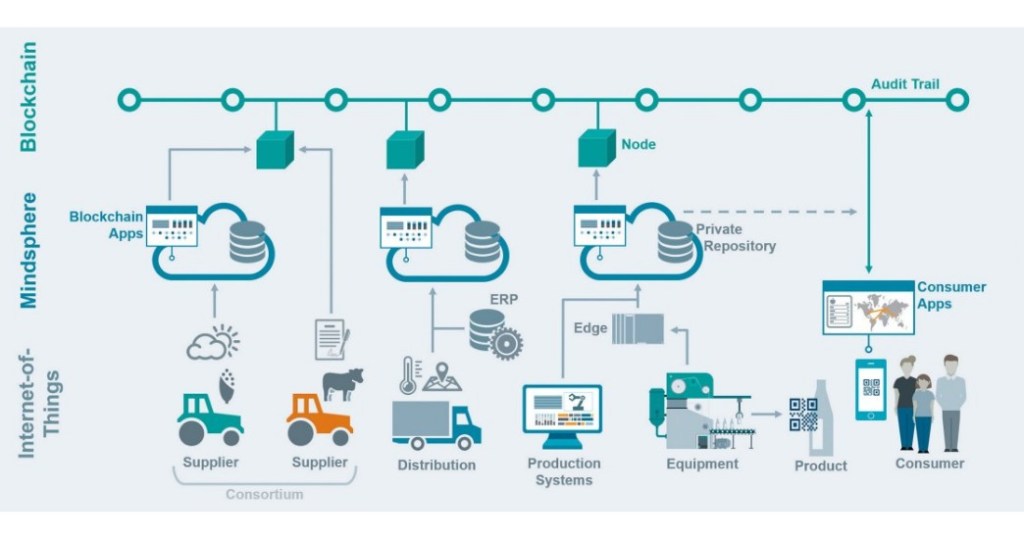
Blockchain adds an essential layer of trust to this system. Unlike traditional databases, blockchain technology is inherently secure, creating an unchangeable record of every step in a product’s journey. From raw materials in British Columbia to manufacturing in Ontario, each stage is logged and verified. In an age where consumers demand proof of sustainability and ethical practices, blockchain offers the credibility that builds trust and eliminates doubt.

For shoppers, the benefits of this system are clear. It provides a powerful tool for identifying Canadian-made goods, particularly in tariff-sensitive sectors like food, textiles, and electronics. When trade restrictions drive prices higher, consumers could actively choose local, tariff-free products, keeping money in Canada while avoiding inflated costs. Retailers, in turn, could spotlight these products as premium, ethical choices, differentiating them from imports.

From a business perspective, adopting traceability technology is more than a tool for compliance—it’s a way to build brand loyalty. Shoppers are more likely to trust and return to brands that are transparent about their supply chains. Companies investing in traceability could also attract eco-conscious and ethically driven consumers, both domestically and internationally, creating new opportunities to expand market share.

This technology is real today, and ready to use. Japan has been a pioneer in retail traceability, leveraging advanced technology to ensure transparency and quality in its supply chains. From QR codes on produce that detail farm origins to blockchain systems tracking seafood to combat fraud, Japan’s focus on traceability reflects its commitment to consumer trust, food safety, and sustainable practices.

The Canadian government has a role to play in fostering this transformation. Policymakers could accelerate adoption through regulations requiring supply chain transparency, and by offering tax incentives to early adopters. Public campaigns could educate consumers about the benefits of traceability, while certification programs could establish recognizable “Made in Canada” labels, further encouraging local pride and support.

While small businesses may face challenges in adopting this technology, such as costs and competition concerns, these barriers can be addressed through subsidies, partnerships, and thoughtful frameworks. By striking a balance between transparency and proprietary protections, Canada can ensure accessibility while preserving competitive advantages.
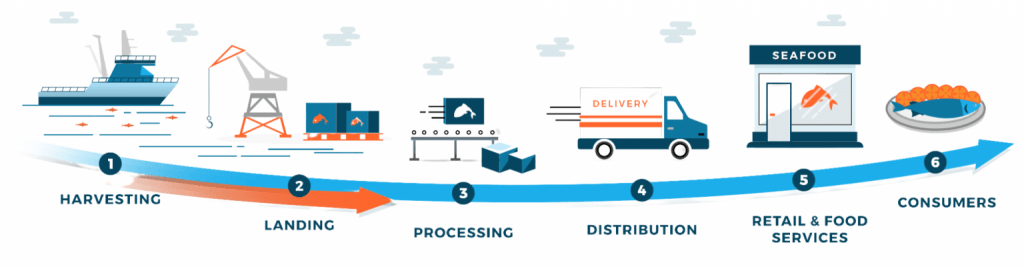
This system isn’t just about tariffs—it’s about redefining how Canadians shop and consume. Traceability technology positions Canada as a leader in ethical, sustainable retail practices. It empowers consumers with unprecedented insight into the products they buy, while strengthening the economy through local innovation and production.

Ultimately, this approach reinforces what makes Canadian products stand out. Whether it’s sustainability, fair labor practices, or national pride, traceability ensures that “Made in Canada” is more than just a label—it’s a commitment to quality, transparency, and trust.

The Cost of Innovation: How the Ordnance Survey’s 1990s Financial Model Created Competition

When I arrived at Durham University in 1985 to begin my PhD research, I was given an office once occupied by David Rhind, a leading figure in geomatics. Professor Rhind passed away this month at 81, following a distinguished career in geomorphology, geomatics and cartography. Two of his most notable contributions were to the Chorley Committee’s 1987 report on the “Handling of Geographical Information” and his leadership of the Ordnance Survey (OS) as Director General from 1992 to 1998; a position I once aspired to.

In the early 1990s, the UK Ordnance Survey transitioned from offering maps at cost to a commercially-driven model aimed at reducing taxpayer dependence. Spearheaded by Rhind, this shift was intended to generate new revenue streams by charging commercial rates, fostering innovation in the private sector, with this change occurring during John Major’s continuation of Margaret Thatcher’s free-market Conservative government.

On the surface, the strategy seemed a logical response to the digital age, but its impact on the OS’s client relationships raised concerns. A prime example was the UK Automobile Association (AA), which had long relied on OS maps. As the OS raised prices, the AA, caught between increasing costs and the need to maintain affordable services, began developing its own mapping solutions. This shift, prompted by Rhind’s commercial model, mirrored a broader industry trend where rising prices forced organizations to explore alternatives.

The AA’s move away from OS data highlighted a flaw in the OS’s strategy: by prioritizing revenue, the OS alienated loyal clients and opened the door for competitors offering cheaper or more specialized services. This weakened OS’s market dominance and contributed to the rise of private mapping services, eroding its monopoly.

This shift also sparked debate about public ownership of data. Mapping data, funded by taxpayers, had once been made available at cost to ensure equitable access. Rhind’s commercialization, while financially successful, seemed to contradict this principle, favoring revenue over the broader public good.

In hindsight, the transition to a commercial model raised important questions about the long-term sustainability of the OS. While it aimed to modernize the service and ensure financial self-sufficiency, it fragmented the market, driving clients to develop in-house solutions and creating competition. The AA’s departure underscores the risks of prioritizing profit over accessibility.

Today, the OS operates on a mixed-cost model, offering both free OpenData and premium products sold based on usage. This model aims to balance public access with financial sustainability, generating revenue for ongoing data maintenance. However, the legacy of the commercialization strategy persists, and the question remains whether the OS can maintain its mission of serving the public good while ensuring its financial independence. The challenge is finding a balance that doesn’t drive clients away or erode public access.

It’s interesting to note that the U.S. Geological Survey (USGS) continues to distribute a significant amount of its data free to the public including topographical map, earthquake and water data along with Landsat imagery. While the USGS does offer some cost-recovery and subscription-based data sets, the vast majority of its data holdings are still freely available, but I wonder how long this financial model will be in place under the second Trump administration. 

The Ford-Poilievre Equation: Will Ontario’s Voting Patterns Derail Federal Conservative Hopes?

With Doug Ford calling a provincial election for February 27th, 2025, the bigger question is how will this move affect Pierre Poilievre’s federal election ambitions? 

The notion that Ontarians prefer to separate their provincial and federal allegiances stems from an observable—but not universal—trend in Canadian voting patterns. Historically, Ontarians have been seen as pragmatic voters who often prioritize balance in governance, particularly when one party’s policies become too dominant at one level of government. This sentiment can manifest as a counterweight strategy: if a party governs provincially, voters may feel the need to elect a different party federally to avoid over-concentration of power. However, the reality is nuanced, and many factors interplay with this perceived pattern.

Historical Context and Party Dynamics
For much of Canada’s modern political history, Ontario has served as the battleground that determines national election outcomes. Given its population and seat count in the House of Commons, the province holds disproportionate influence over which federal party forms government. Historically, there have been instances when Ontarians demonstrated a preference for contrasting party control. For example:

1995–2003: While Mike Harris and the Ontario Progressive Conservatives implemented the controversial “Common Sense Revolution,” Ontarians repeatedly supported Jean Chrétien’s Liberal Party at the federal level. Voters may have been wary of similar austerity measures being implemented federally.

2003–2018: During the Ontario Liberal Party’s 15-year rule, the federal Liberal Party experienced both opposition and government periods. However, the Stephen Harper years (2006–2015) saw Ontarians lean Conservative federally, even while backing the Liberals provincially—a testament to their selective pragmatism.

Doug Ford and Ontario Politics
Doug Ford’s premiership has been polarizing. His government’s handling of issues like healthcare, education, and pandemic management has garnered both staunch support and fierce criticism. A victory in the upcoming February 27th election would reinforce Ford’s leadership in Ontario and demonstrate voter confidence in his provincial policies. However, his association with the federal Conservative Party—though unofficial—could complicate federal dynamics.

Critics argue that Ford’s policies, including his cuts to social programs and controversial land-use decisions, such as opening portions of the Greenbelt for development, might alienate centrist Ontario voters from Pierre Poilievre’s federal Conservative Party. Many Ontarians may see the potential of a Conservative majority at both levels as a risk to maintaining a balanced political environment, especially if Ford’s policies are seen as misaligned with their values.

Federal Conservatives and Pierre Poilievre
Pierre Poilievre’s leadership of the federal Conservative Party marks a shift toward a more populist, right-wing approach. While this strategy has energized parts of the Conservative base, particularly in Western Canada, it remains uncertain how it will resonate with Ontario’s diverse electorate. The province’s suburban and urban voters, who tend to swing elections, may view a Ford-Poilievre tandem as too ideologically extreme.

If Ontarians re-elect Ford, Poilievre may face an uphill battle convincing the province’s moderate voters that his federal policies differ meaningfully from Ford’s. This could weaken the Conservative Party’s ability to make significant inroads in the 905 region, a critical area surrounding Toronto that often decides federal elections.

Counterarguments and Complexities
While the separation of provincial and federal voting patterns is an observable trend, it is far from absolute. Some commentators argue that shared governance by the same party can actually strengthen voter confidence if the party is performing well. For instance, Doug Ford’s ability to deliver on infrastructure projects, such as highway expansions, may enhance perceptions of Conservative competence, benefiting Poilievre federally. Additionally, the collapse of the Ontario Liberal Party and the challenges faced by the NDP at the provincial level leave limited alternatives for voters disenchanted with Ford.

Voter behavior is increasingly issue-driven rather than party-driven. Federal and provincial elections are often fought on vastly different platforms. Healthcare, education, and municipal matters dominate provincial elections, while federal campaigns focus on national defense, the economy, and foreign policy. Ontarians may see Ford and Poilievre as addressing separate issues, reducing the perceived risk of a Conservative double government.

While there is historical precedent suggesting that Ontarians often prefer different parties at the provincial and federal levels, it would be reductive to assume that Doug Ford’s re-election would automatically weaken the federal Conservative Party’s chances of winning a majority. Ontarians are pragmatic voters who weigh numerous factors beyond party labels. However, should Ford’s government face mounting criticism or become embroiled in scandals, this could cast a shadow on Poilievre’s campaign, particularly among centrist voters. Conversely, if Ford’s policies resonate with Ontarians and his government appears competent, it could bolster the case for a Conservative federal government.

Ultimately, the outcome will hinge on voter perceptions of leadership, policy, and governance at both levels—a dynamic interplay that defies simple predictions.

An Alternative North American Future?

It began in the aftermath of the Trump years – a nation divided, fractured at its very core. The United States, once a symbol of strength and unity, had unraveled under the weight of its own polarization. Years of escalating political infighting, economic instability, and growing regional tensions had pushed the great experiment of American democracy to its breaking point. When the collapse came, it was not with a bang, but with a slow, inevitable unraveling.

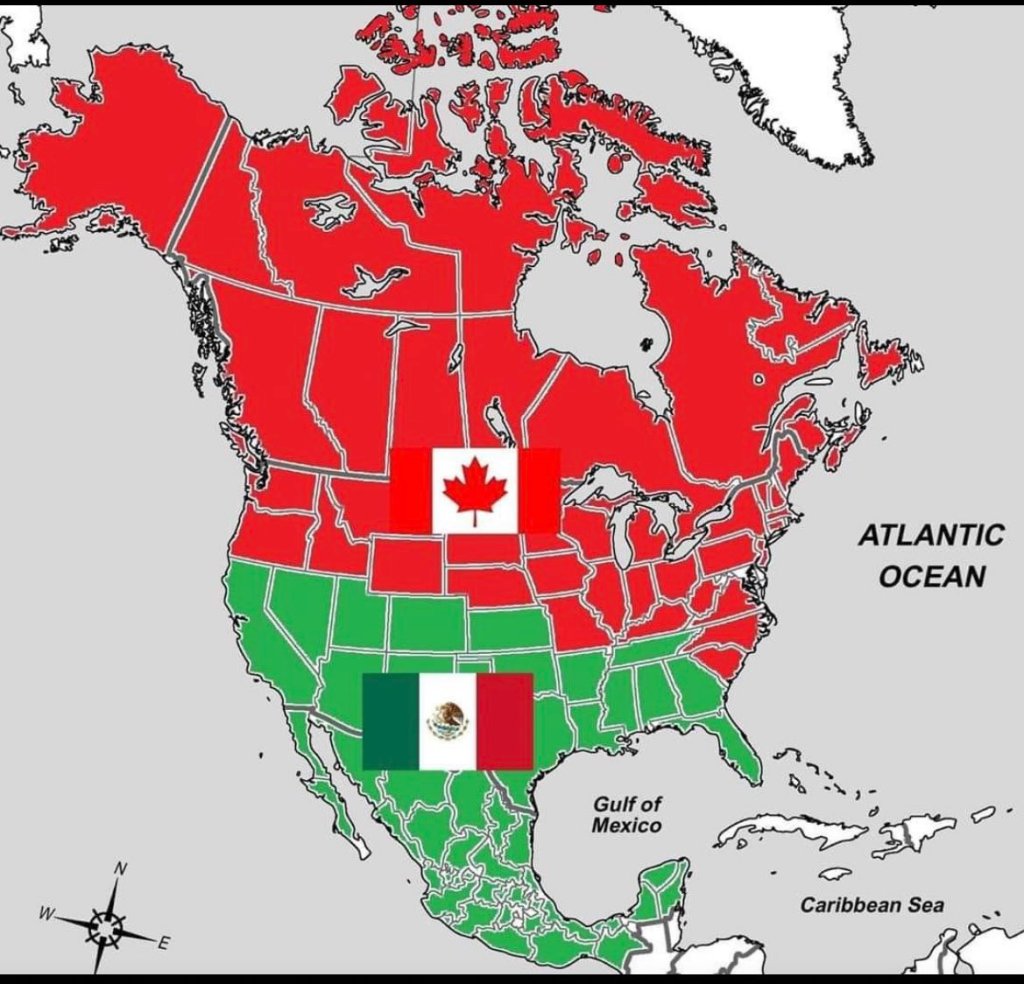
In the early 2030s, the federal government, weakened by years of partisan gridlock and financial crises, failed to contain the growing unrest. States, long at odds over issues of governance, resources, and ideology, began asserting their independence. California, Texas, and other powerful states declared their sovereignty, severing ties with Washington, D.C., and leaving the remnants of the federal government powerless. What was once a union of fifty states dissolved into chaos.

As the world watched in shock, two nations quietly stepped forward: Canada and Mexico. Both had been America’s neighbors and partners, but now, they saw an opportunity, and a necessity, to reshape the continent.

The Canadian Annexation
To the north, Canada extended a cautious but determined hand to the crumbling states along its border. The former states of Michigan, Minnesota, North Dakota, and Montana, facing economic collapse and a bitter winter with no central government to guide them, sought refuge under Ottawa’s governance. Canada, ever pragmatic, offered them integration in exchange for loyalty to its parliamentary system and adoption of its healthcare and social policies.

The Pacific Northwest—Washington, Oregon, and northern California—quickly followed. Their progressive politics and environmental priorities aligned well with Canada’s ethos. Vancouver and Seattle became twin metropolises, and the region flourished under Canadian stewardship. The newly expanded Canada, now stretching as far south as the Sierra Nevada, became an economic powerhouse, blending American innovation with Canadian stability.

Mexico’s Revival
To the south, Mexico reclaimed lands it had lost centuries earlier. Texas, Arizona, New Mexico, and southern California were among the first to fall into its orbit. For these states, heavily influenced by Hispanic culture and history, the transition was both practical and symbolic—a return to roots.

Mexico, long underestimated on the global stage, rose to meet the challenge. The integration of these territories revitalized its economy, spurred technological innovation, and solidified its status as a regional superpower. Cities like Los Angeles and Austin, while retaining their unique identities, became hubs of a new Mexican-led cultural renaissance. Spanish replaced English as the dominant language in much of the region, and Mexico’s influence spread northward.

A Continent Redefined
By the 2040s, the map of North America had been redrawn. Canada and Mexico had divided the former United States almost evenly, with a handful of independent city-states like New York and Chicago remaining as neutral enclaves. The continent was no longer dominated by a single superpower but by two distinct and rising nations, each shaped by the remnants of the United States they had absorbed.

Canada, now stretching from the Arctic to the Rockies and the Great Lakes to the Pacific, became a beacon of progressive governance and environmental stewardship. Mexico, infused with the energy of its newly integrated territories, grew into a vibrant economic and cultural force, bridging Latin America with the former United States.

The world adapted to this new reality. China and the European Union moved to fill the void left by America’s collapse, but Canada and Mexico ensured North America remained a critical player on the global stage. Though the stars and stripes had fallen, the legacy of the United States lived on—in the governments, cultures, and people of its successor states.

And so, the great American experiment ended, not in triumph or tragedy, but in transformation, a testament to the resilience of a continent and the enduring power of reinvention.

Building a Canadian Economy Rooted in SMEs and Innovation

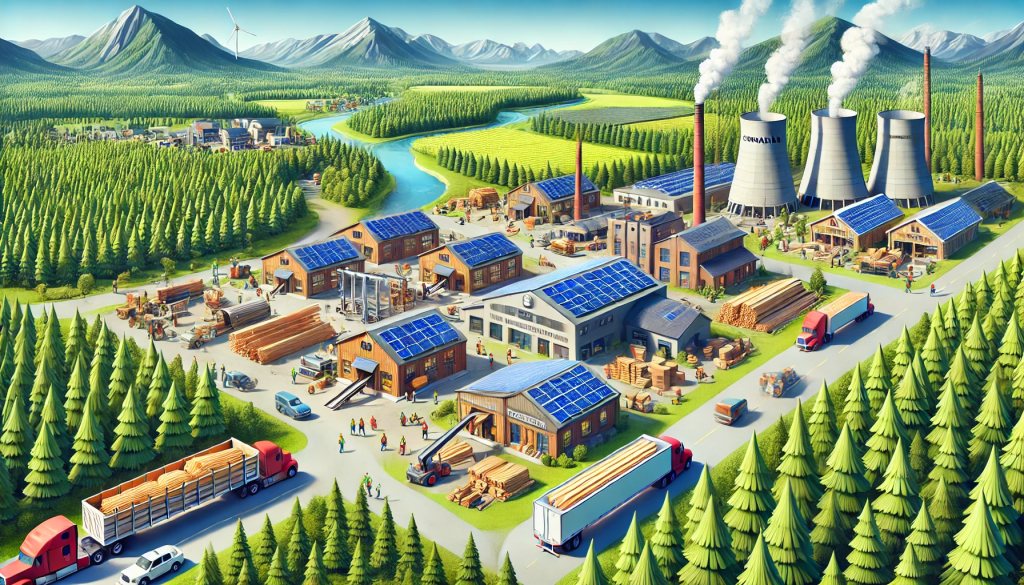
Canada’s economy has long been shaped by the extraction and export of raw commodities, often at the expense of capturing the greater value that comes from refining and manufacturing. While the federal and provincial governments frequently court large corporations to build processing facilities and high-tech manufacturing plants, this approach has significant drawbacks. Large multinationals tend to demand generous tax incentives, subsidies, and regulatory leniency, often draining public resources with little long-term benefit to local communities. A far more sustainable and equitable path lies in empowering Canada’s small and medium enterprises (SMEs) to lead the charge in developing vertical supply chains and producing high-end, value-added goods. This approach mirrors the model used by Germany, where a thriving network of small and medium-sized enterprises, known as the Mittelstand, drives economic growth, innovation, and export strength.

SMEs represent over 98% of all businesses in Canada and employ the majority of the workforce. These businesses are rooted in their local communities, reinvesting profits, fostering innovation, and creating jobs that benefit Canadians directly. Unlike large corporations, which often export profits abroad or automate local jobs, SMEs are more likely to prioritize long-term regional development. By focusing on this segment of the economy, Canada can avoid the pitfalls of corporate dependency while building a resilient, homegrown industrial base. Germany’s success with the Mittelstand has demonstrated that supporting SMEs can produce world-class companies while spreading economic benefits across regions rather than concentrating wealth in a few urban centers.

Supporting SMEs to move into value-added production requires targeted investment in several areas. First and foremost, SMEs need better access to funding. While large corporations negotiate multi-million-dollar subsidy deals with governments, small businesses often struggle to secure financing for research, infrastructure, and expansion. By redirecting public funds toward grants, low-interest loans, and cooperative funding models for SMEs, governments can ensure that public money stays within the Canadian economy. For example, small agricultural businesses could use this funding to process raw grain into plant-based protein products, while forestry SMEs could invest in engineered wood production for global markets. Much like Germany’s regional banks that provide financing tailored to small businesses, Canada could establish financial mechanisms that focus on the unique needs of SMEs.

Collaboration is another area where SMEs can thrive, given the right support. Unlike large corporations, which tend to centralize operations, SMEs naturally form networks of local producers, processors, and distributors. These networks could be further strengthened through government incentives for regional industry clusters. For instance, creating hubs where SMEs collaborate on processing critical minerals, manufacturing advanced materials, or producing green technologies would not only increase efficiency but also ensure that economic benefits are widely distributed. These clusters could also partner with universities and research institutions to develop cutting-edge products and processes, bridging the gap between innovation and commercialization.

A key advantage of SMEs is their ability to adapt quickly to changes in market demand and technology, something large corporations often struggle to do. This makes them ideal candidates for leading Canada’s transition to sustainable and green manufacturing. Many small businesses are already pioneering initiatives such as converting agricultural waste into bioplastics or developing renewable energy technologies. Investing in these efforts not only aligns with Canada’s climate goals but also positions the country as a leader in environmentally conscious production. Large corporations, by contrast, often prioritize short-term profits over sustainability, making them less reliable partners in achieving green economic growth.

Workforce development is also critical to supporting SMEs in building vertical supply chains. While large corporations may import expertise or automate jobs, SMEs are more likely to invest in training local workers. Expanding vocational programs and offering targeted apprenticeship opportunities for small businesses can ensure that Canadian workers have the skills needed for advanced manufacturing and value-added production. This approach would build a skilled workforce that remains tied to local communities, further anchoring economic growth. Again, Germany’s dual education system, which integrates apprenticeships with classroom training, offers a valuable model for Canada to emulate.

Focusing on SMEs allows Canada to build a strong national identity around its products. “Made in Canada” can become synonymous with quality, sustainability, and innovation if the country prioritizes small-scale, high-value production over raw commodity exports. Government branding initiatives and export incentives tailored to SMEs can open global markets for uniquely Canadian goods, from artisanal food products to cutting-edge clean technologies. Large corporations, by contrast, tend to dilute the national brand as they integrate Canadian resources into global supply chains, often leaving little trace of their origins.

Prioritizing SMEs over large corporations is not only a more equitable approach but also a more practical one. It minimizes dependency on multinational firms that can relocate at a moment’s notice and maximizes the long-term benefits of economic activity for Canadians. Germany’s Mittelstand has shown how a strong SME sector can build a resilient economy, drive innovation, and maintain global competitiveness. By adopting a similar model, Canada can transform its resource economy into a diversified, high-value manufacturing powerhouse. This strategy isn’t just about economics—it’s about reclaiming control over Canada’s future and ensuring that the wealth generated by its resources benefits the people who live here.

A Tale of Two Resource Economies: Alberta vs. Norway 

When it comes to managing the wealth derived from oil and gas, two regions stand out for their contrasting approaches: Norway (pop. 5.5million) and Alberta (pop. 4.9million). Both have harnessed their natural resources for economic growth, yet their strategies for licensing and managing these resources couldn’t be more different. The way each has handled its wealth offers key lessons in resource management, long-term planning, and the risks of relying too heavily on finite resources.

Norway: A Model of Prudence and Vision
Norway’s approach to managing its oil wealth is often hailed as a textbook example of responsible governance. Since the discovery of significant offshore oil reserves in the 1960s, Norway has been careful in extracting and managing its resources. Central to its success is the Government Pension Fund Global (GPFG), established in 1990 to invest surplus oil revenues for future generations. The Norwegian government adopted the principle of saving the vast majority of oil revenues, putting them into a sovereign wealth fund, which today is worth over $1.5 trillion USD.

But the key to Norway’s success is not just the size of its fund—it’s the disciplined, long-term vision that drives its policy. The fund is managed independently of the national budget, with only around 3% of its value being used each year to support government spending. The idea is to use oil wealth as a means to stabilize the economy, particularly during times of volatility in oil prices, while preserving it for future generations. The fund is diversified across global markets, ranging from equities and bonds to real estate, and is governed by a strict set of ethical guidelines that ensure investments align with environmental and social responsibility.

What stands out most about Norway’s resource licensing is its careful approach to development. The government has been strategic in its licensing policies, issuing permits in a way that balances long-term sustainability with economic growth. By managing resource extraction with an eye on long-term returns, Norway has avoided the so-called resource curse, a phenomenon that has plagued other oil-rich nations.

Alberta: A Cautionary Tale
Alberta, on the other hand, has taken a much less consistent approach to its oil and gas revenues. Since the 1970s, Alberta has been a major player in the global energy market, thanks to its vast reserves of oil sands. The province established the Heritage Savings Trust Fund in 1976, with the goal of saving a portion of its oil wealth for future generations. However, Alberta’s approach to managing this fund has been less disciplined than Norway’s.

The fund, now valued at around $19 billion CAD, has seen inconsistent contributions and, more often than not, withdrawals to cover the province’s operating expenses. This lack of long-term planning has led to missed opportunities for growth. When oil prices have been high, Alberta has relied heavily on resource revenue to fund public services, rather than investing for the future. This short-term approach has left the province vulnerable to the fluctuations in oil prices, with little in the way of a financial cushion to soften the blow during downturns.

Alberta’s resource licensing policies have also been marked by political expediency. The province has often prioritized immediate economic growth over long-term sustainability, leading to environmental concerns and a boom-bust economic cycle. Unlike Norway, which has been cautious in licensing new projects, Alberta has pushed forward with aggressive development, particularly in its oil sands sector. While this has spurred economic activity, it has also raised questions about the environmental costs and the wisdom of rapid, large-scale extraction.

Key Takeaways
The differences between Alberta and Norway are stark. Norway’s long-term vision, driven by a carefully managed sovereign wealth fund, stands in sharp contrast to Alberta’s more reactive, short-term approach. While both have abundant natural resources, it is Norway’s commitment to future generations, disciplined fund management, and cautious resource licensing that has helped it build a sustainable economic model. Alberta, in contrast, offers a cautionary tale of how reliance on resource wealth without long-term planning can leave a province exposed to the volatility of the global energy market.

As the world’s energy landscape continues to evolve, Alberta would do well to study Norway’s example—not just in terms of saving oil wealth but also in fostering a more sustainable approach to resource extraction and development. The future of resource economies will depend on the choices made today.

Canada’s Liberal-NDP Merger: A Progressive Dream or a Political Quagmire?

Every now and then, someone floats the idea of merging Canada’s Liberals and New Democratic Party (NDP) as a grand strategy to hold back the Conservative tide. It’s a tantalizing thought for progressives who dread another Conservative government, but as any political historian—or an amused observer—will tell you, forcing together two uneasy dance partners doesn’t always end in harmony. In fact, it can lead to a faceplant on the ballroom floor, as history (and the UK) has shown us.

Take the UK’s attempt at uniting progressive forces in the 1980s as a cautionary tale. Back then, the Liberals teamed up with the Social Democratic Party (SDP) to form what they hoped would be a powerhouse against Margaret Thatcher’s Conservative juggernaut. Instead, they got an ideological soup that pleased no one and left their supporters scratching their heads. By the time the merged Liberal Democrats limped onto the political stage, they were largely ignored by the very voters they aimed to court. Canada’s Liberals and NDP might want to bookmark that chapter of history before drafting any unity agreements.

The fundamental issue? Ideological oil and water. Canada’s Liberals like to keep one foot in the progressive camp while the other tiptoes toward fiscal centrism. They’re the party for the moderates, the suburban professionals, and anyone vaguely uneasy about extremes. The NDP, on the other hand, marches proudly leftward, waving banners for labor rights, universal pharmacare, and wealth redistribution. Combining these two could be like trying to blend craft beer and boxed wine: you risk alienating both audiences.

Polling numbers don’t paint a rosy picture either. A 2023 Research Co. survey found that just 36% of Canadians support a Liberal-NDP merger, with a solid 50% giving it the thumbs-down. Among NDP voters, enthusiasm drops even lower, showing just how fiercely they guard their party’s distinctiveness. It’s like asking a die-hard jazz fan to embrace bubblegum pop—there’s just no groove there.

And what about the supposed electoral benefits? Advocates argue that combining forces would consolidate the center-left vote, preventing Conservative majorities. But the numbers don’t back up the optimism. The same poll shows a merged party would still trail the Conservatives, 36% to 42%. Worse, this deficit is glaring in battleground provinces like Ontario and British Columbia. A merger may sound good in theory, but in practice, it could hand the Conservatives more ammunition than a month of attack ads.

There’s also the issue of political accountability. One of the perks of having separate parties is that they challenge each other on issues like climate policy, housing, and economic justice. The Liberals and NDP keep each other sharp, offering Canadians a buffet of progressive options. A merger could water down this diversity, leaving the political discourse thinner and less satisfying than a watered-down latte. The UK’s experience serves as a warning here too: when the Liberal Democrats lost their distinctiveness, the Conservatives took the stage unopposed, with Labour left trying to reclaim its footing.

So, what’s the alternative? Strategic collaboration. Think of it as political co-parenting: the Liberals and NDP could team up temporarily to block Conservative majorities without tying the knot. This lets them work together on shared goals—whether it’s climate action or affordable housing—while staying true to their individual identities. It’s not as flashy as a full merger, but it’s far less likely to spark the kind of buyer’s remorse that sends voters running for the exits.

In the end, merging the Liberals and NDP may sound like a clever way to fend off the Conservatives, but history and logic suggest otherwise. Canada’s political left would do well to heed the lessons of the UK: sometimes, it’s better to keep the band together than to attempt a fusion album no one asked for. Strategic partnerships, not forced marriages, are the way to keep progressive politics vibrant and competitive in Canada. Let the Liberals be the pragmatists, the NDP the idealists, and voters the beneficiaries of a lively, diverse political landscape.

Universal Basic Income: A Catalyst for Equality and Economic Resilience

I was recently chatting with my youngest brother, who lives in a NE England coastal town, and he asked about Justin Trudeau’s resignation, and what was going to happen next. A Tory at heart, my sibling’s instincts are those of hard work, community service and fewer taxes.  We started to discuss “the next pandemic” and what could be done about the financial stress many people suffered during the COVID-19 event, and I mentioned Universal Basic Income (UBI) as a possible solution and long term game changer. He had never heard of UBI, and so I thought it was time for this post. This one’s for you, Bro! 

Universal Basic Income (UBI) represents one of the most transformative policy ideas of our time, offering a practical solution to poverty, inequality, and the economic challenges of the 21st century. More than just a tool to address immediate financial hardship, UBI is a blueprint for fostering fairness, stability, and shared prosperity.

At its core, UBI guarantees every citizen a regular, unconditional income, free from the inefficiencies and stigmatization of traditional welfare systems. This simple, yet revolutionary concept ensures that no one is left without the means to secure basic necessities such as food, housing, and healthcare. UBI lifts individuals out of poverty, empowering them to make choices that improve their well-being and build resilience against life’s uncertainties.

A Revenue-Neutral Model for UBI
Critics often argue that UBI is financially unsustainable, but innovative approaches like those proposed by UBI Works demonstrate that it can be funded in a revenue-neutral way. The UBI Works model suggests targeted taxation on sectors and activities that can contribute more to public welfare without burdening the average taxpayer. For example, the proposal includes a 4% tax on profits and a 3% tax on remuneration within the financial sector—an industry that benefits significantly from economic activities.

Additionally, UBI Works advocates for closing tax loopholes and tackling tax evasion, ensuring corporations and wealthy individuals contribute their fair share. This model not only provides a sustainable funding mechanism for UBI, but also reinforces principles of fairness in the tax system.

Stimulating Economic Growth and Jobs
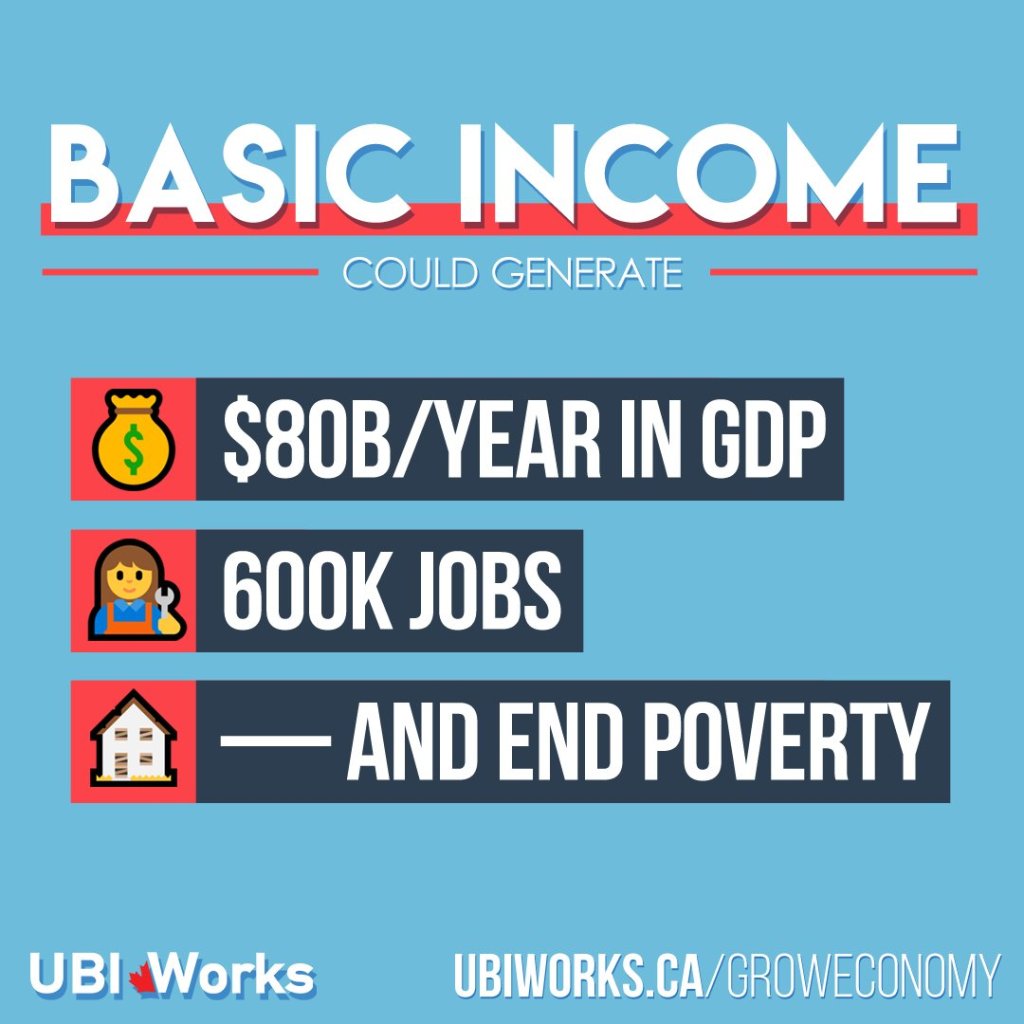
From a supply-and-demand perspective, UBI has the potential to be an economic game-changer. By boosting consumer purchasing power, UBI drives demand for goods and services, spurring business growth and job creation. Research by the Canadian Centre for Economic Analysis projects that a UBI program in Canada could grow the economy by $80 billion annually and add 600,000 jobs, all while eliminating poverty nationwide.

On the supply side, UBI offers workers the flexibility to pursue education, training, or entrepreneurial ventures, aligning their skills with roles they are passionate about rather than accepting exploitative or mismatched jobs out of financial desperation. This not only improves individual well-being but also enhances productivity across the economy.

A Tool for Equity and Resilience
As technological disruption, automation, and globalization continue to reshape labor markets, UBI provides a much-needed safety net. It equips individuals to navigate a rapidly changing economic landscape, enabling them to invest in themselves without the constant fear of financial ruin. At the same time, UBI reduces income inequality and promotes social cohesion by narrowing the wealth gap and fostering a more equitable distribution of resources.

Critically, UBI shifts the focus from reactive welfare systems to proactive empowerment. It eliminates the stigma and inefficiencies of means-tested programs while ensuring everyone benefits from a guaranteed income floor. This universal approach builds trust and unity within society, creating a stronger, more inclusive social fabric.

A Bold Vision for the Future
Universal Basic Income is more than an economic policy—it’s a statement of values. It asserts that every individual, regardless of circumstance, deserves dignity, security, and opportunity. By adopting a revenue-neutral model, UBI proves that fairness and sustainability can go hand in hand.

As the world grapples with inequality, economic volatility, and the social challenges of the 21st century, UBI offers a bold yet practical solution. It envisions a future where poverty is eliminated, opportunity is universal, and every citizen has the means to lead a secure and fulfilling life. UBI is not just a policy—it’s a pathway to a just and prosperous society.

Justin Trudeau’s Legacy: A Leader of Bold Aspirations and Imperfect Progress

I have been working on this post for a while, as soon as it became clear that Justin Trudeau would be resigning. I don’t normally publish pieces this long, but I found that I needed this length to enable me to even just skim the surface of how this man transformed Canada as a nation, and its standing in the world. For me, his biggest failure was not reforming Canada’s federal election system after he vowed that the 2015 process would be the last conducted under the first past the post model. However, it soon became clear that the party’s backroom boys, and many newly minted MPs had other priorities, and so his government abandoned the pledge in 2017, disappointing advocates for electoral reform and leaving a key campaign promise unfulfilled.

Justin Trudeau’s tenure as Canada’s 23rd Prime Minister is a legacy of contradictions: one of bold progressive achievements, and high-profile missteps, of inspiring rhetoric and underwhelming follow-through. While his time in office has left the country more inclusive and forward-looking in many ways, it has also been marked by challenges and controversies that complicate the narrative of his leadership. Viewed holistically, Trudeau’s legacy is one of meaningful but imperfect progress – an era defined by a mixture of transformative change and opportunities missed.

Economically, Trudeau’s record is more complex. Programs like the Canada Child Benefit significantly reduced child poverty, providing direct financial relief to families and underscoring his government’s focus on middle-class Canadians. His investments in infrastructure and housing created jobs and spurred economic growth. However, these initiatives came at the cost of mounting deficits and an increased national debt, raising questions about long-term fiscal sustainability. Critics argue that his government’s policies failed to adequately address systemic issues such as housing affordability, which worsened during his tenure. Rising home prices left many young Canadians struggling to enter the housing market, highlighting a gap between Trudeau’s promises and tangible results. While his economic agenda was ambitious, it often struggled to balance short-term relief with long-term stability.

One of the most enduring aspects of Trudeau’s legacy is his commitment to diversity and inclusion. From the outset, he reshaped the face of Canadian politics with his historic, gender-balanced cabinet that included individuals from a variety of racial, religious, and cultural backgrounds. His reasoning – “Because it’s 2015” – became a shorthand for Canada’s progressive aspirations on the global stage. By elevating underrepresented voices, Trudeau sought to ensure that Canada’s leadership reflected its diverse population, signaling a renewed commitment to multiculturalism at a time when many countries were turning inward. This emphasis on inclusion not only bolstered Canada’s international reputation but also helped inspire a new generation of Canadians to see politics as a space for all.

Climate change was one of the defining issues of Trudeau’s leadership, and his government made significant strides in this area. The implementation of a nationwide carbon pricing system positioned Canada as a global leader in climate policy, reinforcing the country’s commitment to the Paris Agreement. Yet, this progress was undermined by the government’s purchase of the Trans Mountain Pipeline, which angered environmental advocates and Indigenous communities. Trudeau’s attempt to balance environmental goals with the economic realities of a resource-driven economy often left both sides dissatisfied. Nevertheless, his climate policies laid the groundwork for Canada’s transition to a more sustainable future, even if they were not without contradictions.

Trudeau’s relationship with Indigenous communities represents another area of mixed results. He made reconciliation a central theme of his leadership, offering apologies for historical injustices and pledging to address long-standing inequities. His government made progress on some fronts, such as lifting long-standing boil-water advisories in many Indigenous communities. However, significant gaps remained, particularly in addressing land rights and implementing the Truth and Reconciliation Commission’s calls to action. Many Indigenous leaders criticized the slow pace of change, arguing that Trudeau’s symbolic gestures often failed to translate into substantive action. While his efforts were genuine, they were frequently insufficient to meet the scale of the challenges at hand.

Ethics and accountability proved to be persistent weak points in Trudeau’s leadership. The SNC-Lavalin affair and the WE Charity scandal highlighted a troubling pattern of ethical lapses that undermined public trust. In both cases, Trudeau faced accusations of placing political interests above transparency and accountability. These controversies tarnished his image as a champion of ethical governance, leaving a stain on his record that cannot be ignored.

Yet, even amid these challenges, Trudeau’s ability to connect with Canadians on a personal level remained one of his greatest strengths. Whether marching in Pride parades, hosting town halls, or addressing the nation during the COVID-19 pandemic, he demonstrated an empathy and accessibility that set him apart from many of his predecessors. His optimism and charisma helped re-energize Canadian politics, particularly among younger voters, who saw in him a leader who genuinely cared about their concerns. While his leadership style occasionally veered toward the performative, it also reflected a deep understanding of the importance of symbolism in shaping national identity.

Ultimately, Trudeau’s legacy is one of imperfect but meaningful progress. His government advanced diversity, economic support for families, and climate action, while grappling with the realities of governance in a polarized and rapidly changing world. His tenure was far from flawless, marred by ethical lapses, unfulfilled promises, and the challenges of balancing competing priorities. However, his vision for a more inclusive, progressive, and globally engaged Canada resonated with millions and left an indelible mark on the country’s political landscape.

Justin Trudeau’s time as Prime Minister will likely be remembered not for perfection, but for aspiration. He sought to push Canada forward in ways that reflected its highest ideals, even if he sometimes fell short. For all the controversies and compromises, his leadership ushered in an era that redefined what Canada could stand for on the world stage: diversity, progress, and hope.

American Strategy or Political Posturing? 

President-elect Donald Trump’s recent comments regarding the Panama Canal, Greenland, Canada, and Iceland have ignited a firestorm of international debate, raising eyebrows across diplomatic circles. Trump’s proposals, which include retaking control of the Panama Canal, purchasing Greenland, and annexing Canada as the 51st state, reflect his “America First” doctrine in its most assertive form. While such rhetoric underscores his ambition to reassert U.S. dominance, it also risks fracturing relationships with allies and reshaping global perceptions of American foreign policy.

At the heart of Trump’s statements lies a vision of expanding U.S. territorial and geopolitical influence. Proposals to acquire territories such as Greenland and Canada would, if realized, redefine America’s strategic footprint. Greenland, with its vast natural resources and critical position in the Arctic, is becoming increasingly vital as climate change opens new shipping routes and untapped reserves of oil, gas, and minerals. Canada, on the other hand, represents an economic and security powerhouse whose integration into the U.S. would consolidate North America into a unified bloc of unparalleled power. While such aspirations might seem fantastical, they align with Trump’s broader ethos of maximizing U.S. leverage on the world stage.

The Panama Canal, another focal point of Trump’s vision, underscores the strategic underpinnings of his proposals. As one of the world’s most vital maritime corridors, the canal serves as a lifeline for global trade, connecting the Atlantic and Pacific Oceans. Regaining control over the canal would enable the U.S. to secure a critical chokepoint in global logistics, ensuring that it serves American economic and military interests. Reclaiming the canal would send a strong message to rival powers, particularly China, whose investments and influence in Latin America have challenged traditional U.S. dominance in the region.

These territorial aspirations can also be interpreted as an attempt to counter Beijing’s growing reach. China’s Belt and Road Initiative and its economic entrenchment in Latin America have heightened concerns in Washington about losing influence in its own hemisphere. By floating the idea of reclaiming the Panama Canal or acquiring new territories, Trump may be signaling a broader strategy to curb China’s ambitions and reaffirm America’s primacy in key geopolitical arenas.

However, these bold declarations have not gone unchallenged. Greenland’s Prime Minister, Múte Egede, quickly dismissed any notion of selling Greenland, calling it an absurd proposal that undermines their sovereignty. In Panama, leaders have emphatically rejected the idea of relinquishing control over the canal, asserting their independence and national pride. Canadian officials, too, have categorically rebuffed Trump’s suggestion of annexation, with some labeling the proposal as both outlandish and offensive. The immediate backlash from these nations highlights the deep diplomatic hurdles that such propositions would face.

Critics argue that Trump’s rhetoric is less about actionable policy and more about playing to his domestic audience. By projecting strength and ambition, he may be attempting to solidify support among his base, which has long embraced his unapologetically nationalistic vision. Yet this approach carries significant risks. Alienating allies, undermining international norms, and sparking diplomatic tensions could damage America’s global standing and limit its ability to build coalitions in an increasingly multipolar world.

Ultimately, Trump’s comments raise questions about the balance between ambition and realism in U.S. foreign policy. While his proposals underscore a desire to redefine America’s role on the world stage, the practical and political barriers to their implementation are immense. The overwhelming opposition from the international community suggests that such ideas, even if pursued, would face insurmountable resistance. Whether these statements reflect genuine intentions or are merely provocative rhetoric, they offer a window into the polarizing and unpredictable foreign policy approach that could define the Trump era