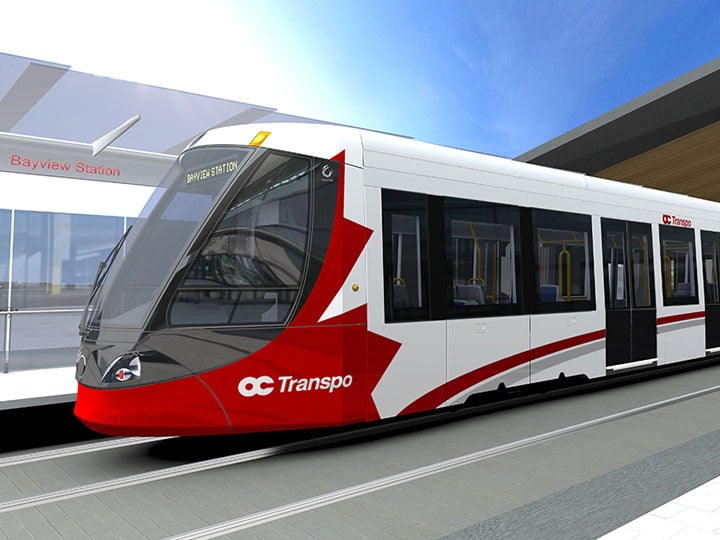
The Alto Project: A New Era for Canadian Public Transportation

The Canadian government’s announcement of Alto, a new high-speed rail network linking Toronto and Quebec City, marks a watershed moment in the nation’s transportation history. This 1,000-kilometer electrified corridor will connect major urban centers while slashing travel times, with trains reaching speeds of up to 300 km/h. The journey from Toronto to Montreal, currently a grueling five-hour trip by rail, will be cut to just three hours, making it a direct competitor to short-haul flights. More than just a transportation project, Alto represents a long-overdue commitment to sustainable, efficient public infrastructure—one that could reshape how Canadians move between their largest cities.

Canada has been here before, at least in theory. The dream of high-speed rail has surfaced repeatedly over the decades, only to be shelved due to shifting political priorities, economic downturns, or a lack of public and private investment. In the 1960s, CN’s TurboTrain attempted to bring high-speed service to the Montreal-Toronto corridor, but despite its impressive top speed of 225 km/h, it was plagued by technical challenges and ultimately discontinued. Later, in the 1980s, Bombardier proposed a high-speed link between Quebec City and Windsor, but enthusiasm waned in the face of funding concerns and political inertia. Meanwhile, other nations surged ahead. France launched the TGV in 1981, Japan’s Shinkansen had already been running since 1964, and China rapidly built the world’s most extensive high-speed rail network. Canada, with its vast geography and car-dependent culture, lagged behind, leaving VIA Rail to struggle with aging rolling stock and shared freight tracks that made reliable service nearly impossible.

The Alto project signals a long-overdue course correction. The government has committed $3.9 billion over six years to develop the project, covering environmental assessments, land acquisition, Indigenous consultations, and detailed engineering work. The project’s scale makes it the largest infrastructure investment in Canadian history, with an estimated 51,000 jobs created during construction and a projected annual boost of $35 billion to the national GDP. The selected consortium, Cadence, brings together some of the most experienced transportation and infrastructure firms in the world, including CDPQ Infra, AtkinsRéalis, Keolis Canada, SYSTRA Canada, SNCF Voyageurs, and, notably, Air Canada. With SNCF’s involvement, Alto benefits from France’s decades of expertise operating one of the world’s most successful high-speed rail networks.

Air Canada’s participation in the Alto consortium is a strategic move that acknowledges the inevitable disruption high-speed rail will bring to the lucrative Toronto-Montreal air corridor. As one of the busiest short-haul routes in North America, this segment has long been a key profit driver for the airline, particularly in the premium business travel market. However, with Alto set to offer a three-hour city-center-to-city-center journey—eliminating the hassles of airport security, boarding delays, and weather disruptions—many travelers, especially corporate clients, may shift their loyalty to rail. Rather than resisting this change, Air Canada is positioning itself within the Alto project to maintain influence over intercity travel dynamics, potentially leveraging its expertise in ticketing, loyalty programs, and intermodal connectivity. By integrating rail service into its broader network, Air Canada can remain a key player in the evolving transportation landscape, offering seamless connections between domestic, international, and rail-based travel. This approach mirrors strategies seen in Europe and Asia, where major airlines partner with high-speed rail operators rather than compete head-on, ensuring they remain relevant as travel preferences evolve.

Beyond the economic and technical aspects, Alto represents a fundamental shift in how Canada approaches public transit. For decades, intercity travel has been dominated by cars and airplanes, both of which contribute heavily to congestion and carbon emissions. The Toronto-Ottawa-Montreal corridor is one of the busiest in North America, yet for years, travelers have been forced to endure overcrowded highways, unreliable train schedules, or expensive, inconvenient air travel. High-speed rail changes the equation. Electrified trains eliminate the carbon footprint of regional flights, reducing overall transportation emissions in line with Canada’s climate goals. At the same time, by shifting travelers from cars to rail, Alto can alleviate highway congestion, making regional mobility smoother for everyone.

Connectivity is another major advantage. The Alto corridor isn’t just about linking Toronto, Ottawa, Montreal, and Quebec City—it’s also about providing a reliable transit spine for smaller communities like Peterborough and Trois-Rivières. For decades, these towns have struggled with limited or non-existent rail service, forcing residents to rely on personal vehicles or slow, infrequent buses. With high-speed rail, these regions stand to gain new economic opportunities, easier access to larger job markets, and increased tourism. Countries like France, Spain, and Japan have seen firsthand how high-speed rail can transform regional economies, bringing prosperity to areas once considered too remote to thrive.

At its core, the Alto project is a declaration that public transit is not just an afterthought, but a national priority. Efficient, well-funded public transportation is a hallmark of modern, forward-thinking societies, reducing economic inequality by making mobility accessible to everyone, not just those who can afford cars or flights. It also offers a more comfortable, humane travel experience—one where passengers can relax, work, or enjoy the scenery instead of navigating traffic or enduring the frustrations of airport line ups, and security checks. 

Of course, the road ahead is not without obstacles. As my regular readers will know, I am not a fan of Public-Private Partnerships.  Large-scale infrastructure projects in Canada have a history of delays, cost overruns, and political roadblocks. Public support, political will, and careful management will be critical in ensuring that Alto doesn’t become another shelved idea. If the government and its private-sector partners can deliver on their promises, however, Alto has the potential to redefine travel in Canada for generations to come.

For too long, Canadians have watched as other countries invested in the kind of fast, efficient, and sustainable transportation systems that make daily life easier. Now, with Alto, Canada finally has the chance to catch up. If done right, this project could mark the beginning of a new era—one where public transportation is recognized not just as a necessity, but as an engine of economic growth, environmental responsibility, and national connectivity.

Public Utilities in Public Hands: The Case Against Privatization in Ontario

The privatization of public utilities is one of the most serious threats to the well-being of Ontario’s citizens. Essential services such as electricity, natural gas, and potable water are not mere commodities; they are fundamental to public health, economic stability, and social equity. Yet, time and again, privatization has proven to be a short-sighted policy that prioritizes corporate profit over public interest, leading to rising costs, reduced accountability, and degraded service quality.

Ontario has already had a taste of these consequences. The partial privatization of Hydro One in 2015, sold as a way to fund infrastructure projects, stripped the public of full control over a critical utility. The result? Electricity rates surged while executive salaries ballooned, all while Ontarians faced an affordability crisis. Now, the same logic is being applied to water infrastructure, with growing interest in public-private partnerships (P3s) that risk putting a basic human right in the hands of profit-driven corporations.

The United Kingdom serves as a cautionary tale. Margaret Thatcher’s aggressive privatization agenda in the 1980s dismantled public control over water, gas, and electricity. Decades later, the consequences are glaringly evident—privatized water companies have failed to maintain infrastructure, leading to widespread sewage pollution in rivers and skyrocketing utility bills. In 2023, public outrage reached a boiling point as UK citizens demanded renationalization, fed up with a system that prioritized shareholder dividends over basic service quality.

Ontario does not need to look across the Atlantic to see privatization’s dangers. The sale of Highway 407 in the late 1990s remains one of the most infamous examples. Originally built with public funds, the highway was sold to a private consortium, which promptly implemented steep toll increases. Now, it is one of the most expensive toll roads in North America, generating billions in private profits while Ontario drivers pay the price.

Similarly, in the 1990s, Premier Mike Harris’s government moved to privatize parts of Ontario’s water services, leading to deregulation that contributed to the Walkerton tragedy in 2000. E. coli contamination in the town’s water supply led to seven deaths and thousands of illnesses. A key lesson from Walkerton was that water safety should never be compromised for cost-cutting measures—yet renewed interest in water privatization suggests that this lesson is being ignored.

Proponents of privatization often push P3s as a supposed middle ground, but the reality is that these arrangements often result in long-term financial burdens for taxpayers and reduced service quality. In Ontario, numerous P3 infrastructure projects, including hospitals and transit systems, have faced cost overruns, delays, and contract disputes that leave the public footing the bill. The Brampton Civic Hospital, one of Ontario’s earliest P3 healthcare projects, ended up costing nearly $200 million more than a traditional public model, demonstrating how these deals frequently benefit corporate interests at the public’s expense.

When it comes to water and electricity, the risks are even greater. Private firms operating under P3 models have strong incentives to minimize costs, which can lead to deferred maintenance, staff reductions, and lower service quality. Meanwhile, the public remains on the hook for any failures, as companies structure contracts to shield themselves from financial risk while reaping the profits.

Once essential services are privatized, reversing the decision becomes extremely difficult. Private companies, armed with deep lobbying power, fight fiercely to protect their revenue streams. In the case of Hydro One, the Ontario government now owns less than 50% of the company, making it virtually impossible to fully reassert public control without an expensive and politically complex buyback.

The simple truth is that profit should never be the primary driver in the management of public utilities. Roads, water, electricity, and natural gas are the backbone of a functioning society, and their operation must be based on public interest, environmental sustainability, and affordability—not corporate greed.

Ontario must resist further privatization and instead strengthen public ownership of essential services. This means investing in infrastructure, enforcing transparency, and ensuring that these utilities serve the people rather than the pockets of a few wealthy shareholders. The province has seen the consequences of privatization firsthand, and the path forward is clear: protect public utilities, prioritize public well-being, and reject the false promises of privatization before it’s too late.

Why Metrolinx Should Run Ottawa’s Broken LRT

Those of you who regularly read my blog, know that I am a huge advocate of public transport, and a critic of the Public Private Partnership developing and operating the capital’s Light Rail Transit (LRT). 

Ottawa’s LRT system has been a profound disappointment, a fiasco of engineering failures, political mismanagement, and corporate negligence. Years after its launch, the system remains unreliable, its reputation tarnished by derailments, service disruptions, and public distrust. City officials, despite their best efforts, have failed to restore confidence or implement meaningful reforms. Given this ongoing dysfunction, it is time to consider a serious alternative: uploading the LRT to Metrolinx. A provincial takeover would bring in the expertise, resources, and oversight that Ottawa desperately needs while alleviating the financial strain on local taxpayers.

Metrolinx, despite its own challenges, has experience managing large-scale transit projects across Ontario. The agency has delivered rapid transit systems, expanded GO Transit, and led infrastructure projects that dwarf Ottawa’s troubled LRT. Unlike the City of Ottawa, which has been hamstrung by political infighting and bureaucratic inertia, Metrolinx operates with a broader provincial mandate and access to significantly greater funding. The province already has an interest in ensuring that Ottawa’s transit system is functional—after all, a well-run capital city benefits all Ontarians. Entrusting the LRT to Metrolinx would align Ottawa’s transit with the province’s long-term infrastructure planning, creating opportunities for better integration with intercity rail and bus services.

Financially, the benefits of provincial control are obvious. The LRT has drained Ottawa’s municipal budget, diverting funds away from other pressing priorities such as road maintenance, affordable housing, and social services. The city cannot afford to keep throwing money at a broken system while simultaneously planning for future expansions. If Metrolinx were to assume responsibility, the province would take on a greater share of the financial burden, allowing Ottawa to focus on local transit improvements that fall outside the LRT’s scope. This would not be an unprecedented move—Queen’s Park has already taken over major transit infrastructure in Toronto, such as the subway expansion projects, recognizing that municipal governments simply do not have the fiscal capacity to manage billion-dollar projects alone.

Of course, critics will argue that surrendering local control means sacrificing accountability. But let’s be honest: Ottawa’s local control has not served residents well. The city’s handling of the LRT has been defined by secrecy, questionable decision-making, and a lack of transparency. The provincial government, for all its faults, at least has the ability to intervene decisively when things go wrong. Under Metrolinx, operational standards would be enforced with greater rigor, and the pressure to deliver a functional transit system would be far greater than what we’ve seen from Ottawa City Hall. The public inquiry into the LRT debacle revealed a municipal government that was overwhelmed and, at times, complicit in its own failures. Perhaps it is time to let a more competent player take the lead.

This is not to say that Metrolinx is perfect. The agency has faced its own share of controversies, from cost overruns to delayed projects. But at least it has experience dealing with transit systems on a scale far larger than Ottawa’s. Unlike Ottawa’s municipal government, Metrolinx has the ability to negotiate directly with major infrastructure firms, access provincial funding streams, and bring in technical expertise that the city simply lacks. A takeover would not magically fix everything overnight, but it would place the LRT in the hands of those who at least know how to run a transit system.

The reality is that Ottawa’s LRT is beyond the city’s ability to fix on its own. Metrolinx, with its provincial backing and infrastructure expertise, offers the best hope for a reliable and efficient transit system. Ottawa residents deserve better than what they’ve been given. If that means surrendering local control to get a working train system, then so be it. The LRT was meant to be a transformative project for the city. If Ottawa cannot deliver on that promise, then it’s time to let Queen’s Park step in and do the job properly.

The Return of the Northumberland Line 

After more than 60 years, passenger services have returned to the Northumberland Line, reconnecting rural Northumberland to Newcastle and the wider UK rail network. Officially reopened on December 11, 2024, this project represents a significant milestone in North East England’s transport history, reversing the cuts of the Beeching era and reigniting the economic and social potential of the region.

A History Restored
The Northumberland Line was once part of the Blyth and Tyne railway network, integral to the industrial heartland of the region. However, passenger services ceased in 1964 due to the sweeping Beeching cuts, which prioritized cost-saving over connectivity. For decades, residents of towns like Ashington and Bedlington, which were once mining hubs, were left reliant on buses and cars for transportation.

Last passenger train 1964

Calls to reopen the line grew over the years, driven by the decline of local industries and increasing traffic congestion. Recognizing the need for improved transport infrastructure, a coalition of local councils, regional transport bodies, and the UK government invested £298.5 million to make the project a reality.

Rebuilding the Connection
The reopened line stretches 12 miles, linking six newly constructed or refurbished stations, including Ashington, Bedlington, Blyth Bebside, and Seaton Delaval, with Newcastle Central Station. Modern amenities, such as accessible platforms, onboard Wi-Fi, and spaces for bicycles and wheelchairs, make it a 21st-century solution tailored to today’s commuters.

Trains, operated by Northern Rail, run every 30 minutes during weekdays and hourly on evenings and Sundays. Notably, travel is priced affordably, with fares from just £1 for under-21s and a maximum of £3 for peak journeys between Ashington and Newcastle.

Integrated into the Wider Network
The Northumberland Line is seamlessly integrated into the Tyne and Wear Metro via Newcastle Central Station, giving passengers direct access to destinations across Tyneside, Sunderland, and Newcastle International Airport. This connectivity makes it easier for commuters, students, and tourists to move between rural Northumberland and urban centers, reducing reliance on car travel and alleviating congestion on major roadways.

The historical Newcastle Central Station is a vital hub on the East Coast Main Line, linking Northumberland Line passengers to long-distance services to London, Edinburgh, and beyond. This integration with both regional and national networks transforms the reopened line into a bridge between local communities and broader economic opportunities.

A Catalyst for Regional Growth
The project’s goals extend beyond transport. By improving access to education, employment, and leisure, it aims to stimulate economic development in towns along the line. For example, easier commutes to Newcastle could attract new businesses to Ashington and Blyth, while better transport links are expected to boost tourism in the region. The line also supports the region’s climate goals by encouraging a shift from cars to public transport, reducing congestion and emissions.

A Model for the Future
The Northumberland Line reflects a growing recognition of the value of rail in reconnecting underserved communities. It is part of the UK government’s Restoring Your Railway initiative, which seeks to reverse decades of cuts and restore lines that once served as lifelines for rural and industrial areas.

First train of the new era

As the first passenger train in over six decades pulled into Ashington Station on opening day, it symbolized more than just the return of a rail service. It marked the renewal of hope, opportunity, and a commitment to sustainable transport. The Northumberland Line is not just a revival of a forgotten route—it is a promise of what thoughtful investment in public infrastructure can achieve..

Hydrogen Vehicles will Win the Day in Canada

While Electric Vehicles (EVs) are currently leading in urban and passenger markets for green energy cars, hydrogen is going to be the future in heavy-duty transport and regions, like Canada, where cold weather, and long distances make battery limitations more apparent.  Government policies and subsidies in Canada, in an effort to address climate change, have prioritized EV adoption, yet there are already rumblings that Canada’s aging electrical distribution grid does not have the capacity to support a growing population of EVs. 

Hydrogen Fuel Cell Vehicles (FCEVs) perform well in cold climates, as their energy systems are not as affected by extreme temperatures. Unlike EV batteries, which lose efficiency and range in sub-zero conditions, FCEVs maintain consistent performance. Hydrogen vehicles can be refueled in minutes, similar to gasoline cars, making them more convenient than EVs, which can take hours to charge, especially at home.

Hydrogen refueling stations could be strategically placed along highways, eliminating the need for dense urban networks that EVs require, which use highly valued real estate. Perhaps this is an opportunity for the traditional gas station chains, especially if future vehicles use the hydrogen portable cartridges or onboard tanks currently being tested. As of today, there are very few such stations in Canada compared to the expanding EV charging network, but this might quickly change as commercially available vehicles enter the market.  

It’s clear that industry believes that there is a growing market for FCEVs. Toyota, Hyundai and Honda all have commercially available hydrogen-fuelled cars, while BMW, General Motors, and Land Rover are test piloting such vehicles. Other specialist manufacturers including Nikola and Riversimple are focused on the logistics and freight sectors. 

Currently, producing green hydrogen (from renewable energy) is expensive, and most hydrogen today is derived from fossil fuels, reducing its environmental benefit, yet as the market grows, the cost of green hydrogen will decrease. 

The future of FCEVs looks promising as advancements in hydrogen fuel cell technology, infrastructure, and manufacturing continue to evolve. With global commitments to reduce carbon emissions, FCEVs offer a clean and efficient solution for both personal and commercial transportation, especially for long-range and heavy-duty applications. 

As governments and industries collaborate to overcome these challenges, FCEVs are poised to play a significant role in the transition to sustainable mobility.

Finally, I do wonder if anyone is looking at the issue of water, which is the only waste product of FCEVs, pouring onto our winter roads?