
After more than 60 years, passenger services have returned to the Northumberland Line, reconnecting rural Northumberland to Newcastle and the wider UK rail network. Officially reopened on December 11, 2024, this project represents a significant milestone in North East England’s transport history, reversing the cuts of the Beeching era and reigniting the economic and social potential of the region.
A History Restored
The Northumberland Line was once part of the Blyth and Tyne railway network, integral to the industrial heartland of the region. However, passenger services ceased in 1964 due to the sweeping Beeching cuts, which prioritized cost-saving over connectivity. For decades, residents of towns like Ashington and Bedlington, which were once mining hubs, were left reliant on buses and cars for transportation.
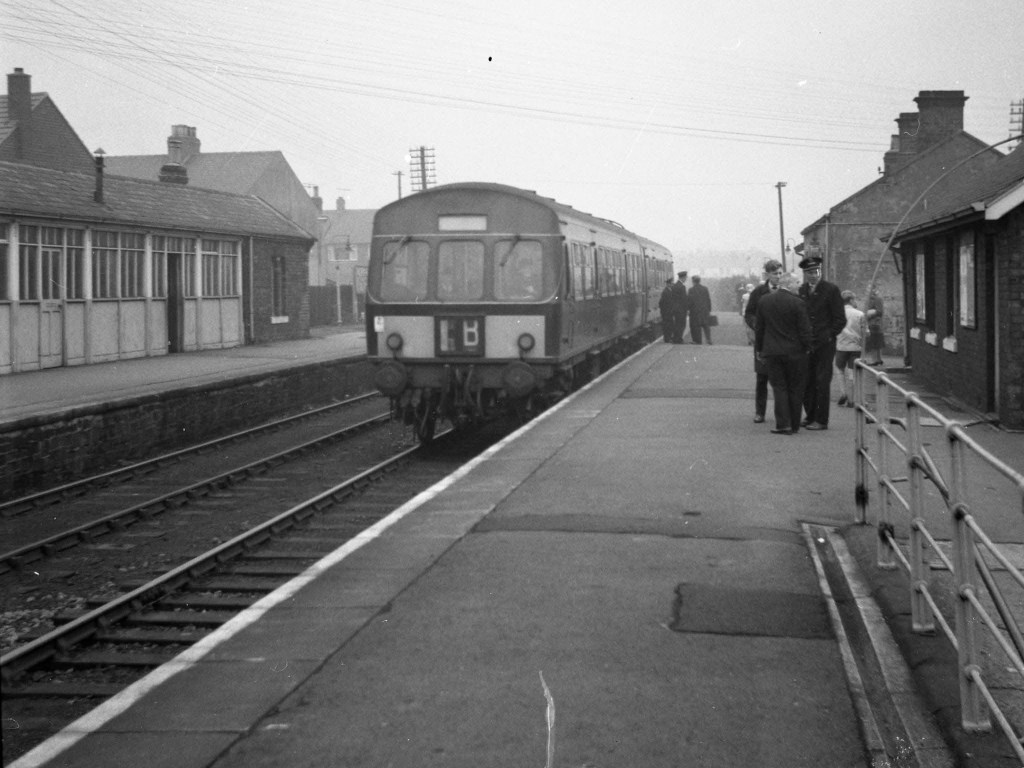
Calls to reopen the line grew over the years, driven by the decline of local industries and increasing traffic congestion. Recognizing the need for improved transport infrastructure, a coalition of local councils, regional transport bodies, and the UK government invested £298.5 million to make the project a reality.
Rebuilding the Connection
The reopened line stretches 12 miles, linking six newly constructed or refurbished stations, including Ashington, Bedlington, Blyth Bebside, and Seaton Delaval, with Newcastle Central Station. Modern amenities, such as accessible platforms, onboard Wi-Fi, and spaces for bicycles and wheelchairs, make it a 21st-century solution tailored to today’s commuters.
Trains, operated by Northern Rail, run every 30 minutes during weekdays and hourly on evenings and Sundays. Notably, travel is priced affordably, with fares from just £1 for under-21s and a maximum of £3 for peak journeys between Ashington and Newcastle.
Integrated into the Wider Network
The Northumberland Line is seamlessly integrated into the Tyne and Wear Metro via Newcastle Central Station, giving passengers direct access to destinations across Tyneside, Sunderland, and Newcastle International Airport. This connectivity makes it easier for commuters, students, and tourists to move between rural Northumberland and urban centers, reducing reliance on car travel and alleviating congestion on major roadways.
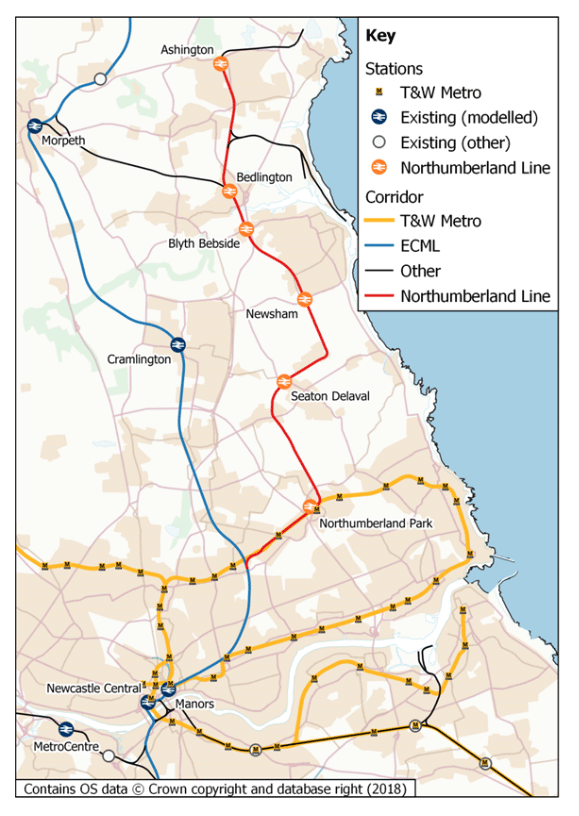
The historical Newcastle Central Station is a vital hub on the East Coast Main Line, linking Northumberland Line passengers to long-distance services to London, Edinburgh, and beyond. This integration with both regional and national networks transforms the reopened line into a bridge between local communities and broader economic opportunities.
A Catalyst for Regional Growth
The project’s goals extend beyond transport. By improving access to education, employment, and leisure, it aims to stimulate economic development in towns along the line. For example, easier commutes to Newcastle could attract new businesses to Ashington and Blyth, while better transport links are expected to boost tourism in the region. The line also supports the region’s climate goals by encouraging a shift from cars to public transport, reducing congestion and emissions.
A Model for the Future
The Northumberland Line reflects a growing recognition of the value of rail in reconnecting underserved communities. It is part of the UK government’s Restoring Your Railway initiative, which seeks to reverse decades of cuts and restore lines that once served as lifelines for rural and industrial areas.
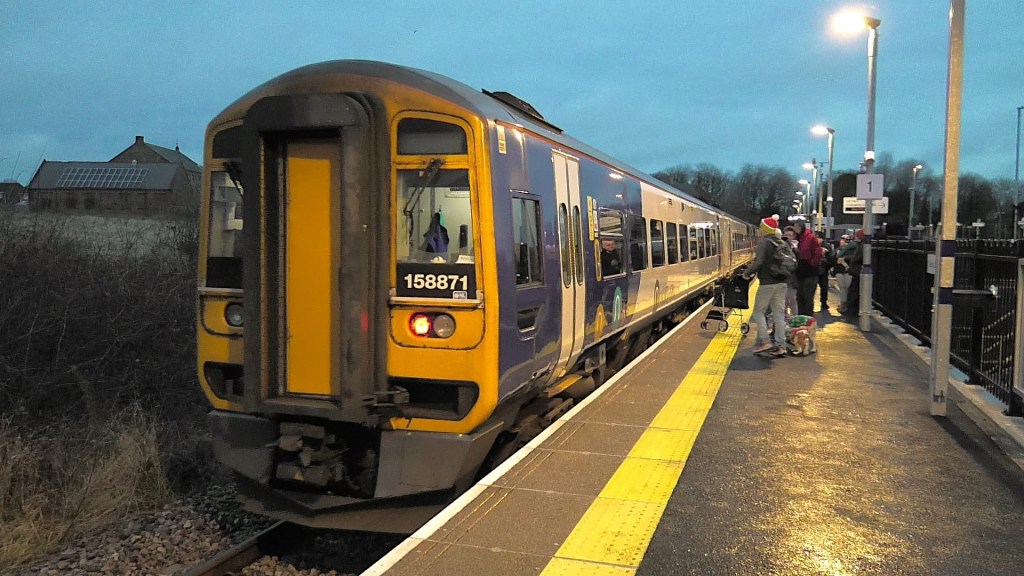
As the first passenger train in over six decades pulled into Ashington Station on opening day, it symbolized more than just the return of a rail service. It marked the renewal of hope, opportunity, and a commitment to sustainable transport. The Northumberland Line is not just a revival of a forgotten route—it is a promise of what thoughtful investment in public infrastructure can achieve..


 The Rowanwood Chronicles