The Budapest Memorandum of 1994: A Cautionary Tale in Security Assurances

The Budapest Memorandum on Security Assurances, signed on 5 December 1994, stands as a pivotal moment in post-Cold War geopolitics. Emerging from the ashes of the Soviet Union, it marked a rare convergence of nuclear disarmament and multilateral diplomacy. Ukraine, Belarus, and Kazakhstan, each inheriting a share of the USSR’s vast nuclear arsenal, were persuaded to relinquish their strategic weapons in exchange for assurances from the United States, the United Kingdom, and the Russian Federation. The signing took place at an OSCE summit in the Hungarian capital, hence the document’s name.

At the heart of the memorandum was Ukraine’s possession of the third-largest nuclear arsenal in the world. Though the warheads were technically under Russian operational control, they remained physically on Ukrainian soil. The U.S. in particular led efforts to prevent the emergence of new nuclear states from the former Soviet republics, promoting the Treaty on the Non-Proliferation of Nuclear Weapons (NPT) as the legal mechanism for disarmament. In return for joining the NPT as a non-nuclear weapon state, Ukraine was promised political assurances regarding its sovereignty, territorial integrity, and security.

The terms of the Budapest Memorandum were significant, though pointedly not binding under international law. The signatories pledged to respect the independence and existing borders of Ukraine, refrain from the threat or use of force, and avoid economic coercion. They also committed to seek UN Security Council action if nuclear weapons were ever used against Ukraine, and promised not to use nuclear weapons against the country themselves. The inclusion of a clause requiring consultations in the event of disputes or threats was intended to provide a diplomatic channel in times of crisis.

What is critical to understand is that the memorandum was not a formal treaty. It lacked enforcement mechanisms and legal penalties, relying instead on political goodwill and international norms. This distinction would prove fatal to its credibility two decades later.

The annexation of Crimea by the Russian Federation in early 2014, followed by its support for separatists in the Donbas region, represented a direct challenge to the core principles enshrined in the Budapest Memorandum. Ukraine’s territorial integrity was violated by a state that had explicitly committed to uphold it. While the United States and the United Kingdom issued strong condemnations and imposed sanctions on Russia, neither country provided direct military support to Ukraine, citing the memorandum’s non-binding nature.

Russia, for its part, has argued that the circumstances of 2014, namely, the change in Ukraine’s government following the Maidan Revolution, nullified the commitments under the agreement. It has also claimed that Crimea’s “referendum” justifies its actions. These positions are widely rejected by the international legal community and by the other signatories of the memorandum, but the damage to the credibility of security assurances was done.

The legacy of the Budapest Memorandum is now viewed with a mix of regret and realism. It illustrates the limits of non-binding agreements in deterring aggression by great powers, and it has become a central reference point in discussions on nuclear disarmament and non-proliferation. For Ukraine, the memorandum is a bitter reminder of the price paid for denuclearization without robust, enforceable guarantees. For the global community, it raises hard questions about the viability of relying on political promises in an increasingly unstable world.

The Budapest case has also had ramifications beyond Eastern Europe. It has been cited by countries such as North Korea and Iran in debates over nuclear policy, reinforcing the perception that possession of nuclear weapons may offer more reliable security than any assurance signed on paper. In the decades since, the gap between rhetoric and reality in international security agreements has only widened.

Sources
• United States Department of State Archive. Background Briefing on Ukraine, March 2014. https://2009-2017.state.gov
• United Nations Office for Disarmament Affairs. Treaty on the Non-Proliferation of Nuclear Weaponshttps://disarmament.un.org
• Council on Foreign Relations. Why Ukraine Gave Up Its Nuclear Weapons, 2022. https://www.cfr.org/backgrounder/why-ukraine-gave-nuclear-weapons
• Chatham House. Ukraine, Russia and the West: The Budapest Memorandum at 30, 2023. https://www.chathamhouse.org
The Promise of Sand Batteries: A New Frontier in Thermal Energy Storage

In the global push toward a clean energy future, battery technology has taken centre stage. Yet not all energy needs to be stored as electricity. Enter the sand battery: a simple, scalable, and surprisingly elegant solution to the problem of storing renewable energy as heat. While lithium and flow batteries dominate headlines, sand-based thermal storage may quietly become one of the most important tools in the transition to net zero, especially in colder climates and industrial sectors.

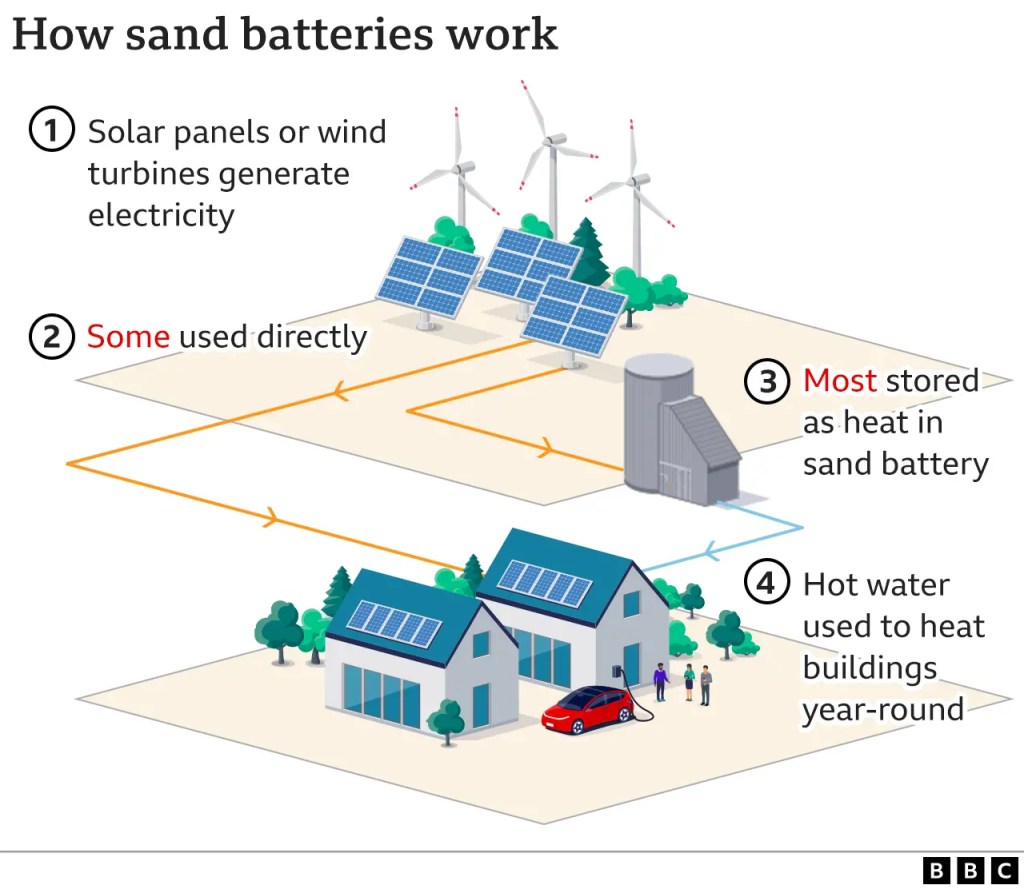
At its heart, a sand battery is a thermal energy storage system. It uses resistive heating elements to convert surplus renewable electricity into heat, which is then stored in a large mass of sand. Sand is cheap, abundant, non-toxic, and capable of withstanding extremely high temperatures – up to 1000°C in some designs. Once heated, the sand is housed in a well-insulated steel or concrete silo, where it can retain thermal energy for days, weeks, or even months. The stored heat can later be extracted and used directly in heating systems or, in some cases, converted back into electricity.

The real beauty of sand batteries lies in their efficiency and affordability. When used for heating applications, such as district heating networks or industrial processes, they achieve thermal round-trip efficiencies of 80 to 95 percent. This puts them in a strong position compared to chemical batteries, especially where the end-use is heat rather than electricity. Converting heat back into electricity is less efficient, often below 40 percent, which limits their utility as pure power storage. Yet, for countries with long, cold winters, and industries dependent on high-temperature heat, sand batteries could be revolutionary.

In Finland, the town of Kankaanpää is already home to the world’s first commercial sand battery, developed by startup Polar Night Energy. The battery stores excess wind and solar power during the summer and discharges it in winter to supply district heat. It’s a practical, real-world demonstration of what this technology can do: provide seasonal storage at a fraction of the cost of chemical alternatives. Think of Canada’s northern and remote coastal communities storing wind and solar energy during the summer, then operating their community heating facilities using sand batteries throughout the winter.  

The potential applications extend well beyond district heating. Many industrial processes: textiles, paper, chemicals, and food production, rely heavily on thermal energy. Today, most of that heat comes from burning fossil fuels. Sand batteries offer a clean alternative, especially when paired with renewables. They’re also ideal for off-grid and remote locations, where reliable heat can be hard to come by.

Compared to other storage technologies, sand batteries stand out for their low cost and long-duration potential. They’re not a replacement for lithium batteries or pumped hydro, but are a crucial complement. As more nations seek to decarbonize not just electricity, but also heating and industry, sand batteries will likely find a permanent place in the energy landscape.

Simple, scalable, and rooted in abundant natural materials, sand batteries remind us that sometimes the most advanced solutions are also the most grounded. In the race toward a sustainable energy future, this humble pile of sand might just be one of our best bets.

Five Things We Learned This Week

Here’s the fresh edition of “Five Things We Learned This Week” for July 12–18, 2025, featuring entirely new developments—no repeats, all within the past seven days:

🌊 1. Central Texas Flash Floods Devastate Communities

• Between July 4–7, unprecedented flash floods in Central Texas, including Camp Mystic, resulted in at least 129 deaths, with over 160 people still missing  .

• The disaster inflicted estimated economic losses of $18–22 billion, raising critical questions about climate-linked extreme weather and resilience amid weakened federal emergency infrastructure  .

🔥 2. Deadly European Heatwave Continues—Over 2,300 Deaths

• A severe heatwave that began in late May continued into mid-July, claiming approximately 2,300 lives—with Spain, the U.K., and Portugal most affected  .

• Record-breaking high temperatures (e.g., up to 46.6 °C in Portugal on June 29) prompted heat-health alerts, hosepipe bans, and drought declarations across parts of the U.K.  .

⚖️ 3. Thailand’s Prime Minister Suspended Amid Political Turmoil

• On July 1, Thailand’s Constitutional Court suspended PM Paetongtarn Shinawatra over an alleged leaked call—further destabilizing the already fragile 8-minister coalition  .

• This development deepens the ongoing political crisis and could trigger early elections or realignment in Thai governance   .

🇸🇾 4. Israeli Airstrikes Hit Key Syrian Military Sites

• On July 16, Israeli jets conducted strikes on the Syrian Presidential Palace and General Staff headquarters in Damascus  .

• The attack marks a significant escalation in Israel’s regional military operations and further strains tensions amid Syria’s protracted conflict  .

🏊‍♂️ 5. Singapore Hosts World Aquatics Championships

• From July 10–13, Singapore successfully hosted the 2025 World Aquatics Championships, attracting global athletes and fans to the city-state  .

• The event showcased elite competition in swimming, diving, water polo, and synchronized swimming, reinforcing Singapore’s capacity to host world-class sporting events  .

Each of these highlights occurred between July 12–18, 2025, and provides truly fresh insight across climate disasters, health crises, political shifts, military action, and international sport. Would you like full links or deeper analysis on any of these?

The Problem with TNG Groups: Why We Can’t Afford to Ignore the Elders (Updated)

The update is because apparently I wasn’t clear enough around the distinction between BDSM play and sex, while making the case for intergenerational mentorship, without diluting the importance of age-specific spaces. 

By now, most of us active in the kink world have heard of TNG groups – short for The Next Generation. These are community spaces, usually restricted to members aged 18 to 35, designed to provide younger people with opportunities to explore BDSM among peers, free from what some see as the social and sexual pressures of older participants.

I understand the motivation. For younger people, entering a kink space for the first time can be daunting, especially when it’s populated by people who are decades older. There’s a very real concern about predatory behaviour, especially in communities where power exchange is already a central theme. Boundaries matter. And spaces where younger kinksters can build confidence, self-knowledge, and friendships without fear of being “creeped on” are valid and valuable.

Yet, somewhere along the way, the well-intentioned effort to protect and empower young people has hardened into something less healthy: exclusion. What began as a way to create peer-based support networks has too often become a wall that blocks essential mentorship, skill transmission, and historical continuity, elements that BDSM, as both a practice and a culture, can’t afford to lose.

BDSM Is Not Sex – But Sex Has Muddied the Water
We need to start by untangling a key confusion that’s quietly undermining both sides of this debate: BDSM play is not inherently sexual. The popularization of kink through mainstream media and online platforms like FetLife and Reddit has brought in a wave of newcomers, many from swinger or sex-positive backgrounds, who conflate BDSM with sex, and especially with casual sex.

To be clear, there is nothing wrong with mixing sex and kink when it’s negotiated. But BDSM is, at its core, about power exchange, control, sensation, trust, and often intense emotional experiences. For many long-time practitioners, myself included, it’s not about genitals or orgasms. It’s about precision, discipline, psychological connection, and often an aesthetic rooted in service, restraint, and deep consent.

When younger kinksters say, “We don’t want to be hit on by older members,” they are absolutely within their rights, but when that discomfort is extended to include exclusion from educational play parties, skill shares, or mentoring scenes simply because someone is over 40, we are no longer talking about safety, we’re talking about ageism. And in doing so, we risk throwing out the very scaffolding that makes BDSM sustainable.

The Value of Mentorship in BDSM
Unlike sex, which most people figure out through personal experimentation, BDSM carries real physical, psychological, and ethical risks. There are tools that can break skin, restrict breathing, or trigger trauma. There are dynamics that mimic abuse but rely on deep consent, mutual care, and communication. These things are not intuitive. They are learned.

Much of what we know today about safety, negotiation, aftercare, trauma-informed practice, and even how to structure a D/s relationship, was developed by earlier generations of kinksters who often learned the hard way. There is a lineage of knowledge that deserves to be passed down, not cut off.

I’ve seen firsthand what happens when younger players are left to figure things out on their own. I’ve watched scenes falter because no one recognized emotional drop. I’ve seen harm escalate because boundaries were not clearly discussed. I’ve witnessed newer Dominants imitate porn-inspired dynamics with no understanding of service, responsibility, or care. And I’ve seen submissives pushed beyond their limits by equally inexperienced peers, not out of cruelty, but out of ignorance.

This is not a matter of policing young people. It’s a call to enrich their experience with the depth of collective wisdom that already exists.

Let TNG Stay Social – But Open the Gates for Skill-Building
To be clear, I’m not against TNG spaces. The desire to socialize with peers is entirely valid. Younger folks deserve spaces where they can be themselves, flirt freely, and build community without feeling objectified by older members, but BDSM play spaces and skill-sharing events are not the same thing as social mixers. When TNG policies extend to the full exclusion of older, experienced practitioners from education-focused events, we lose the very thing that makes kink community valuable.

The solution isn’t to abandon age-based spaces, it’s to differentiate between social comfort and educational necessity. TNG groups can and should host age-restricted munches, parties, and discussion groups, but when it comes to workshops, play parties focused on learning, mentorship programs, and community leadership, older kinksters still have a vital role to play.

That role isn’t about control or dominance over the group. It’s about availability, humility, and stewardship. The job of an elder isn’t to run the show, but to help others run their own shows safely and meaningfully.

Safer Communities Require Bridges, Not Walls
We don’t build safer communities by locking people out. We build them by teaching people how to assess risk, how to spot manipulation, how to say no and how to hear no. These are not age-bound skills, they are community-bound ones, and community can’t thrive without cross-generational dialogue.

We also need to reject the simplistic framing that younger equals safe and older equals predatory. Harmful behaviour exists across all ages, genders, and orientations. What matters is ethics, accountability, and communication, not the date on someone’s birth certificate.

Toward a New Kind of TNG – One Rooted in Collaboration
Imagine a model where TNG groups maintain social autonomy, but invite older members to run skill-based workshops, offer scene coaching, or mentor newer Dominants and submissives. Where events have posted boundaries, vetting, and safety teams, but also include intergenerational wisdom. Where “creepy” behaviour is called out and dealt with directly, not just filtered out through blanket age bans. Where learning is prioritized, not sanitized.

TNG spaces could become crucibles for a new kind of kink culture, one that’s trauma-informed, neurodivergence-aware, inclusive, and intersectional, but only if they also embrace the old lessons that still matter. We don’t need elders to dominate the room, but we do need them to be in the room.

Don’t Lose the Map
No one climbs a mountain without a guide. And no one should be expected to navigate the emotional, psychological, and physical terrain of BDSM without access to experienced support. If you’re 22 and just stepping into kink, you deserve better than a social group with no elders, and a YouTube playlist. You deserve mentorship, safety, and tradition alongside your peer group.

At the time of writing, my regular BDSM play partners range in age from their early 30s to mid 60s, and I’m currently mentoring a newcomer to the community in her early 40s. Because we’ve taken the time to communicate clearly, set expectations, and build trust, age fades into the background. What truly matters are knowledge, skill, and lived experience.

It’s time we stopped treating age as the enemy and started treating community as the goal. Let the TNG groups flourish, but let the wisdom flow.

Sources
• Barker, M., & Langdridge, D. (2010). Understanding Non-Monogamies. Routledge.
• Newmahr, S. (2011). Playing on the Edge: Sadomasochism, Risk, and Intimacy. Indiana University Press.
• Easton, D., & Hardy, J. W. (2017). The Ethical Slut (3rd ed.). Ten Speed Press.
• Rubel, D. J. (2014). “Kink and the Problem of Nonsexual Intimacy.” Journal of Positive Sexuality, 1(1), 16–19.
• Martinez, T. (2022). “The Rise and Limits of TNG Spaces in the Kink Community.” Leatherati Archive.

Great Textpectations: And Other Hauntings From Ghosters Anonymous

Ah yes, ghosting, the ultimate disappearing act of the digital age. It’s like ditching a party through the bathroom window without so much as a “thanks for the snacks.” Passive-aggressive? Check. Lazy? Double check. But effective? Sure, if you count avoiding awkward conversations as an accomplishment. Spoiler alert – it’s not.

Let’s be real. Ghosting is less about sparing someone’s feelings and more about dodging accountability. It’s like saying, “I’m too emotionally constipated to have an adult conversation, so here’s eternal silence instead.” Bravo, ghoster. You’ve unlocked the relationship equivalent of turning off your phone and calling it self-care.

Now, here’s the plot twist: some people ghost people they actually like. Why, you ask? Oh, just a cocktail of commitment issues, fear of vulnerability, and the maturity of a houseplant. Think of it as emotional dodgeball, except they threw the ball, ran home, and never came back.

Research (and common sense) shows that people with attachment avoidance are the reigning champions of ghosting. These are the folks who would rather fake their own death than text, “This isn’t working out.” Instead, they fade away like a bad Wi-Fi signal, leaving you wondering if it was something you said, did, or wore (it wasn’t).

Here’s the kicker, ghosting isn’t about you. It’s about them. Their fears. Their insecurities. Their inability to handle adult-level emotions. So, when someone ghosts you, consider it a blessing. You just dodged a lifetime of, “Why won’t they talk about their feelings?” Pop the champagne and move on.

That said, let’s not sugarcoat it, ghosting hurts. It’s the emotional equivalent of yelling into an empty canyon and waiting for an echo that never comes. One minute you’re texting about your favorite pizza toppings, the next you’re refreshing your messages like a stock ticker in free fall. And just when you’ve pieced yourself back together, in shuffles the ghost turned zombie.

Ah yes, the zombie; a ghoster who rises from the dead with a “Hey stranger!” text at 2 a.m., as if they didn’t vanish like a magician’s rabbit. It’s the ultimate insult: “I didn’t care enough to stay, but I’m bored enough to come back.” Block them, delete the thread, and light a sage stick for good measure.

So, what’s the moral of the story? Ghosting is the coward’s way out. It’s a neon sign flashing, “I can’t handle hard conversations!” If you’re ghosted, clap for yourself because you dodged an emotional grenade. And if the zombie reappears? Ghost them right back. Poetic justice tastes even better than that pizza you never got to share.

🔬 Yellowstone Supervolcano: What the Science Really Says in July 2025 🔬

Over the past few weeks, social media has once again erupted (pun intended) with dire warnings that Yellowstone’s “supervolcano” is about to blow. TikTok doomsayers cite minor earthquakes, thermal features, and even routine geyser activity as harbingers of catastrophe. But is there any truth to these claims?

The short answer is no. The United States Geological Survey (USGS), which monitors Yellowstone around the clock with some of the most sophisticated volcanic surveillance equipment in the world, has stated plainly: there is no sign of impending volcanic eruption.

Let’s break down the facts.

🌋 Current Volcano Status (July 2025)

According to the latest monthly update from the USGS Yellowstone Volcano Observatory (YVO), the volcano alert level remains at “NORMAL”, and the aviation color code is GREEN. These are the lowest possible threat levels.

  • In June 2025, a total of 60 small earthquakes were recorded in the Yellowstone region – the largest being magnitude 2.7. These are not unusual for the region, which experiences 1,000–3,000 small quakes annually due to tectonic and hydrothermal activity.
  • Ground deformation – which could suggest underground magma movement – has followed seasonal patterns, with about 3 cm of gradual subsidence (sinking) since October. This is a normal process that’s been ongoing for years and shows no signs of new magma intrusion.
  • No earthquake swarms or unusual uplift patterns have been detected.

Source: USGS Yellowstone Volcano Updates

🔥 What About the Geysers and Hydrothermal Eruptions?

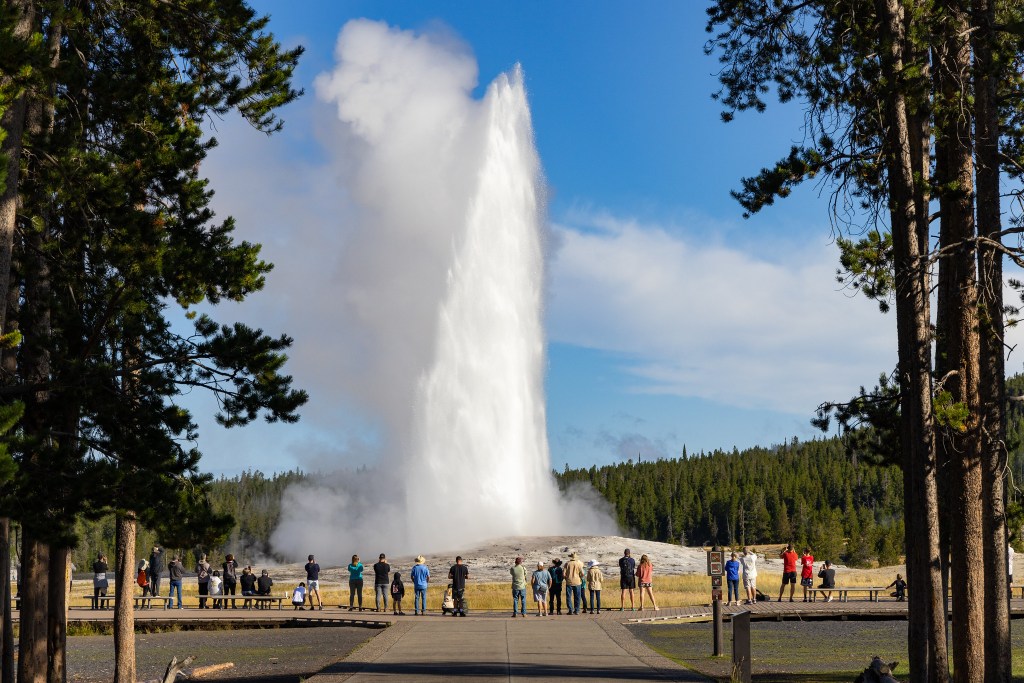
Much of the alarm online stems from a webcam video of a minor hydrothermal “eruption” at Black Diamond Pool, which occurred at 6:25 a.m. MDT on June 12, 2025. While visually striking, this was not a volcanic eruption. Hydrothermal explosions are steam-driven events caused by water heating rapidly beneath the surface – common in geyser basins like Biscuit Basin, where this event occurred.

These events do not indicate magma movement or increase the likelihood of a super-eruption.

Even the famed Steamboat Geyser, the world’s tallest active geyser, has had a busy year. But again, this activity is part of Yellowstone’s normal hydrothermal behaviour, which is separate from the volcanic system.

🧠 What the Science Says About Risk

New research published in 2025 using advanced imaging techniques (seismic tomography and magnetotellurics) has provided a more detailed look at Yellowstone’s subsurface magma system. Key findings include:

  • Four distinct magma bodies exist under Yellowstone, but they are mostly solidified (less than 15% melt), meaning they are not capable of producing a super-eruption.
  • A magma cap – a pressurized layer around 3.8 km deep – acts like a pressure relief valve, venting volcanic gases and preventing pressure buildup.
  • The risk of a major eruption is extremely low. The USGS estimates the annual probability of a super-eruption at 0.00014% – or 1 in 700,000.

Sources:

📡 Constant Monitoring and Global Attention

Yellowstone is not some forgotten natural hazard. It is among the most heavily monitored volcanic systems on Earth, with:

  • Over 40 seismic stations
  • Ground deformation sensors (GPS and InSAR)
  • Real-time gas emission detectors
  • Remote thermal imaging and high-resolution webcams

Additionally, new sensors were installed in 2024 in Biscuit Basin and Slough Creek to monitor hydrothermal features more precisely. Any significant change would be detected within minutes and shared widely by USGS, NOAA, and international volcanic monitoring organizations.

✅ Final Word

The truth is less dramatic than a TikTok clip, but far more reassuring. Yellowstone is a living, breathing volcanic and hydrothermal system, and minor earthquakes, geyser bursts, and steam explosions are all part of its normal geological rhythm.

The scientific consensus remains solid: there is no indication of any imminent eruption, let alone a catastrophic one. So while the Yellowstone landscape may be thrilling, the science is calm and clear.

If you want to stay informed without falling down conspiracy rabbit holes, bookmark the USGS Yellowstone Volcano Observatory or follow their official Twitter/X.

Don’t let fear hijack facts.

Bobby Donnell: A Case Study in Hypocrisy, Fragility, and the Collapse of Moral Leadership

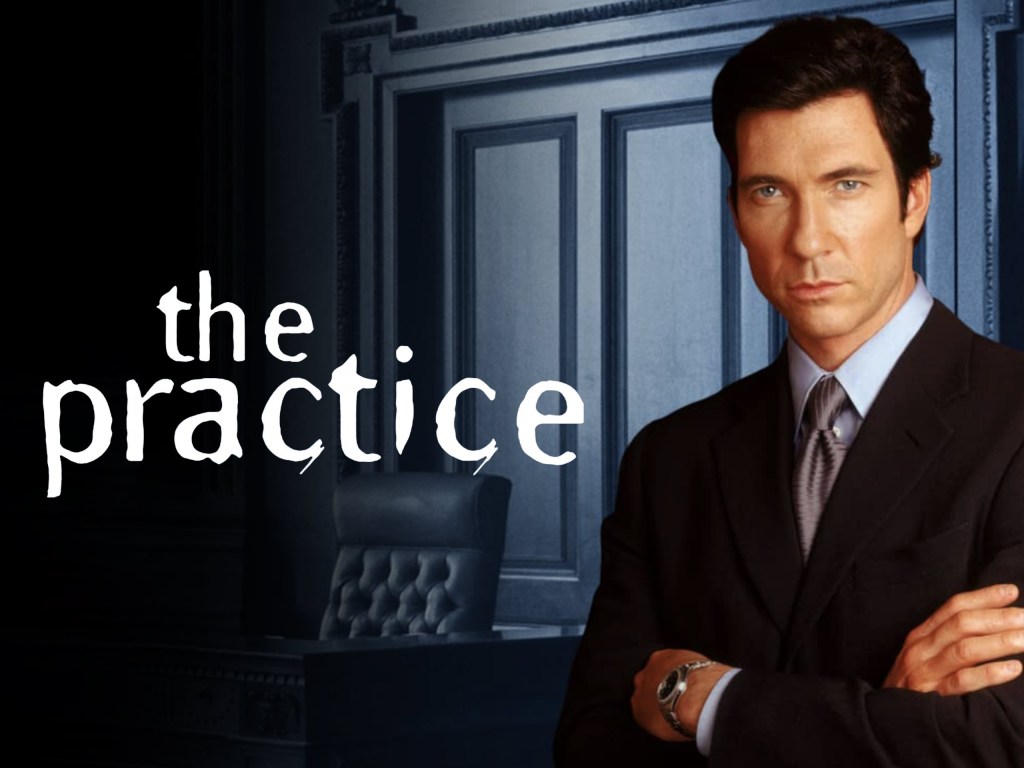
I’ve been rewatching The Practice, hoping for a dose of nostalgia: those late-90s courtroom theatrics, that moody theme tune, and the familiar rhythm of idealism crashing against legal reality. But what surprised me wasn’t the storytelling or the era, it was how deeply repelled I became by the show’s lead character, Bobby Donnell. A man of supposedly good intentions, he’s ultimately undone by his chronic emotional dishonesty and suffocating self-righteousness. In the end, the best thing the show did was pave the way for the arrival of the Boston Legal characters, who brought the nuance, wit, and moral complexity that Bobby never could.

For a character originally framed as the moral heart of The Practice, Bobby Donnell ultimately emerges as its most damning contradiction. Played with a smoldering mix of gravitas and entitlement by Dylan McDermott, Bobby begins the series as a principled criminal defense attorney running a small Boston firm with a mission: protect the rights of the accused, even the despised. But over eight seasons, Donnell unravels, not just under the weight of his cases, but under the pressure of his own hypocrisy, ego, and emotional rigidity. He becomes less a moral compass and more a cautionary tale of what happens when leadership is confused with self-righteousness.

From the very beginning, Bobby insists his firm is about justice, not winning, not profit, but justice. Yet in practice, he constantly makes decisions based not on principle but personal discomfort. In Season 2’s “Line of Duty,” he castigates Ellenor Frutt for defending a client accused of killing a cop, saying some cases just shouldn’t be touched, even though the client’s constitutional rights were clearly at risk. Later, he takes on a mob-connected case, barely blinking, justifying it with lawyerly detachment. His selective outrage isn’t about morality; it’s about optics and control.

This moral cherry-picking repeats again and again. He regularly scolds his colleagues, especially Ellenor and Eugene, for taking hard cases, yet he routinely inserts himself into the most controversial trials, usually for ego or narrative centrality. His courtroom speeches swell with high-minded rhetoric, but outside the courtroom, he withholds trust, refuses to share decision-making power, and isolates himself emotionally from his team. Even when he claims to be protecting the firm’s integrity, he does so in ways that diminish the very people who built it with him.

Perhaps the clearest example of Donnell’s contradictions is his relationship with Lindsay Dole. Their romance, marriage, and eventual collapse unfold like a metaphor for Bobby himself, filled with good intentions, but poisoned by his inability to be emotionally honest. He expects Lindsay to carry the weight of their private life while he wavers and withdraws, unsure whether he wants to be a husband, a leader, or a martyr. In Season 7, when Lindsay leaves both the firm and the marriage, Bobby doesn’t fight for either. He simply broods, as if his silent suffering proves moral superiority. It doesn’t. It proves emotional cowardice.

By the time we reach Season 8, Bobby’s time is up. In the premiere episode “We the People,” he quietly announces his resignation, telling Eugene the firm has “changed.” But it’s clear to everyone, audience included, that it’s Bobby who has lost the thread. He leaves not with a grand gesture or hard-earned redemption, but with a hollow retreat. He has become irrelevant in the very world he once dominated. His ideals, which once energized the firm, now suffocate it. His refusal to adapt, to delegate, or to acknowledge his own contradictions has rendered him inert.

This transition is even more striking when Alan Shore, played by James Spader, is introduced. Where Donnell is rigid, Shore is fluid. Where Bobby moralizes, Alan provokes. Where Donnell masks his ambition behind virtue, Shore lays his cards on the table and dares anyone to call his bluff. Alan Shore is deeply flawed, cynical, manipulative, and unrepentantly arrogant, but he is never dishonest with himself or others about what he is. That self-awareness becomes his superpower. In contrast, Bobby drowns in the space between who he thinks he is and how he actually behaves.

This contrast explains why Shore succeeded Donnell as the show’s new focus, and why Boston Legal, the spin-off centered on Alan, felt so fresh. Alan’s moral ambiguity is deliberate, ironic, and challenging. Bobby’s is accidental and tragic. One is a commentary; the other is an artifact.

And perhaps that’s where Bobby Donnell best reflects the culture of his time. Emerging in the late 1990s, Bobby embodied the era’s discomfort with ambiguity. He was created at a time when American television wanted its male leads to be strong, sensitive, and righteous, but without really questioning how they acquired their authority. He was a Gen-X liberal fantasy: passionate about justice, yet plagued by self-doubt; emotionally repressed, yet morally certain. As the show matured, and as post-9/11 culture demanded sharper moral distinctions, Donnell’s gray-zone ethics and hand-wringing leadership began to look less noble and more self-indulgent.

In the end, Bobby Donnell is not a crusader. He is a man who mistook his own fragility for integrity, and his discomfort for principle. He failed to grow, to share power, or to examine his contradictions. His quiet exit from The Practice wasn’t just a narrative decision or a budget cut, it was the necessary conclusion of a character who never truly earned the role of moral center. And as Alan Shore stepped into the void, The Practice pivoted from sermons to satire, from guilt to guile, and was, arguably, better for it.

When the Bully Yells, He’s Losing: What Navarro’s Rhetoric Really Means for Canada

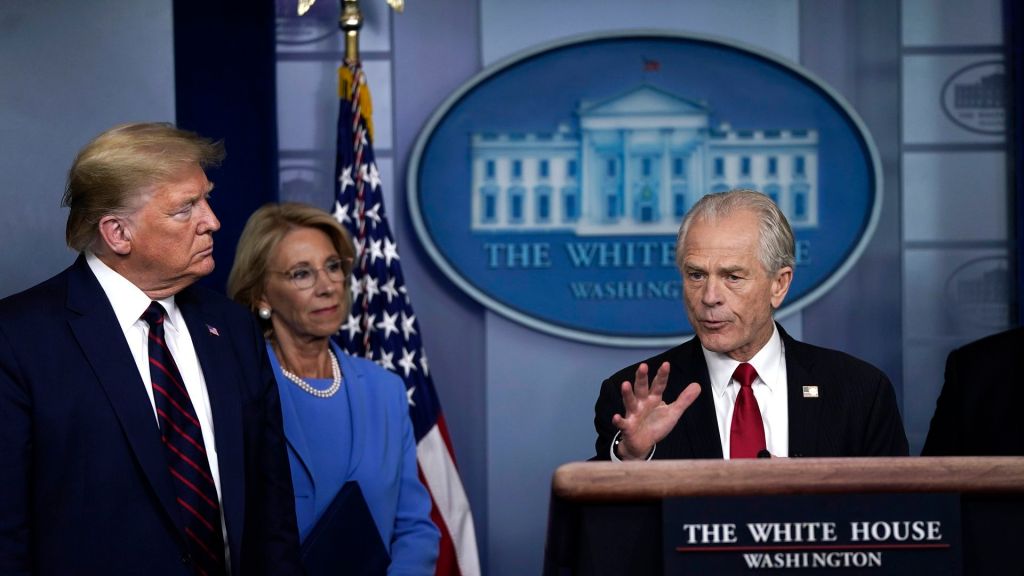
When Peter Navarro, former White House trade adviser and Trump loyalist, publicly urged Canadians to pressure their government into “negotiating fairly” before U.S. tariffs hit on August 1, the message wasn’t strength, it was panic. Navarro’s over-the-top rhetoric, painting Canada as an obstinate, underpowered negotiator, is less about truth and more about fear. If the United States were truly in control of the trade talks, it wouldn’t need to bluster. It wouldn’t need to insult. And it certainly wouldn’t be begging Canadians to do its dirty work.

Let’s be clear: Canada is not on its knees. We’re not some brittle middle power gasping for access to American markets. We’re a G7 economy with sophisticated supply chains, deep global trade ties, and a well-earned reputation for playing the long game. When Washington starts lashing out with threats and playground-level taunts, it’s a sign we’ve landed a punch.

Navarro’s claim that Canada is being “very challenging” at the negotiating table is revealing. It means our team is doing its job. Canadian trade officials, seasoned, careful, and resolute, have held their ground in defense of fair access, environmental standards, and domestic protections. That makes the Americans nervous. And when Americans get nervous in a Trump-style administration, they yell louder, not smarter.

The proposed 35% tariffs, to be imposed on Canadian goods not covered by the USMCA, are intended as a hammer. But even a hammer needs a target that won’t hit back. And this time, Canada has alternatives: deepening trade with the EU and Asia-Pacific, strengthening regional innovation hubs, and leveraging our vast resources in climate-sensitive sectors that the U.S. increasingly needs but doesn’t yet control.

Navarro also made a critical tactical error. By calling on Canadian citizens to push back against their own government, he misunderstands our national character. Canadians don’t take kindly to being told what to do, especially not by foreign officials acting like economic schoolyard bullies. The effect will likely be the opposite: renewed support for Ottawa’s position and a strengthening of political will across party lines to resist being steamrolled.

Historically, Canada has negotiated from the shadows, careful to avoid open confrontation. But this isn’t 1987. Today’s Canada is assertive, strategically patient, and unafraid of outlasting American tantrums. Navarro’s comments, while aggressive on the surface, are deeply revealing underneath. They betray a U.S. trade team that’s frustrated, boxed in, and afraid of losing leverage.

So yes, when the U.S. starts yelling, Canada should listen, but not to obey. To smile, stand tall, and quietly note: we’ve got them worried.

Sources:
• Bloomberg Law, “Navarro Urges Canada to ‘Negotiate Fairly’ Before August Tariff Deadline,” July 11, 2025.
• AInvest, “Trump Announces 35% Tariff on Canadian Goods,” July 11, 2025.
• Government of Canada, Global Affairs briefings on trade diversification (2023–2025).

Francesca Albanese and the Anatomy of a War

Francesca Albanese, the United Nations Special Rapporteur on the situation of human rights in the Occupied Palestinian Territories, has become one of the most influential, and controversial, voices in global human rights discourse. An Italian international lawyer appointed in 2022, Albanese has positioned herself at the forefront of international legal scrutiny over Israel’s conduct in Gaza. Her reports, grounded in humanitarian and international law, have consistently challenged the mainstream narratives upheld by Western governments. As the Gaza war grinds through its second year, Albanese has emerged not merely as a monitor, but as a forceful advocate for accountability, naming states, corporations, and institutions she believes are complicit in what she bluntly calls a genocidal campaign.

Her March 2024 report to the UN Human Rights Council marked a turning point. Titled “Anatomy of a Genocide,” the report concluded there were reasonable grounds to believe that Israel had committed acts constituting genocide against the Palestinian people in Gaza. She outlined three of the five legally defined genocidal acts under the 1948 Genocide Convention: the killing of group members, the infliction of serious bodily or mental harm, and the deliberate imposition of conditions calculated to bring about physical destruction. At the time of her report, more than 32,000 Palestinians had been killed, including over 13,000 children. Thousands more were presumed dead under rubble. The report accused Israel not only of disproportionate military action, but of implementing a systematic campaign to make Gaza uninhabitable.

The reaction was explosive. Israeli officials condemned the report as biased and dangerous. U.S. officials accused her of ignoring the Hamas attacks of October 7, 2023, which triggered Israel’s full-scale assault on Gaza, but Albanese had not ignored them. She acknowledged the attacks and the killing of Israeli civilians, calling for accountability for all war crimes. Her argument, however, centered on the scope and scale of Israel’s response, one she argued had moved far beyond self-defense into collective punishment and mass destruction. She called for arms embargoes, sanctions, and referrals to the International Criminal Court.

In July 2025, Albanese issued another report that further intensified international debate. This time, she focused on the role of private industry in sustaining the Gaza war. The 27-page document named over sixty multinational corporations allegedly involved in arming or profiting from the Israeli military campaign. Among them were Lockheed Martin, Elbit Systems, Caterpillar, Palantir, Microsoft, and Alphabet. Albanese argued that the war was not just politically and ideologically driven, but economically sustained a “lucrative genocidal campaign” in her words. She asserted that private military and surveillance industries were supplying the tools of destruction in Gaza, enabling and profiting from the ongoing devastation of Palestinian civilian life.

The U.S. government, under President Donald Trump and Secretary of State Marco Rubio, responded swiftly. In early July 2025, Albanese became the target of sanctions under the Global Magnitsky Act. Her U.S. assets were frozen, her entry into the United States banned, and she was publicly accused of antisemitism and abuse of her UN mandate. The sanctions were unprecedented. Never before had a UN Special Rapporteur been personally sanctioned by a Security Council member state. Rubio framed the action as a necessary response to what he called her “campaign of political warfare against Israel.”

International condemnation followed. UN officials, the European Union, and rights organizations including Amnesty International and Human Rights Watch decried the move as a direct assault on the independence of UN experts. The UN High Commissioner for Human Rights reminded member states that Rapporteurs operate under strict mandates and do not represent the UN’s institutional voice, but contribute independent expertise essential to global governance. Amnesty International called the sanctions “a disgrace to international justice,” warning they would have a chilling effect on future investigations of powerful states. Albanese herself called the measures “obscene,” arguing they were designed to silence her work and shield Israel and its allies from legal scrutiny.

At the core of Albanese’s work is a consistent demand for equal application of international law. She insists that rights and protections cannot be selectively applied based on alliances or geopolitical convenience. In doing so, she has tapped into a growing current of frustration, particularly in the Global South, where the credibility of Western-led institutions is seen as deeply compromised. Her reports have become essential reading for legal scholars, policymakers, and activists seeking to understand not only the Gaza conflict, but also the broader erosion of global legal norms.

Francesca Albanese is not neutral, nor does she pretend to be. Her work takes a moral stance, grounded in legal analysis and human rights doctrine. It is that very combination, rigorous documentation and unapologetic condemnation, that has made her one of the most important, and most polarizing, figures in the debate over Gaza. She has forced the international community to confront uncomfortable truths, not only about war, but about complicity, silence, and profit.

Sources:
https://www.reuters.com/business/aerospace-defense/lucrative-business-deals-help-sustain-israels-gaza-campaign-un-expert-says-2025-07-01
https://www.apnews.com/article/e74d283c8cb9c1a61eec61a22ce62dc0
https://www.aljazeera.com/news/2025/7/10/un-expert-albanese-rejects-obscene-us-sanctions-for-criticising-israel
https://www.un.org/unispal/document/states-must-adhere-to-obligations-under-genocide-convention-francesca-albanese-ohchr-pr-26mar24
https://www.amnesty.org.au/usa-sanctions-against-francesca-albanese-are-disgrace-t-international-justice
https://en.wikipedia.org/wiki/Second_inauguration_of_Donald_Trump

Volunteerism in Canada: A Changing Landscape Across Time and Geography

Volunteerism has long been woven into the fabric of Canadian society. From informal acts of neighbourly support to highly structured programs run through non-profits and public institutions, the practice of giving time and effort without monetary reward has played a vital role in community building, social cohesion, and service delivery. Yet, as Canada changes, demographically, economically, and technologically, so too does the nature of volunteering. In particular, the contrast between rural and urban participation in volunteerism highlights both opportunity and strain within the sector.

A Historical Perspective: State Support and Civic Energy
Canada’s federal government has historically recognized the value of volunteerism and made substantial efforts to coordinate and support the sector. The most significant of these efforts came in the early 2000s with the Voluntary Sector Initiative (VSI), a groundbreaking partnership between the federal government and the voluntary sector. It aimed to improve relations, support innovation, and enhance governance in the non-profit field. Within it, the Canada Volunteerism Initiative (CVI) funded research, capacity-building, and public engagement campaigns. Although the VSI ended in 2005, it laid important groundwork by formalizing the relationship between civil society organizations and the federal state.

Departments such as Human Resources Development Canada (HRDC), later restructured into Employment and Social Development Canada (ESDC), have overseen volunteer policy and programming. Recent federal initiatives, like the Canada Service Corps (launched in 2018), focus on youth engagement in service projects and offer microgrants to promote local volunteering. The New Horizons for Seniors Program also supports older Canadians’ participation in community volunteerism. While there is no standalone federal department solely dedicated to volunteerism, it remains embedded within broader social development frameworks.

Recent Trends: Decline and Resilience
Data from the late 2010s and early 2020s reveal both strengths and stresses within the Canadian volunteer ecosystem. As of 2018, over 13 million Canadians, 41% of the population, were engaged in formal volunteerism, contributing a staggering 1.7 billion hours annually. Yet post-pandemic surveys show troubling signs: 55% to 65% of charities report difficulty recruiting and retaining volunteers, with many forced to cut programs due to shortages.

Notably, volunteer patterns are shifting. Traditional, long-term roles are declining in favour of more episodic or informal volunteering, especially among youth. Factors such as time constraints, economic insecurity, digital preferences, and burnout have reshaped how Canadians approach community service. While organizations like Volunteer Canada continue to offer leadership, training, and research, there is growing urgency to adapt volunteer roles to new realities; flexible schedules, virtual engagement, and better inclusion of marginalized groups.

The Rural – Urban Divide: Participation and Capacity
Perhaps the most persistent, and revealing, dimension of volunteerism in Canada is the divide between rural and urban communities. Historically, rural Canadians have had higher participation rates in formal volunteering. Data from the late 1990s and early 2000s show that 37% of rural residentsvolunteered, compared with 29% in urban centres. Among those with post-secondary education, rural volunteers also outpaced urban peers: 63% of rural university grads volunteered versus 42% in urban areas. Similarly, 67% of college-educated rural residents participated in community groups, compared to 55% in cities.

This elevated participation reflects the central role that volunteering plays in small towns and rural communities, where fewer formal services exist, and much of the civic infrastructure, libraries, community centres, fire services, food banks, is volunteer-run. Yet this strength is also a vulnerability. In recent years, many rural communities have reported a sharp decline in volunteer numbers. A 2025 report from rural Alberta described the “plummeting” of local volunteers, warning that essential community functions were under threat.

The rural sector also faces structural challenges. Of Canada’s ~136,000 non-profit organizations in 2022, only 21.3% were located in rural or small-town settings, compared to 78.7% in urban areas. This limits both the reach and coordination capacity of the rural volunteer system, even as demand for services grows. Moreover, rural organizations often lack the staff or infrastructure to recruit and manage volunteers effectively. Data from Volunteer Toronto’s 2025 report confirms that non-profits with dedicated volunteer managers are 16 times more successful in engaging people, resources many rural groups simply don’t have.

The Broader Role of Volunteerism: Health, Identity, and Belonging
Beyond economics and logistics, volunteerism holds deeper meaning in Canadian life. Research has long shown strong links between volunteering and well-being. Volunteers report lower stress levelsbetter mental health, and a greater sense of purpose. For newcomers, volunteering offers social integration. For youth, it builds skills and confidence. For seniors, it combats isolation.

Moreover, volunteering shapes Canadian identity. The nation’s reputation for kindness and civic responsibility is deeply connected to the widespread assumption that people help each other, often through organized groups. Volunteerism is one of the few activities that bridges socio-economic, linguistic, and cultural divides.

A Call for Renewal
Volunteerism in Canada is both a legacy and a living system. While the numbers remain impressive, the sector is showing signs of strain, especially in rural areas and among long-time service organizations. A national renewal is underway: a National Volunteer Action Strategy is being developed with support from the federal government, aiming to modernize the sector and reverse declining trends.

As Canada continues to evolve, so too must its approach to volunteerism. This means investing in recruitment, training, and support, especially where capacity is low. It means listening to the needs of volunteers themselves and creating flexible, inclusive ways to contribute. Most of all, it means recognizing volunteerism not just as charity or goodwill, but as vital infrastructure in the Canadian democratic and social landscape.

Sources
• Volunteer Canada (2023–2024 reports): https://volunteer.ca
• Statistics Canada: General Social Survey and 2018 formal volunteering stats
• Canada Service Corps and ESDC evaluation documents (2023–2024)
• Volunteer Toronto Snapshot (2025): https://www.volunteertoronto.ca
• Senate report “Catalyst for Change” (2023)
• Rural Alberta volunteer crisis coverage: https://rdnewsnow.com