
This week, Aston Students’ Union handed over The Green (originally called Aston Brook Green) to Midland Heart, ending forty-five years of student-led housing. On paper, it is just a change of management. A shift in responsibility. Another entry in the long story of how universities house their students.
In practice, it marks the end of something rarer.
For nearly half a century, The Green was a place where students were not treated primarily as customers, nor as problems to be managed. They were treated as adults capable of running a community. Affordability, stability, and shared responsibility mattered more than luxury or profit. That was what defined the place.
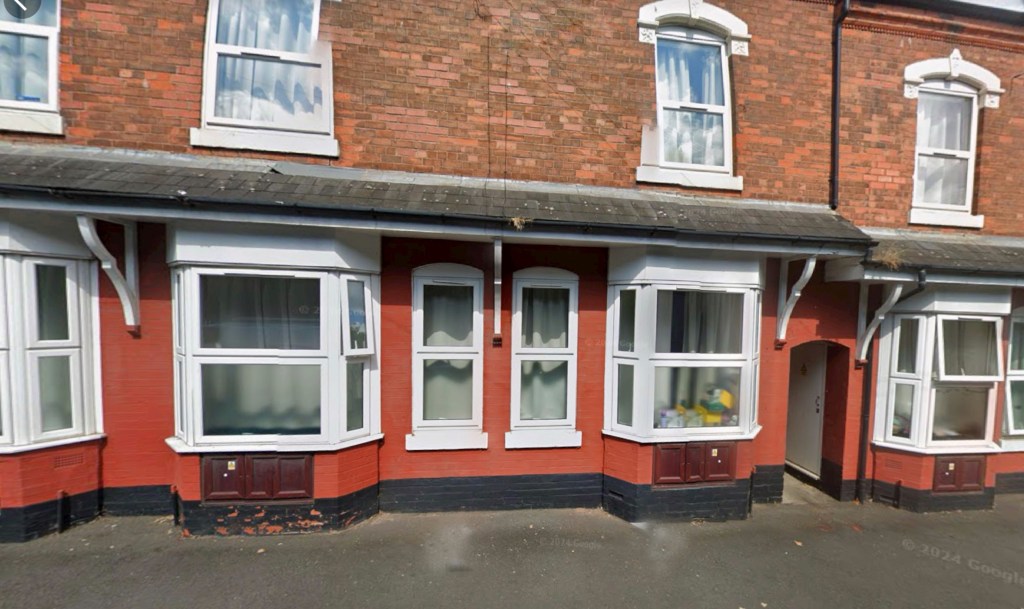
I lived there as an undergrad from 1983 to 1985, and was elected Chairperson of the Aston Students’ Union for the final year. At the time, it did not feel historic. It felt ordinary. And that, looking back, was the most telling detail of all.
What The Green Was
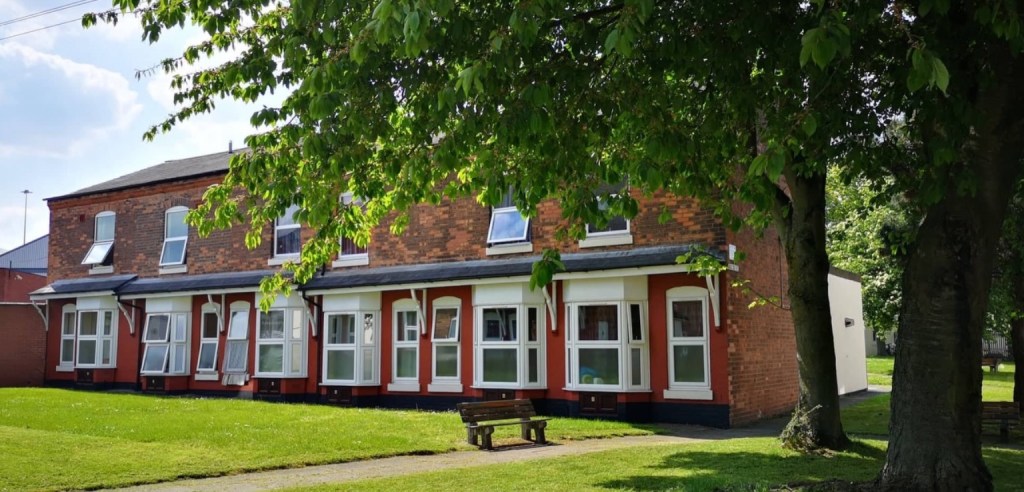
The Green began in the early 1980s, a Students’ Union project built on converted Victorian terraces a short walk from campus. Midland Heart owned the properties, but the Students’ Union ran the show. Wardens, offices, rules, social events – they were all there, but in a way that trusted students to be responsible rather than policing them.
Rent was low, all utility bills included. Students with part-time jobs could manage it easily, and that alone changed the atmosphere. The buildings were basic: functional kitchens, shared bathrooms, laundry rooms that smelled faintly of detergent and late-night pasta. It did not matter. Residents understood that sufficiency was enough, and that the space could be transformed by their participation in it. The walk to and from the campus was about 15 mins, and best done in groups at night, as the canal area was in its early stages of redevelopment and Chester St was badly lit.
Life in the Early Years
For those of us there in the early to mid 1980s, it was almost magical in its ordinariness. Students acted as wardens, organised events, kept an eye on one another. Rules existed, but the emphasis was on community, not judgment.
Daily life was modest: cooking, cleaning, laundry, repairing what broke. The terraces were designed to encourage chance meetings, small conversations, accidental friendships. Staff were approachable. Advice and guidance were available, quietly, without ceremony.
Aston Brook Green had a rhythm. Work and study punctuated life, but social bonds carried it along. Each year, new residents arrived and old ones left, yet the sense of continuity persisted, held together by wardens, traditions, and the expectations everyone shared. House parties, new romances, and late night study groups were all part of daily life at The Green.
Why It Worked
The Green succeeded not because of facilities, or because it was convenient, or even because it was cheap. It succeeded because it trusted its residents, because it assumed that young adults could act responsibly if given the space.
Affordability mattered. When students were not preoccupied with paying exorbitant rent, they had capacity to engage, contribute, and create. They learned more than their courses could teach: how to live together, how to manage conflict, how to take care of each other. According to the Students’ Union, over its lifetime The Green supported around 6,750 students (about 150 residents each year) and ended up saving students millions of pounds compared with typical student rents in the area.
For decades, it proved that student housing could be about more than profit. That a minimal, trusting system could produce safety, respect, and stability. That is worth remembering.
What Is Lost
With the handover, that model changes. Students will still live in the same buildings, but under management focused on efficiency, risk, and oversight. The ethos of self-governance, of trust and shared responsibility, will no longer be the organizing principle.
The loss is subtle, but significant. It is not just the buildings. It is a way of living together, quietly assumed, practiced over generations. It is the disappearance of a model in which students mattered as participants, not simply tenants.
Memory as Stewardship
Remembering Aston Brook Green is itself a form of society care. To recall its open spaces, its tiny kitchens, its community laundry units is to recognize that something unusual once existed. Affordable, student-led housing is possible. Community, trust, and sufficiency can coexist with study, work, and the pressures of young adulthood.
Forty-five years is a long time. The Green was not just a place to live. It was a framework for learning how to live together with intention. It nurtured generations of students. Its legacy endures, in memory and in principle, even as the keys change hands.
 The Rowanwood Chronicles