
In a rare moment of geopolitical clarity and moral courage, the United Kingdom has agreed to transfer sovereignty of the Chagos Islands to Mauritius while securing a 99-year lease on Diego Garcia, the region’s pivotal military base. The agreement, unveiled by Prime Minister Keir Starmer’s government, is both a forward-looking strategic arrangement and a long-overdue act of historical redress.
At the heart of the deal is a pragmatic security arrangement: the UK will retain uninterrupted access to Diego Garcia, which hosts vital joint operations with the United States. In return, it will pay £101 million annually to Mauritius. This ensures that Britain continues to anchor its defence capabilities in the Indo-Pacific; a region where rival powers like China, Russia, and Iran are rapidly expanding their influence.
From a fiscal standpoint, the agreement is well within reason. Defence Secretary John Healey rightly pointed out that the annual lease cost is comparable to operating a single aircraft carrier. In fact, the payment constitutes just 0.15% of the UK’s £67.7 billion annual defence budget—a fraction of the cost for maintaining global readiness and a meaningful presence in one of the world’s most strategically significant regions. For a modest financial outlay, the UK preserves its operational edge, cements a critical alliance with the US, and reinforces its relevance in global affairs.
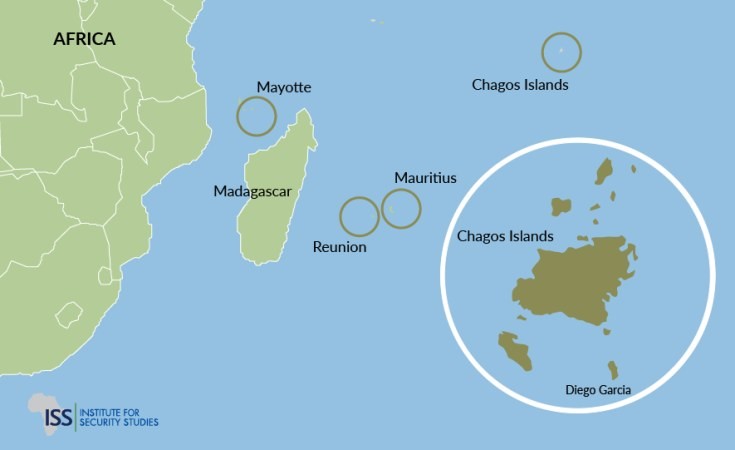
Yet the agreement is more than a security calculation. It also addresses one of Britain’s most painful colonial legacies. In 1965, the UK controversially separated the Chagos Archipelago from Mauritius, evicted the native Chagossians, and facilitated the construction of the Diego Garcia military base. These actions, condemned by the International Court of Justice and the UN General Assembly, have weighed heavily on the UK’s international standing.
The return of sovereignty to Mauritius is therefore a landmark act of accountability. It signals that Britain is willing to engage honestly with its imperial past, even when doing so involves diplomatic and political complexity. This is a step not just toward reconciliation with Mauritius, but also toward reasserting the UK’s commitment to international law and human rights.
Still, the success of this agreement must be judged not only by its geopolitical merit, but also by how it serves the people most affected: the Chagossians. The agreement allows Mauritius to implement a resettlement plan across the archipelago, excluding Diego Garcia. While this represents progress, it does not fully resolve the aspirations of Chagossians who long to return to their ancestral home.
As Bernadette Dugasse, a displaced Chagossian, movingly put it: “I don’t belong in the UK, I don’t belong in Mauritius, I don’t belong in the Seychelles. I belong in Diego Garcia.” These voices must not be sidelined. It is imperative that the UK and Mauritius ensure that Chagossians are not only consulted but empowered in shaping the future of the islands.
This deal is a model of how a former colonial power can act responsibly in today’s world, by marrying strategic foresight with moral responsibility. Britain has taken a step forward, not just in securing its defence, but in doing justice. Now, it must ensure that the Chagossian people are treated with the dignity they have long been denied.
 The Rowanwood Chronicles