
Elim Garak: The Enigmatic Thread of Deep Space Nine

Elim Garak, the exiled Cardassian spy-turned-tailor, is one of Star Trek: Deep Space Nine’s most compelling characters. Portrayed masterfully by Andrew Robinson, Garak’s role in the series transcends mere espionage or political intrigue – he embodies the moral complexity of DS9, offering a unique perspective on war, loyalty, and redemption. Throughout the series, Garak’s shifting allegiances and cryptic motivations make him a wildcard whose actions often shape the larger conflicts at play.

Garak is introduced as a seemingly harmless tailor on the space station, a remnant of Cardassia’s former occupation of Bajor. His past as an operative for the infamous Obsidian Order is hinted at, but never fully revealed, a mystery he cultivates with half-truths and deflections. His interactions with Dr. Julian Bashir, in particular, serve as an early means of peeling back his layers. Through their friendship, Garak becomes a guide for Bashir’s, and the audience’s, understanding of the murky realities of espionage, politics, and morality. While Bashir initially sees the world in stark terms of good and evil, Garak teaches him that survival often requires moral compromise.

As the series progresses, Garak’s importance in the DS9 arc deepens. His role in the war against the Dominion, particularly in shaping the Federation’s alliance with the Romulans, is one of the show’s defining moments. In “In the Pale Moonlight”, Captain Sisko turns to Garak to forge a deception that will bring the Romulans into the war. Garak, understanding that manipulation and subterfuge are sometimes necessary, orchestrates the murder of a Romulan senator and plants fabricated evidence to implicate the Dominion. His chilling pragmatism, accepting assassination as the necessary price of victory, forces Sisko to confront the harsh realities of wartime leadership.

Garak’s return to Cardassia in the series’ final arc is equally pivotal. Once a pariah, he finds himself in the heart of a resistance movement against the Dominion and the puppet Cardassian government. His knowledge of covert operations, combined with his deep (if complicated) love for his people, makes him instrumental in the fall of the Dominion-aligned regime. However, Garak’s triumph is bittersweet – by the war’s end, Cardassia is devastated, its cities in ruins, and its people broken. In “What You Leave Behind”, Garak acknowledges that while he fought to liberate his homeworld, he may never truly belong there again.

Garak’s arc is one of self-discovery and tragic inevitability. He begins as an outcast and ends as a reluctant hero, yet he remains a man without a home. His story reflects DS9’s larger themes; gray morality, the cost of war, and the weight of history. Whether acting as a loyalist, a dissident, or an ally of convenience, Garak remains true to himself: a survivor who understands that sometimes, the dirtiest work must be done for the greater good.

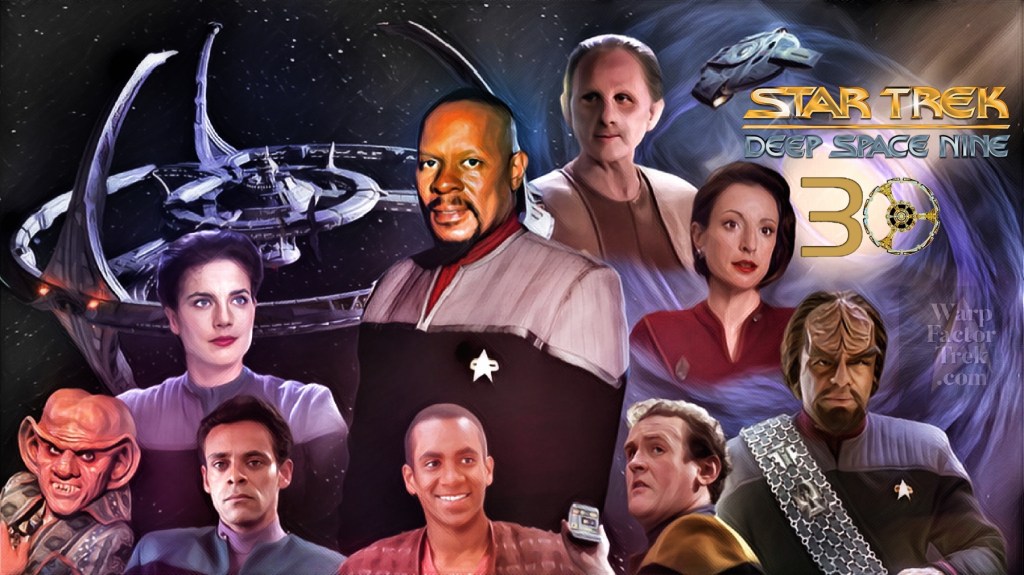
DS9 is Simply the Best Star Trek to Date

Star Trek: Deep Space Nine (DS9) is widely regarded as the most complex and compelling series in the Star Trek franchise, setting itself apart through its intricate storytelling, morally gray characters, and bold exploration of themes that challenge traditional Star Trek optimism. Unlike the more episodic nature of The Original Series and The Next Generation, DS9 adopts a serialized approach, allowing for deeply interconnected story arcs that resonate on a larger scale. The Dominion War, a centerpiece of the series, stands as a testament to this approach, offering a gritty, multi-season exploration of warfare, diplomacy, and the ethical dilemmas faced by individuals and governments during times of crisis.

One of DS9’s greatest strengths is its cast of richly developed characters. Benjamin Sisko, played masterfully by Avery Brooks, is a layered protagonist who balances the responsibilities of a Starfleet officer with his personal struggles as a father, widower, and religious figure to the Bajoran people. Sisko’s arc as the Emissary of the Prophets adds a spiritual dimension to his leadership, making him one of the most complex captains in the franchise. Characters like Kira Nerys, a former Bajoran resistance fighter, and Garak, a Cardassian tailor and ex-spy, further highlight DS9’s ability to delve into morally ambiguous territories. Kira’s journey from hardened freedom fighter to a diplomat striving for peace underscores the personal cost of resistance and rebuilding, while Garak’s layers of deceit and loyalty make him one of the most fascinating secondary characters in Star Trek history.

The series also excels in its exploration of darker and more controversial themes. For instance, the occupation of Bajor by the Cardassians serves as a thinly veiled allegory for real-world historical atrocities, such as colonialism and genocide. Episodes like “Duet” and “The Siege of AR-558” confront the horrors of war and occupation head-on, forcing both the characters and viewers to grapple with uncomfortable truths about morality and justice. The Dominion War arc, spanning multiple seasons, brings these themes to a head, portraying the Federation in its most vulnerable state. Through this, DS9 challenges the idealism that defined earlier Star Trek series, asking whether the Federation’s values can endure in the face of existential threats.

DS9’s stationary setting on a space station near a strategic wormhole allows it to explore interpersonal dynamics and long-term political relationships more deeply than its predecessors. The station serves as a cultural melting pot, fostering interaction between species like the Bajorans, Cardassians, Ferengi, and Dominion. This unique setup creates a backdrop for stories that delve into diplomacy, trade, and cultural tensions. Episodes such as “In the Pale Moonlight”, where Sisko manipulates events to bring the Romulans into the Dominion War, exemplify the show’s willingness to confront moral ambiguity.

Moreover, DS9 embraces diversity and representation. It features one of the first Black leads in sci-fi television and presents LGBTQ+ themes subtly through characters like Jadzia Dax, whose experiences challenge traditional notions of identity and love.

By combining rich storytelling, profound character arcs, and a willingness to push boundaries, Deep Space Nine remains not only the best Star Trek series, but also one of the most thoughtful and impactful sci-fi shows ever created.

I wrote this piece almost two years ago, and I have been holding off publishing. Why? Strange New Worlds, that’s why! I have been totally taken with this series, and yet for me, it’s needs a little more longevity before I am going to change my mind – just saying!