
For all true Geordies, there is only one sports team that holds a place in our hearts. Newcastle United is an integral part of the region’s identity, as is the stadium St James’ Park, home to the team since 1892, yet SJP is constrained by its urban location, surrounded by Leazes Terrace, roads, and nearby developments. While SJP holds huge sentimental value for the club, the city and the fans, perhaps it’s time to consider developing a new stadium complex in a less restricted area of the city?
While upgrading St James’ Park might seem like a cheaper option, retrofitting an older structure can often become a costly and prolonged endeavour. Unforeseen complications in renovation projects frequently inflate budgets beyond initial estimates.
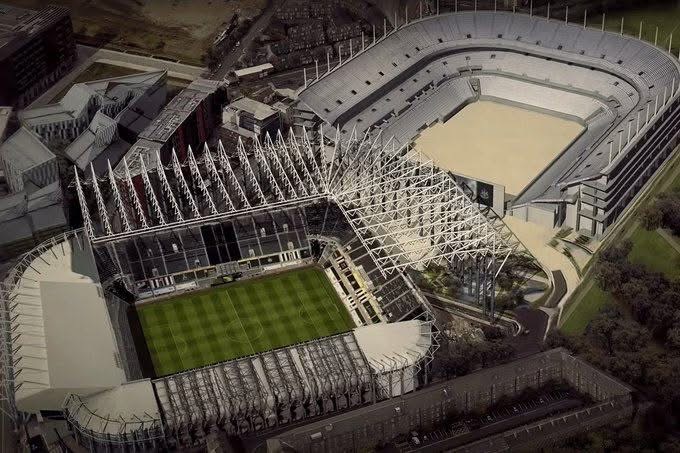
Conversely, a new stadium, although more expensive initially, would be designed with modern construction techniques that ensure cost predictability, energy efficiency, and future adaptability. Additionally, a state-of-the-art facility could significantly boost the local economy by attracting major events like concerts, international matches, and other large-scale events that St James’ Park cannot readily accommodate.
With Newcastle United’s ambitious ownership and growing status in the Premier League, the club will need facilities that reflect its aspirations. A new stadium with a capacity of 70,000, even 80,000 plus, could match or exceed competitors like Tottenham Hotspur and Manchester City in terms of matchday revenue, sponsorship opportunities, and global visibility.
A brownfield site near the River Tyne presents a compelling option for Newcastle United’s new stadium complex. Its unique location and redevelopment potential make it an attractive alternative to expanding St James’ Park. The site’s proximity to the River Tyne places it within reach of Newcastle’s city centre, ensuring the new stadium remains a core part of the city’s identity. Excellent transport links, including nearby Metro stations, bus routes, and road infrastructure, would allow fans easy access while avoiding the current congestion challenges of St James’ Park.
The redevelopment of a brownfield site aligns with urban planning principles of repurposing underutilized land rather than consuming greenfield areas, minimizing environmental disruption. The larger area could also accommodate additional amenities, such as a dedicated fan zone, expansive parking, and training facilities, turning the stadium into a multifunctional venue for year-round events. The new stadium could incorporate features like solar panels, green roofs, and rainwater harvesting systems, reducing its environmental footprint. The proximity to the River Tyne also presents opportunities for innovative eco-design, such as utilizing the river for heating and cooling systems through heat pump technology.
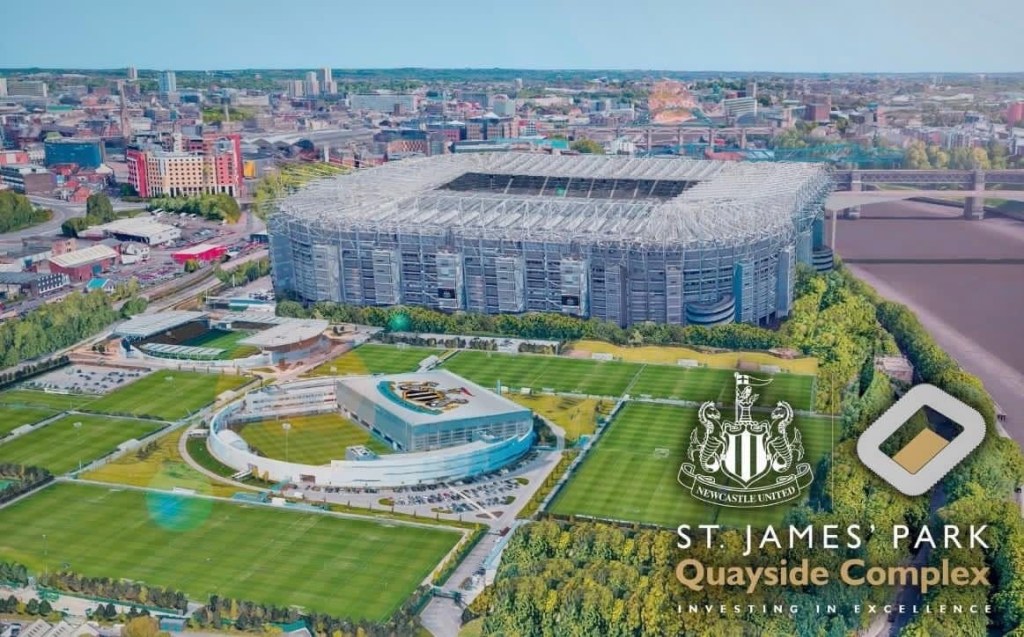
A stadium beside the River Tyne would give Newcastle United a visually striking and iconic location. The riverside view could become a signature image for the club, much like Anfield’s Shankly Gates or the view of the Thames from Fulham’s Craven Cottage.
While St James’ Park holds sentimental value for Newcastle fans, the limitations imposed by its location, age, and structure suggest that a new stadium would better serve the club’s aspirations and fans’ needs. It is an opportunity to honor Newcastle United’s history while embracing a bold, modern vision for its future.
Sources
Brownfield Regeneration UK (2023). “Case Studies in Urban Redevelopment.”
Newcastle Chronicle (2024). “Potential Sites for Newcastle United’s New Stadium.”
The Guardian (2022). “Stadiums as Catalysts for Urban Growth.”
Environment Agency (2023). “Managing Flood Risks in Riverside Developments.”
The Athletic (2024). “Newcastle United’s Long-Term Stadium Plans.”
Smith, J. (2023). “Stadium Expansion vs. New Build: Challenges for Premier League Clubs.” Football Architecture Journal.
Jones, R. (2022). “Economic Impacts of Modern Football Stadiums on Urban Development.” Sports Economics Quarterly.
Newcastle Chronicle (2024). “Why St James’ Park Expansion Is Almost Impossible.”
 The Rowanwood Chronicles