
While I am extremely fortunate to live on a small hobby farm, I started learning about growing my own food as a pre-teen living in an apartment with a concrete yard using containers. My grandparents lived on a half acre with a greenhouse and cold frames, and this expanded my learning opportunities until I could get my own space. Wherever I have settled in the world, I have grow some level of my food, whether it’s been window sill herb gardens, raised beds on a small city lot, or a few acres of orchards, perennial fruit and veg, with rows of annual harvests.
There was a time when backyard gardening was seen as a hobby, something for retirees with time on their hands, or for children learning about where their food comes from, but in recent years, urban agriculture has become much more than a pastime. As food prices continue to rise and supply chains face disruptions, more people are turning whatever outdoor space they have – balconies, patios, backyards, and even front lawns – into productive gardens. The shift isn’t just about saving money; it’s about taking control of food security in an increasingly uncertain world.
The past few years have revealed vulnerabilities in the global food system. The pandemic exposed just how fragile supply chains can be, with empty grocery store shelves becoming a common sight. At the same time, extreme weather events linked to climate change have devastated farmland, reducing crop yields and further driving up prices. For many families, fresh, nutritious food has become harder to afford. The solution, in part, lies closer to home. Urban agriculture, even on a small scale, can help reduce dependence on imported produce while ensuring access to healthy food.
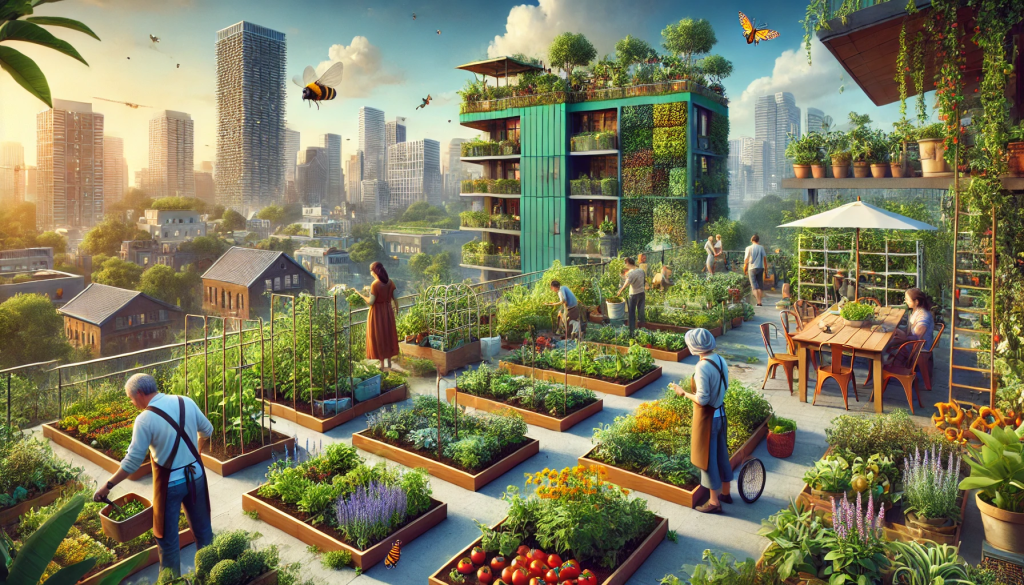
One of the biggest misconceptions about growing food is that it requires a large plot of land. In reality, a surprising amount can be harvested from small spaces. Balconies and patios can support potted herbs, tomatoes, and peppers. Small backyards can accommodate raised beds, which improve soil quality and provide better growing conditions. In denser urban areas, community gardens have emerged as a way for neighbors to grow food together, share resources, and build a sense of connection. Some residents are even experimenting with hydroponic systems, allowing them to grow fresh greens indoors year-round.
Beyond the personal benefits, urban agriculture plays a vital role in strengthening communities. When people grow food together, they build relationships and foster a shared sense of responsibility for local food production. Many community gardens serve as educational spaces where people learn about sustainability, organic farming techniques, and seasonal eating. Some initiatives even donate surplus produce to local food banks, ensuring that those in need have access to fresh, healthy food.
The environmental benefits are equally compelling. Green spaces in urban areas help reduce heat, mitigate stormwater runoff, and provide much-needed habitats for pollinators like bees and butterflies. Growing food locally also reduces the environmental impact of transportation, cutting down on emissions associated with long-distance shipping.
While urban agriculture isn’t a replacement for large-scale farming, it is an essential piece of the puzzle when it comes to food resilience. As more people recognize the value of growing their own food – whether for economic reasons, environmental concerns, or simply the satisfaction of harvesting something fresh from their own backyard – cities are beginning to adapt. Local governments are easing zoning restrictions, supporting community garden initiatives, and encouraging green infrastructure.
The future of food may be more localized than ever before. Urban agriculture is proving that solutions don’t have to come from massive farms or distant suppliers. Sometimes, they start with a single tomato plant growing just outside the door.
 The Rowanwood Chronicles