
The haggis (Haggis scoticus), a mysterious and elusive creature, is said to inhabit the remote Scottish Highlands. Long regarded as a cryptid akin to the Loch Ness Monster, the haggis is believed to be a small, fur-covered mammal uniquely adapted to Scotland’s rugged terrain. Its most distinctive feature is its asymmetrical legs, with one side longer than the other. This adaptation allows it to navigate steep hillsides effortlessly but confines it to running in a single direction around slopes—a limitation that has fueled stories of clever hunters capturing them by startling them into reversing course.

Haggises are thought to dwell in heather-clad hills and secluded glens, blending perfectly with their surroundings. Their diet consists of heather shoots, moss, and grasses, and they are rumored to forage near farms for grains like barley, which connects them to their culinary namesake. Some accounts suggest the haggis is nocturnal, emerging under the cover of darkness to avoid predators and humans.
Sightings of the haggis have been rare, often dismissed as folklore or misidentifications of other animals. Yet, local hunters and Highlanders insist on its existence, with tales of encounters passed down through generations. Scientific expeditions to confirm the haggis’s reality have been inconclusive, adding to its mystique.
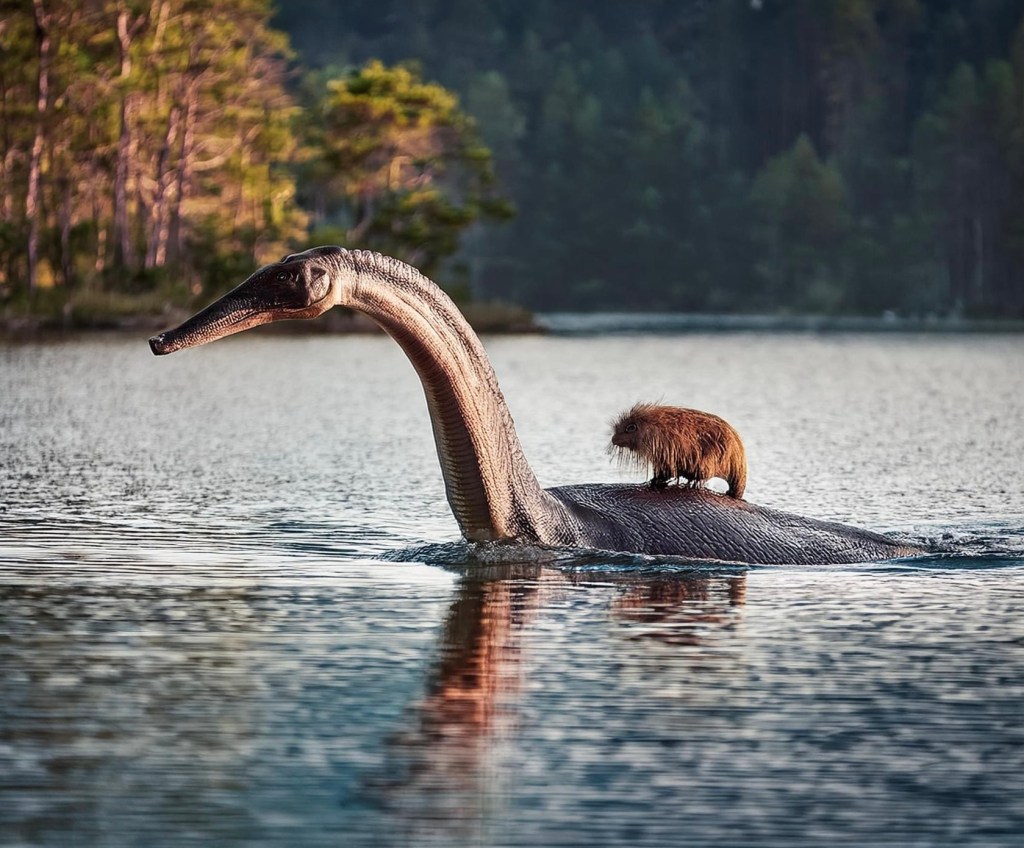
The haggis remains an integral part of Scottish identity, celebrated in both folklore and tradition. For many, the creature is a symbol of Scotland’s wild beauty and the enduring mystery of its untamed landscapes.
 The Rowanwood Chronicles