From Prescriptions to Prevention: The Growing Impact of Canadian Pharmacists

Pharmacists in Canada have become essential pillars of the healthcare system, taking on expanded roles that go far beyond dispensing medications. As our population grows and ages, and as primary care resources become increasingly strained, pharmacists are stepping up to fill critical gaps in care. Their unique combination of accessibility, expertise, and patient trust makes them well-suited to these enhanced responsibilities.

One of the most visible ways pharmacists have broadened their reach is through vaccine administration. It wasn’t so long ago that getting a flu shot or other routine vaccinations required a trip to the doctor’s office or a public health clinic. Now, across Canada, pharmacists play a key role in immunization programs. The COVID-19 pandemic underscored their importance, as pharmacists helped deliver millions of vaccine doses quickly and efficiently, often reaching communities where healthcare access was otherwise limited.

Another area where pharmacists are making a real difference is in treating minor ailments. In many provinces, they are now authorized to prescribe medications for everyday conditions such as urinary tract infections, seasonal allergies, and cold sores. This reduces the need for a lengthy wait at a doctor’s office and allows patients to receive timely treatment. Alberta, for instance, has been at the forefront, granting pharmacists the authority to prescribe independently. It’s a model that has proven effective and is gradually being embraced elsewhere.

Beyond acute issues, pharmacists are increasingly involved in the long-term management of chronic diseases like diabetes, hypertension, and asthma. Their role often includes monitoring patients, adjusting medications, and providing counseling to ensure treatments are followed correctly. Programs like Ontario’s MedsCheck allow pharmacists to conduct thorough reviews of a patient’s medication regimen, helping to prevent complications and improve quality of life. For those managing complex conditions, this kind of hands-on support can be transformative.

Pharmacists have also emerged as key players in addressing Canada’s opioid crisis. Many now provide naloxone kits and training, equipping individuals and families to respond to overdoses. Additionally, they support patients undergoing opioid substitution therapy, such as methadone or buprenorphine treatment, helping to reduce stigma and promote recovery. These services demonstrate the compassion and expertise pharmacists bring to some of the most challenging aspects of healthcare.

Their work extends even further, encompassing point-of-care testing for conditions like strep throat, high cholesterol, or blood sugar levels. By offering immediate results and on-the-spot advice, pharmacists enable patients to make informed decisions without delay. Nova Scotia, for example, has introduced rapid strep throat testing in pharmacies, where patients can receive a prescription on the same visit if necessary.

Mental health care is another area where pharmacists are proving invaluable. They regularly counsel patients on the proper use of psychiatric medications, monitor for side effects, and collaborate with other healthcare providers to ensure effective treatment. Saskatchewan has introduced collaborative care models that empower pharmacists to take a more active role in managing mental health conditions, a critical service given the growing demand for mental health support.

Education and preventive care are also cornerstones of pharmacists’ expanding role. They are often the first point of contact for patients seeking advice on lifestyle changes, smoking cessation, or managing the early signs of chronic illnesses. Programs in provinces like Ontario provide pharmacists with the tools and reimbursement to run smoking cessation clinics, helping countless patients improve their long-term health.

These expanded responsibilities are not without challenges. The scope of practice varies across provinces, and public awareness about what pharmacists can offer remains limited. Additionally, some services lack adequate funding, which can hinder their availability. But the potential is enormous. By empowering pharmacists further—perhaps by granting them authority to prescribe routine medications like birth control—Canada can make significant strides in improving healthcare access and outcomes.

In a system often characterized by long wait times and overstretched resources, pharmacists have emerged as trusted, knowledgeable, and accessible providers. Their ability to combine technical expertise with compassionate care is reshaping how Canadians experience healthcare, proving that pharmacists are much more than dispensers of medications—they are true healthcare partners.

Canadian Communities Need Rural, Northern and Remote ERs 

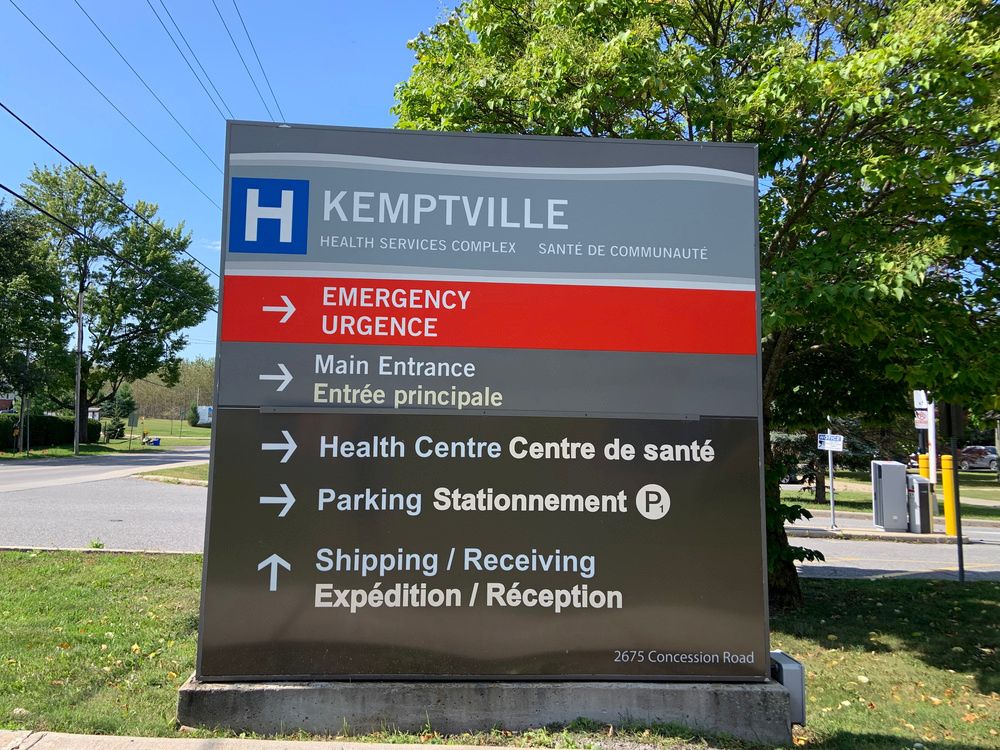
I get somewhat peeved when I hear urban communities, politicians and healthcare administrators claim that we can’t afford to continue maintaining small hospitals, and especially their ERs.  They talk about cost benefits analysis and staffing shortages, but seem to totally lose sight of the big picture 

Canadian policy concerning equal access to public programs and services is guided by the Canadian Charter of Rights and Freedoms,  and a variety of federal and provincial legislation, including the Canada Health Act (1984) that establishes the principles of universality, accessibility, comprehensiveness, portability, and public administration in Canada’s healthcare system. It ensures that all Canadians have access to medically necessary healthcare services without financial or geographic barriers.

Emergency rooms (ERs) are a cornerstone of healthcare, providing critical, life-saving services during medical emergencies. While it may not be feasible to establish ERs in every small or remote community across Canada, prioritizing the integration and maintenance of ERs into communities with existing hospitals or sizeable healthcare clinics is essential. This approach balances the need for equitable healthcare access with resource availability. Ensuring consistent funding for ERs in such communities is crucial for delivering timely care, improving health outcomes, and supporting Canada’s universal healthcare system.

Communities with hospitals or sizeable healthcare clinics are often regional hubs that serve a broad population, including nearby rural areas. In medical emergencies, such as heart attacks, strokes, severe trauma, or childbirth complications, the existence of a local ER within these hubs can save lives by reducing travel times. Adding or maintaining ERs in communities with established healthcare infrastructure leverages existing facilities, ensuring efficient delivery of critical care without duplicating resources.

Canada’s healthcare system is founded on the principle of accessibility, but disparities persist, particularly in rural and remote areas. Prioritizing ERs in communities with hospitals or large clinics addresses these disparities by creating centralized points of care for surrounding regions. These hubs reduce the healthcare gap between urban and non-urban areas, especially for Indigenous populations and remote communities that rely on regional hospitals for services. Without an ER in these hubs, residents may face long travel distances to urban centers, delaying care and exacerbating health inequities.

ERs in communities with hospitals or large clinics enhance the overall effectiveness of regional healthcare systems. They act as critical entry points for patients who may require stabilization before being transferred to specialized facilities in larger cities. These ERs relieve pressure on urban hospitals by managing emergencies locally and prevent rural patients from overwhelming urban systems. This distributed model ensures more balanced resource utilization across the healthcare system.

Regional hubs with hospitals or large clinics often serve as economic and social anchors for their areas. A functioning ER not only ensures access to life-saving care but also supports community resilience by attracting families, workers, and businesses. Industries such as agriculture, forestry, and resource extraction—frequently located in rural areas—depend on access to emergency services to manage workplace risks and protect employees. Communities without ERs face difficulties retaining residents and businesses, weakening their long-term viability.

Expanding ER services in communities with existing healthcare infrastructure is a cost-effective approach to improving healthcare access. These communities already have trained healthcare professionals, medical equipment, and transportation networks, reducing the need for significant new investments. Furthermore, timely treatment at regional ERs reduces the severity of medical conditions, preventing costly hospitalizations or long-term care. In this way, proactive funding for ERs generates long-term savings for the healthcare system.

Critics may argue that staffing and resource constraints make it difficult to sustain ERs in smaller hubs. However, innovative solutions such as telemedicine, rotating staff from urban centers, and offering incentives for healthcare professionals to work in underserved areas can mitigate these challenges. Federal and provincial governments must collaborate to allocate funds strategically, ensuring ER services are available in communities where they are most needed.

While it may not be feasible to establish ERs in every community across Canada, ensuring that all communities with hospitals or sizeable healthcare clinics have access to ER services is essential. These hubs serve as vital lifelines for surrounding populations, providing timely care, reducing healthcare disparities, and supporting the broader healthcare system. Federal and provincial governments must prioritize funding for ERs in these communities to uphold Canada’s commitment to equitable and accessible healthcare. In doing so, Canada can ensure that the promise of universal healthcare is realized where it is most urgently needed.

The Social and Financial Case Supporting Independent Community Hospices

When it comes to end-of-life care, the importance of community hospices cannot be overstated. These facilities offer patient-centered care that prioritizes comfort, dignity, and the autonomy of individuals nearing the end of life. Historically, religious and hospital-affiliated hospices have played significant roles in providing this care. However, these institutions often come with ideological or institutional restrictions that can limit patients’ options, especially for those seeking Medical Assistance in Dying (MAID). Independent community hospices fill this crucial gap, offering inclusive, secular, and comprehensive services that respect the diverse needs and choices of patients.

The growing divide between hospitals and hospices highlights the critical role that independent hospices play in our healthcare system. While hospitals are designed to handle acute medical needs, they are often ill-equipped to provide the holistic, compassionate care that terminal patients require. This mismatch puts a strain on both the hospital system and patients. When hospices are underfunded or unavailable, hospitals become overburdened, diverting resources from acute care and struggling to meet the specialized needs of terminally ill patients. Independent community hospices help alleviate this burden by providing dedicated, specialized care for end-of-life patients, allowing hospitals to focus on their primary mission of acute care.

A key issue that continues to hinder hospice care is funding. In Ontario, the cost of operating a hospice bed is far less than that of a critical care hospital bed, reflecting the differences in care intensity and resource demands. The daily cost of a hospice bed ranges from $439 to $628, a price that is subsidized through community donations, as government funding typically covers only 60% of expenses. This is a stark contrast to the significantly higher costs of hospital care. For instance, an ICU bed in Canada averages around $3,500 per day, while the cost of a general hospital ward ranges from $850 to $1,100 per day. This significant financial disparity underscores the cost-effectiveness of hospice care, which offers a more home-like environment at a fraction of the expense associated with hospital-based critical care.

In Ontario, many palliative care patients still die in hospitals, with over 52% of deaths occurring in hospital settings in 2017/18. The average length of stay for palliative patients in these settings is around 13.5 days. If a significant portion of these patients were transitioned to independent hospices, the potential cost savings could be substantial – reaching millions of dollars annually. This not only speaks to the financial efficiency of hospices, but also to the human side of the equation: patients would have the opportunity to spend their final days in a setting that better aligns with their personal values and comfort.

Another compelling reason to support independent hospices is their commitment to inclusivity. Religious-affiliated facilities, while providing valuable care, may impose beliefs that do not align with all patients’ values, potentially alienating those from different backgrounds. Independent hospices, however, embrace Canada’s rich cultural and spiritual diversity, ensuring that all patients receive care that is free of judgment and tailored to their personal wishes. For rural and underserved populations, these hospices help reduce barriers to access, ensuring that equitable care is available to those who may otherwise face challenges in receiving it due to geographic or institutional constraints.

The case for investing in independent community hospices is both an economic and moral imperative. Not only do these facilities provide compassionate, patient-centered care, but they also offer a more affordable alternative to hospital-based care, ease the strain on hospitals, and ensure that patients’ right to choose is respected. It is essential for both governments and communities to prioritize the development and funding of independent hospices, ensuring that end-of-life care remains dignified, accessible, and inclusive for all Canadians.

Proposed Policy Shift: A Holistic, Equity-Focused Approach to Pandemic Management

Pandemics have traditionally been managed through isolation measures, and the prioritization of high-risk groups for vaccination. While this approach proved effective during the COVID-19 crisis in Canada, it also revealed significant shortcomings. Widespread isolation led to a surge in mental health issues, while many citizens faced severe financial hardship.

A shift in policy is necessary—one that treats citizens not merely as individuals or isolated households, but as members of interconnected communities. This proposal outlines a comprehensive strategy for pandemic management that prioritizes public health, social resilience, and economic security through three key measures: targeted vaccination by sorting codes, the formation of social pods, and the implementation of Universal Basic Income (UBI).

Targeted Vaccination by Sorting Code
Current vaccination efforts often fall short in addressing systemic inequities. A more effective strategy would prioritize vaccine distribution based on sorting codes (e.g., postal or area codes), focusing on communities most at risk. High-priority areas—those with elevated infection rates, limited healthcare access, or greater socioeconomic vulnerability—would receive vaccines first. This approach ensures resources are allocated efficiently and equitably, reducing disparities and safeguarding the most affected populations.

Development of Social Pods
Isolation has long been the cornerstone of pandemic response, but it often exacerbates mental health crises and social disconnection. An alternative approach is to encourage the creation of social pods—small, stable groups of 3 to 12 individuals who interact exclusively with one another. These pods allow for safe social interaction, fostering emotional and practical support while reducing the spread of infection. School children continue their education and social development, adults maintain their social interaction, while seniors get the support they need from family and friends, all of which greatly reduces pressure on the healthcare system. Social pods also facilitate easier contact tracing and containment efforts, providing a more community-oriented approach to public health.

Universal Basic Income (UBI)
Pandemics often expose and intensify economic inequities, leaving many people unable to comply with public health measures due to financial pressures. Implementing a Universal Basic Income ensures that all individuals, regardless of employment status, have access to basic financial resources. By alleviating economic stress, UBI allows people to adhere to isolation or quarantine guidelines without facing financial ruin, reducing unsafe behaviors driven by desperation and ultimately curbing virus transmission.

This proposed shift in policy emphasizes the importance of addressing the interconnected health, social, and economic challenges posed by pandemics. By adopting targeted vaccination, fostering social cohesion through pods, and ensuring financial stability with UBI, governments can build a more equitable and resilient framework for pandemic management. This approach not only safeguards public health, but also strengthens community bonds and ensures no one is left behind in times of crisis

The Case for Nurse Practitioners in Canadian Leadership Roles

Canada’s healthcare system, founded on the principles of universal access and fairness, remains a cornerstone of the nation’s social fabric. As a system that treats all citizens equally, free from the influence of private insurers, it exemplifies the values of equity and solidarity. However, despite these strengths, the Canadian healthcare system faces significant challenges, many of which stem from outdated management practices and an evolving healthcare landscape. These issues highlight the need for changes that can improve both cost-effectiveness and patient-centered care, ensuring the system remains sustainable and responsive to the needs of all Canadians.

A key area for reform is the current model of leadership within healthcare systems. Medical doctors (MDs), who are critical to patient care, are often placed in executive management roles, a practice that can lead to inefficiencies. While MDs possess exceptional expertise in clinical medicine, their training typically does not prepare them for the complex demands of system management or strategic decision-making. As a result, healthcare systems may miss opportunities to optimize operations and reduce costs. This misallocation of skills can contribute to administrative bottlenecks, inefficient resource distribution, and, ultimately, higher healthcare expenses.

To address these challenges and ensure that Canada’s healthcare system remains both effective and sustainable, it is time to reconsider the traditional leadership structure. One promising solution lies in empowering nurse practitioners (NPs) to take on leadership roles within healthcare organizations. NPs, as advanced practice nurses, are already deeply involved in patient care and bring a wealth of experience in managing illnesses, prescribing treatments, and leading care teams. Their training, which focuses on holistic, patient-centered care, is well-suited to the evolving demands of Canada’s healthcare system, where preventative care, wellness, and population health are becoming increasingly important.

By elevating NPs to leadership positions such as Clinical Directors, Canadian healthcare systems could achieve several benefits. First, NPs represent a cost-effective alternative to MDs in management roles. Their salaries are typically lower, allowing healthcare organizations to redirect the savings towards improving clinical services, investing in technology, and addressing social determinants of health. This would allow the Canadian healthcare system to better meet the growing demand for services without compromising care quality.

Moreover, NPs’ patient-centered approach aligns well with the goals of Canada’s public healthcare system. Their emphasis on preventative care and wellness can help drive the system towards more proactive, rather than reactive, care models. This shift not only helps manage costs but also improves access to care, especially in underserved areas, where NPs are already providing essential services. Empowering NPs to lead could also help address the physician shortage, particularly in rural and remote communities where healthcare access is often limited.

Another significant advantage of promoting NPs to leadership positions is their ability to foster collaboration and innovation within healthcare teams. NPs excel in creating multidisciplinary environments that prioritize communication and teamwork—skills that are critical for reducing staff burnout and improving employee retention in a healthcare workforce that is under increasing strain. By empowering NPs, the system can better support its frontline workers, ensuring that healthcare providers are not only skilled in their clinical roles but also in building a positive and efficient workplace culture.

Despite these advantages, there remains resistance to changing the leadership structure in Canadian healthcare. Some may argue that NPs lack the formal medical education of MDs, but this perspective overlooks the fact that NPs’ training is often better suited to the management and collaborative tasks required in today’s healthcare landscape. While MDs offer invaluable expertise in specialized medical fields, NPs’ holistic approach and focus on system-wide efficiency are precisely what is needed to ensure that Canada’s healthcare system can continue to meet the needs of its diverse population.

While Canada’s healthcare system remains one of the most equitable in the world, it is clear that reforms are necessary to ensure its continued success. By shifting leadership to include more nurse practitioners in management roles, we can foster a healthcare environment that is more cost-effective, patient-centered, and capable of addressing the challenges of the 21st century. This change is not about diminishing the role of MDs, but rather recognizing that the complexity of modern healthcare requires a broader range of skills and perspectives to ensure optimal outcomes for both patients and healthcare workers.