
There’s a quiet, but growing conversation taking place within Canada’s queer communities, one that asks whether it might be time to scale back the spectacle of Pride, and get back to what it was really about in the first place. The parades are still colourful, the parties still loud, but something’s shifting. With corporate sponsorship drying up and the political climate growing colder, many in the 2SLGBTQIA+ community are rethinking what Pride should look like in this new era.
For years, Pride events in cities like Toronto, Vancouver, and Montreal have felt less like grassroots activism, and more like mobile advertising campaigns. Walk down the route and you’ll see branded floats from banks, telcos, and beer companies. TD Bank, to name just one example, once earned applause for being an early supporter of queer inclusion, but these days, its giant green float can feel more like marketing than allyship. Many of us, especially those who’ve been around long enough to remember when participating in a Pride parade involved appreciable risk, can’t help but feel the soul has been somewhat bleached out of the rainbow.

Part of the shift is financial. With the Trump-era backlash and culture wars bleeding across the border, some corporations, particularly U.S.-based multinationals, are scaling back their public-facing support of Pride. In 2024, Reuters reported that global brands have “significantly reduced” their LGBTQ-themed campaigns in markets like Canada to avoid conservative backlash. These decisions affect more than just parade floats; they impact grants, community programming, and the broader financial ecosystem that’s supported major Pride festivals for years.
Yet, this isn’t necessarily bad news. In fact, many long-time activists see it as an opportunity to re-centre Pride around the people it’s meant to serve. Before there were glitter canons and wristbands with logos, Pride was a protest. The first Canadian marches, in the wake of the 1981 Toronto bathhouse raids, were acts of raw defiance, calling out police brutality and demanding civil rights. Nobody was handing out swag. No corporations were clambering to associate their brand with queer people. That history matters.
Now, with funding drying up and public support shifting, a new generation of organizers is looking backward to move forward. Smaller Pride celebrations are cropping up across the country that focus less on parade floats and more on community picnics, protest marches, zine fairs, and teach-ins. In places like Peterborough and Hamilton, organizers have made the deliberate choice to scale down the main event in favour of something that feels more connected, less commercial.
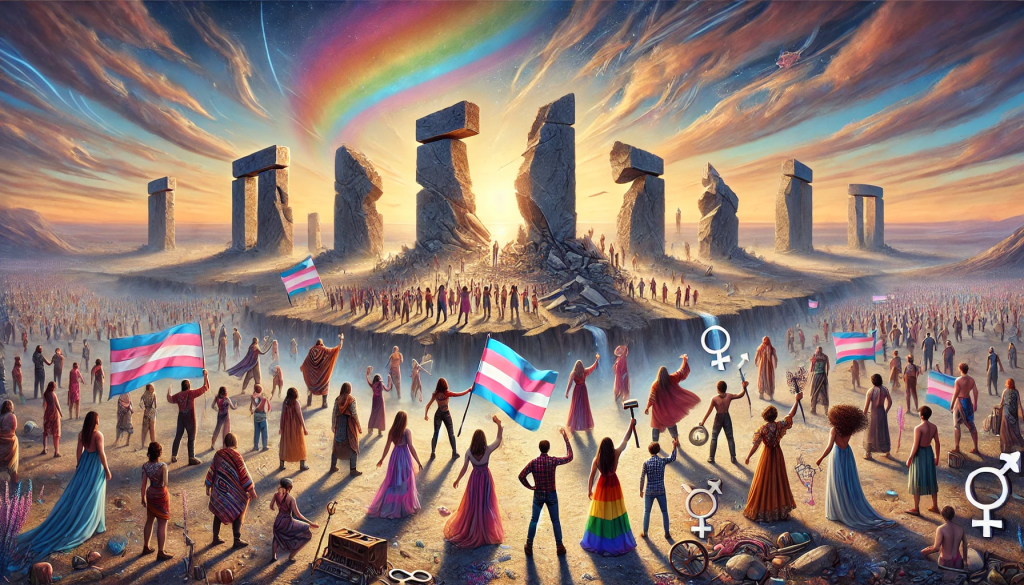
We’re at a cultural crossroads. Pride doesn’t need to be louder to be more meaningful. In fact, the moment may call for exactly the opposite. There’s power in returning to the grassroots, not out of nostalgia, but out of necessity. If Pride becomes less about the glitter and more about the grit again, that might just be the most radical thing we’ve done in decades.
Sources
• CBC News (June 2024): “Pride organizers across Canada reassess role of corporate sponsorship”
• Reuters (June 2024): “Global brands rethink LGBTQ marketing amid backlash”
• Xtra Magazine (May 2023): “The Fight Over Pride: Protest or Party?
• The Canadian Encyclopedia (2022): “How the Bathhouse Raids Sparked Toronto Pride”
 The Rowanwood Chronicles