
The Canadian Liberal Party finds itself at a crossroads, staring down the barrel of declining voter support, a fractured image, and leadership fatigue. Recent polling paints a grim picture for the governing party. According to a Nanos Research poll from November 2024, the Conservatives are riding high with 41% support, compared to the Liberals’ dismal 23%, while the NDP trails just behind at 20%. Similarly, an Abacus Data poll reveals an equally bleak scenario, with the Conservatives holding a commanding 22-point lead. For a party that once dominated Canadian politics, the question isn’t just about how to bounce back—it’s about survival.
The Curse of Intellectual Leadership
The Liberals’ current predicament has parallels to their past missteps. Two glaring examples—Stéphane Dion and Michael Ignatieff—serve as cautionary tales about the dangers of picking leaders who, while intellectually formidable, fail to connect with voters on a human level.
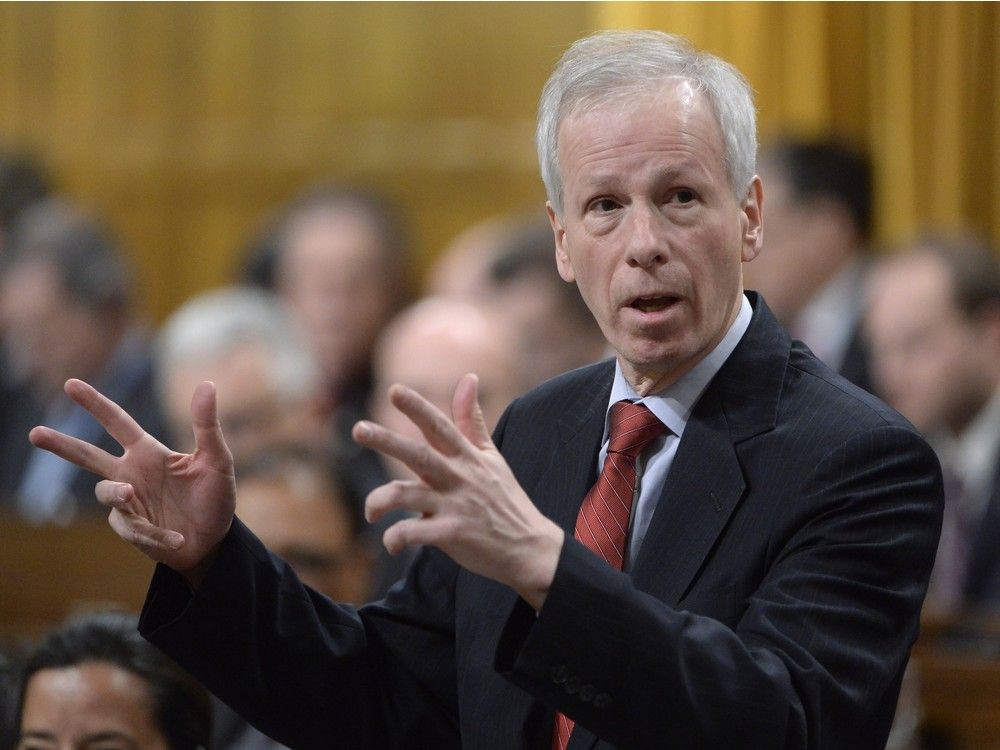
In 2006, the Liberals turned to Stéphane Dion, an academic and policy wonk with a passion for climate change. Dion’s “Green Shift” plan was ambitious, but lacked the messaging needed to win over Canadians worried about the economy. In the 2008 election, the party was hammered, falling to just 77 seats and 26.3% of the popular vote. Dion’s perceived aloofness, and inability to inspire confidence left the Liberals weak and divided, opening the door for Stephen Harper’s Conservatives to consolidate power.
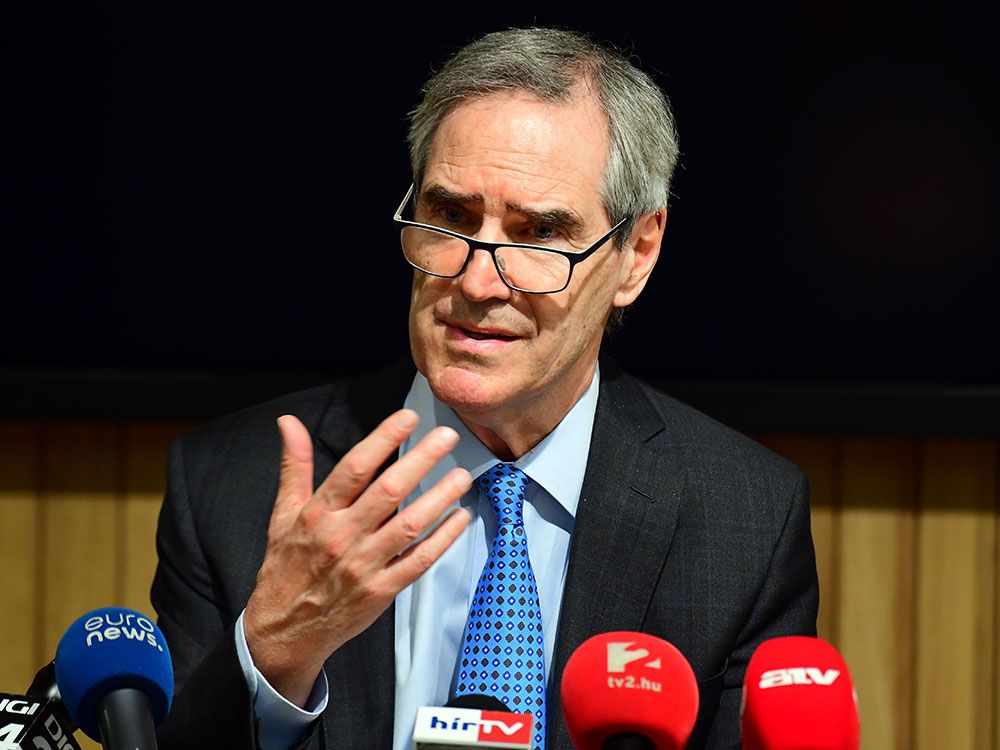
The Liberals repeated this mistake with Michael Ignatieff, an accomplished academic and author, in 2008. Despite his intellectual prowess, Ignatieff struggled to shake the perception that he was a carpetbagger disconnected from the concerns of average Canadians. In the 2011 election, the party collapsed, capturing a mere 18.9% of the vote and just 34 seats—the worst performance in Liberal history. For the first time, the Liberals were relegated to third-party status, a stunning fall for Canada’s so-called “natural governing party.”
The Liberal Dilemma in 2025
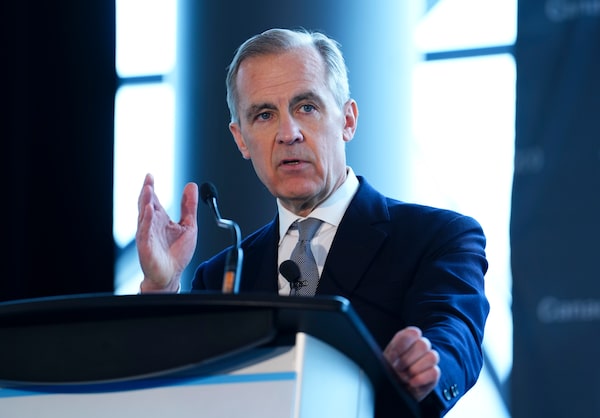
Fast forward to today, and the Liberals seem poised to repeat history. With Justin Trudeau’s star power fading after nearly a decade in office, there is a real risk that the party might turn to yet another “safe” choice—a figure who mirrors the old archetype of a white male intellectual, disconnected from the realities of modern Canada. But the Canada of 2025 isn’t the Canada of 2006 or 2011. Demographics have shifted, and so have voter priorities.
Canada is now more diverse than ever. Over a quarter of the population identifies as part of a racialized group, and millennials and Gen Z make up the largest voting blocs. These voters expect leaders who reflect their lived experiences—not just in terms of identity but also in terms of relatable policies and vision. A leader who represents “business as usual” risks alienating not only racialized communities but also younger, progressive Canadians who are increasingly drawn to the NDP or Greens.
Recent polling reflects this growing discontent. The Liberals are hemorrhaging support to both the Conservatives and the NDP, with voters fed up with Trudeau’s perceived failures on affordability, housing, and climate action. Even Liberal loyalists are looking for something—or someone—new to rekindle their enthusiasm.
What the Liberals Need Now
The Liberals must understand that leadership is as much about identity and relatability as it is about policy and experience. A leader who embodies the diversity of Canada, speaks to the struggles of everyday people, and offers a compelling vision for the future could galvanize the party’s base and attract disillusioned voters. In contrast, opting for another “old white academic” risks reinforcing the image of a party out of touch with 21st-century Canada.
The successes of other leaders offer lessons. Jagmeet Singh’s historic leadership of the NDP has drawn younger and more diverse voters to his party, even if they haven’t translated into electoral dominance. Meanwhile, Pierre Poilievre has managed to connect with younger Conservatives through his populist messaging on affordability and housing.
The stakes for the Liberals couldn’t be higher. If they fail to read the room and make a bold choice, they risk not just losing the next election but fading into irrelevance altogether. As Dion and Ignatieff’s defeats demonstrated, intellectual credentials alone don’t win elections. Representation, relatability, and vision do.
For the Liberals, the time for reinvention is now—or never.
 The Rowanwood Chronicles