
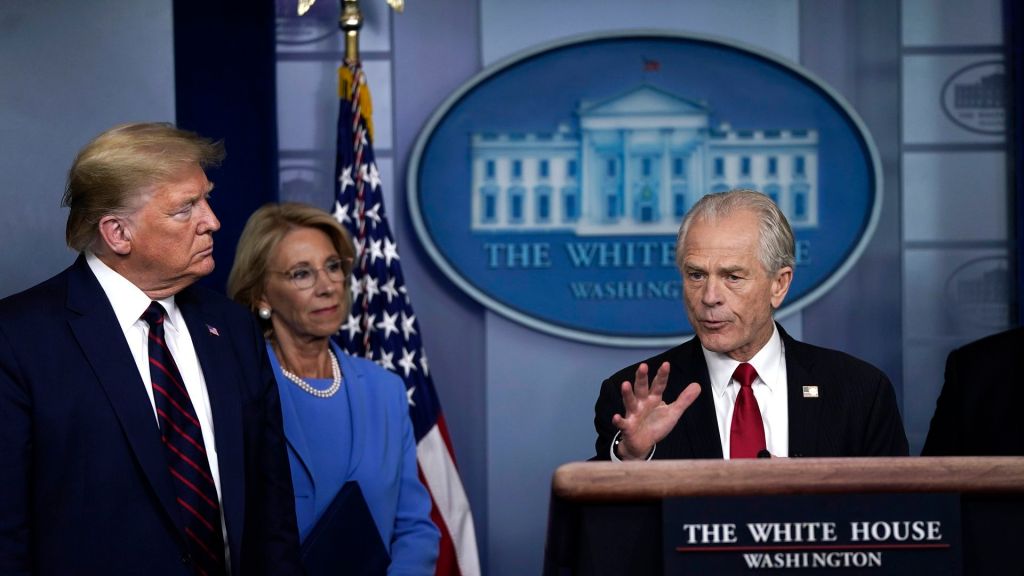
When Peter Navarro, former White House trade adviser and Trump loyalist, publicly urged Canadians to pressure their government into “negotiating fairly” before U.S. tariffs hit on August 1, the message wasn’t strength, it was panic. Navarro’s over-the-top rhetoric, painting Canada as an obstinate, underpowered negotiator, is less about truth and more about fear. If the United States were truly in control of the trade talks, it wouldn’t need to bluster. It wouldn’t need to insult. And it certainly wouldn’t be begging Canadians to do its dirty work.
Let’s be clear: Canada is not on its knees. We’re not some brittle middle power gasping for access to American markets. We’re a G7 economy with sophisticated supply chains, deep global trade ties, and a well-earned reputation for playing the long game. When Washington starts lashing out with threats and playground-level taunts, it’s a sign we’ve landed a punch.
Navarro’s claim that Canada is being “very challenging” at the negotiating table is revealing. It means our team is doing its job. Canadian trade officials, seasoned, careful, and resolute, have held their ground in defense of fair access, environmental standards, and domestic protections. That makes the Americans nervous. And when Americans get nervous in a Trump-style administration, they yell louder, not smarter.
The proposed 35% tariffs, to be imposed on Canadian goods not covered by the USMCA, are intended as a hammer. But even a hammer needs a target that won’t hit back. And this time, Canada has alternatives: deepening trade with the EU and Asia-Pacific, strengthening regional innovation hubs, and leveraging our vast resources in climate-sensitive sectors that the U.S. increasingly needs but doesn’t yet control.
Navarro also made a critical tactical error. By calling on Canadian citizens to push back against their own government, he misunderstands our national character. Canadians don’t take kindly to being told what to do, especially not by foreign officials acting like economic schoolyard bullies. The effect will likely be the opposite: renewed support for Ottawa’s position and a strengthening of political will across party lines to resist being steamrolled.
Historically, Canada has negotiated from the shadows, careful to avoid open confrontation. But this isn’t 1987. Today’s Canada is assertive, strategically patient, and unafraid of outlasting American tantrums. Navarro’s comments, while aggressive on the surface, are deeply revealing underneath. They betray a U.S. trade team that’s frustrated, boxed in, and afraid of losing leverage.
So yes, when the U.S. starts yelling, Canada should listen, but not to obey. To smile, stand tall, and quietly note: we’ve got them worried.
Sources:
• Bloomberg Law, “Navarro Urges Canada to ‘Negotiate Fairly’ Before August Tariff Deadline,” July 11, 2025.
• AInvest, “Trump Announces 35% Tariff on Canadian Goods,” July 11, 2025.
• Government of Canada, Global Affairs briefings on trade diversification (2023–2025).
 The Rowanwood Chronicles