
I get somewhat peeved when I hear urban communities, politicians and healthcare administrators claim that we can’t afford to continue maintaining small hospitals, and especially their ERs. They talk about cost benefits analysis and staffing shortages, but seem to totally lose sight of the big picture
Canadian policy concerning equal access to public programs and services is guided by the Canadian Charter of Rights and Freedoms, and a variety of federal and provincial legislation, including the Canada Health Act (1984) that establishes the principles of universality, accessibility, comprehensiveness, portability, and public administration in Canada’s healthcare system. It ensures that all Canadians have access to medically necessary healthcare services without financial or geographic barriers.
Emergency rooms (ERs) are a cornerstone of healthcare, providing critical, life-saving services during medical emergencies. While it may not be feasible to establish ERs in every small or remote community across Canada, prioritizing the integration and maintenance of ERs into communities with existing hospitals or sizeable healthcare clinics is essential. This approach balances the need for equitable healthcare access with resource availability. Ensuring consistent funding for ERs in such communities is crucial for delivering timely care, improving health outcomes, and supporting Canada’s universal healthcare system.

Communities with hospitals or sizeable healthcare clinics are often regional hubs that serve a broad population, including nearby rural areas. In medical emergencies, such as heart attacks, strokes, severe trauma, or childbirth complications, the existence of a local ER within these hubs can save lives by reducing travel times. Adding or maintaining ERs in communities with established healthcare infrastructure leverages existing facilities, ensuring efficient delivery of critical care without duplicating resources.
Canada’s healthcare system is founded on the principle of accessibility, but disparities persist, particularly in rural and remote areas. Prioritizing ERs in communities with hospitals or large clinics addresses these disparities by creating centralized points of care for surrounding regions. These hubs reduce the healthcare gap between urban and non-urban areas, especially for Indigenous populations and remote communities that rely on regional hospitals for services. Without an ER in these hubs, residents may face long travel distances to urban centers, delaying care and exacerbating health inequities.
ERs in communities with hospitals or large clinics enhance the overall effectiveness of regional healthcare systems. They act as critical entry points for patients who may require stabilization before being transferred to specialized facilities in larger cities. These ERs relieve pressure on urban hospitals by managing emergencies locally and prevent rural patients from overwhelming urban systems. This distributed model ensures more balanced resource utilization across the healthcare system.

Regional hubs with hospitals or large clinics often serve as economic and social anchors for their areas. A functioning ER not only ensures access to life-saving care but also supports community resilience by attracting families, workers, and businesses. Industries such as agriculture, forestry, and resource extraction—frequently located in rural areas—depend on access to emergency services to manage workplace risks and protect employees. Communities without ERs face difficulties retaining residents and businesses, weakening their long-term viability.
Expanding ER services in communities with existing healthcare infrastructure is a cost-effective approach to improving healthcare access. These communities already have trained healthcare professionals, medical equipment, and transportation networks, reducing the need for significant new investments. Furthermore, timely treatment at regional ERs reduces the severity of medical conditions, preventing costly hospitalizations or long-term care. In this way, proactive funding for ERs generates long-term savings for the healthcare system.
Critics may argue that staffing and resource constraints make it difficult to sustain ERs in smaller hubs. However, innovative solutions such as telemedicine, rotating staff from urban centers, and offering incentives for healthcare professionals to work in underserved areas can mitigate these challenges. Federal and provincial governments must collaborate to allocate funds strategically, ensuring ER services are available in communities where they are most needed.
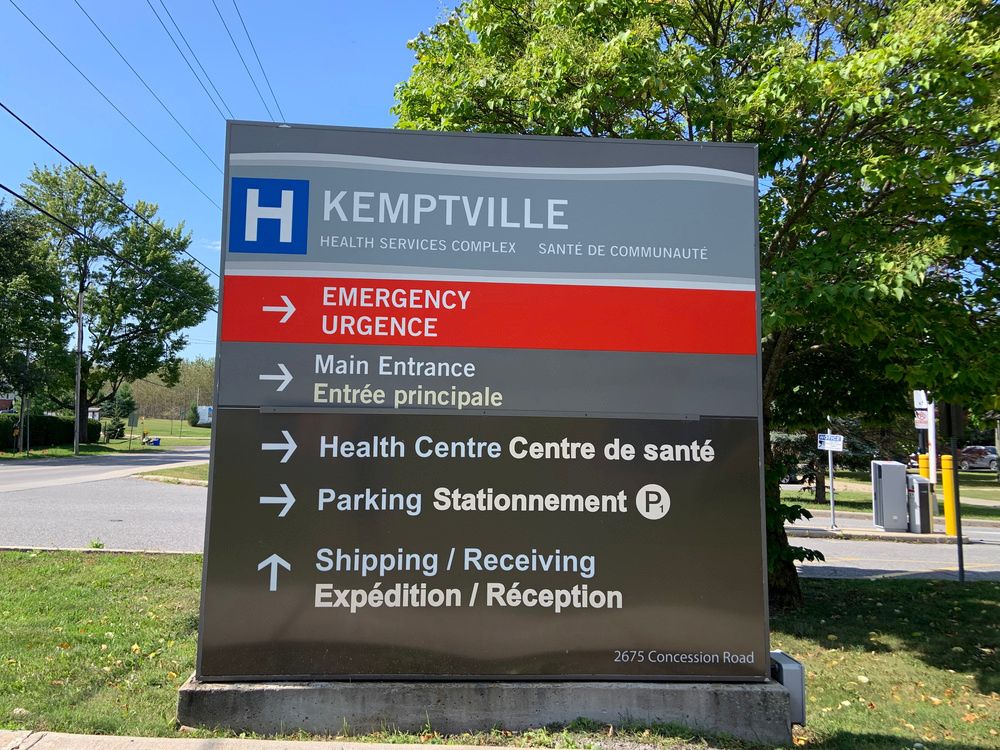
While it may not be feasible to establish ERs in every community across Canada, ensuring that all communities with hospitals or sizeable healthcare clinics have access to ER services is essential. These hubs serve as vital lifelines for surrounding populations, providing timely care, reducing healthcare disparities, and supporting the broader healthcare system. Federal and provincial governments must prioritize funding for ERs in these communities to uphold Canada’s commitment to equitable and accessible healthcare. In doing so, Canada can ensure that the promise of universal healthcare is realized where it is most urgently needed.
 The Rowanwood Chronicles