
As Ottawa approaches the 25th anniversary of amalgamation this January, the moment invites a frank assessment. In 2001 the provincial government promised that merging 13 municipalities into a single-tier City of Ottawa would streamline governance, cut waste, improve services and stabilize taxes. Amalgamation was sold as modern, efficient and inevitable, a rational response to the untidy patchwork of local governments that once defined the region.
Two and a half decades later the record is far more complicated. Some benefits were real. Many others were aspirational. And for large portions of the city, especially rural and semi-rural communities, amalgamation has been a system that works to them, not for them. Bigger, it turns out, was not better.
The Promise of Better Services – The Reality of Uneven Delivery
The early pitch for amalgamation was simple: unify services and everyone wins. In practice, the outcome has been uneven across geography and income.
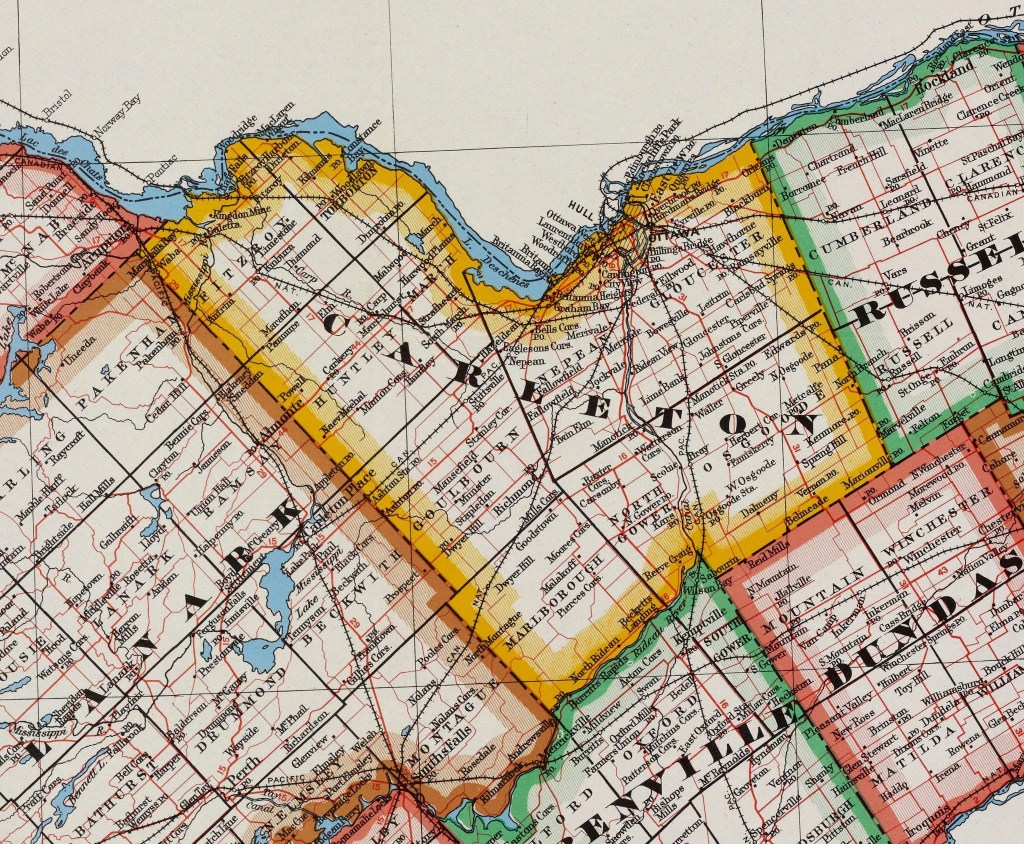
Urban residents gained the most. They saw expanded recreation programming, new library access and coordinated planning. Rural areas, by contrast, experienced reduced responsiveness in road maintenance, snow clearing, bylaw enforcement and transit. Communities like West Carleton, Rideau-Goulbourn and Osgoode have spent two decades reminding City Hall that “one size fits all” is not a service model; it is a compromise imposed on communities with profoundly different needs.
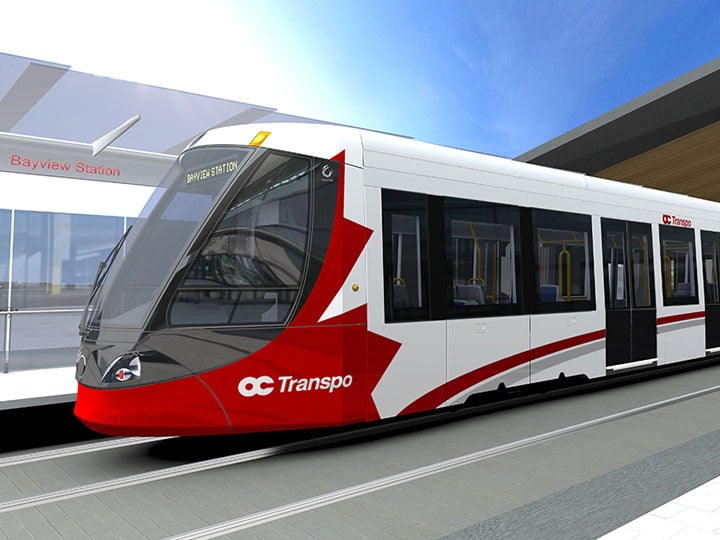
The city’s signature public-transit investment – the O-Train LRT system – was supposed to embody the advantages of centralization. Instead it has become a case study in the limits of mega-city governance: severe construction delays, cost overruns, and a nationally publicized public inquiry detailing systemic failures in oversight, transparency and project management. The LRT problems are not merely technical. They illustrate the deeper strain of running a sprawling municipality where accountability is diffused across layers of bureaucracy rather than rooted in local leadership.
The Financial Question: Where Were the Savings?
The financial rationale for amalgamation rested on scale. A bigger city would deliver efficiencies; efficiencies would reduce costs; reduced costs would protect taxpayers.
This never materialized.
Transition costs reached an estimated $189 million. Savings projections were optimistic, not guaranteed. The Transition Board did not promise tax cuts, and indeed taxes did not fall. In many rural and suburban areas they increased sharply, partly due to uniform tax policies that replaced diverse local rates.
Cost pressures accumulated in other ways:
• The city’s share of funding for provincial property-assessment operations has outpaced inflation every year since amalgamation.
• Capital projects, particularly transit, have grown more expensive while their benefits remain unevenly distributed.
• Ottawa now faces an annual transit operating shortfall approaching $140 million, straining a tax base already stretched by road, infrastructure and policing costs.
The efficiencies that were supposed to stabilize municipal finances largely failed to appear. In their place came the financial stresses of a city whose physical footprint rivals Toronto’s but without the provincial funding model Toronto enjoys.
Lost Local Control – And Lost Trust
Perhaps the most significant cost of amalgamation has been the erosion of local governance. Prior to 2001 communities had councils attuned to their unique needs and accountable to residents they lived beside. Today many rural and semi-rural residents feel politically peripheral; listened to, but not heard.
Ward representation cannot replicate local councils. Nor can city-wide policies reflect the distinct rhythms of a village like Manotick, the agricultural economy of Osgoode, or the infrastructure realities of West Carleton. The result has been a steady accumulation of resentment: a sense that rural areas subsidize urban priorities while their own needs remain secondary.
The weakening of local identity has democratic implications. Decision-making concentrated at the centre becomes less transparent, less responsive and harder for residents to influence. The LRT inquiry offered a stark reminder of what can happen when oversight drifts too far from citizens and too far from the specific communities most affected.
A Quarter Century Later: What Has Ottawa Gained – And What Has It Lost?
It would be simplistic to call Ottawa’s amalgamation a failure. Some benefits are undeniable: unified planning, expanded programming, strengthened economic-development strategies and early years of reasonably controlled citywide spending.
But at a structural level, amalgamation has not delivered its central promises. Taxes did not fall. Services did not equalize. Financial pressures did not ease. The governance system is more centralized but not more accountable. And the diversity of Ottawa’s communities – rural, suburban and urban – often exceeds the capacity of a single administrative structure to manage well.
The lesson is not that amalgamation should be reversed. The lesson is that centralized government must be paired with robust local power, transparent decision-making and an honest recognition that “efficiency” cannot override community identity or regional diversity.
As the 25-year mark approaches, Ottawa has an opportunity to look clearly at what was promised, what was delivered and what must change to make this city work fairly for everyone. Amalgamation may be permanent, but its shortcomings do not have to be.
Sources:
en.wikipedia.org
todayinottawashistory.wordpress.com
app06.ottawa.ca (Rural Affairs Committee reports)
ottawa.ca (Long-Range Financial Plan II and III)
spcottawa.on.ca (WOCRC rural community report)
imfg.org (Single-tier municipal governance studies)
globalnews.ca (Ottawa LRT Public Inquiry)
ottawa.citynews.ca (Transit financial shortfall)
obj.ca (De-amalgamation commentary)

 The Rowanwood Chronicles