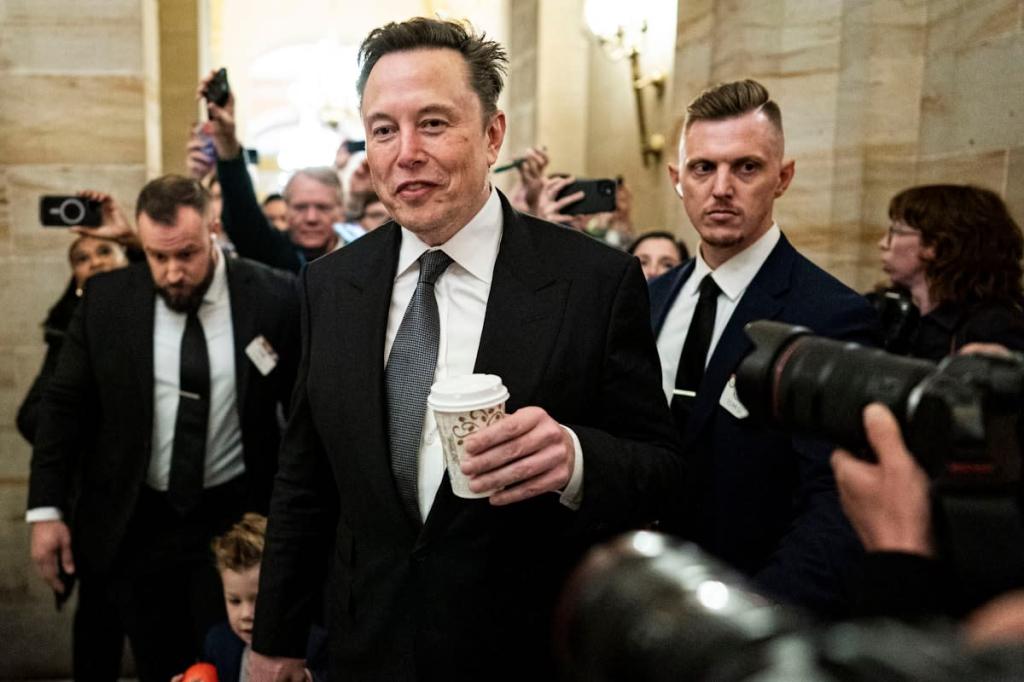
I was just discussing the failed spending bill vote in the House of Representatives with a U.S. acquaintance, and they brought up the possibility of Elon Musk becoming Speaker of the House. As surprising as this idea might be, it is technically feasible, although surely, highly unlikely? While the Constitution does not require the Speaker to be a sitting member, every Speaker since the role’s creation in 1789 has been an elected representative, and even if Musk was nominated he would still have to receive a majority vote in the House of Representatives.
While this rule opens the door for unconventional candidates, the reality of such a scenario is much more complex. The role of Speaker demands a deep understanding of legislative processes, the ability to manage the intricate dynamics of Congress, and the capacity to build coalitions across a divided political body. Musk, while an innovative entrepreneur, lacks the political and legislative experience traditionally associated with the position.
Even if Donald Trump, or another prominent Republican were to propose Musk as a candidate, achieving majority support would be a monumental task. The House is already deeply divided along partisan lines, and the idea of electing a non-politician to such a critical role would likely face significant resistance from both parties. Additionally, Musk’s outspoken and often polarizing public persona could further complicate efforts to secure widespread support.
Perhaps this is the ultimate FAFO?
Update Just as I post this short piece, I see that a number of prominent GOP members are being reported as supporting the notion of Musk as Speaker. Representative Marjorie Taylor Greene of Georgia and Senator Rand Paul of Kentucky seem to think it’s a good idea, so I will sit back and enjoy the show.
With the US oligarchy taking over the White House next year, it’s time to look at what we need to develop to counter the mess and the broken economy they will leave post-Trump’s presidency. Philosopher Ingrid Robeyns, a leading proponent of limitarianism, argues that beyond a certain threshold, wealth does not significantly improve individual well-being, and may cause harm to others by perpetuating inequality and reducing collective welfare. While not a new idea, with historical thinkers such as Plato and JP Morgan espousing similar concepts, perhaps it times to further explore limitarianism.
Limitarianism is a philosophical and political concept that advocates setting limits on individual/family wealth to promote social equality, reduce harm caused by extreme wealth accumulation, and ensure fair distribution of resources. It is rooted in ethical considerations about justice, sufficiency, human welfare, and a sustainable environment.
The philosophy suggests that extreme wealth is morally problematic, especially in societies where poverty and inequality persist. Excess wealth could be better used to address social issues like hunger, education, or healthcare. The accumulation of excessive wealth can lead to an imbalance of power, undermining democratic institutions. Wealthy individuals may exert disproportionate influence over political systems, media, and public policies. How many times have we seen this in western-style G7 democracies in recent years, where the right do everything they can to protect their wealth and power, while working people can’t pay for the basics of housing, food and transportation?
Supporters of limitarianism argue for changes in taxation on income, inheritance, and wealth to cap extreme fortunes, along with a redistribution of excess wealth to fund programs like Universal Basic Income (UBI), ensuring a safety net for all citizens. Critics argue that wealth limits could stifle innovation, entrepreneurship, and economic growth, while curtailing personal liberties, and especially the right to accumulate multi-generational wealth.
While enforcing wealth caps, and managing global disparities in wealth distribution can be challenging in practice, limitarianism is gaining traction in debates on wealth inequality, especially in light of growing disparities between the ultra-rich and the rest of society. Movements advocating for wealth taxes and income redistribution often draw from limitarian principles to challenge the concentration of wealth and power.
As a leading advocate for limitarianism, Robeyns argues that extreme wealth is both unethical and harmful to democracy. She proposes a wealth cap of approximately €10 million, emphasizing that any surplus beyond what is needed for a flourishing life could be redirected toward societal challenges like the climate crisis or inequality. Where do you stand on this issue? For me, it seems like one possible set of mechanisms to help rebalance the redistribution of resources, while still supporting a western-style capitalist growth economy.
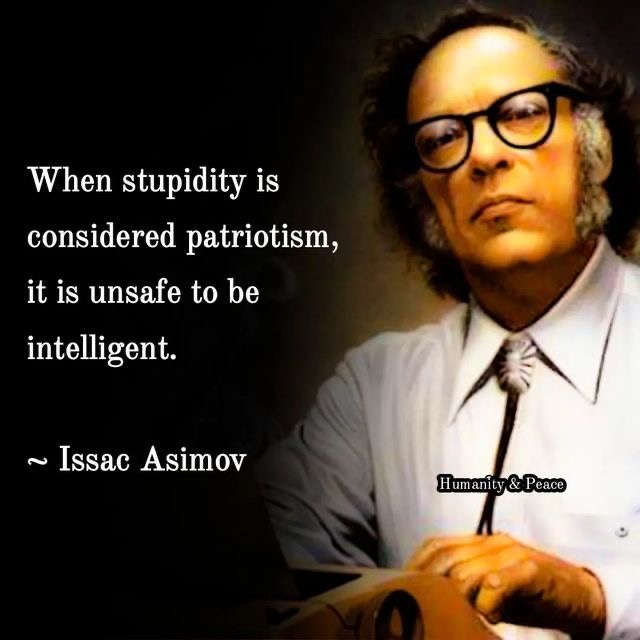
Isaac Asimov’s assertion about the “cult of ignorance” in the United States, where the false equivalence of ignorance and knowledge undermines democracy, is disturbingly evident in many elected U.S. leaders. This trend, marked by anti-intellectualism and the rejection of expertise, is not only a historical thread, but also a contemporary issue with serious consequences. When political leaders prioritize personal beliefs or populist rhetoric over evidence-based decision-making, the nation’s progress is stymied.
“There is a cult of ignorance in the United States, and there always has been. The strain of anti-intellectualism has been a constant thread winding its way through our political and cultural life, nurtured by the false notion that democracy means that “my ignorance is just as good as your knowledge.” – Issac Asimov, Newsweek January 21, 1980
One glaring example is the response to the COVID-19 pandemic, during which several federal leaders publicly rejected scientific consensus and medical expertise. President Donald Trump, for instance, consistently downplayed the severity of the virus, promoted unproven treatments like hydroxychloroquine, and suggested bizarre remedies such as injecting disinfectant. His administration’s frequent clashes with public health experts, including Dr. Anthony Fauci, showcased a dangerous preference for misinformation over evidence-based policy. This rejection of expertise delayed critical responses, contributing to the unnecessary loss of lives and eroding public trust in institutions.
Climate change denial is another prominent example of Asimov’s warning in action. Despite decades of scientific research and warnings about the catastrophic effects of global warming, U.S. federal leaders like Senator James Inhofe have openly dismissed the issue. Inhofe’s infamous act of bringing a snowball to the Senate floor in 2015 to mock climate change science epitomized the rejection of intellectual rigor in favor of simplistic and misleading arguments. Under President Trump, the United States withdrew from the Paris Climate Accord in 2017, a decision that disregarded global consensus and expert recommendations. This move not only hampered international climate action, but also showcased a willingness to prioritize political posturing over long-term environmental sustainability.
Education policy also reflects this strain of anti-intellectualism. Federal and state leaders have fueled culture wars over curricula, targeting topics like evolution, climate science, and systemic racism. Florida Governor Ron DeSantis, for example, has led efforts to restrict discussions of race and gender in schools, framing them as “woke indoctrination.” His administration’s actions, including banning Advanced Placement African American Studies, reflect a fear of critical thinking and a broader trend of politicizing education. Such measures not only undermine intellectual growth, but also perpetuate ignorance by denying students access to nuanced perspectives.
Another aspect of this “cult of ignorance” is the weaponization of populist rhetoric. Politicians like Marjorie Taylor Greene and Lauren Boebert frequently champion “common sense” over expertise, dismissing intellectual rigor as elitist. Greene’s baseless claims about space lasers causing wildfires or her rejection of vaccine science exemplify how some leaders amplify misinformation to appeal to their base. This rhetoric undermines trust in institutions, promotes conspiratorial thinking, and fosters a climate where ignorance is celebrated over informed debate.
The Trump administration’s broader approach to governance further illustrates Asimov’s critique. From rejecting intelligence assessments on foreign interference in elections to downplaying the impact of climate policies, the administration often sidelined expertise in favor of politically convenient narratives. This pattern was not limited to one administration. Leaders across political spectrums have, at times, embraced anti-intellectualism, whether through denial of scientific consensus, opposition to educational reform, or a reluctance to address systemic issues.
Asimov’s warning resonates because it touches on the core principle that democracy requires an informed citizenry and leaders willing to engage with complex realities. Yet, when leaders dismiss expertise and elevate ignorance to a virtue, they erode the foundations of democratic governance. The COVID-19 pandemic, climate change denial, and educational censorship demonstrate how the conflation of ignorance with knowledge can have dire consequences for public health, global stability, and intellectual progress.
Reversing this trend demands a renewed commitment to intellectual integrity and informed leadership. Politicians must prioritize evidence-based policymaking, foster trust in expertise, and resist the allure of populist rhetoric that sacrifices long-term progress for short-term gains. Only by respecting knowledge and promoting critical thinking can the United States counteract the “cult of ignorance” Asimov so aptly described and ensure a democratic future guided by reason and understanding.
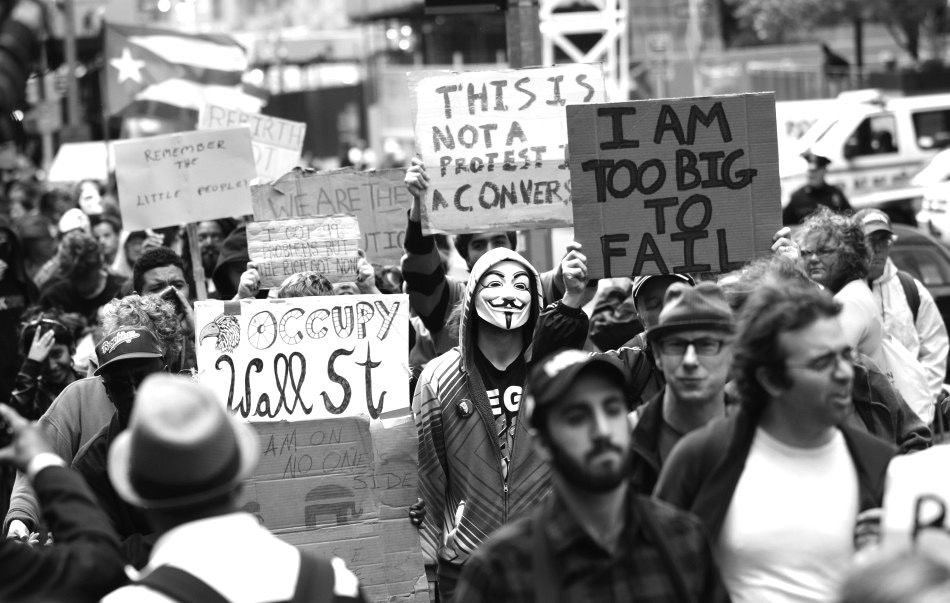
In recent years, Canadian municipalities have introduced bylaws aimed at limiting political and social protests, raising serious concerns about free expression. In Calgary, for example, a 2023 bylaw was passed that restricts “targeted protests” near certain facilities, such as libraries and recreation centers. Similarly, the City of Windsor imposed rules on protests in public spaces, citing the need for safety and order during events like the trucker convoy protests of 2022. While these measures are often justified as necessary for public safety, they risk suppressing legitimate dissent and silencing marginalized voices.
Ottawa is considering a bylaw aimed at restricting protests near schools, churches, and other “vulnerable institutions” in response to rising hate crimes and incidents like protests at LGBTQ+ events. This initiative, supported by Mayor Mark Sutcliffe, would establish buffer zones, limiting protests to protect marginalized communities. However, critics argue it may infringe on free speech rights. A balanced alternative could involve clear guidelines and designated protest areas to ensure safety without fully limiting the right to protest.
These bylaws undermine the democratic principle of free expression, enshrined in the Canadian Charter of Rights and Freedoms. Restricting peaceful protest under the guise of maintaining public order opens the door to governmental overreach. Moreover, marginalized groups—often the most reliant on public protests to bring attention to their causes—are disproportionately affected. When governments prioritize the convenience of public space over the expression of dissent, they erode the foundations of a healthy democracy.
In Canada, public protests are managed under existing laws, which criminalizes unlawful assembly, riots, and acts of violence during protests. Municipalities can enforce local bylaws on noise control, traffic obstruction, and permits for large gatherings. For example, cities like Ottawa already require permits for protests that involve blocking roads or using sound amplification, ensuring public safety without infringing on freedom of expression.
These laws are sufficient because they balance the right to protest with public safety concerns, penalizing unlawful behavior while protecting peaceful dissent. Rather than additional restrictions, enforcing these existing measures effectively addresses disruptions without eroding civil liberties.


 The Rowanwood Chronicles