
In Prince Edward County, the sudden cluster of “for sale” signs hanging on winery gates and brewery fences is not coincidence. It is the visible edge of a structural shift. What was once Ontario’s most romanticized craft-beverage frontier is entering its consolidation phase.
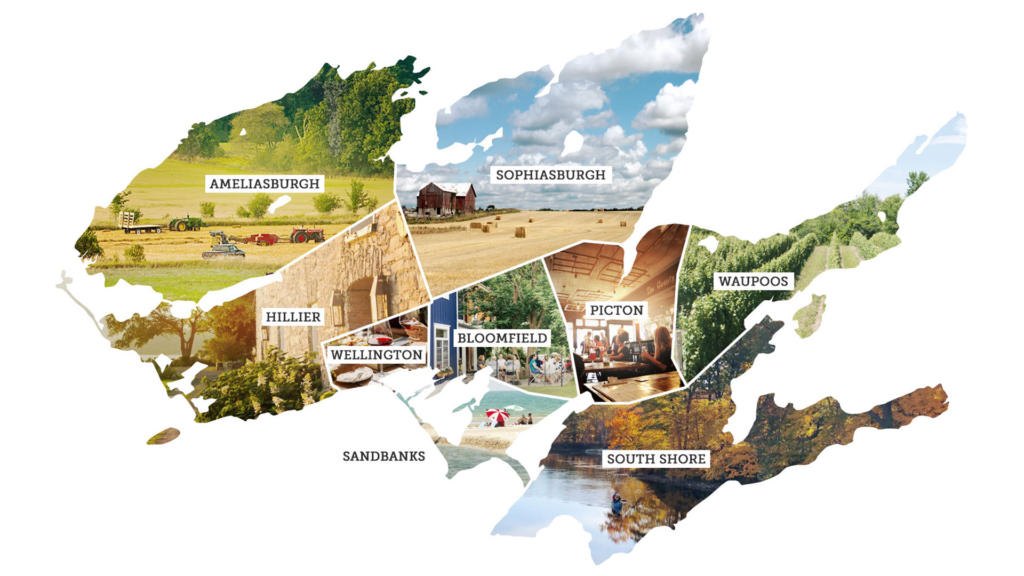
For two decades, the County was a story of pioneers. Thin limestone soils, lake-tempered winds and stubborn optimism produced a generation of estate wineries in Hillier, small-batch cider houses in Waupoos and farmhouse breweries tucked behind century barns. Many were founded between the early 2000s and mid-2010s. They were not built as scalable industrial operations. They were built as passion projects with hospitality rooms attached.
Now those founders are aging. Succession planning in lifestyle agriculture is notoriously weak. Children often pursued careers elsewhere. Managers were rarely given equity. The result is predictable: retirement without a natural buyer inside the tent.
But demographics alone do not explain the volume of listings.
Margins have tightened dramatically. Vineyard agriculture in the County is capital-intensive and climate-exposed. Vines take years to mature. Winter kill remains a risk. Labour costs have risen. Packaging, especially aluminum cans and glass, has been volatile and more expensive. Energy costs for fermentation and climate control have climbed. Insurance premiums have followed suit. A small producer making 5,000 to 20,000 cases annually does not have the purchasing leverage of a multinational brand.
Retail evolution adds another layer. Ontario’s beverage market has been liberalizing beyond the historic dominance of the Liquor Control Board of Ontario. On paper, more outlets should help local producers. In practice, broader distribution means competing on shelf space against scaled domestic brands and global imports with marketing budgets County operators cannot match. Boutique wineries built around cellar-door experiences now face a world that rewards consistent volume and supply chain reliability.
Tourism volatility compounds the stress. Prince Edward County’s beverage economy is profoundly seasonal. July and August can carry an entire year. A cool spring, wildfire smoke, a soft tourism season, or simply consumer belt-tightening can erase projected profits. Fixed costs do not shrink when weekend traffic does.
Land values further distort the equation. The County is no longer simply farmland. It is lifestyle real estate within reach of Toronto and Ottawa buyers. In areas like Hillier and Waupoos, vineyard acreage carries speculative value unrelated to grape yield. Owners approaching retirement can often extract more certainty by selling land and brand assets than by enduring another decade of climate risk and thin margins.
The recent spike in Ontario-focused buying following the removal of U.S. products from LCBO shelves created a short-term lift for local wine. Yet macro tailwinds do not erase micro fragility. Increased demand benefits those positioned to supply at scale. It does not automatically rescue a 15-acre estate winery with aging equipment and limited distribution.
There is also market saturation. Prince Edward County’s brand became its own magnet. Success attracted entrants. Tasting rooms multiplied. Craft beer, cider and wine competed not only with imports but with one another within a geographically tight region. Weekend tourism dollars are finite. Too many taprooms chasing the same visitor inevitably compresses revenue per operator.
None of this suggests collapse. It signals maturation. Every emerging wine region passes through romance, expansion, strain and consolidation. The County is entering the phase where well-capitalized buyers, regional consolidators and hospitality groups acquire established brands and infrastructure at more rational valuations.
For observers, the current listings are less a crisis than a transition. The era of founder-driven artisanal sprawl is giving way to professionalized, capital-structured ownership. Prince Edward County’s limestone soils are not going anywhere. The question is not whether wine, beer and cider will continue there. The question is who will own the next chapter, and at what scale.
The for-sale signs are not a verdict. They are the punctuation mark between one generation’s dream and the next generation’s balance sheet.
 The Rowanwood Chronicles