
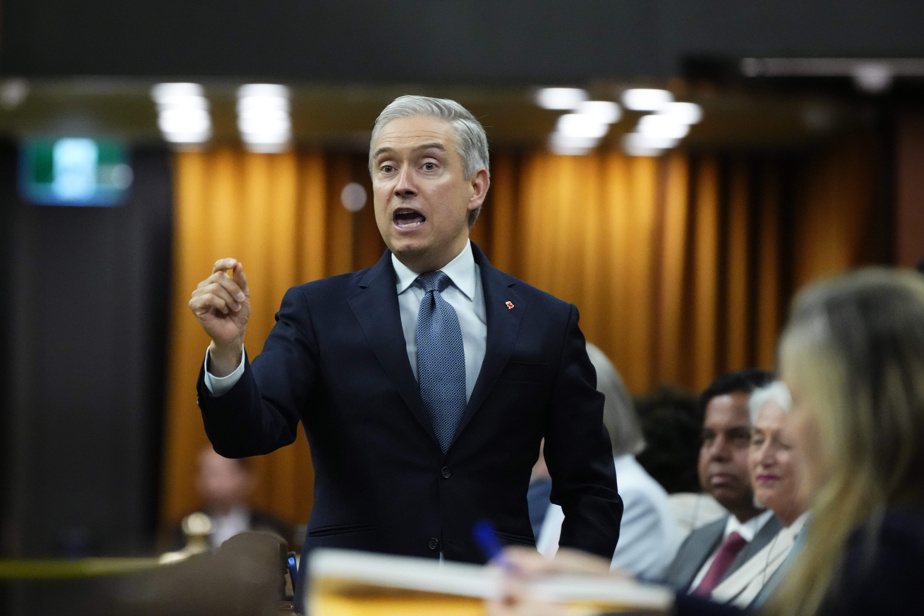
With a Fall budget on its way, I think it’s time to provide a little input to the government’s thinking. I plan on developing these ideas further over the next few days before Canada’s Finance Minister François-Philippe Champagne delivers the 2025 Federal Budget in the House of Commons on November 4, 2025.
Canadians are right to expect more from their government. Every year, the federal payroll grows, administrative costs rise, and services often fail to keep pace with expectations. Prime Minister Mark Carney has a rare opportunity: to modernize Ottawa, reduce waste, and deliver real results for citizens. Four reforms can achieve this vision: ending internal cost recovery, unifying pay and bargaining, adopting outcomes-based management with planned workforce reduction, and automating taxation for wage-only employees.
End internal cost recovery
Departments and agencies currently bill each other for routine services. Justice Canada invoices other departments for legal advice, Shared Services Canada bills for IT support, and administrative units cross-charge for HR and translation. This internal economy consumes thousands of staff hours for paperwork that adds no value to Canadians. Ending cost recovery would simplify budgeting, reduce bureaucracy, and free public servants to focus on meaningful work. Money would be directly appropriated for services, and departments judged by the outcomes they deliver, not the invoices they process.
Adopt a single pay scale and central bargaining agent
The current patchwork of pay scales and multiple unions is costly, confusing, and inequitable. Starting April 1, 2027, all new hires, and any promotions thereafter, should be placed on a single pay scale, with a central bargaining agent representing these employees. Over time, as legacy staff retire, the workforce will converge onto a transparent, uniform system. This builds on decades of prior harmonization work, such as the Universal Classification Standard (UCS) project, and dramatically reduces administrative complexity while ensuring fair and consistent compensation.
Focus on outcomes and shrink the workforce responsibly
Too often, success in Ottawa is measured by hours logged or forms completed. Shifting to outcomes-based management holds departments and employees accountable for results citizens can see. With clearer accountability, the government can responsibly reduce its workforce by 5% annually over five years through attrition and selective hiring. This ensures a smaller, more focused public service while maintaining service quality and providing a review point to adjust if needed.
Automate taxation for wage-only employees
Millions of Canadians file annual tax returns despite receiving income solely through employment, which is already subject to withholding for income tax, CPP, and EI. Like many European systems, Canada could automate reconciliation for these taxpayers, eliminating the need to file a return. This reform would dramatically reduce compliance burdens, shrink the Canada Revenue Agency, and allow the agency to focus on enforcement and complex cases rather than processing simple returns.
A coherent vision for reform
These four reforms share a common principle: simplify, focus, and deliver. They reduce waste, cut bureaucracy, and ensure public servants are evaluated on results rather than paperwork. They free staff to concentrate on tasks that provide tangible value to Canadians while saving hundreds of millions annually in administrative costs.
Prime Minister Carney has the chance to lead Canada into a new era of efficient, accountable government. Ending internal cost recovery, unifying pay, managing for outcomes, and automating taxation are practical, proven, and achievable reforms. Canadians deserve a federal government that works smarter, spends taxpayer dollars wisely, and prioritizes service above bureaucracy.
 The Rowanwood Chronicles