Empowering Homeowners for a Resilient, Clean Energy Future

As climate change accelerates, extreme weather events are no longer a distant threat, they are a pressing reality affecting our homes, our communities, and our energy systems. Power outages during heat waves, ice storms, or high winds are becoming more frequent and severe. In response, it is time for local government to actively encourage homeowners and cottage owners to take control of their energy future by installing solar panels, small wind turbines, and battery storage.

Distributed generation, the ability for households to produce and store their own electricity, is not just an environmental choice. It is a resilience strategy. When power lines fail during storms, homes with solar panels and batteries can maintain critical functions and even contribute power back to the grid. This reduces stress on centralized utilities and helps keep neighborhoods safe and functional during emergencies. Communities that embrace decentralized energy are less vulnerable and more self-sufficient.

Critics often argue that increasing local generation threatens the revenue of traditional utility companies. While it is true that utilities rely on steady consumption to fund infrastructure, this concern overlooks an opportunity: utilities can evolve by integrating distributed energy into their business models. Programs that pay homeowners for excess energy exported to the grid, time-of-use pricing, and community battery projects all allow utilities to remain profitable while supporting a more resilient and cleaner energy system. Resistance rooted in short-term financial interests should not stand in the way of long-term public benefit.

Encouraging household renewable energy is also an economic investment in our communities. Solar panel and small wind turbine installations create local jobs in manufacturing, installation, and maintenance. Money saved on electricity bills stays in the local economy, supporting small businesses and families. Municipal incentives, such as property tax credits, grants, or low-interest loans, can lower the initial cost barrier, making clean energy accessible to more residents. Over time, these measures pay for themselves in reduced infrastructure strain and a healthier, more sustainable environment.

Practical policy steps can make this vision a reality. Local governments can streamline permitting processes for solar and wind installations, adopt bylaws that encourage battery storage, and explore bulk purchase programs to reduce costs. Public education campaigns can inform residents about how to safely integrate renewable technologies into their homes. Together, these measures signal that the municipality is committed to both climate action and community resilience.

The transition to clean, distributed energy is not optional; it is necessary. By supporting homeowners and cottage owners in adopting solar, small wind, and battery storage, local governments can protect communities, strengthen the economy, and reduce greenhouse gas emissions. The tools are available, the climate urgency is clear, and the time to act is now. Empowering residents to generate and store their own electricity is one of the most effective steps a municipality can take toward a safer, cleaner, and more resilient future.
The Promise of Sand Batteries: A New Frontier in Thermal Energy Storage

In the global push toward a clean energy future, battery technology has taken centre stage. Yet not all energy needs to be stored as electricity. Enter the sand battery: a simple, scalable, and surprisingly elegant solution to the problem of storing renewable energy as heat. While lithium and flow batteries dominate headlines, sand-based thermal storage may quietly become one of the most important tools in the transition to net zero, especially in colder climates and industrial sectors.

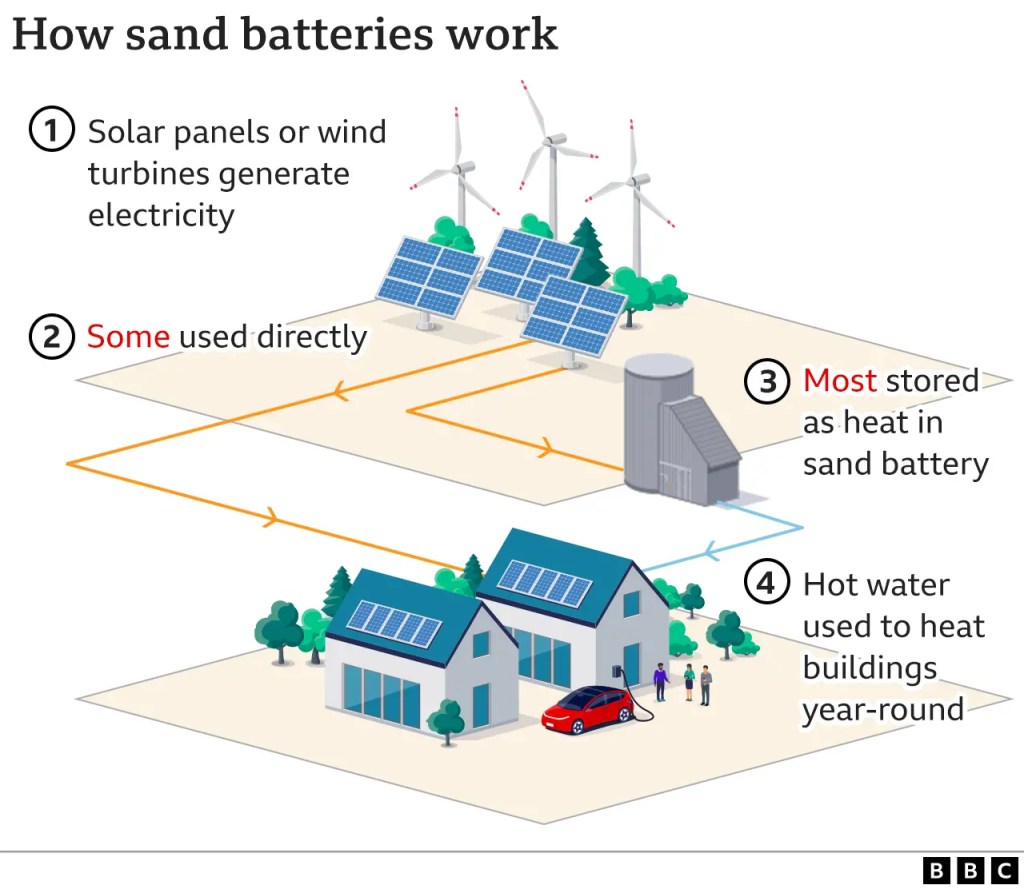
At its heart, a sand battery is a thermal energy storage system. It uses resistive heating elements to convert surplus renewable electricity into heat, which is then stored in a large mass of sand. Sand is cheap, abundant, non-toxic, and capable of withstanding extremely high temperatures – up to 1000°C in some designs. Once heated, the sand is housed in a well-insulated steel or concrete silo, where it can retain thermal energy for days, weeks, or even months. The stored heat can later be extracted and used directly in heating systems or, in some cases, converted back into electricity.

The real beauty of sand batteries lies in their efficiency and affordability. When used for heating applications, such as district heating networks or industrial processes, they achieve thermal round-trip efficiencies of 80 to 95 percent. This puts them in a strong position compared to chemical batteries, especially where the end-use is heat rather than electricity. Converting heat back into electricity is less efficient, often below 40 percent, which limits their utility as pure power storage. Yet, for countries with long, cold winters, and industries dependent on high-temperature heat, sand batteries could be revolutionary.

In Finland, the town of Kankaanpää is already home to the world’s first commercial sand battery, developed by startup Polar Night Energy. The battery stores excess wind and solar power during the summer and discharges it in winter to supply district heat. It’s a practical, real-world demonstration of what this technology can do: provide seasonal storage at a fraction of the cost of chemical alternatives. Think of Canada’s northern and remote coastal communities storing wind and solar energy during the summer, then operating their community heating facilities using sand batteries throughout the winter.  

The potential applications extend well beyond district heating. Many industrial processes: textiles, paper, chemicals, and food production, rely heavily on thermal energy. Today, most of that heat comes from burning fossil fuels. Sand batteries offer a clean alternative, especially when paired with renewables. They’re also ideal for off-grid and remote locations, where reliable heat can be hard to come by.

Compared to other storage technologies, sand batteries stand out for their low cost and long-duration potential. They’re not a replacement for lithium batteries or pumped hydro, but are a crucial complement. As more nations seek to decarbonize not just electricity, but also heating and industry, sand batteries will likely find a permanent place in the energy landscape.

Simple, scalable, and rooted in abundant natural materials, sand batteries remind us that sometimes the most advanced solutions are also the most grounded. In the race toward a sustainable energy future, this humble pile of sand might just be one of our best bets.

Harvesting the Sun Twice: The Rise of Agrivoltaics in Canada

In the ever-evolving landscape of Canadian agriculture, a quiet revolution is taking place; one that blends innovation, resilience, and sustainability. At the heart of this shift is agrivoltaics, the practice of integrating solar energy production with agricultural activities on the same land. In a country where arable land is precious and climate resilience is no longer optional, agrivoltaics offers a compelling vision of how farmers can feed both people and power grids. And unlike many experimental technologies, agrivoltaics is already proving itself on the ground, from Alberta’s prairies to Ontario’s rolling farmland.

The principle behind agrivoltaics is deceptively simple. Instead of choosing between land for crops or solar panels, farmers are using both, strategically placing elevated or spaced-out solar panels to allow for the continued cultivation of crops or the grazing of livestock beneath them. The benefits are multifaceted: improved land-use efficiency, supplemental income from energy generation, lower evaporation rates, enhanced biodiversity, and in some cases, even better crop yields. What once might have seemed like a fringe idea is now a serious pillar in the conversation about Canada’s agricultural and energy future.

Alberta, often associated with its energy sector, has become a surprising hotspot for agrivoltaic innovation. In Strathmore, east of Calgary, a project involving Beecube, UKKO, and local landowners demonstrates how solar farms can coexist harmoniously with apiculture. Here, solar panels provide shelter for bees while the surrounding wildflowers benefit from reduced water loss thanks to the panel shade. This model is not only sustainable but financially shrewd; the land generates solar income while continuing to support honey production, which in turn supports pollination in surrounding agricultural operations.

Meanwhile, in Bon Accord, Alberta, sheep graze under solar panels installed by the municipality. This partnership reduces the need for mechanical mowing, cutting emissions and maintenance costs, while simultaneously supporting local agriculture. Although challenges such as predator management and animal health persist, the project has shown that dual land-use can be both productive and community-minded.

Further south in Lethbridge, the Davidson family farm installed a 2 MW solar array over four hectares of their land. Their early results are promising: water use decreased, yields of shade-tolerant crops like lettuce and spinach improved, and the system helped buffer temperature extremes; an increasingly important advantage as Alberta experiences hotter, drier summers. The financial returns from the energy production are steady and predictable, offering farmers some insulation from commodity price swings.

Ontario has also emerged as a stronghold of agrivoltaic leadership, particularly in the east of the province. At Kinghaven Farms, a thoroughbred horse breeding operation near King City, solar panels quietly generate over 1.8 MW of energy across five different installations. Yet the land remains active agriculturally, supporting bees and pasture for livestock. This is no boutique operation, it’s a model of scalable, pragmatic sustainability, supported in part by Ontario’s long-standing feed-in-tariff and net metering frameworks.

Arnprior’s solar project, spearheaded by EDF Renewables, adds another layer of ecological complexity. The site combines solar power generation with pollinator-friendly vegetation and sheep grazing. With over 50 sheep maintained on-site, the project saves upwards of $30,000 annually on vegetation management. Moreover, the carefully chosen native flora creates a haven for butterflies, bees, and other beneficial insects, turning what could have been a sterile industrial site into a vibrant ecosystem.

The push for agrivoltaics has even begun to intersect with reconciliation and Indigenous economic development. In Perth, Ontario, Golden Leaf Agrivoltaics has launched a partnership with local Indigenous communities to design systems that blend traditional agricultural knowledge with renewable energy. This initiative is as much about cultural renewal as it is about sustainability, offering a space where land stewardship and technological advancement meet on equal footing.

Across these projects, several themes emerge. First, agrivoltaics is not a one-size-fits-all solution. What works in the dry expanses of southern Alberta may not translate directly to the wetter, colder climates of northern Ontario or Quebec. The underlying philosophy, making land work smarter, not harder, holds universal appeal. Second, success depends on collaboration: between farmers and engineers, municipalities and private firms, and, increasingly, energy utilities and Indigenous governments. Agrivoltaics is as much about social innovation as it is about technical design.

Critically, agrivoltaics helps solve one of the thorniest problems in modern planning: land-use conflict. As pressure mounts to deploy renewable energy at scale, particularly in provinces phasing out coal or expanding electric vehicle infrastructure, prime farmland is at risk of being repurposed for solar and wind farms. Agrivoltaics offers a middle ground, enabling land to serve multiple purposes without sacrificing food security.

There are challenges, of course. Start-up costs can be high, regulatory frameworks inconsistent, and skepticism remains among some traditional growers. Yet as demonstration projects continue to yield data, and dollars, those barriers are gradually eroding. Agrivoltaics is no longer a theoretical solution; it is a practical, proven tool for a climate-challenged, energy-hungry world.

In Canada, where vast geography too often isolates best practices, agrivoltaics represents a unifying opportunity. It merges rural and urban priorities, economic pragmatism with ecological restoration. With the right policies, education, and incentives, Canada could lead the world in this field, not just in acreage, but in imagination.

Sources
CBC News – BeeCube/UKKO agrivoltaics project
Organic Agriculture Centre of Canada – Renewable Energy Integration
Compass Energy Consulting – Agrivoltaics in Ontario
Sun Cycle Farms – Agrivoltaic Demonstration Projects
Golden Leaf Agrivoltaics – Community and Indigenous Engagement

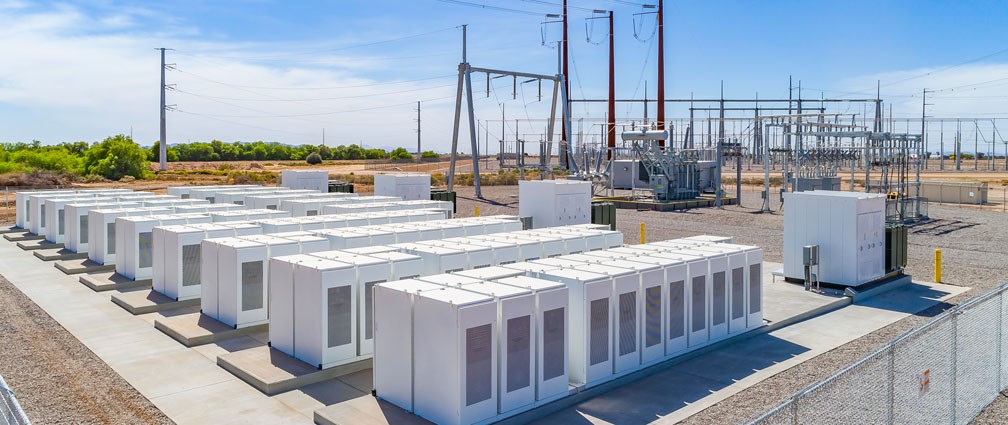
Public Consultation or Box-Ticking Exercise? A Critical Look at a Local Battery Storage Project

Last week, I attended a public consultation in my township concerning the proposed development and operation of a battery storage facility. While I support the idea of more distributed energy systems; including local generation, storage, and distribution, I left the session with more concerns than confidence.

The generational divide in the room was striking. The corporate representatives were mostly in their late 20s or early 30s, while the attending community members were primarily in their 50s and 60s. That’s not a critique of age, but it did highlight a gap in understanding and communication. One representative I spoke with didn’t even know the name of our village or the township they were in, and confused our location with the nearest city. That lack of local awareness is troubling.

When it came to questions about employment, the answers were just as vague. There are no local jobs being created by this facility. Pressed on this point, the company conceded that construction would likely be contracted out to a large regional firm. So much for community economic development.

Technically, this consultation was part of the process required to secure project approval. But calling it a “consultation” is generous. In practice, it was an information session for a project that already has funding and, by all appearances, a green light, once the required Environmental Assessment has been completed and approved. Input from residents was neither requested nor meaningfully incorporated. That’s not consultation—that’s optics.

There was discussion of the township gaining a $300,000 gift from the business, yet when this was explored further, it turns out that the gift is over the 20 year projected life of the facility; so by my calculations that’s $15,000/year for a township with an annual budget of around $4.5 million. 

I also learned that the company developing this project, which is ultimately owned by a private corporation through a series of businesses, partnered with a local First Nation to qualify for the contract. On paper, this is a positive step. I strongly support Indigenous involvement in provincial development, but I couldn’t help but ask: beyond a share of the profits, what is the First Nation partner actually gaining from this deal? Meaningful involvement? Job creation? Capacity building? Those questions went largely unanswered.

Many of the company reps struggled to answer even basic questions. When challenged, they became defensive, admitting they were not properly briefed or that statements about local benefits were merely “possibilities.” That kind of unpreparedness doesn’t inspire public trust.

Let me be clear: I’m not opposed to the project itself. I believe in the need for renewable energy infrastructure, and support the transition to a more decentralized grid. I have no “Not In My Backyard” objections here. My issue is with the process, and with the privatization of what should be a public utility. This kind of infrastructure should be owned and operated by the province for the benefit of its citizens, not by private firms whose primary accountability is to shareholders.

If this is the future of our energy system, we need a better framework, one rooted in public ownership, transparent processes, and genuine community engagement.

Canada’s Role in Advancing Single-Crystal Technology for a Sustainable EV Future

Single-crystal batteries represent a significant advancement in lithium-ion technology, particularly for electric vehicles (EVs). Unlike traditional polycrystalline cathodes, which are composed of multiple crystalline particles, single-crystal cathodes consist of a uniform crystalline structure. This design enhances durability and performance, potentially transforming the lifecycle of EV batteries.

Traditional polycrystalline cathodes are prone to cracking and degradation over time, leading to reduced battery capacity and lifespan. In contrast, single-crystal cathodes exhibit greater resistance to such mechanical stresses. Research indicates that single-crystal lithium-ion batteries can retain 80% of their capacity after 20,000 charge-discharge cycles, compared to approximately 2,400 cycles for conventional cells.

David Stobbe / Stobbe Photography

The uniform structure of single-crystal cathodes contributes to more efficient ion flow, enhancing battery performance. Additionally, these cathodes are more resistant to thermal degradation, improving the safety profile of the batteries. Studies have shown that single-crystal cathode materials provide remarkable performance and safety characteristics.

The adoption of single-crystal battery technology could significantly extend the operational lifespan of EVs. Longer-lasting batteries reduce the frequency of replacements, lowering maintenance costs and enhancing the overall value proposition of electric vehicles. Furthermore, increased battery durability can alleviate concerns related to battery degradation, a common barrier to EV adoption. Ongoing research focuses on optimizing the synthesis of single-crystal cathode materials to enhance their durability and efficiency. For instance, researchers have developed methods to synthesize durable single-crystal cathode materials, potentially extending battery life and efficiency. 

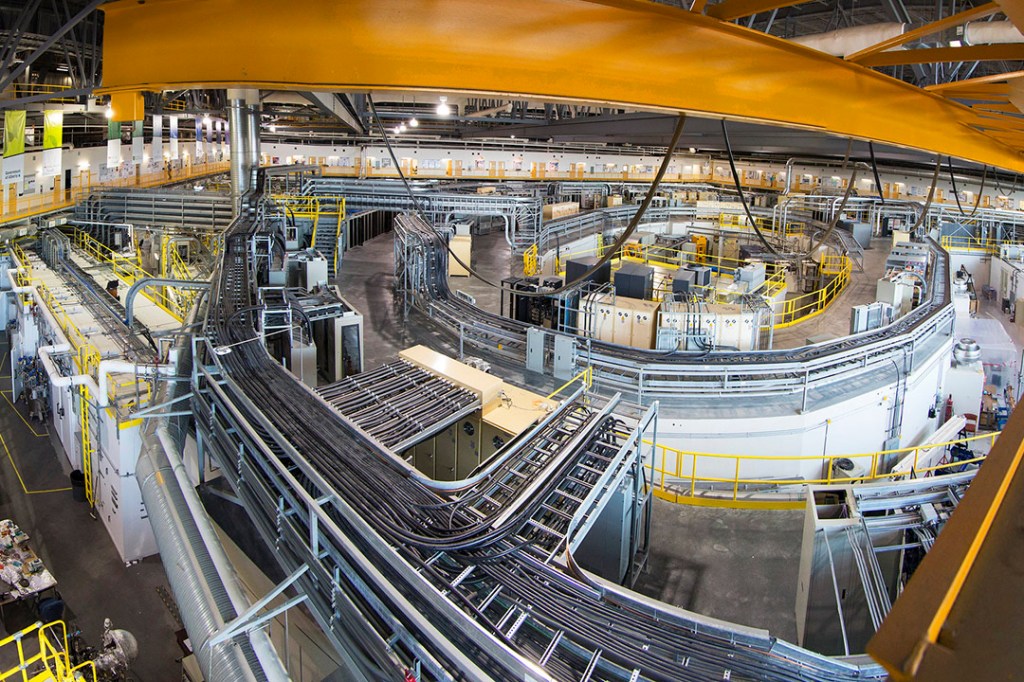
Canada has been instrumental in advancing single-crystal battery technology, with significant contributions from its academic institutions and research facilities. Researchers at Dalhousie University in Halifax have conducted extensive studies on single-crystal lithium-ion batteries. Utilizing the Canadian Light Source (CLS) at the University of Saskatchewan—a national synchrotron light source facility—they analyzed a single-crystal electrode battery that underwent continuous charging and discharging for over six years. Their findings revealed that this battery endured more than 20,000 cycles before reaching 80% capacity, equating to an impressive lifespan of approximately eight million kilometers in driving terms.  This research underscores Canada’s pivotal role in developing durable and efficient battery technologies that could significantly enhance the lifecycle of electric vehicles.

Single-crystal batteries offer promising improvements in durability, performance, and safety for electric vehicles. Their widespread adoption could lead to longer-lasting EVs, reduced maintenance costs, and increased consumer confidence in electric mobility.