
In the run‑up to Burns Night, when invitations to raise a dram in honour of Scotland’s national bard are circulating and whisky lists are being pondered, one question quietly confronts many enthusiasts: why is good single malt from Scotland, particularly from Campbeltown, so difficult to find? Historically, Campbeltown was once celebrated as the whisky‑making capital of the world, its docks loaded with casks and its distilleries numbering in the dozens. Today, that legacy has dwindled to a trio of working sites: Springbank, Glen Scotia, and Glengyle, whose combined output forms only a tiny fraction of Scotland’s total whisky production.
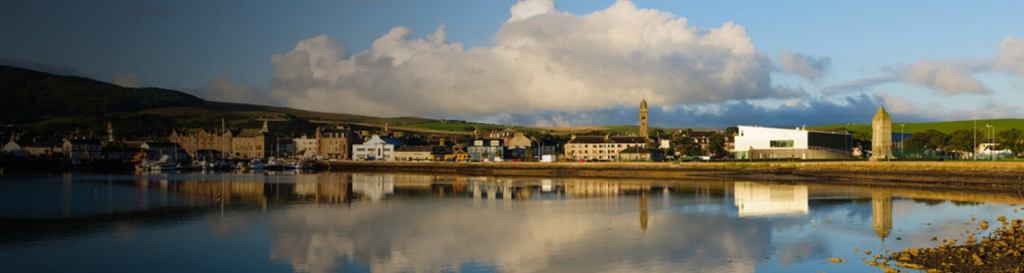
The contraction of the Campbeltown region from a bustling 19th‑century centre to just three survivors underscores a broader shift in Scotch whisky’s industrial geography. Economic downturns, world wars, and changing markets saw most local distilleries close their doors; the survivors have maintained a commitment to traditional craft rather than high‑volume output. Springbank, founded in 1828 and still family‑owned, is notable for carrying out every stage of whisky production on site and for producing multiple distinct spirits from the same distillery. Glengyle’s output, marketed under the Kilkerran name to avoid confusion with another brand, remains limited by design, often amounting to small, carefully managed batches. Glen Scotia continues alongside them with a modest annual capacity, and a small range of core expressions.
This lineage of craftsmanship contributes directly to scarcity. The distilleries’ capacity, often measured in hundreds of thousands rather than millions of litres, cannot hope to match the output of giants in Speyside or the Highlands, and the maturation process itself imposes inevitable delays. Whisky that will only reach ten, fifteen, or more years of age must be laid down long before demand becomes apparent. The result is a perennial mismatch between global appetite and available matured stocks.
The scarcity is compounded by collector and secondary markets, which prize older bottlings and limited releases. Annual special editions or festival releases often sell out immediately and surface on secondary markets at marked‑up prices. That dynamic leaves fewer bottles for casual purchase on regular retail shelves, and for many drinkers the prospect of finding a Springbank 15 or Kilkerran 12 in a local shop feels remote. Even widely respected expressions such as Glen Scotia’s Victoriana or Double Cask appear more steadily only because their production and positioning make them easier to distribute.
Yet the character and heritage that make these whiskies worth celebrating in the first place are inseparable from this scarcity. The maritime influence of ageing on the Kintyre peninsula, the persistence of traditional methods against industrial homogenization, and the small‑scale stewardship of family and independent producers distinguish Campbeltown malts from the bulk‑produced spirits that dominate global shelves. In a whisky world increasingly defined by scale and brand recognition, the quiet resilience of Campbeltown’s remaining distilleries serves as a reminder of the irreplaceable value of regional diversity.



 The Rowanwood Chronicles