
I recently witnessed a moment that was, in equal measure, jarring, ironic, and deeply revealing: a sex worker called a lawyer a whore. The word hit the air like a slap, not just because of who said it, but because of what it exposed. This wasn’t just a spat. It was a cultural moment that pulled back the curtain on how we still weaponize language soaked in misogyny, even among those who should, by all rights, know better.
Now, let’s pause here. The term whore has long been used to shame, control, and degrade women, especially those who dare to transgress sexual norms. Yet, in recent years, many sex workers have reclaimed it, asserting their agency and challenging the stigma. To hear someone from within that world hurl it as an insult is, on the surface, ironic. But beneath that irony lies something far more complex: a commentary on respectability, power, and the hypocrisy that still riddles both feminist and professional spaces.
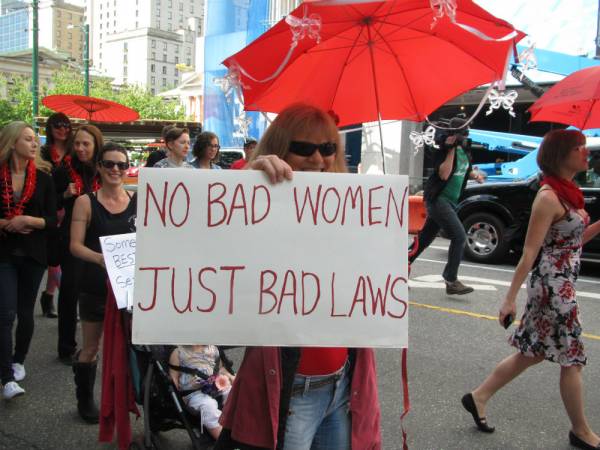
When a sex worker calls a lawyer a whore, they’re not talking about sex. They’re talking about compromise, about selling out, about being willing to do anything for money or power while cloaking it in the illusion of respectability. It’s a sharp dig at the moral contradictions we tolerate in professional life. After all, lawyers and especially those in corporate or political circles, are often paid handsomely to defend the indefensible. They play the game in tailored suits and courtrooms, while sex workers do it in ways society still deems unacceptable. Yet only one of them gets a LinkedIn profile and a pension.
This, to me, is the hypocrisy at the heart of modern feminism. Too often, it uplifts professional women while distancing itself from those who work outside “respectable” labour categories. Mainstream feminism has made great strides, but it still struggles to make room for those whose empowerment doesn’t come with a university degree or a boardroom badge. Sex workers, domestic labourers, and other marginalized women are too often left out of the conversation, unless they serve as cautionary tales or symbols to be rescued.
And this is why the insult stung so sharply. The word “whore” still holds power, not because of what it means, but because of the shame we still attach to it. When used against a lawyer, it highlights the deep discomfort we have with the idea that all labour, whether it involves a courtroom or a bedroom, is transactional. That both women may be “selling themselves” in some fashion, but only one gets to pretend it’s noble.
Feminism, if it means anything today, must confront this hypocrisy head-on. It must stop drawing lines between the respectable and the reviled, the educated and the erotic. It must challenge the systems that make one woman a whore and another a hero, when both may be navigating the same capitalist dance – just with different music.
In that sense, maybe the insult wasn’t ironic at all. Maybe it was deadly accurate.
 The Rowanwood Chronicles