
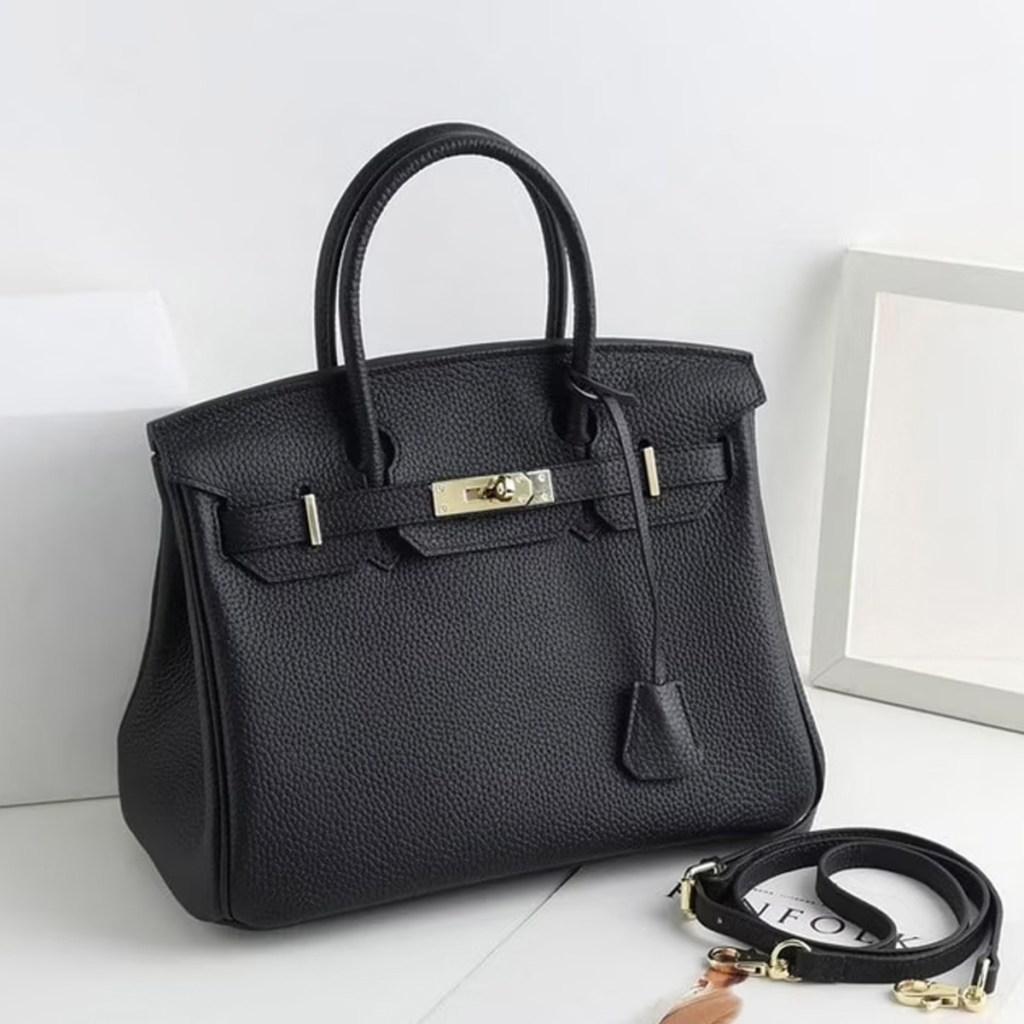
The Walmart Birkin debate, while seemingly chaotic, underscores the positive disruption social media has brought to the way society views fashion, wealth, and accessibility. This debate, which centers on inexpensive alternatives to luxury handbags like Hermès’ Birkin, reflects how social platforms like TikTok and Instagram have democratized access to trends, challenging long-standing ideas of exclusivity and prestige.
Social media has broken down barriers that once kept luxury fashion out of reach for most people. By showcasing Walmart’s Birkin-inspired bags and other accessible “dupes,” platforms have shifted the narrative, allowing everyday consumers to participate in trends without financial strain. This democratization of style isn’t just about affordability—it’s about creativity. People are mixing high-end and low-cost fashion to create their own unique looks, proving that style is more about personal expression than the price tag.

The debate also forces us to reconsider the value of luxury goods as status symbols. For years, owning a Birkin bag was a sign of wealth and social prestige. Now, as social media normalizes dupes, the exclusivity that defined luxury is being questioned. These conversations challenge us to think critically about the meaning of material wealth and the societal pressure to conform to unattainable standards. Is the value of a Birkin in its craftsmanship, or does its worth lie solely in its role as a symbol of privilege? Social media has provided a platform for this dialogue, encouraging a broader critique of wealth inequality and our collective obsession with status.
What makes this disruption even more compelling is how social media amplifies diverse voices. Historically, the luxury market was dominated by a narrow demographic, but now people from all walks of life are participating in this conversation. By sharing their perspectives and personal stories, they’re reshaping the cultural narrative around style and worth. This shift empowers consumers to reclaim fashion from the exclusivity of luxury brands and redefine what it means to be fashionable in their own terms.
Yes, the discourse is messy. The flood of memes, arguments, and polarized opinions on platforms like TikTok can feel overwhelming. But this chaos is a sign of progress. It’s a reflection of cultural disruption—a necessary step in dismantling outdated hierarchies in fashion. This kind of viral conversation challenges norms, fuels innovation, and encourages brands to respond to the evolving values of a new generation of consumers.
In many ways, the Walmart Birkin debate represents the best of what social media can achieve. While it may seem like a trivial squabble over handbags, it’s actually a meaningful reflection of broader societal shifts. It shows us that accessibility and inclusivity are reshaping industries and that style, at its core, belongs to everyone—not just the privileged few.
 The Rowanwood Chronicles