This is the first in a series of articles on freshwater—our most essential and increasingly fragile resource. Potable water is the foundation of any thriving community, yet it faces mounting threats from rising demand, population growth, mismanagement, and climate change. Water scarcity is no longer a distant concern; it is a present reality affecting billions worldwide, including regions of the United States. The urgent challenge is to adopt sustainable practices and modern infrastructure to ensure long-term water security.
The widening gap between supply and demand is at the heart of the global water crisis. Expanding urban populations and agriculture—by far the largest consumer of freshwater—are pushing resources to their limits. This strain is worsened by inefficiencies such as outdated irrigation techniques and aging, leaky infrastructure that wastes millions of gallons daily. Industrial and domestic waste further degrade freshwater sources, as pollutants like heavy metals, pesticides, hydrocarbons, and microplastics seep into rivers and lakes, transforming them from lifelines into health hazards.
Groundwater depletion is an equally pressing concern. Aquifers, the vast underground reserves that sustain millions, are being extracted at unsustainable rates, often faster than they can naturally recharge. In many regions, these reserves are the sole source of drinking water, making their preservation critical. Overpumping leads to land subsidence, ecosystem damage, and in coastal areas, saltwater intrusion, rendering once-pure water undrinkable. Without intervention, many communities risk losing their most reliable water source.
Climate change amplifies these threats. Shifting precipitation patterns disrupt the natural replenishment of freshwater supplies, while glacier retreat and prolonged droughts further reduce available water. The consequences are most severe in arid and semi-arid regions, where communities already struggle with limited access to clean water. Extreme weather events, such as hurricanes and floods, can also overwhelm infrastructure, contaminating water supplies with pollutants and pathogens.
Addressing these challenges requires a fundamental shift in water management. Advanced technologies such as drip irrigation, wastewater recycling, and desalination offer viable solutions to improve efficiency and expand supply. Equally important is public engagement—education and incentives can promote conservation at the household and community levels. Governments, industries, and local communities must work together to develop policies that prioritize equitable water distribution, pollution control, and long-term sustainability.
Freshwater is our most valuable natural resource, yet it is treated as an afterthought. Without immediate action, shortages will become more frequent and severe, threatening food production, public health, and economic stability. In the coming articles, we will explore the key dimensions of this crisis in greater depth, examining solutions that can secure a sustainable water future.
As we are deep into the February 2025 Ontario election, I thought I might share my vision for the province, which might just be a little wide of traditional thinking for this part of North America, but would help rebalance the out of control neoliberal free-market capitalism we have today.
I personally don’t feel that the New Democratic Party (NDP) is far enough to the left, as it makes too many compromises in order to attract centralist voters, whereas the Democratic Socialists of Canada (DSC) are uncompromising idealists, and politically ineffective. I fall somewhere in between these two parties, taking the best of both, and hopefully crafting a strategic message that’s attractive to others.
Vision The vision for Ontario is one of prosperity and equity, placing the well-being of its citizens at the forefront. This vision emphasizes robust investments in education, social programs, healthcare, and economic infrastructure to foster sustainable growth. The goal is to empower small and medium-sized communities, easing the burden on overpopulated urban centers and promoting regional equity, ensuring that all Ontarians benefit from the province’s future.
Core Pillars of the Mandate The mandate is built upon five core pillars, each aimed at creating a more inclusive, prosperous Ontario. These pillars are focused on empowering citizens through education, improving community well-being, ensuring healthcare accessibility, fostering economic resilience, and promoting decentralized urban planning.
Education for Empowerment A commitment to universal access to high-quality education is foundational. The focus will be on equipping Ontarians with the skills necessary for a modern, equitable economy. This will be achieved by expanding public education funding, particularly in smaller and medium-sized communities, ensuring that schools have access to modern facilities, resources, and technology. To make post-secondary education more accessible, tuition fees will be capped, grants increased, and debt forgiveness programs introduced for students who work in underserved areas. Moreover, lifelong learning programs will be developed to offer free or subsidized adult education and skills-training in emerging industries such as green energy and trades.
Social Equity and Community Well-Being The goal is to build a society that is inclusive and supportive of its most vulnerable populations. Prioritizing affordable housing development in smaller communities will ensure that these areas remain accessible and livable. In addition, social safety nets such as universal childcare, guaranteed basic income pilots, and targeted support for Indigenous, rural, and marginalized communities will be strengthened. Public transit systems will also be expanded in smaller communities to reduce isolation and promote economic integration, ensuring better access to resources and opportunities for all.
Healthcare Accessibility and Innovation Comprehensive healthcare that is accessible to all Ontarians is central to the mandate. Efforts will focus on strengthening local healthcare systems, particularly in smaller communities. By decentralizing healthcare services, the government will build and expand hospitals, clinics, and mental health centers, ensuring that these communities are well-served. Recruitment incentives for healthcare professionals will encourage doctors, nurses, and allied health workers to settle in underserved areas. Additionally, long-term care will be reformed, transitioning to fully public and community-centered models to ensure seniors receive care with dignity.
Economic Resilience and Green Growth The mandate aims to promote sustainable economic growth through targeted investments in local industries and green initiatives. Creating tax incentives and grants for businesses to establish operations in smaller communities will be key to developing these regions economically. Expanding rural broadband to guarantee high-speed internet access will empower remote work, education, and commerce. Support for green industries, including renewable energy, sustainable agriculture, and low-emission manufacturing, will help these smaller regions thrive while contributing to environmental sustainability. Furthermore, worker-focused policies such as a $20/hour minimum wage, strong union protections, and expanded benefits like paid sick leave will ensure fair wages and working conditions across Ontario.
Decentralized Urban Planning Shifting the focus from overburdened urban centers to smaller communities is a central part of the vision. Population redistribution strategies will provide tax benefits and relocation assistance for families and businesses moving to smaller towns. This will be complemented by investments in local infrastructure to improve water, energy, and transportation systems, making these communities more attractive for growth. Moreover, smart city planning will prioritize environmentally conscious and community-driven urban development, curbing urban sprawl and preserving green spaces.
Accountability Framework To ensure the success of these initiatives, an accountability framework will be established. Regional citizens’ assemblies will guide local development, providing a channel for community input and ensuring government responsiveness. Transparent reporting will be maintained, with annual progress reports on education, healthcare, and economic initiatives. Regular equity audits will be conducted to ensure that the benefits of these programs are distributed fairly across rural, Indigenous, and urban populations.
Conclusion The transformative changes outlined in this mandate will be funded through a progressive taxation system. The wealthiest individuals and corporations will contribute their fair share, while tax loopholes and corporate subsidies will be minimized, redirecting billions toward public investments. A modest increase in taxes on luxury goods, high-value real estate, and environmentally harmful industries will also generate revenue while promoting sustainability. Additionally, funding from inefficient urban sprawl projects will be reallocated to support investments in smaller communities. By partnering with federal programs and green investment funds, the province will secure additional resources for vital infrastructure, education, and healthcare reforms, ensuring fiscal responsibility while driving long-term economic growth.
This vision for Ontario is rooted in social democracy, seeking to build a fair, inclusive, and sustainable province by addressing the needs of all its citizens. By prioritizing smaller communities and strengthening public infrastructure, it aims to balance equity with opportunity, ensuring that no one is left behind in Ontario’s future.
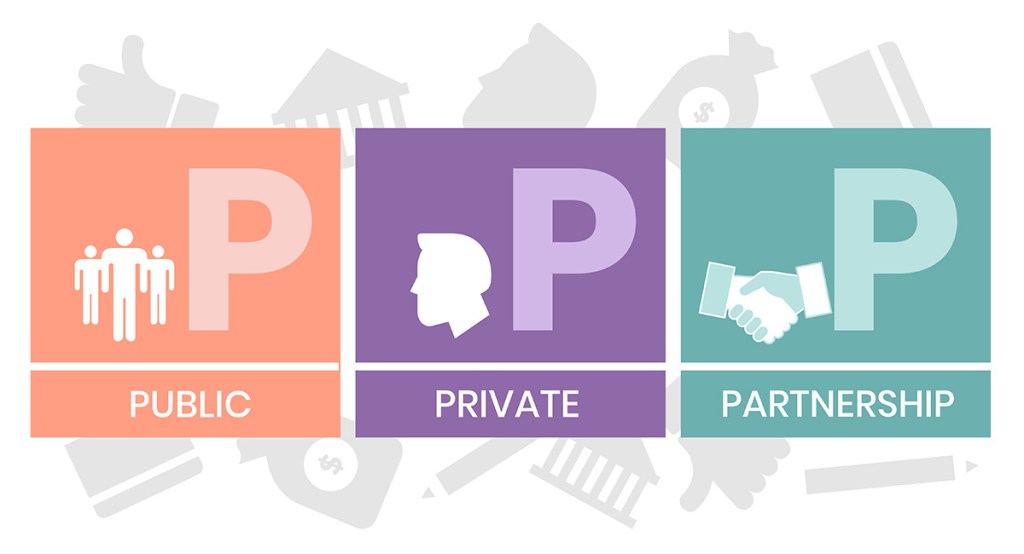
Public-Private Partnerships (P3) are often presented as an optimal solution for improving public services through private sector efficiency and innovation. However, the reality frequently falls short of this ideal. Critics argue that P3 can lead to a lack of accountability and transparency, increased costs, and social inequality. These issues are not merely theoretical; real-world examples demonstrate the substantial risks and failures associated with the P3 model.
The Public-Private Partnership between the City of Ottawa and the Ottawa Sports and Entertainment Group (OSEG) concerning the Lansdowne complex has faced criticism over financial, planning, and public engagement issues.
One of the most significant criticisms of P3 is the lack of accountability and transparency. Private companies, driven primarily by profit, may prioritize financial returns over public welfare. This conflict of interest can lead to cost overruns and poor service delivery. The United Kingdom’s National Audit Office (NAO) highlighted this issue in its report on the Private Finance Initiative (PFI) and PF2 projects. According to the NAO, privately financed public projects often result in higher costs and offer less value for money compared to traditional public sector financing. For instance, the NAO found that hospitals built under PFI schemes were significantly more expensive than those funded directly by the government, burdening taxpayers with long-term financial obligations.
PPPs can exacerbate social inequality by shifting the focus from universal access to profitability. In sectors like healthcare, education, and transportation, this shift can lead to the exclusion of low-income populations. A World Bank study on P3s in the health sector in low-income countries revealed that these partnerships often resulted in higher costs for patients. This increase in costs limited access to essential health services for the poorest segments of society. For example, in Lesotho, a P3 hospital project led by a private consortium resulted in costs that were three times higher than those of other public hospitals, severely straining the country’s health budget and limiting access for the poorest citizens.
Another critical issue with P3s is the potential undermining of public sector capabilities. When private companies take over roles traditionally filled by the government, there is a risk of eroding public sector skills and capacities. This dependency can make it difficult for the public sector to resume these roles in the future. The International Monetary Fund (IMF) has warned that P3s, if not carefully managed, can result in significant contingent liabilities for governments, potentially leading to fiscal instability. The case of the Jakarta Water Supply in Indonesia is a prime example. The P3 aimed to improve water services, but led to a deterioration in service quality and increased tariffs, while the private operators failed to meet investment targets. Eventually, the government had to take back control, illustrating the pitfalls of eroded public sector capabilities and the financial burden of failed partnerships.
The long-term contracts typical of P3s can limit future policy flexibility. Governments may find themselves locked into agreements that do not adapt well to changing public needs or economic conditions. This rigidity can stifle innovation and responsiveness, which are essential for effective public service delivery. The Melbourne CityLink in Australia exemplifies this problem. The toll road project involved a long-term contract that included compensation clauses if competing infrastructure reduced toll revenues. This agreement restricted the government’s ability to develop alternative transportation solutions, illustrating how PPPs can constrain public policy and innovation.
While P3s promise increased efficiency and innovation, they often fall short in practice. Higher costs, reduced access to services, diminished public sector capacity, and inflexibility in policy making are common issues. It is crucial to critically assess the implications of P3s before embracing this model for public service delivery, ensuring that public interests remain paramount.
As a business consultant, I spent nearly two years managing the Canadian multi-livestock traceability project office in response to the BSE “mad cow” outbreak. Later, I became the first General Manager of the Canadian Livestock Identification Agency, helping to expand this approach nationally, and then with the aid of federal funding, pushed into Latin America,. What became clear was the transformative power of full value chain traceability. It not only opens doors to new markets, but also helps countries differentiate their products, and navigate technical and political trade barriers like tariffs.
For Canadian retailers and manufacturers, U.S. tariffs have long created challenges—raising costs, shrinking margins, and destabilizing cross-border trade. But technology offers a way to turn these obstacles into opportunities. Imagine a system where every Canadian product carries a scannable code revealing its value chain, from sourcing to production and even its environmental footprint. This transparency wouldn’t just empower consumers—it would give Canadian products a competitive edge by showcasing their quality, sustainability, and tariff-free origins.
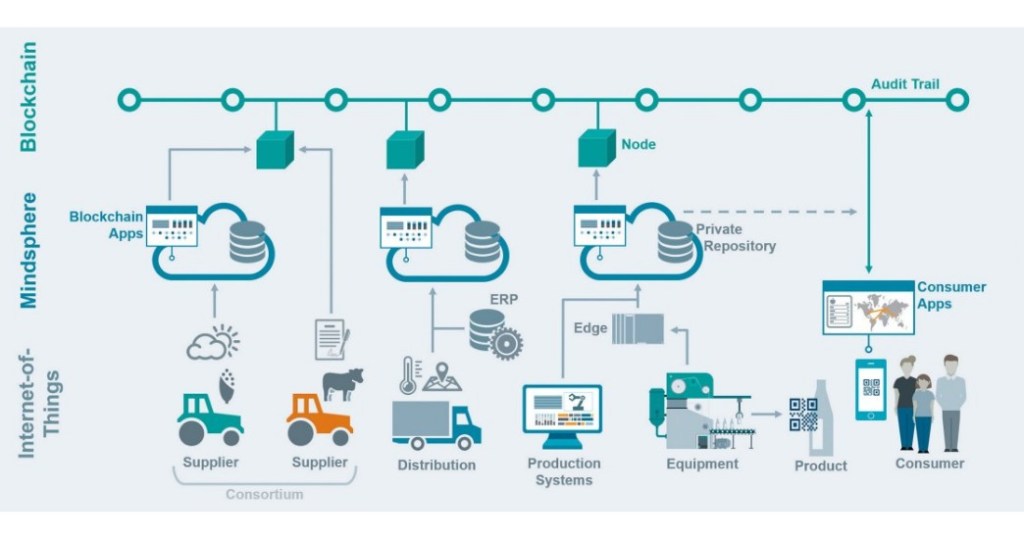
Traceability technology, backed by blockchain, makes this vision possible. By assigning every product a unique QR code or barcode, manufacturers could provide consumers with instant access to detailed information. A quick scan might show that a product was made in Canada, outline ethical practices in its supply chain, and even display its carbon footprint. Such transparency doesn’t just satisfy curiosity—it allows consumers to align purchases with their values, all while supporting the Canadian economy.
Blockchain adds an essential layer of trust to this system. Unlike traditional databases, blockchain technology is inherently secure, creating an unchangeable record of every step in a product’s journey. From raw materials in British Columbia to manufacturing in Ontario, each stage is logged and verified. In an age where consumers demand proof of sustainability and ethical practices, blockchain offers the credibility that builds trust and eliminates doubt.
For shoppers, the benefits of this system are clear. It provides a powerful tool for identifying Canadian-made goods, particularly in tariff-sensitive sectors like food, textiles, and electronics. When trade restrictions drive prices higher, consumers could actively choose local, tariff-free products, keeping money in Canada while avoiding inflated costs. Retailers, in turn, could spotlight these products as premium, ethical choices, differentiating them from imports.
From a business perspective, adopting traceability technology is more than a tool for compliance—it’s a way to build brand loyalty. Shoppers are more likely to trust and return to brands that are transparent about their supply chains. Companies investing in traceability could also attract eco-conscious and ethically driven consumers, both domestically and internationally, creating new opportunities to expand market share.
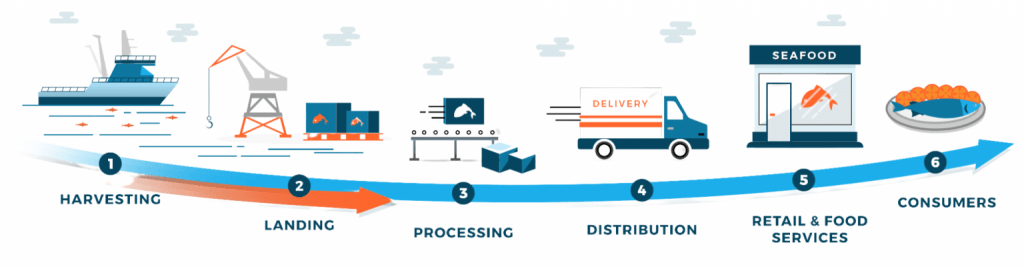
This technology is real today, and ready to use. Japan has been a pioneer in retail traceability, leveraging advanced technology to ensure transparency and quality in its supply chains. From QR codes on produce that detail farm origins to blockchain systems tracking seafood to combat fraud, Japan’s focus on traceability reflects its commitment to consumer trust, food safety, and sustainable practices.
The Canadian government has a role to play in fostering this transformation. Policymakers could accelerate adoption through regulations requiring supply chain transparency, and by offering tax incentives to early adopters. Public campaigns could educate consumers about the benefits of traceability, while certification programs could establish recognizable “Made in Canada” labels, further encouraging local pride and support.
While small businesses may face challenges in adopting this technology, such as costs and competition concerns, these barriers can be addressed through subsidies, partnerships, and thoughtful frameworks. By striking a balance between transparency and proprietary protections, Canada can ensure accessibility while preserving competitive advantages.
This system isn’t just about tariffs—it’s about redefining how Canadians shop and consume. Traceability technology positions Canada as a leader in ethical, sustainable retail practices. It empowers consumers with unprecedented insight into the products they buy, while strengthening the economy through local innovation and production.
Ultimately, this approach reinforces what makes Canadian products stand out. Whether it’s sustainability, fair labor practices, or national pride, traceability ensures that “Made in Canada” is more than just a label—it’s a commitment to quality, transparency, and trust.
When it comes to managing the wealth derived from oil and gas, two regions stand out for their contrasting approaches: Norway (pop. 5.5million) and Alberta (pop. 4.9million). Both have harnessed their natural resources for economic growth, yet their strategies for licensing and managing these resources couldn’t be more different. The way each has handled its wealth offers key lessons in resource management, long-term planning, and the risks of relying too heavily on finite resources.
Norway: A Model of Prudence and Vision Norway’s approach to managing its oil wealth is often hailed as a textbook example of responsible governance. Since the discovery of significant offshore oil reserves in the 1960s, Norway has been careful in extracting and managing its resources. Central to its success is the Government Pension Fund Global (GPFG), established in 1990 to invest surplus oil revenues for future generations. The Norwegian government adopted the principle of saving the vast majority of oil revenues, putting them into a sovereign wealth fund, which today is worth over $1.5 trillion USD.
But the key to Norway’s success is not just the size of its fund—it’s the disciplined, long-term vision that drives its policy. The fund is managed independently of the national budget, with only around 3% of its value being used each year to support government spending. The idea is to use oil wealth as a means to stabilize the economy, particularly during times of volatility in oil prices, while preserving it for future generations. The fund is diversified across global markets, ranging from equities and bonds to real estate, and is governed by a strict set of ethical guidelines that ensure investments align with environmental and social responsibility.
What stands out most about Norway’s resource licensing is its careful approach to development. The government has been strategic in its licensing policies, issuing permits in a way that balances long-term sustainability with economic growth. By managing resource extraction with an eye on long-term returns, Norway has avoided the so-called resource curse, a phenomenon that has plagued other oil-rich nations.
Alberta: A Cautionary Tale Alberta, on the other hand, has taken a much less consistent approach to its oil and gas revenues. Since the 1970s, Alberta has been a major player in the global energy market, thanks to its vast reserves of oil sands. The province established the Heritage Savings Trust Fund in 1976, with the goal of saving a portion of its oil wealth for future generations. However, Alberta’s approach to managing this fund has been less disciplined than Norway’s.
The fund, now valued at around $19 billion CAD, has seen inconsistent contributions and, more often than not, withdrawals to cover the province’s operating expenses. This lack of long-term planning has led to missed opportunities for growth. When oil prices have been high, Alberta has relied heavily on resource revenue to fund public services, rather than investing for the future. This short-term approach has left the province vulnerable to the fluctuations in oil prices, with little in the way of a financial cushion to soften the blow during downturns.
Alberta’s resource licensing policies have also been marked by political expediency. The province has often prioritized immediate economic growth over long-term sustainability, leading to environmental concerns and a boom-bust economic cycle. Unlike Norway, which has been cautious in licensing new projects, Alberta has pushed forward with aggressive development, particularly in its oil sands sector. While this has spurred economic activity, it has also raised questions about the environmental costs and the wisdom of rapid, large-scale extraction.
Key Takeaways The differences between Alberta and Norway are stark. Norway’s long-term vision, driven by a carefully managed sovereign wealth fund, stands in sharp contrast to Alberta’s more reactive, short-term approach. While both have abundant natural resources, it is Norway’s commitment to future generations, disciplined fund management, and cautious resource licensing that has helped it build a sustainable economic model. Alberta, in contrast, offers a cautionary tale of how reliance on resource wealth without long-term planning can leave a province exposed to the volatility of the global energy market.
As the world’s energy landscape continues to evolve, Alberta would do well to study Norway’s example—not just in terms of saving oil wealth but also in fostering a more sustainable approach to resource extraction and development. The future of resource economies will depend on the choices made today.
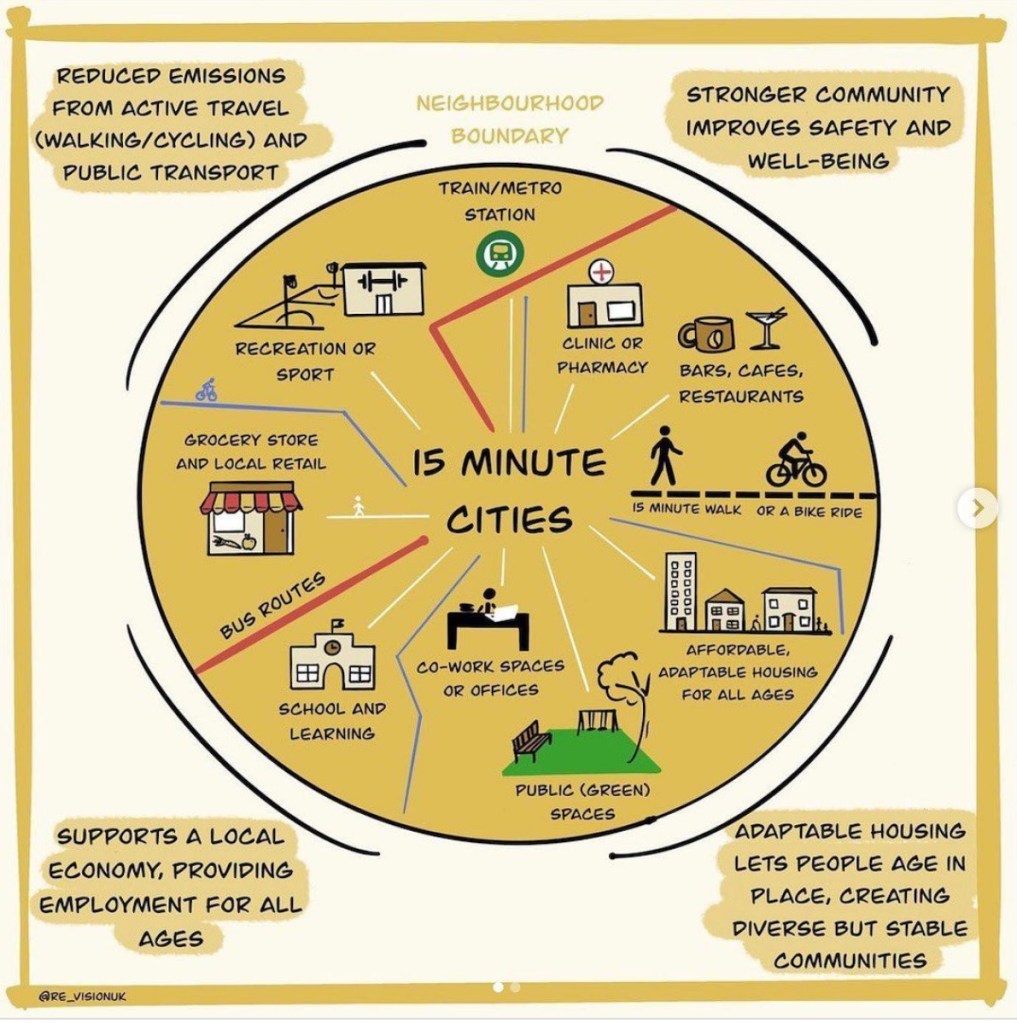
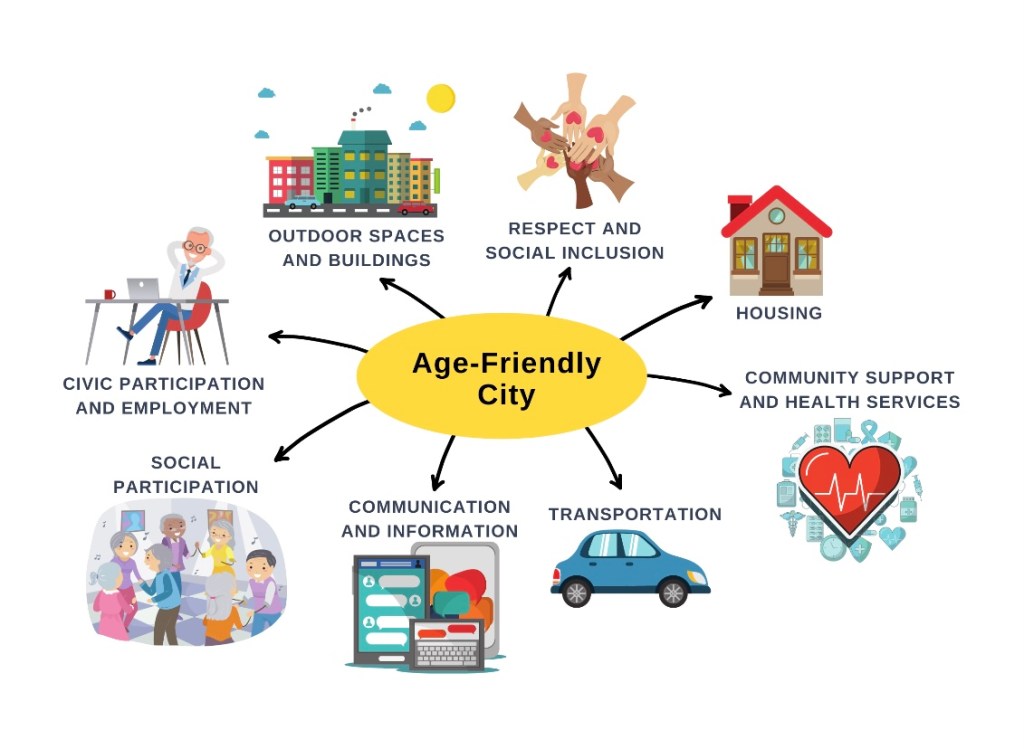
The 15-minute city concept is redefining urban planning by creating neighborhoods where residents can access essential services and amenities—such as schools, grocery stores, healthcare, parks, and cultural hubs—within a short walk or bike ride from their homes. This approach enhances livability, promotes sustainability, and fosters vibrant communities. While cities like Montreal and Vancouver are often highlighted as Canadian pioneers of this model, the concept has significant potential to transform smaller cities and suburban areas as well.
Modern suburban developments, with their sprawling layout, lack of sidewalks, and reliance on car travel, often isolate families and increase stress. Parents find themselves spending hours shuttling children to school, sports, and activities, leaving less time for connection with neighbors or the community. By contrast, the 15-minute city offers a remedy: neighborhoods designed for convenience, where daily needs are within walking distance, eliminating the dependency on cars and fostering tighter-knit communities.
Montreal’s Plateau-Mont-Royal exemplifies the 15-minute city with its dense urban fabric and mixed land use. The neighborhood integrates residential spaces with vibrant local businesses, green parks, and pedestrian-friendly streets. Residents can easily walk or bike to markets, cafes, schools, and public transit, making car ownership unnecessary for most. The Plateau demonstrates how retrofitting existing neighborhoods with human-scale design can create thriving, sustainable communities.
While Vancouver’s downtown core is often cited as a model of accessibility and vibrancy, Victoria has also embraced the 15-minute city concept through its commitment to walkable neighborhoods and cycling infrastructure. Areas like Fernwood and James Bay offer compact communities where residents can access markets, local cafes, healthcare, and schools without needing a car. The city’s investment in bike lanes and mixed-use development showcases how smaller cities can lead the way in creating vibrant, sustainable urban environments.
Stratford, a small Ontario city known for its arts and theater scene, has leveraged its human-scale design to embody the principles of the 15-minute city. Residents of Stratford can easily walk to schools, grocery stores, parks, and cultural venues. The city’s focus on local businesses and accessible public transit demonstrates how smaller municipalities can create thriving, close-knit communities while reducing environmental impact.
Growing up in Newcastle-upon-Tyne, I experienced firsthand the benefits of a 15-minute city before the term existed. Everything we needed—food shopping, schools, parks, and even the local fish-and-chip shop—was within walking distance. Pubs and restaurants were truly “local,” and an affordable public transit system connected us to the wider city. This lifestyle fostered independence, social connections, and a sense of belonging—qualities that modern urban planning seeks to replicate.
The 15-minute city has sparked debate, with critics fearing it may restrict personal freedom or create isolated “bubbles.” However, proponents argue that the model enhances choice by making essential services more accessible while reducing reliance on cars. Rather than limiting mobility, it offers more options for transportation, including walking, cycling, and transit. This model also aligns with public health goals, reducing long commutes and encouraging active lifestyles.
Danish urbanist Jan Gehl emphasizes designing cities around people, not cars. His research underscores the economic, social, and environmental benefits of walkable neighborhoods, from improved mental health to strengthened community bonds. By investing in pedestrian infrastructure and mixed-use development, cities can become more sustainable and equitable.
As Canadian cities grow, the 15-minute city offers a roadmap for livable, sustainable urban living. By prioritizing human-scale design and reducing car dependency, communities of all sizes can embrace this transformative model. Whether in a bustling metropolis or a small city like Stratford, the principles of the 15-minute city promise a more inclusive, resilient future for urban living.
As food prices at national supermarket chains continue to rise, local cooperative food stores offer a traditional, yet innovative alternative. Member-owned co-ops blend economic participation with social and environmental values, prioritizing community needs over profits. This model, which began in Canada in 1861 with coal miners in Nova Scotia, has grown steadily, with 435 food co-ops operating nationwide by 2022—a 12% increase since 2017.
Cooperative food stores operate democratically, with members sharing decision-making power. Each member has an equal vote on store policies, product selection, and profit distribution, ensuring decisions align with community priorities. According to the Canadian Co-operative Association (CCA), co-ops reinvest profits into infrastructure, local sourcing, and expanded services, creating direct economic benefits for members. In some cases, profits are distributed as member dividends, fostering further local investment.
These stores emphasize sustainability and local sourcing, reducing the carbon footprint associated with long-distance food transportation. A 2020 study by the Co-operative Housing Federation of Canada found that co-ops frequently engage in sustainable practices, supporting regional food security and small-scale farmers. The National Farmers Union of Canada reported in 2021 that 25% of local farmers primarily sell through co-ops or farmers’ markets, helping small producers compete in a market dominated by corporate chains.
Co-ops also strengthen community ties. Many host educational programs, cooking classes, and partnerships with local farmers, promoting food sustainability while fostering social cohesion. By prioritizing ethical sourcing and environmental practices, co-ops encourage responsible consumption and sustainable lifestyles. Examples such as Toronto’s Karma Co-op, founded in 1972, demonstrate the success of this model. With over 3,000 members, it provides organic, local, and sustainably sourced products while serving as a hub for community engagement.
Despite their benefits, co-ops face challenges. Start-up costs and membership fees can be barriers for low-income communities, while reliance on loans adds financial pressure. Decision-making in larger co-ops can be slow, as democratic processes require consensus. Additionally, their focus on local and organic goods may limit product variety and occasionally drive up prices compared to large grocery chains.
Nonetheless, the advantages of co-ops—community ownership, support for local economies, sustainability, and affordability—make them a compelling alternative to for-profit supermarket chains. With 65% of Canadians prioritizing local and organic food, the cooperative movement aligns with consumer preferences and offers a path toward more resilient, equitable food systems.
By empowering communities to take control of their food supply, co-ops address concerns around food security and environmental sustainability. As demand for ethical and community-driven food systems grows, the cooperative model is poised for continued success in Canada, offering a viable solution to rising food costs and corporate domination of the grocery industry.