
The 15-minute city concept is redefining urban planning by creating neighborhoods where residents can access essential services and amenities—such as schools, grocery stores, healthcare, parks, and cultural hubs—within a short walk or bike ride from their homes. This approach enhances livability, promotes sustainability, and fosters vibrant communities. While cities like Montreal and Vancouver are often highlighted as Canadian pioneers of this model, the concept has significant potential to transform smaller cities and suburban areas as well.
Modern suburban developments, with their sprawling layout, lack of sidewalks, and reliance on car travel, often isolate families and increase stress. Parents find themselves spending hours shuttling children to school, sports, and activities, leaving less time for connection with neighbors or the community. By contrast, the 15-minute city offers a remedy: neighborhoods designed for convenience, where daily needs are within walking distance, eliminating the dependency on cars and fostering tighter-knit communities.
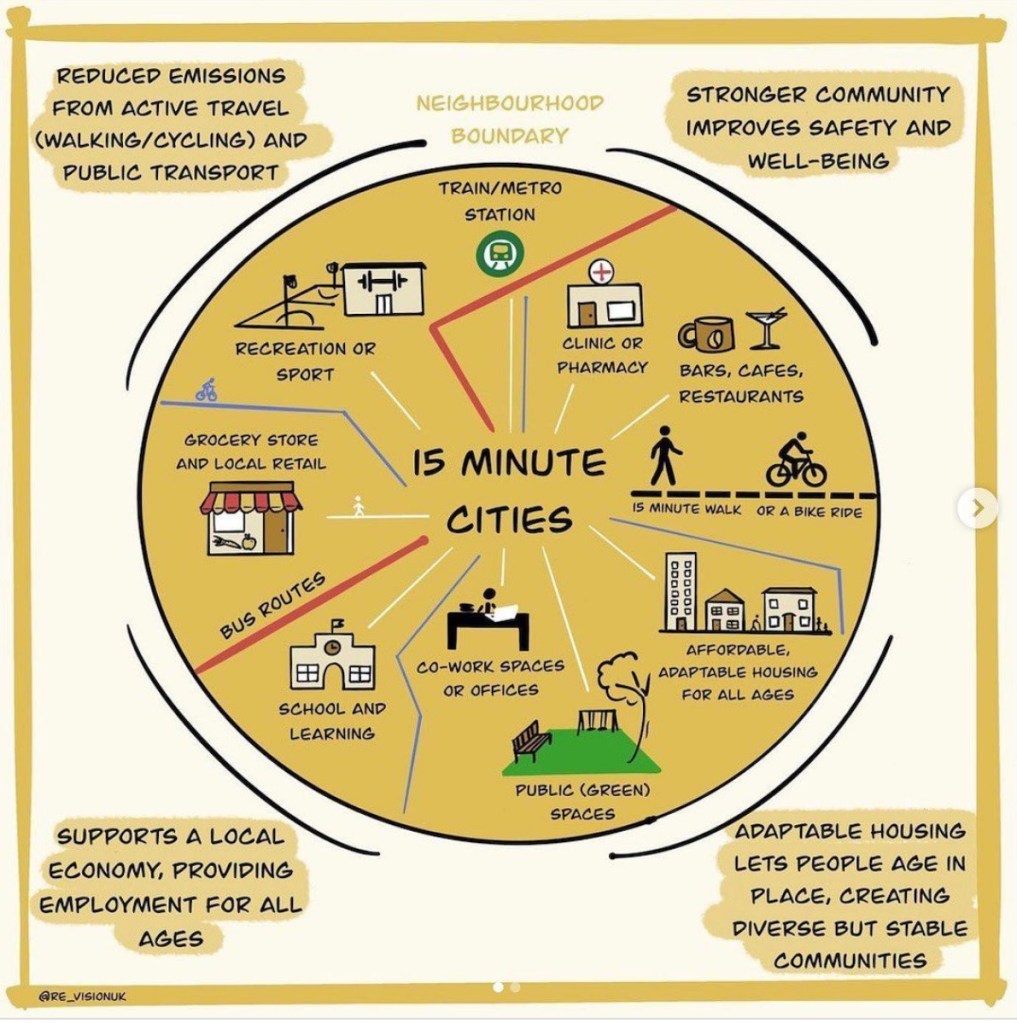
Montreal’s Plateau-Mont-Royal exemplifies the 15-minute city with its dense urban fabric and mixed land use. The neighborhood integrates residential spaces with vibrant local businesses, green parks, and pedestrian-friendly streets. Residents can easily walk or bike to markets, cafes, schools, and public transit, making car ownership unnecessary for most. The Plateau demonstrates how retrofitting existing neighborhoods with human-scale design can create thriving, sustainable communities.
While Vancouver’s downtown core is often cited as a model of accessibility and vibrancy, Victoria has also embraced the 15-minute city concept through its commitment to walkable neighborhoods and cycling infrastructure. Areas like Fernwood and James Bay offer compact communities where residents can access markets, local cafes, healthcare, and schools without needing a car. The city’s investment in bike lanes and mixed-use development showcases how smaller cities can lead the way in creating vibrant, sustainable urban environments.
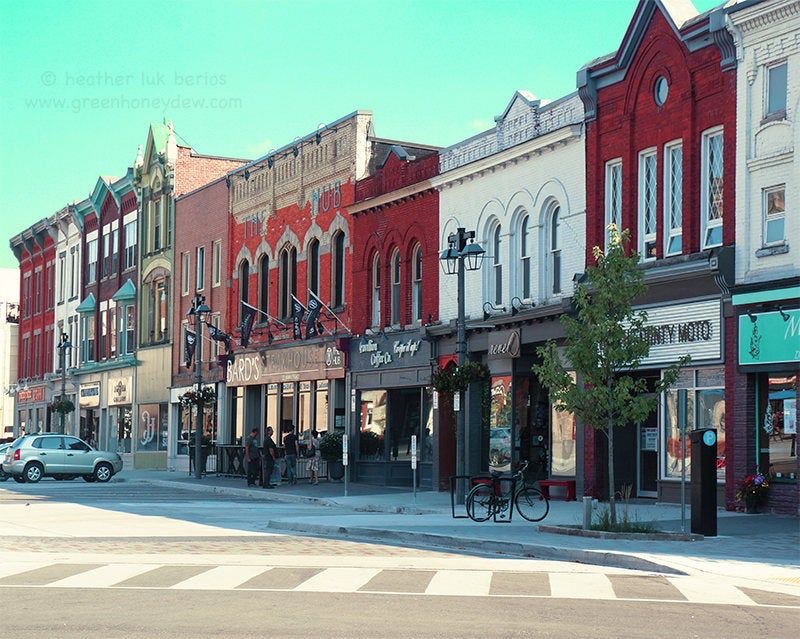
Stratford, a small Ontario city known for its arts and theater scene, has leveraged its human-scale design to embody the principles of the 15-minute city. Residents of Stratford can easily walk to schools, grocery stores, parks, and cultural venues. The city’s focus on local businesses and accessible public transit demonstrates how smaller municipalities can create thriving, close-knit communities while reducing environmental impact.
Growing up in Newcastle-upon-Tyne, I experienced firsthand the benefits of a 15-minute city before the term existed. Everything we needed—food shopping, schools, parks, and even the local fish-and-chip shop—was within walking distance. Pubs and restaurants were truly “local,” and an affordable public transit system connected us to the wider city. This lifestyle fostered independence, social connections, and a sense of belonging—qualities that modern urban planning seeks to replicate.
The 15-minute city has sparked debate, with critics fearing it may restrict personal freedom or create isolated “bubbles.” However, proponents argue that the model enhances choice by making essential services more accessible while reducing reliance on cars. Rather than limiting mobility, it offers more options for transportation, including walking, cycling, and transit. This model also aligns with public health goals, reducing long commutes and encouraging active lifestyles.
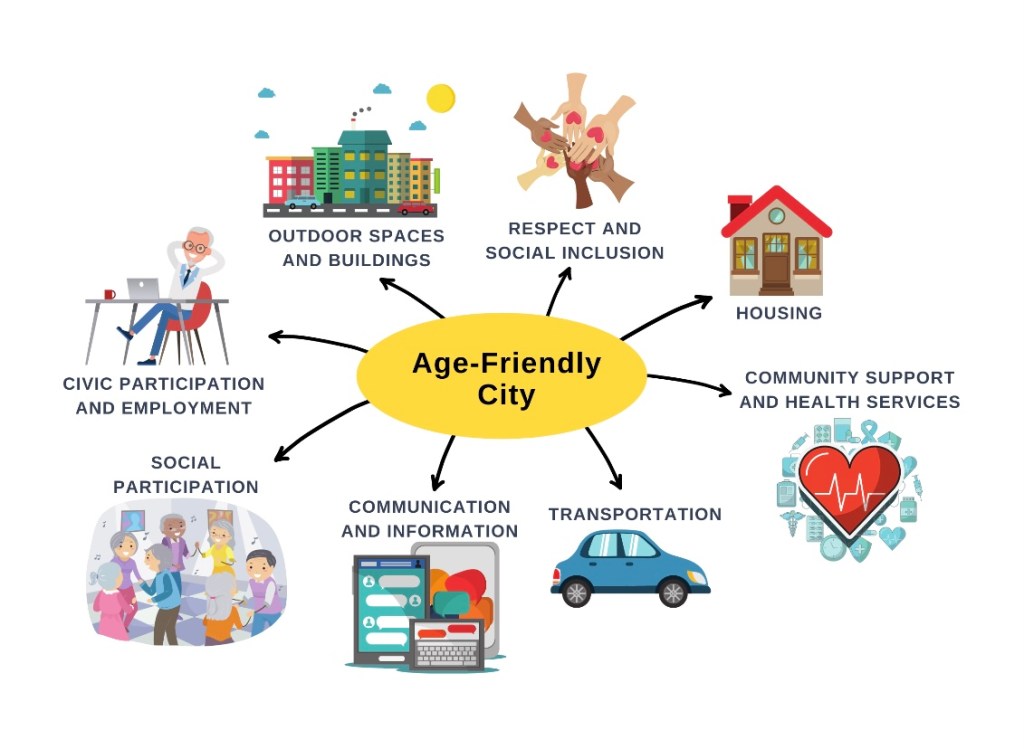
Danish urbanist Jan Gehl emphasizes designing cities around people, not cars. His research underscores the economic, social, and environmental benefits of walkable neighborhoods, from improved mental health to strengthened community bonds. By investing in pedestrian infrastructure and mixed-use development, cities can become more sustainable and equitable.
As Canadian cities grow, the 15-minute city offers a roadmap for livable, sustainable urban living. By prioritizing human-scale design and reducing car dependency, communities of all sizes can embrace this transformative model. Whether in a bustling metropolis or a small city like Stratford, the principles of the 15-minute city promise a more inclusive, resilient future for urban living.

 The Rowanwood Chronicles