Identity, Governance, and Privacy: The Controversy Over National IDs

The question of whether governments should mandate compulsory citizen photo identification is a complex one, balancing concerns over security, efficiency, privacy, and civil liberties. Proponents argue that such a system strengthens national security by reducing identity fraud, streamlining public services, and ensuring greater integrity in processes such as voting and law enforcement. Opponents, however, raise concerns about privacy risks, potential discrimination, and the financial and administrative burdens associated with implementation.

One of the strongest arguments in favor of compulsory identification is its role in preventing fraud and enhancing security. A standardized ID system makes it easier to verify identities in a wide range of scenarios, from accessing government benefits to conducting financial transactions. Proponents argue that this not only reduces the risk of identity theft but also ensures that public services reach their intended recipients without duplication or misuse. In the realm of law enforcement, such a system can help police quickly verify identities, track criminals, and even assist in locating missing persons. A national ID could also facilitate international travel within certain regions and improve border security by preventing unauthorized entries.

From a governance perspective, a universal identification system can improve the efficiency of public administration. Countries with well-integrated ID systems often experience fewer bureaucratic hurdles in service delivery, whether in healthcare, taxation, or social welfare. Standardizing identity verification can also strengthen the electoral process by reducing the potential for voter fraud and ensuring that only eligible citizens participate. Advocates suggest that, in an increasingly digital world, a government-issued ID could serve as a foundational tool for secure online verification, further modernizing access to services.

Concerns about privacy and government overreach remain central to opposition arguments. Critics warn that a compulsory ID system could expand state surveillance, allowing authorities to track individuals in ways that may infringe on civil liberties. The centralization of personal data also raises the risk of misuse, whether through state overreach or cyberattacks that compromise sensitive information. Given the increasing sophistication of cyber threats, a national ID database could become a high-value target for hackers, putting millions of people at risk of identity fraud.

Social equity is another significant concern. Some populations, including the homeless, elderly, and marginalized communities, may face barriers in obtaining and maintaining identification, potentially excluding them from essential services. If not carefully designed, an ID requirement could reinforce systemic inequities, disproportionately affecting those who already struggle with bureaucratic processes. Additionally, there is a risk of such a system being used to justify racial profiling or discrimination, particularly in law enforcement contexts.

Beyond ethical considerations, the financial cost of implementing and maintaining a compulsory ID program is substantial. Governments would need to invest in secure infrastructure, database management, and ongoing monitoring to prevent fraud or duplication. Citizens might also bear financial burdens in obtaining and renewing their identification, making it a potential source of economic hardship for some. Critics argue that as digital identification methods become more sophisticated, traditional photo IDs may soon become obsolete, making such an investment unnecessary.

The debate over compulsory citizen photo identification ultimately hinges on whether the benefits of security and efficiency outweigh the risks to privacy, civil liberties, and social equity. Any government considering such a system would need to address these concerns through clear legal safeguards, accessible implementation strategies, and a careful assessment of technological advancements. While a well-designed ID system could offer significant advantages, it must be developed in a way that protects citizens’ rights and ensures broad inclusivity.

Canada’s Role in Advancing Single-Crystal Technology for a Sustainable EV Future

Single-crystal batteries represent a significant advancement in lithium-ion technology, particularly for electric vehicles (EVs). Unlike traditional polycrystalline cathodes, which are composed of multiple crystalline particles, single-crystal cathodes consist of a uniform crystalline structure. This design enhances durability and performance, potentially transforming the lifecycle of EV batteries.

Traditional polycrystalline cathodes are prone to cracking and degradation over time, leading to reduced battery capacity and lifespan. In contrast, single-crystal cathodes exhibit greater resistance to such mechanical stresses. Research indicates that single-crystal lithium-ion batteries can retain 80% of their capacity after 20,000 charge-discharge cycles, compared to approximately 2,400 cycles for conventional cells.

David Stobbe / Stobbe Photography

The uniform structure of single-crystal cathodes contributes to more efficient ion flow, enhancing battery performance. Additionally, these cathodes are more resistant to thermal degradation, improving the safety profile of the batteries. Studies have shown that single-crystal cathode materials provide remarkable performance and safety characteristics.

The adoption of single-crystal battery technology could significantly extend the operational lifespan of EVs. Longer-lasting batteries reduce the frequency of replacements, lowering maintenance costs and enhancing the overall value proposition of electric vehicles. Furthermore, increased battery durability can alleviate concerns related to battery degradation, a common barrier to EV adoption. Ongoing research focuses on optimizing the synthesis of single-crystal cathode materials to enhance their durability and efficiency. For instance, researchers have developed methods to synthesize durable single-crystal cathode materials, potentially extending battery life and efficiency. 

Canada has been instrumental in advancing single-crystal battery technology, with significant contributions from its academic institutions and research facilities. Researchers at Dalhousie University in Halifax have conducted extensive studies on single-crystal lithium-ion batteries. Utilizing the Canadian Light Source (CLS) at the University of Saskatchewan—a national synchrotron light source facility—they analyzed a single-crystal electrode battery that underwent continuous charging and discharging for over six years. Their findings revealed that this battery endured more than 20,000 cycles before reaching 80% capacity, equating to an impressive lifespan of approximately eight million kilometers in driving terms.  This research underscores Canada’s pivotal role in developing durable and efficient battery technologies that could significantly enhance the lifecycle of electric vehicles.

Single-crystal batteries offer promising improvements in durability, performance, and safety for electric vehicles. Their widespread adoption could lead to longer-lasting EVs, reduced maintenance costs, and increased consumer confidence in electric mobility.

Work From Home: The Good, The Bad, and The Surprisingly Productive?

As a business consultant, my work follows a hybrid model – my home office, to client sites, to hotels and back home again. These days, I rarely accept projects where the client requires that I work full-time out of their offices, as I prefer to focus on my project deliverables, and find hourly coffee breaks, and ad hoc meetings distracting. While I often lead multi-stakeholder initiatives, I much prefer working as part of a small team capable of leveraging today’s collaborative tools and communication apps from the sanctity of my home. 

The debate over working from home (WFH) versus traditional office settings has gained momentum over the past few years, especially after the COVID-19 pandemic pushed millions into remote work. In Canada, the transition was significant: before the pandemic, about 7% of Canadians worked from home; by April 2020, that number surged to 40%, before settling around 20% in 2023. Research on this shift has produced mixed findings, with some studies showing increased productivity and others highlighting challenges that come with remote work.

Positive reports, like the 2025 study by Fenizia and Kirchmaier, suggest that WFH can lead to a productivity boost—12% in the case of public sector workers. This increase was largely attributed to fewer distractions and a more flexible environment. Stanford’s 2020 study also found a 13% increase in performance among remote workers, citing quieter environments and fewer sick days as contributing factors. Similarly, the U.S. Bureau of Labor Statistics observed a rise in productivity across industries that adopted remote work between 2019 and 2021.

However, not all findings are so glowing. A University of Chicago study found that WFH doesn’t necessarily boost productivity across the board, noting that some jobs still require in-person collaboration. The San Francisco Federal Reserve echoed this sentiment, suggesting that remote work alone isn’t a major factor in driving productivity growth. Some sectors, like tech, have reported stable productivity, but with challenges in communication and collaboration. Studies in Canada have also shown that the ability to work from home varies by industry. Finance and insurance sectors were more adaptable to remote work, while industries like manufacturing and agriculture saw little benefit from the shift.

Despite the varied findings, employee demand for flexibility remains strong. A 2024 survey by the Public Service Alliance of Canada revealed that 81% of Canadians believe remote work benefits employees, with 66% reporting that it boosts organizational productivity. The survey found that most employees felt more focused and productive while working remotely, enjoying the balance it offers. Still, companies are grappling with how to make remote work work for everyone, with some—like Amazon—insisting on a return to the office to foster collaboration.

Ultimately, the future of work in Canada seems to be leaning towards hybrid models, where employees can enjoy the benefits of both office interaction and remote flexibility. The challenge remains to find the right balance, considering industry-specific needs and employee preferences, ensuring that productivity, morale, and collaboration thrive no matter where work is done.

Canadian Communities Need Rural, Northern and Remote ERs 

I get somewhat peeved when I hear urban communities, politicians and healthcare administrators claim that we can’t afford to continue maintaining small hospitals, and especially their ERs.  They talk about cost benefits analysis and staffing shortages, but seem to totally lose sight of the big picture 

Canadian policy concerning equal access to public programs and services is guided by the Canadian Charter of Rights and Freedoms,  and a variety of federal and provincial legislation, including the Canada Health Act (1984) that establishes the principles of universality, accessibility, comprehensiveness, portability, and public administration in Canada’s healthcare system. It ensures that all Canadians have access to medically necessary healthcare services without financial or geographic barriers.

Emergency rooms (ERs) are a cornerstone of healthcare, providing critical, life-saving services during medical emergencies. While it may not be feasible to establish ERs in every small or remote community across Canada, prioritizing the integration and maintenance of ERs into communities with existing hospitals or sizeable healthcare clinics is essential. This approach balances the need for equitable healthcare access with resource availability. Ensuring consistent funding for ERs in such communities is crucial for delivering timely care, improving health outcomes, and supporting Canada’s universal healthcare system.

Communities with hospitals or sizeable healthcare clinics are often regional hubs that serve a broad population, including nearby rural areas. In medical emergencies, such as heart attacks, strokes, severe trauma, or childbirth complications, the existence of a local ER within these hubs can save lives by reducing travel times. Adding or maintaining ERs in communities with established healthcare infrastructure leverages existing facilities, ensuring efficient delivery of critical care without duplicating resources.

Canada’s healthcare system is founded on the principle of accessibility, but disparities persist, particularly in rural and remote areas. Prioritizing ERs in communities with hospitals or large clinics addresses these disparities by creating centralized points of care for surrounding regions. These hubs reduce the healthcare gap between urban and non-urban areas, especially for Indigenous populations and remote communities that rely on regional hospitals for services. Without an ER in these hubs, residents may face long travel distances to urban centers, delaying care and exacerbating health inequities.

ERs in communities with hospitals or large clinics enhance the overall effectiveness of regional healthcare systems. They act as critical entry points for patients who may require stabilization before being transferred to specialized facilities in larger cities. These ERs relieve pressure on urban hospitals by managing emergencies locally and prevent rural patients from overwhelming urban systems. This distributed model ensures more balanced resource utilization across the healthcare system.

Regional hubs with hospitals or large clinics often serve as economic and social anchors for their areas. A functioning ER not only ensures access to life-saving care but also supports community resilience by attracting families, workers, and businesses. Industries such as agriculture, forestry, and resource extraction—frequently located in rural areas—depend on access to emergency services to manage workplace risks and protect employees. Communities without ERs face difficulties retaining residents and businesses, weakening their long-term viability.

Expanding ER services in communities with existing healthcare infrastructure is a cost-effective approach to improving healthcare access. These communities already have trained healthcare professionals, medical equipment, and transportation networks, reducing the need for significant new investments. Furthermore, timely treatment at regional ERs reduces the severity of medical conditions, preventing costly hospitalizations or long-term care. In this way, proactive funding for ERs generates long-term savings for the healthcare system.

Critics may argue that staffing and resource constraints make it difficult to sustain ERs in smaller hubs. However, innovative solutions such as telemedicine, rotating staff from urban centers, and offering incentives for healthcare professionals to work in underserved areas can mitigate these challenges. Federal and provincial governments must collaborate to allocate funds strategically, ensuring ER services are available in communities where they are most needed.

While it may not be feasible to establish ERs in every community across Canada, ensuring that all communities with hospitals or sizeable healthcare clinics have access to ER services is essential. These hubs serve as vital lifelines for surrounding populations, providing timely care, reducing healthcare disparities, and supporting the broader healthcare system. Federal and provincial governments must prioritize funding for ERs in these communities to uphold Canada’s commitment to equitable and accessible healthcare. In doing so, Canada can ensure that the promise of universal healthcare is realized where it is most urgently needed.

Made in Canada: Leveraging Transparency to Strengthen and Grow the Economy

As a business consultant, I spent nearly two years managing the Canadian multi-livestock traceability project office in response to the BSE “mad cow” outbreak. Later, I became the first General Manager of the Canadian Livestock Identification Agency, helping to expand this approach nationally, and then with the aid of federal funding, pushed into Latin America,. What became clear was the transformative power of full value chain traceability. It not only opens doors to new markets, but also helps countries differentiate their products, and navigate technical and political trade barriers like tariffs.

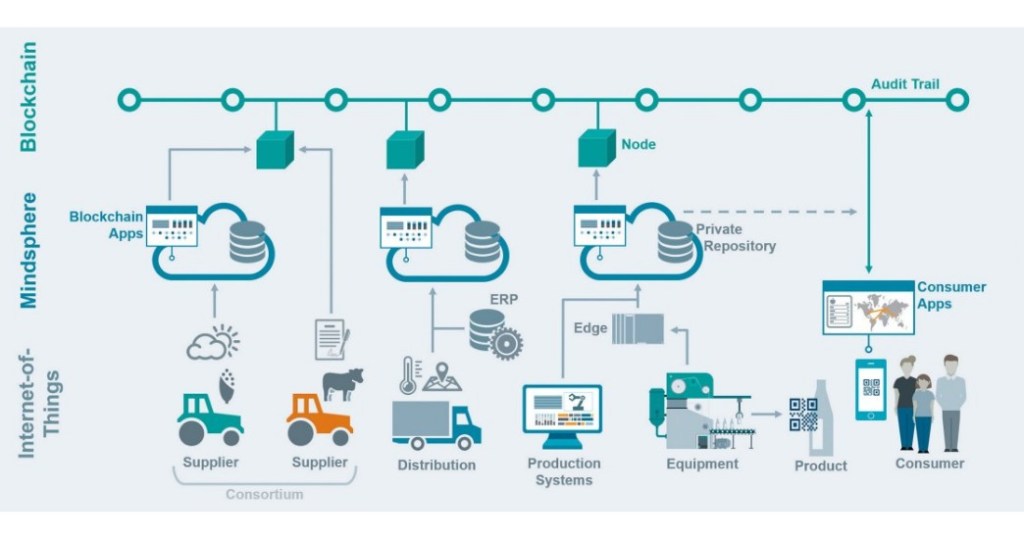
For Canadian retailers and manufacturers, U.S. tariffs have long created challenges—raising costs, shrinking margins, and destabilizing cross-border trade. But technology offers a way to turn these obstacles into opportunities. Imagine a system where every Canadian product carries a scannable code revealing its value chain, from sourcing to production and even its environmental footprint. This transparency wouldn’t just empower consumers—it would give Canadian products a competitive edge by showcasing their quality, sustainability, and tariff-free origins.

Traceability technology, backed by blockchain, makes this vision possible. By assigning every product a unique QR code or barcode, manufacturers could provide consumers with instant access to detailed information. A quick scan might show that a product was made in Canada, outline ethical practices in its supply chain, and even display its carbon footprint. Such transparency doesn’t just satisfy curiosity—it allows consumers to align purchases with their values, all while supporting the Canadian economy.

Blockchain adds an essential layer of trust to this system. Unlike traditional databases, blockchain technology is inherently secure, creating an unchangeable record of every step in a product’s journey. From raw materials in British Columbia to manufacturing in Ontario, each stage is logged and verified. In an age where consumers demand proof of sustainability and ethical practices, blockchain offers the credibility that builds trust and eliminates doubt.

For shoppers, the benefits of this system are clear. It provides a powerful tool for identifying Canadian-made goods, particularly in tariff-sensitive sectors like food, textiles, and electronics. When trade restrictions drive prices higher, consumers could actively choose local, tariff-free products, keeping money in Canada while avoiding inflated costs. Retailers, in turn, could spotlight these products as premium, ethical choices, differentiating them from imports.

From a business perspective, adopting traceability technology is more than a tool for compliance—it’s a way to build brand loyalty. Shoppers are more likely to trust and return to brands that are transparent about their supply chains. Companies investing in traceability could also attract eco-conscious and ethically driven consumers, both domestically and internationally, creating new opportunities to expand market share.

This technology is real today, and ready to use. Japan has been a pioneer in retail traceability, leveraging advanced technology to ensure transparency and quality in its supply chains. From QR codes on produce that detail farm origins to blockchain systems tracking seafood to combat fraud, Japan’s focus on traceability reflects its commitment to consumer trust, food safety, and sustainable practices.

The Canadian government has a role to play in fostering this transformation. Policymakers could accelerate adoption through regulations requiring supply chain transparency, and by offering tax incentives to early adopters. Public campaigns could educate consumers about the benefits of traceability, while certification programs could establish recognizable “Made in Canada” labels, further encouraging local pride and support.

While small businesses may face challenges in adopting this technology, such as costs and competition concerns, these barriers can be addressed through subsidies, partnerships, and thoughtful frameworks. By striking a balance between transparency and proprietary protections, Canada can ensure accessibility while preserving competitive advantages.

This system isn’t just about tariffs—it’s about redefining how Canadians shop and consume. Traceability technology positions Canada as a leader in ethical, sustainable retail practices. It empowers consumers with unprecedented insight into the products they buy, while strengthening the economy through local innovation and production.

Ultimately, this approach reinforces what makes Canadian products stand out. Whether it’s sustainability, fair labor practices, or national pride, traceability ensures that “Made in Canada” is more than just a label—it’s a commitment to quality, transparency, and trust.

Breaking Barriers: How DeepSeek is Redefining AI Innovation and Costs

I didn’t write this blog, except the wrapper. I was curious about how AI would respond to the emergence of yet another rival, so this morning I asked ChatGPT “Tell me about DeepSeek, and how it’s shaking up the AI market?”, and this is the result.  Please forgive the AI’s standard formatting and poor punctuation. 

“DeepSeek, a Chinese artificial intelligence (AI) startup founded in 2023 and backed by the hedge fund High-Flyer, has recently made significant waves in the AI industry with its latest model, DeepSeek-R1. This model has demonstrated capabilities comparable to leading AI systems, such as OpenAI’s o1, but was developed at a fraction of the cost – approximately $6 million – without relying on advanced semiconductor chips.  

The efficiency of DeepSeek-R1 is attributed to a technique known as the “mixture of experts,” which activates only the necessary computing resources for a given task. This approach not only enhances performance but also significantly reduces energy consumption.  

The emergence of DeepSeek has had immediate and profound effects on the global tech market. Major U.S. tech companies, including Nvidia, Microsoft, and Tesla, experienced substantial declines in their stock values, collectively losing nearly $1 trillion. Nvidia, in particular, saw a record 17% drop in its market capitalization.  

DeepSeek’s advancements challenge the prevailing notion that leading-edge AI development is confined to U.S. tech giants. By open-sourcing its models under an MIT license, DeepSeek is promoting a more accessible and collaborative approach to AI development. This move could disrupt existing pricing models and democratize access to advanced AI technologies.  

However, the rise of DeepSeek also raises concerns about the geopolitical implications of powerful AI technologies being developed outside the U.S., particularly in China. Issues such as potential censorship and the strategic use of AI are now at the forefront of discussions among policymakers and industry leaders.  

In summary, DeepSeek’s innovative approach and rapid progress are reshaping the AI landscape, prompting both excitement and caution as the global community navigates this new era of technological advancement.”

This potential disruption in the US domination of AI should be a wake up call to governments and investors alike, when buying into any “best of breed” scenarios, put before them. Governments rarely seem to understand that the industry-requested programs they fund, are really operational and capital subsidies, rather than accelerators or innovation catalysts. Watch this space as the story develops over the next few months. 

Technofeudalism: The Tyranny of Algorithms

Technofeudalism is a fitting term for the digital dystopia we find ourselves in, where the lords of Silicon Valley have effectively swapped medieval castles for server farms and algorithms. These tech overlords – Google, Amazon, Meta, and their ilk – don’t just run companies; they dominate entire ecosystems. Their platforms are the new fiefdoms, and whether you’re a gig worker delivering takeout or a small business trying to stay afloat, you’re shackled to their rules. In this brave new world, control over data has replaced land as the ultimate source of power, and boy, do they exploit it.

Your data, your clicks, your time – it’s all harvested, packaged, and sold with the precision of a factory assembly line, and you don’t see a dime of it. Meanwhile, the CEOs of these tech behemoths are catapulted to absurd levels of wealth, flaunting their fortunes with space joyrides and vanity projects while the rest of us are left wondering why gig workers can’t get healthcare or basic rights. Let’s not sugarcoat this: it’s feudalism 2.0, and instead of serfs toiling in fields, we have content creators hustling for likes, delivery drivers racing against the clock, and an entire workforce that’s disposable, replaceable, and utterly dependent on the platforms that exploit them.

And the surveillance – oh, the surveillance! If medieval lords wanted to know who was sneaking into the village at night, they had to send out a scout. Today, Big Tech knows what you’re buying, watching, and thinking before you do. Every app, every platform, every innocuous “I agree to the terms” click is another layer of the panopticon. These companies don’t just watch – they nudge, manipulate, and control. The algorithm decides what you see, what you believe, and ultimately, what you become. Your freedom of choice is an illusion, dressed up in a sleek interface and a cheery “personalized for you” tagline.

Technofeudalism also serves up a double punch to democracy and culture. Remember when the internet was supposed to be a democratizing force? Instead, it’s become a breeding ground for misinformation and extremism, all in the name of “engagement.” The platforms profit off chaos while the rest of us drown in it. And culturally, they’ve managed to homogenize global expression to such a degree that smaller voices and alternative perspectives are buried under the algorithm’s relentless drive for profit. TikTok and Instagram aren’t cultural platforms; they’re content factories, churning out trends as disposable as the devices they run on.

Even the environment isn’t safe from this digital serfdom. Those shiny data centers? They guzzle energy like medieval feasts guzzled wine. The constant churn of new devices fuels e-waste mountains that rival any landfill, and yet the tech titans insist that we upgrade, consume, and keep feeding the machine. Sustainability is a footnote in their quest for endless growth.

The cracks, though, are beginning to show. From antitrust lawsuits to grassroots movements demanding labor rights and data privacy, resistance to this technofeudal nightmare is growing. But let’s not kid ourselves – it’s an uphill battle. The digital lords aren’t going to give up their power without a fight, and governments are often too slow, too timid, or too compromised to rein them in.

So here we are, the serfs of the digital age, working tirelessly for the enrichment of a few tech barons who don’t just own the platforms – we live on them. It’s a system rigged to serve their interests, and unless we start breaking their monopolies and demanding a digital economy that works for everyone, technofeudalism will continue to tighten its grip. This isn’t the future we signed up for, but it’s the one we’re stuck with – for now.

Policy Horizons Canada

It’s not my normal practice to praise government agencies, and in this case I am going to make an exception. Policy Horizons Canada, a government organization focused on strategic foresight, plays a critical role in preparing Canada for potential futures through comprehensive research and scenario analysis. Utilizing an interdisciplinary approach, Policy Horizons examines broad socio-economic and technological trends, such as climate adaptation, digital transformation, and biodigital convergence, to help government and society anticipate and plan for long-term changes. This work emphasizes “futures literacy,” equipping policymakers with insights and foresight tools to address complex, emergent issues, such as the integration of AI in workplaces, evolving public health challenges, and climate migration impacts  .

Among Policy Horizons’ notable contributions is its exploration of the “biodigital convergence,” which envisions a future where biological and digital technologies increasingly intersect, creating new possibilities but also ethical and regulatory challenges. This framework considers transformative scenarios, like personalized medicine and bioengineering, which could radically alter healthcare, industry, and even environmental management. These foresight studies are designed to prompt policymakers to evaluate possible outcomes proactively, considering both risks and opportunities. 

Through initiatives like “Futures Week,” Policy Horizons collaborates with global experts, including representatives from the European Commission and other international foresight leaders, to identify common global themes and challenges. Such collaboration highlights the shared nature of many future-oriented issues, from climate resilience to geopolitical shifts, thus facilitating cooperative foresight and solutions. This global engagement is essential for building resilient, sustainable strategies that align with evolving global dynamics. 

Policy Horizons also shares knowledge through accessible formats, including publications and video series on foresight methodologies. For example, they collaborated with the Strategic Innovation Lab at OCAD University to produce educational videos explaining foresight concepts and processes. These resources make complex foresight techniques available to a wider audience, supporting informed engagement on emerging trends.  

Overall, Policy Horizons Canada exemplifies the importance of strategic foresight in governance. By identifying potential disruptors and engaging diverse perspectives, they equip Canadian policymakers with critical insights to navigate the uncertainties of tomorrow, ensuring a more resilient and adaptable society.

Protecting Your Digital Footprint: What Meta’s Fine Taught Us About Social Media

On the eve of the US TikTok shutdown/ban, perhaps we should remind ourselves that it’s not just the Chinese that need watching when it comes to the misuse of our personal digital data.  

The $5 billion fine paid by Meta (then Facebook) in 2019 should serve as a wake-up call for anyone involved in the world of social media—users, businesses, and regulators alike. This penalty, stemming from Facebook’s mishandling of personal data during the infamous Cambridge Analytica scandal, was a stark reminder of the risks associated with lax privacy policies and opaque data-sharing practices. While it was the largest fine ever imposed by the FTC for a privacy violation, the broader lessons extend far beyond the numbers.

The Cambridge Analytica incident revealed just how vulnerable our personal data is in the digital age. Millions of Facebook users had their information harvested through a seemingly harmless personality quiz, with the data then sold and weaponized for political purposes. What’s chilling is how easy it was for this to happen. Users were unaware that agreeing to share their data also meant exposing their friends’ information. This wasn’t just a breach of trust—it was a blueprint for how our digital lives could be exploited without our knowledge.

For Meta, the $5 billion fine was more than just a financial penalty; it was a public relations nightmare. The company was accused of violating a 2012 agreement with the FTC that required stricter privacy protections, and the backlash raised serious questions about whether tech giants could ever be trusted to regulate themselves. Yes, the settlement required Facebook to implement stronger accountability measures, but for many, this felt like too little, too late. Trust, once broken, is hard to rebuild, and Meta’s struggle to regain credibility continues to this day.

What can we learn from this? For one, transparency is no longer optional. Social media platforms must be upfront about how they collect, use, and share data. The days of burying crucial details in endless terms and conditions are over—users demand clarity. At the same time, regulators must take a more active role in setting and enforcing boundaries. If a $5 billion fine barely dents a company’s bottom line, then the penalties aren’t severe enough to deter bad behavior. Stronger consequences and stricter oversight are needed to keep tech companies accountable.

For everyday users, the lesson is clear: we must be vigilant about our digital footprint. Social media platforms are built on the currency of our data, and if we don’t value it, no one else will. That means thinking twice before clicking “accept” and understanding the implications of sharing personal information online. It also means holding platforms accountable by demanding better privacy protections and supporting legislation that puts users’ rights first.

The Meta fine wasn’t just a punishment—it was a warning. If we don’t take action to protect privacy, both individually and collectively, the next data scandal could make Cambridge Analytica look tame by comparison. The future of social media depends on whether we learn these lessons or allow history to repeat itself.

Taxing Digital Platforms: Restoring Fairness in Journalism

The rise of digital platforms like Google, X (formerly Twitter), and Meta (formerly Facebook) has revolutionized how we consume news, but it has also created a glaring economic imbalance. These tech giants generate billions in advertising revenue by hosting and sharing content created by news organizations, often without adequately compensating the original creators. Taxing large digital platforms that fail to share revenue with news publishers is an essential policy to restore fairness and support the future of journalism.

This approach addresses the inequity of the current system, where major platforms profit from the hard work of journalists without contributing to the sustainability of their industry. Traditional news outlets have seen their advertising revenue plummet, with much of it flowing into the coffers of tech companies instead. By requiring these platforms to share their profits, governments can ensure that news creators are compensated for the value they provide, helping to sustain high-quality journalism in an era of financial challenges.

Taxation could also play a critical role in combating misinformation. Digital platforms have frequently been criticized for enabling the spread of false information while undermining the reach of credible news sources. Redirecting tax revenue to support professional journalism would help ensure that quality reporting continues to play a vital role in informing the public and holding power to account. The importance of this goal has been demonstrated by global precedents. Countries like Australia and Canada have already implemented legislation to compel platforms to negotiate revenue-sharing agreements with news publishers, proving that such measures can work.

Recent developments have highlighted the potential for progress in this area. In a landmark move, Google has agreed to pay $100 million to a Canadian NGO to fund direct payments to journalists. This initiative represents a significant step toward addressing the economic imbalance in the news industry and demonstrates how collaboration between tech giants and governments can yield meaningful solutions. However, such efforts must be part of a broader, sustained commitment to supporting journalism worldwide.

Opposition from the tech giants is inevitable, as seen in Canada, where Meta and Google responded to the Online News Act by blocking access to news content. Such resistance underscores the need for governments to remain firm in their commitment to addressing this economic imbalance. While challenges remain, including defining who qualifies as a legitimate news creator and ensuring compliance, these hurdles are not insurmountable. A clear regulatory framework and effective oversight can prevent misuse of funds and ensure they are directed toward credible journalism.

Concerns about economic consequences, such as increased costs for advertisers or users, are valid but manageable. These platforms already operate with unprecedented profitability, and requiring them to pay their fair share does not threaten their sustainability. Instead, it acknowledges the value of the ecosystem they rely upon to thrive.

Ultimately, taxing large digital platforms is not just about economics; it is about fairness and accountability. By ensuring that news creators are compensated for their work, governments can create a more balanced digital economy while safeguarding the future of independent journalism. Supporting this policy is not only a practical step—it is a moral imperative.

The influence of Donald Trump and Elon Musk as owners of major digital platforms—Truth Social and X (formerly Twitter), respectively—poses a significant threat to journalism and the dissemination of credible information. Both individuals have used their platforms to amplify personal agendas, often undermining journalistic integrity by promoting misinformation and attacking media outlets that challenge their narratives. Musk’s approach to content moderation on X, including reinstating previously banned accounts and dissolving key trust and safety teams, has fueled the spread of falsehoods, while Trump’s Truth Social operates as a self-serving echo chamber.

This concentration of power in the hands of individuals who prioritize ideological control over transparency and accountability creates a hostile environment for independent journalism, erodes public trust in reliable reporting, and distorts the democratic discourse that journalism is meant to uphold. As governments and organizations work toward leveling the playing field through policies like revenue-sharing agreements and taxation, it is essential to confront the broader challenge posed by platform owners who prioritize personal interests over journalistic integrity. Only by addressing these issues in tandem can we safeguard the future of credible news and democratic accountability.