
As a business consultant, I spent nearly two years managing the Canadian multi-livestock traceability project office in response to the BSE “mad cow” outbreak. Later, I became the first General Manager of the Canadian Livestock Identification Agency, helping to expand this approach nationally, and then with the aid of federal funding, pushed into Latin America,. What became clear was the transformative power of full value chain traceability. It not only opens doors to new markets, but also helps countries differentiate their products, and navigate technical and political trade barriers like tariffs.
For Canadian retailers and manufacturers, U.S. tariffs have long created challenges—raising costs, shrinking margins, and destabilizing cross-border trade. But technology offers a way to turn these obstacles into opportunities. Imagine a system where every Canadian product carries a scannable code revealing its value chain, from sourcing to production and even its environmental footprint. This transparency wouldn’t just empower consumers—it would give Canadian products a competitive edge by showcasing their quality, sustainability, and tariff-free origins.
Traceability technology, backed by blockchain, makes this vision possible. By assigning every product a unique QR code or barcode, manufacturers could provide consumers with instant access to detailed information. A quick scan might show that a product was made in Canada, outline ethical practices in its supply chain, and even display its carbon footprint. Such transparency doesn’t just satisfy curiosity—it allows consumers to align purchases with their values, all while supporting the Canadian economy.
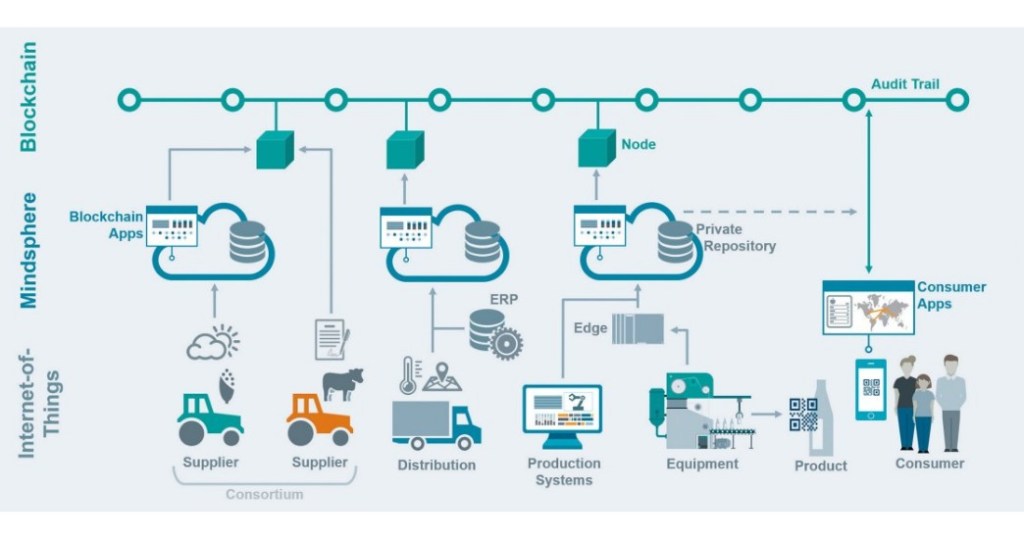
Blockchain adds an essential layer of trust to this system. Unlike traditional databases, blockchain technology is inherently secure, creating an unchangeable record of every step in a product’s journey. From raw materials in British Columbia to manufacturing in Ontario, each stage is logged and verified. In an age where consumers demand proof of sustainability and ethical practices, blockchain offers the credibility that builds trust and eliminates doubt.
For shoppers, the benefits of this system are clear. It provides a powerful tool for identifying Canadian-made goods, particularly in tariff-sensitive sectors like food, textiles, and electronics. When trade restrictions drive prices higher, consumers could actively choose local, tariff-free products, keeping money in Canada while avoiding inflated costs. Retailers, in turn, could spotlight these products as premium, ethical choices, differentiating them from imports.
From a business perspective, adopting traceability technology is more than a tool for compliance—it’s a way to build brand loyalty. Shoppers are more likely to trust and return to brands that are transparent about their supply chains. Companies investing in traceability could also attract eco-conscious and ethically driven consumers, both domestically and internationally, creating new opportunities to expand market share.
This technology is real today, and ready to use. Japan has been a pioneer in retail traceability, leveraging advanced technology to ensure transparency and quality in its supply chains. From QR codes on produce that detail farm origins to blockchain systems tracking seafood to combat fraud, Japan’s focus on traceability reflects its commitment to consumer trust, food safety, and sustainable practices.
The Canadian government has a role to play in fostering this transformation. Policymakers could accelerate adoption through regulations requiring supply chain transparency, and by offering tax incentives to early adopters. Public campaigns could educate consumers about the benefits of traceability, while certification programs could establish recognizable “Made in Canada” labels, further encouraging local pride and support.
While small businesses may face challenges in adopting this technology, such as costs and competition concerns, these barriers can be addressed through subsidies, partnerships, and thoughtful frameworks. By striking a balance between transparency and proprietary protections, Canada can ensure accessibility while preserving competitive advantages.
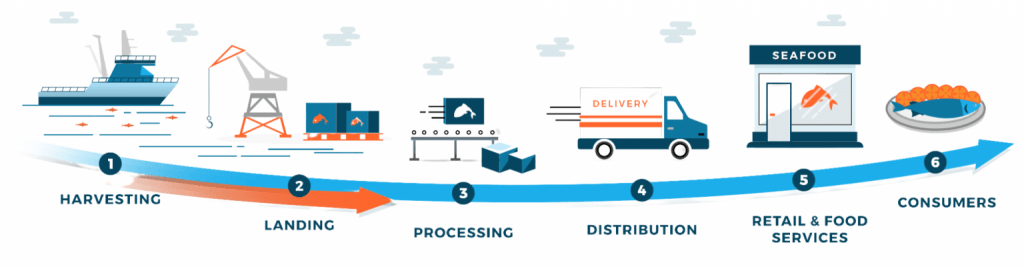
This system isn’t just about tariffs—it’s about redefining how Canadians shop and consume. Traceability technology positions Canada as a leader in ethical, sustainable retail practices. It empowers consumers with unprecedented insight into the products they buy, while strengthening the economy through local innovation and production.
Ultimately, this approach reinforces what makes Canadian products stand out. Whether it’s sustainability, fair labor practices, or national pride, traceability ensures that “Made in Canada” is more than just a label—it’s a commitment to quality, transparency, and trust.











 The Rowanwood Chronicles