
Rediscovering Jett: A Stylish Neo-Noir Masterpiece

In the crowded landscape of television crime dramas, Jett stands out as a rare gem: an intoxicating blend of sleek visuals, sharp writing, and a powerhouse lead performance. Premiering on Cinemax in 2019, this nine-episode series, created by Sebastian Gutierrez, offers a fresh take on the heist genre, elevating it to an art form. Even on a rewatch, Jett demonstrates a remarkable ability to combine suspense, style, and character depth in ways few contemporary crime dramas achieve.

A Cinematic Aesthetic
From the very first frame, Jett captivates with its bold visual style. Cinematographer Cale Finot crafts a world drenched in neon hues, deep shadows, and rich textures, reminiscent of classic noir films. The lighting and composition are deliberate and cinematic, giving every scene a sense of immediacy and dramatic weight. The use of dynamic camera movements, precise framing, and occasional split-screen storytelling transforms each episode into a visually engaging experience, akin to watching a series of short, high-budget films. This aesthetic sophistication elevates what could have been a standard crime story into a fully immersive world, one that feels both stylish and dangerous at the same time.

A Script That Pops
Gutierrez’s writing is equally compelling, with dialogue that crackles with wit and tension. The series balances dark humor, high-stakes action, and nuanced character moments effortlessly. Every line feels purposeful, every twist is earned, and the pacing maintains a constant edge-of-your-seat energy. The narrative often weaves multiple storylines together, presenting a non-linear structure that rewards careful attention and repeated viewing. It’s a script that respects the audience’s intelligence, offering depth in its characterization while delivering thrills, suspense, and unexpected turns that keep viewers fully engaged.

Carla Gugino: A Tour de Force
At the heart of Jett is Carla Gugino’s mesmerizing performance as Daisy “Jett” Kowalski, a master thief reluctantly pulled back into a world she thought she had left behind. Gugino brings a rare combination of toughness, intelligence, and vulnerability to the role. Her physicality, subtle expressions, and emotional range create a character who is both formidable and relatable. Critics have rightly celebrated her performance as the anchor of the series, noting that Gugino elevates the show with her nuanced portrayal of a woman navigating loyalty, danger, and her own moral code.

A Cult Classic in the Making
Though its single-season run limited its reach, Jett has earned critical acclaim and cultivated a dedicated following. Its combination of visually stunning cinematography, razor-sharp writing, and a lead performance that commands attention makes it stand out in the modern television landscape. For viewers seeking a crime drama that merges style with substance, Jett is a must-watch—a series that proves even a short run can leave a lasting impression.

Why You Should Watch
In a television landscape crowded with crime dramas, Jett refuses to be just another series. Its cinematic flair, razor-sharp script, and Carla Gugino’s commanding performance combine to create a show that is as stylish as it is thrilling. Short, intense, and unforgettable, Jett proves that quality storytelling doesn’t need multiple seasons to make an impact. For fans of smart, edgy, and visually striking crime stories, this series is an absolute must-watch: a pulse-pounding ride that lingers long after the credits roll.

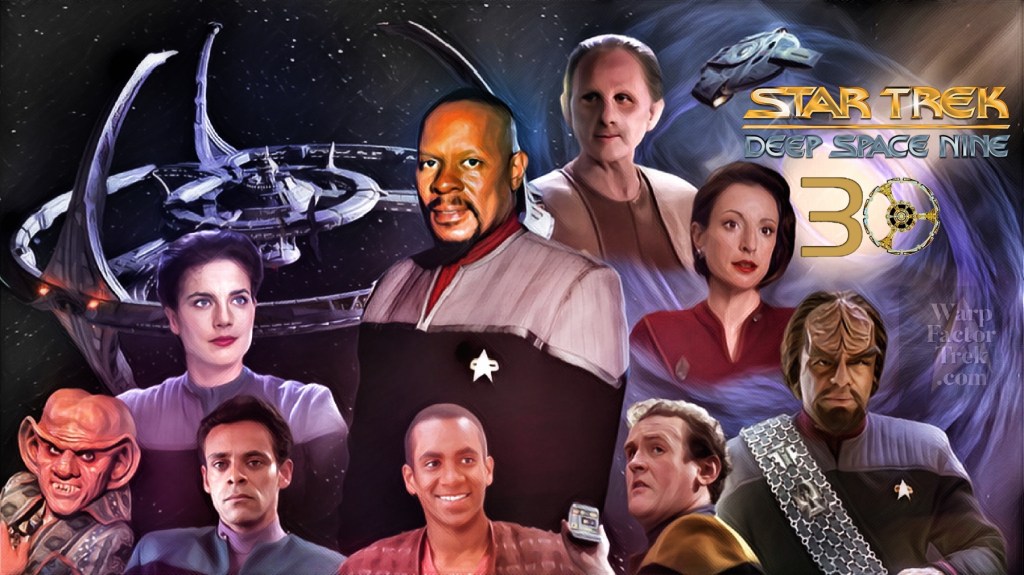
DS9 is Simply the Best Star Trek to Date

Star Trek: Deep Space Nine (DS9) is widely regarded as the most complex and compelling series in the Star Trek franchise, setting itself apart through its intricate storytelling, morally gray characters, and bold exploration of themes that challenge traditional Star Trek optimism. Unlike the more episodic nature of The Original Series and The Next Generation, DS9 adopts a serialized approach, allowing for deeply interconnected story arcs that resonate on a larger scale. The Dominion War, a centerpiece of the series, stands as a testament to this approach, offering a gritty, multi-season exploration of warfare, diplomacy, and the ethical dilemmas faced by individuals and governments during times of crisis.

One of DS9’s greatest strengths is its cast of richly developed characters. Benjamin Sisko, played masterfully by Avery Brooks, is a layered protagonist who balances the responsibilities of a Starfleet officer with his personal struggles as a father, widower, and religious figure to the Bajoran people. Sisko’s arc as the Emissary of the Prophets adds a spiritual dimension to his leadership, making him one of the most complex captains in the franchise. Characters like Kira Nerys, a former Bajoran resistance fighter, and Garak, a Cardassian tailor and ex-spy, further highlight DS9’s ability to delve into morally ambiguous territories. Kira’s journey from hardened freedom fighter to a diplomat striving for peace underscores the personal cost of resistance and rebuilding, while Garak’s layers of deceit and loyalty make him one of the most fascinating secondary characters in Star Trek history.

The series also excels in its exploration of darker and more controversial themes. For instance, the occupation of Bajor by the Cardassians serves as a thinly veiled allegory for real-world historical atrocities, such as colonialism and genocide. Episodes like “Duet” and “The Siege of AR-558” confront the horrors of war and occupation head-on, forcing both the characters and viewers to grapple with uncomfortable truths about morality and justice. The Dominion War arc, spanning multiple seasons, brings these themes to a head, portraying the Federation in its most vulnerable state. Through this, DS9 challenges the idealism that defined earlier Star Trek series, asking whether the Federation’s values can endure in the face of existential threats.

DS9’s stationary setting on a space station near a strategic wormhole allows it to explore interpersonal dynamics and long-term political relationships more deeply than its predecessors. The station serves as a cultural melting pot, fostering interaction between species like the Bajorans, Cardassians, Ferengi, and Dominion. This unique setup creates a backdrop for stories that delve into diplomacy, trade, and cultural tensions. Episodes such as “In the Pale Moonlight”, where Sisko manipulates events to bring the Romulans into the Dominion War, exemplify the show’s willingness to confront moral ambiguity.

Moreover, DS9 embraces diversity and representation. It features one of the first Black leads in sci-fi television and presents LGBTQ+ themes subtly through characters like Jadzia Dax, whose experiences challenge traditional notions of identity and love.

By combining rich storytelling, profound character arcs, and a willingness to push boundaries, Deep Space Nine remains not only the best Star Trek series, but also one of the most thoughtful and impactful sci-fi shows ever created.

I wrote this piece almost two years ago, and I have been holding off publishing. Why? Strange New Worlds, that’s why! I have been totally taken with this series, and yet for me, it’s needs a little more longevity before I am going to change my mind – just saying!