Mount Paektu: The Sleeping Giant of East Asia 

Mount Paektu, also known as Changbai Mountain in China, is an awe-inspiring stratovolcano straddling the border between North Korea and China. Towering at 2,744 meters (9,003 feet), it is the highest peak on the Korean Peninsula and holds profound cultural and historical significance. Revered in Korean and Manchu mythology, it is considered the mythical birthplace of the Korean people and an important symbol of national identity. However, beyond its legendary status lies a geological powerhouse with a history of catastrophic eruptions, the most infamous of which – known as the Millennium Eruption – ranks among the most extreme volcanic events of the past two millennia.

The Millennium Eruption of 946 CE was a cataclysmic event that ejected an estimated 100 cubic kilometers of pyroclastic material into the atmosphere. The eruption is thought to have been comparable in magnitude to the 1815 Tambora eruption, which triggered a global “year without a summer.” Ash from Paektu has been discovered in sediment cores as far away as Japan and even Greenland, underscoring the immense dispersal of volcanic material. This eruption reshaped the summit, forming the massive crater that now cradles Heaven Lake, a pristine but ominous caldera lake over two kilometers in diameter. The Millennium Eruption’s impact on regional populations remains the subject of archaeological and historical inquiry, with evidence suggesting widespread agricultural disruption and social upheaval in Korea, China, and Japan.

Despite its apparent dormancy, Mount Paektu is anything, but extinct. The volcano remains active, with geophysical studies indicating the presence of a sizable magma reservoir beneath its surface. Since its last recorded eruption in 1903, Mount Paektu has experienced episodic unrest. Between 2002 and 2005, significant seismic activity was detected in the region, accompanied by signs of crustal deformation and anomalous gas emissions. These indicators suggest that magma movement beneath the volcano is ongoing, increasing the likelihood of future eruptions. However, since that period, there have been no significant signs indicating an imminent eruption. As of early 2025, there are no reports of current eruptions or lava flows, and monitoring data has not shown any drastic changes in volcanic activity. Nonetheless, the volcano’s unpredictable nature means that continued vigilance is essential.

One of the primary concerns for volcanologists is the inflation of the underlying magma chamber. Ground deformation data, obtained through satellite radar and GPS measurements, suggest that pressure is gradually accumulating within the system. Additionally, increased concentrations of sulfur dioxide and carbon dioxide have been detected in the region, indicative of magma degassing at depth. Periodic low-magnitude earthquakes beneath the volcano further suggest that the subsurface magmatic system remains dynamic. Such activity is reminiscent of the precursory signals observed at other caldera-forming volcanoes, raising the possibility of a future eruption, though the timeline remains uncertain.

The prospect of a major eruption from Mount Paektu carries profound implications, both geologically and geopolitically. Given the volcano’s location along the North Korea-China border, coordinated scientific research and disaster preparedness efforts are challenging. North Korea’s political isolation severely restricts the ability of international researchers to conduct comprehensive studies, though limited collaborations have occurred, notably with the United Kingdom’s Cambridge University in the early 2010s. Despite these efforts, much remains unknown about the full extent of the magma system and the probability of a large-scale eruption.

A future eruption, particularly one on the scale of the Millennium Eruption, would have dire consequences for the region. Volcanic ashfall could devastate agriculture in northeastern China and the Korean Peninsula, leading to food shortages. Lahars and pyroclastic flows would pose immediate threats to settlements and infrastructure in the surrounding area. Air travel across East Asia would be severely disrupted, particularly if an eruption injected significant quantities of ash into the stratosphere. Furthermore, a high-volume ejection of sulfur dioxide could lead to temporary global cooling, disrupting weather patterns and monsoonal systems that are critical to agriculture in Asia.

Despite these risks, active monitoring efforts remain limited. While China operates seismic and gas monitoring stations on its side of the border, North Korea’s capabilities are largely unknown. Given the potential for widespread devastation, increased international cooperation in volcanic research and early warning systems is crucial. Mount Paektu is a sleeping giant, and while it may remain quiescent for decades or even centuries, history has shown that its eruptions can be both sudden and catastrophic. The scientific community must remain vigilant, ensuring that when the mountain awakens once more, humanity is as prepared as possible.


The World is Big, But Not That Big

We’ve all heard the stories, someone flies halfway across the world, wanders into a famous landmark, and suddenly hears their name being called. They turn around, and there’s an old friend, a former coworker, or even a distant cousin grinning back at them. 

It’s happened to me, on the steps of Sydney Opera House, where I bumped into an old college friend, and again in Washington D.C., while wandering around the Air and Space Museum. What are the odds? Well, higher than you might think.

The thing about the world’s top travel destinations is that they are, by definition, magnets for people just like you—curious, adventurous, and eager to soak in the sights. Whether it’s the Eiffel Tower, Times Square, or the Great Wall of China, these places attract millions every year. If you and your friends share even vaguely similar travel dreams, it’s not so surprising that your paths might cross in one of these iconic spots.

Think about it. Travel is often dictated by a handful of factors—school holidays, peak vacation seasons, and well-worn routes recommended by guidebooks and influencers. When you consider that most people take trips during long weekends, summer breaks, or major holidays, it becomes even more likely that someone you know is wandering the same bustling streets or snapping a selfie at the same lookout point.

Social media has also played its part in shaping our collective wanderlust. A well-timed Instagram post of Santorini’s blue domes or the sunrise over Angkor Wat can send a ripple effect through your social circle. Before you know it, three of your acquaintances have booked their own trips, each unknowingly setting themselves up for a coincidental reunion abroad.

But here’s the best part—none of this happens if you don’t put yourself out there. You won’t have a serendipitous encounter in the Piazza San Marco if you never leave your living room. You won’t bump into your college roommate in Tokyo’s Shibuya Crossing if you never take the plunge and book the flight. Travel isn’t just about seeing the world—it’s about being in it, fully immersed, and sometimes that means reconnecting with familiar faces in the most unexpected places.

So, if you’re hesitating to plan that trip because you think the world is too vast, take this as a sign. It’s big, yes, but it’s also small in the most magical ways. Pack your bags, set off on your adventure, and don’t be too surprised if, somewhere along the way, you hear a voice calling your name in the middle of a crowded street in Rome. It’s just one of travel’s little reminders that we’re all more connected than we think.

Beyond Alto: The Ripple Effect of High-Speed Rail on Local Transit and Business

The Alto high-speed rail project is poised to do more than just transform intercity travel—it will also act as a catalyst for expanded local public transportation networks and economic growth in smaller communities along the corridor. High-speed rail doesn’t exist in isolation; it requires efficient first- and last-mile connections to ensure that travelers can seamlessly reach their final destinations. As Alto stations are developed in cities like Peterborough and Trois-Rivières, there will be a natural demand for increased bus services, light rail connections, and other forms of public transit to serve passengers arriving and departing from these hubs.

In cities like Ottawa and Montreal, where light rail transit (LRT) networks are already in place or under development, Alto will likely drive additional investment in urban transit expansion. Commuters traveling into these cities will need efficient ways to connect from high-speed rail stations to workplaces, universities, and residential areas. This could lead to the creation of new LRT lines, expanded bus routes, and improved transit hubs that integrate multiple modes of transportation under a single, seamless system. Toronto, for instance, may see an expansion of its GO Transit network or additional streetcar service to accommodate increased passenger flow from the high-speed rail station.

Smaller communities like Peterborough, which has long suffered from limited transit options, stand to benefit significantly. With an Alto station positioned in the city, businesses catering to travelers—hotels, restaurants, and retail establishments—will likely see increased activity. At the same time, local governments may prioritize the development of new transit services, such as regional bus routes that connect surrounding rural areas to the high-speed rail station. This increased connectivity could make Peterborough a more attractive destination for commuters who work in Toronto or Ottawa but prefer the affordability and quality of life found in a smaller city.

The economic ripple effects extend beyond just transit and business development. High-speed rail has been shown in other countries to attract new industries, create demand for office space near stations, and encourage residential development in previously overlooked areas. With Alto, towns along the route could see a surge in interest from businesses looking to take advantage of the improved connectivity. Real estate markets may also experience a boost as professionals and families consider relocating to these areas, knowing they can quickly access larger cities for work or leisure.

Ultimately, Alto is not just about linking major urban centers—it’s about reshaping the broader transportation ecosystem. By creating a high-speed backbone, it encourages cities and towns to rethink their own transit strategies, leading to improved local services that benefit both residents and visitors. If properly managed, this project has the potential to generate a more interconnected and accessible transportation network across Ontario and Quebec, fostering economic growth and enhanced mobility for generations to come.

The Alto Project: A New Era for Canadian Public Transportation

The Canadian government’s announcement of Alto, a new high-speed rail network linking Toronto and Quebec City, marks a watershed moment in the nation’s transportation history. This 1,000-kilometer electrified corridor will connect major urban centers while slashing travel times, with trains reaching speeds of up to 300 km/h. The journey from Toronto to Montreal, currently a grueling five-hour trip by rail, will be cut to just three hours, making it a direct competitor to short-haul flights. More than just a transportation project, Alto represents a long-overdue commitment to sustainable, efficient public infrastructure—one that could reshape how Canadians move between their largest cities.

Canada has been here before, at least in theory. The dream of high-speed rail has surfaced repeatedly over the decades, only to be shelved due to shifting political priorities, economic downturns, or a lack of public and private investment. In the 1960s, CN’s TurboTrain attempted to bring high-speed service to the Montreal-Toronto corridor, but despite its impressive top speed of 225 km/h, it was plagued by technical challenges and ultimately discontinued. Later, in the 1980s, Bombardier proposed a high-speed link between Quebec City and Windsor, but enthusiasm waned in the face of funding concerns and political inertia. Meanwhile, other nations surged ahead. France launched the TGV in 1981, Japan’s Shinkansen had already been running since 1964, and China rapidly built the world’s most extensive high-speed rail network. Canada, with its vast geography and car-dependent culture, lagged behind, leaving VIA Rail to struggle with aging rolling stock and shared freight tracks that made reliable service nearly impossible.

The Alto project signals a long-overdue course correction. The government has committed $3.9 billion over six years to develop the project, covering environmental assessments, land acquisition, Indigenous consultations, and detailed engineering work. The project’s scale makes it the largest infrastructure investment in Canadian history, with an estimated 51,000 jobs created during construction and a projected annual boost of $35 billion to the national GDP. The selected consortium, Cadence, brings together some of the most experienced transportation and infrastructure firms in the world, including CDPQ Infra, AtkinsRéalis, Keolis Canada, SYSTRA Canada, SNCF Voyageurs, and, notably, Air Canada. With SNCF’s involvement, Alto benefits from France’s decades of expertise operating one of the world’s most successful high-speed rail networks.

Air Canada’s participation in the Alto consortium is a strategic move that acknowledges the inevitable disruption high-speed rail will bring to the lucrative Toronto-Montreal air corridor. As one of the busiest short-haul routes in North America, this segment has long been a key profit driver for the airline, particularly in the premium business travel market. However, with Alto set to offer a three-hour city-center-to-city-center journey—eliminating the hassles of airport security, boarding delays, and weather disruptions—many travelers, especially corporate clients, may shift their loyalty to rail. Rather than resisting this change, Air Canada is positioning itself within the Alto project to maintain influence over intercity travel dynamics, potentially leveraging its expertise in ticketing, loyalty programs, and intermodal connectivity. By integrating rail service into its broader network, Air Canada can remain a key player in the evolving transportation landscape, offering seamless connections between domestic, international, and rail-based travel. This approach mirrors strategies seen in Europe and Asia, where major airlines partner with high-speed rail operators rather than compete head-on, ensuring they remain relevant as travel preferences evolve.

Beyond the economic and technical aspects, Alto represents a fundamental shift in how Canada approaches public transit. For decades, intercity travel has been dominated by cars and airplanes, both of which contribute heavily to congestion and carbon emissions. The Toronto-Ottawa-Montreal corridor is one of the busiest in North America, yet for years, travelers have been forced to endure overcrowded highways, unreliable train schedules, or expensive, inconvenient air travel. High-speed rail changes the equation. Electrified trains eliminate the carbon footprint of regional flights, reducing overall transportation emissions in line with Canada’s climate goals. At the same time, by shifting travelers from cars to rail, Alto can alleviate highway congestion, making regional mobility smoother for everyone.

Connectivity is another major advantage. The Alto corridor isn’t just about linking Toronto, Ottawa, Montreal, and Quebec City—it’s also about providing a reliable transit spine for smaller communities like Peterborough and Trois-Rivières. For decades, these towns have struggled with limited or non-existent rail service, forcing residents to rely on personal vehicles or slow, infrequent buses. With high-speed rail, these regions stand to gain new economic opportunities, easier access to larger job markets, and increased tourism. Countries like France, Spain, and Japan have seen firsthand how high-speed rail can transform regional economies, bringing prosperity to areas once considered too remote to thrive.

At its core, the Alto project is a declaration that public transit is not just an afterthought, but a national priority. Efficient, well-funded public transportation is a hallmark of modern, forward-thinking societies, reducing economic inequality by making mobility accessible to everyone, not just those who can afford cars or flights. It also offers a more comfortable, humane travel experience—one where passengers can relax, work, or enjoy the scenery instead of navigating traffic or enduring the frustrations of airport line ups, and security checks. 

Of course, the road ahead is not without obstacles. As my regular readers will know, I am not a fan of Public-Private Partnerships.  Large-scale infrastructure projects in Canada have a history of delays, cost overruns, and political roadblocks. Public support, political will, and careful management will be critical in ensuring that Alto doesn’t become another shelved idea. If the government and its private-sector partners can deliver on their promises, however, Alto has the potential to redefine travel in Canada for generations to come.

For too long, Canadians have watched as other countries invested in the kind of fast, efficient, and sustainable transportation systems that make daily life easier. Now, with Alto, Canada finally has the chance to catch up. If done right, this project could mark the beginning of a new era—one where public transportation is recognized not just as a necessity, but as an engine of economic growth, environmental responsibility, and national connectivity.

Why Metrolinx Should Run Ottawa’s Broken LRT

Those of you who regularly read my blog, know that I am a huge advocate of public transport, and a critic of the Public Private Partnership developing and operating the capital’s Light Rail Transit (LRT). 

Ottawa’s LRT system has been a profound disappointment, a fiasco of engineering failures, political mismanagement, and corporate negligence. Years after its launch, the system remains unreliable, its reputation tarnished by derailments, service disruptions, and public distrust. City officials, despite their best efforts, have failed to restore confidence or implement meaningful reforms. Given this ongoing dysfunction, it is time to consider a serious alternative: uploading the LRT to Metrolinx. A provincial takeover would bring in the expertise, resources, and oversight that Ottawa desperately needs while alleviating the financial strain on local taxpayers.

Metrolinx, despite its own challenges, has experience managing large-scale transit projects across Ontario. The agency has delivered rapid transit systems, expanded GO Transit, and led infrastructure projects that dwarf Ottawa’s troubled LRT. Unlike the City of Ottawa, which has been hamstrung by political infighting and bureaucratic inertia, Metrolinx operates with a broader provincial mandate and access to significantly greater funding. The province already has an interest in ensuring that Ottawa’s transit system is functional—after all, a well-run capital city benefits all Ontarians. Entrusting the LRT to Metrolinx would align Ottawa’s transit with the province’s long-term infrastructure planning, creating opportunities for better integration with intercity rail and bus services.

Financially, the benefits of provincial control are obvious. The LRT has drained Ottawa’s municipal budget, diverting funds away from other pressing priorities such as road maintenance, affordable housing, and social services. The city cannot afford to keep throwing money at a broken system while simultaneously planning for future expansions. If Metrolinx were to assume responsibility, the province would take on a greater share of the financial burden, allowing Ottawa to focus on local transit improvements that fall outside the LRT’s scope. This would not be an unprecedented move—Queen’s Park has already taken over major transit infrastructure in Toronto, such as the subway expansion projects, recognizing that municipal governments simply do not have the fiscal capacity to manage billion-dollar projects alone.

Of course, critics will argue that surrendering local control means sacrificing accountability. But let’s be honest: Ottawa’s local control has not served residents well. The city’s handling of the LRT has been defined by secrecy, questionable decision-making, and a lack of transparency. The provincial government, for all its faults, at least has the ability to intervene decisively when things go wrong. Under Metrolinx, operational standards would be enforced with greater rigor, and the pressure to deliver a functional transit system would be far greater than what we’ve seen from Ottawa City Hall. The public inquiry into the LRT debacle revealed a municipal government that was overwhelmed and, at times, complicit in its own failures. Perhaps it is time to let a more competent player take the lead.

This is not to say that Metrolinx is perfect. The agency has faced its own share of controversies, from cost overruns to delayed projects. But at least it has experience dealing with transit systems on a scale far larger than Ottawa’s. Unlike Ottawa’s municipal government, Metrolinx has the ability to negotiate directly with major infrastructure firms, access provincial funding streams, and bring in technical expertise that the city simply lacks. A takeover would not magically fix everything overnight, but it would place the LRT in the hands of those who at least know how to run a transit system.

The reality is that Ottawa’s LRT is beyond the city’s ability to fix on its own. Metrolinx, with its provincial backing and infrastructure expertise, offers the best hope for a reliable and efficient transit system. Ottawa residents deserve better than what they’ve been given. If that means surrendering local control to get a working train system, then so be it. The LRT was meant to be a transformative project for the city. If Ottawa cannot deliver on that promise, then it’s time to let Queen’s Park step in and do the job properly.

Paraguay – South America’s Hidden Gem 

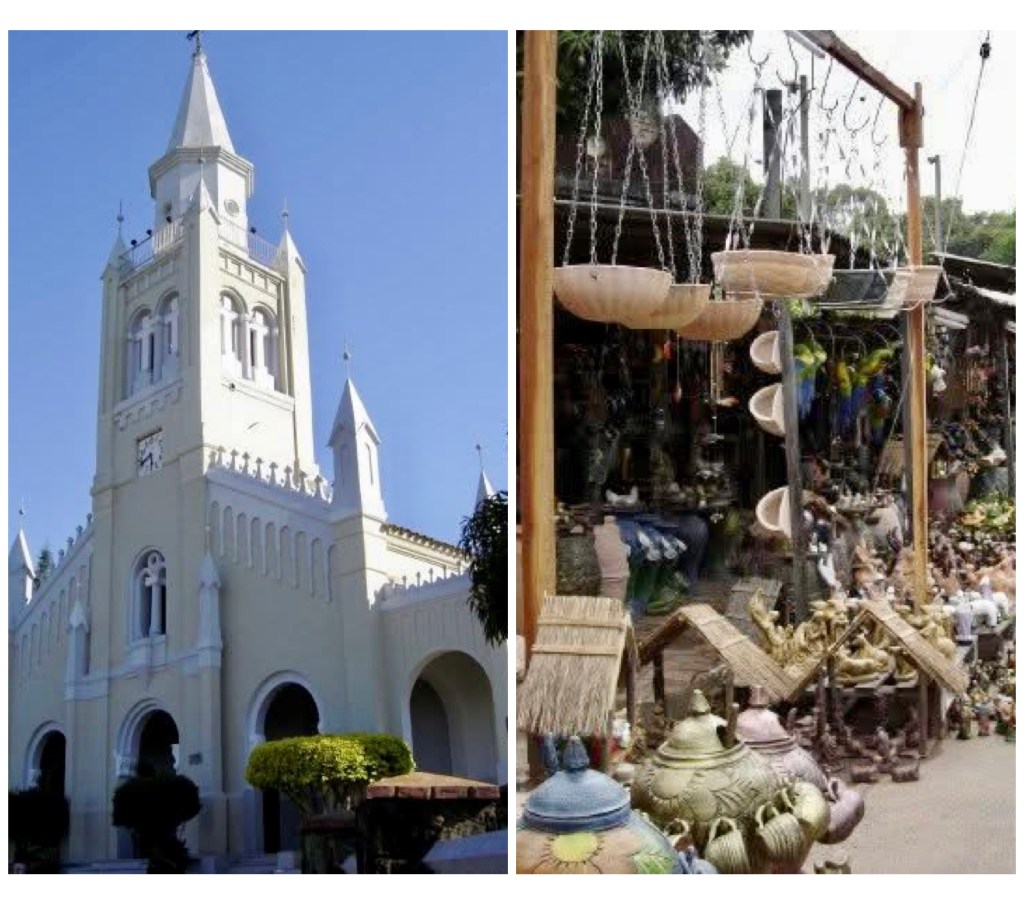
I’ve been lucky to travel extensively, both for business and pleasure, but one place keeps calling me back, Paraguay. This landlocked gem in the heart of South America is a tapestry of history, culture, and natural beauty that quietly enchants all those who visit. It doesn’t clamor for attention like its more famous neighbors, but that’s part of its charm. Paraguay offers something richer – an intimate connection with its past and its people, especially through its extraordinary historical landmarks.

Paraguay’s history begins with the indigenous Guaraní people, whose deep spiritual connection to the land and vibrant oral traditions still echo today. The arrival of Spanish colonists in 1537 marked a turning point, with Asunción becoming one of South America’s first European settlements. Yet, it’s the Jesuit Missions, meticulously planned towns blending Guaraní culture with European architecture, that stand out as the country’s most compelling historical legacy. These ruins, like Trinidad del Paraná and Jesús de Tavarangüé, are hauntingly beautiful reminders of a unique social experiment where Jesuits and Guaraní communities coexisted for over 150 years. Walking among these intricately carved stone facades and vast courtyards feels like stepping into another era.

After gaining independence from Spain in 1811, Paraguay entered a tumultuous period under leaders like José Gaspar Rodríguez de Francia, who isolated the country to foster self-sufficiency. The devastating Paraguayan War of the 19th century nearly erased the nation’s population, but Paraguay emerged resilient. That resilience is palpable in the faces of its people, the melodies of its harp music, and its delicious, hearty cuisine.

Cultural fusion defines Paraguay. Guaraní traditions intertwine with Spanish influences, creating a unique national identity. Guaraní, alongside Spanish, is an official language, and this blend carries through to the arts. The delicate ñandutí lacework and the lilting strains of guaranía music reflect both history and heart. Cuisine also tells a story. From sopa paraguaya (a savory cornbread) to chipa (chewy cheese bread), every dish is a nod to the land’s indigenous roots and European techniques.

Paraguay’s natural beauty is no less captivating. The remnants of the Atlantic Forest in the east give way to the vast, semi-arid Gran Chaco in the west, home to unique wildlife and endless skies. The country’s commitment to renewable energy, particularly through the monumental Itaipú Dam, further showcases its connection to the land and forward-thinking potential.

But what sets Paraguay apart is its quiet authenticity. There are no glitzy landmarks clamoring for selfies. Instead, the country invites you to slow down, sip tereré with locals, and explore at your own pace. Whether it’s the ethereal Jesuit ruins, the rustic charm of Asunción’s historic districts, or the serenity of the Gran Chaco under a canopy of stars, Paraguay’s magic lies in its ability to make you feel like you’ve discovered a secret no one else knows.

For those craving something off the beaten path, Paraguay is a treasure waiting to be uncovered: a place where history, culture, and nature whisper their stories, leaving an indelible mark on your heart.

Brewing Success: How Supporting SMEs Can Fuel Ontario’s Economic Growth

In support of my recent posts on Canadian economic sustainability and growth, in the presence of a Trump America, here is a piece about an industry close to my heart. 

The story of craft brewing in Ontario is one of evolution, passion, and the persistent balancing act between government support and industry challenges. What began as a niche market for independent brewers has grown into a thriving sector that contributes significantly to the province’s economy. In 2023, Ontario’s craft brewing industry was estimated to be worth over $2 billion annually, with more than 270 craft breweries operating across the province. Despite already capturing approximately 10% of Ontario’s beer market, analysts suggest the industry has the potential to grow even further as consumers increasingly prioritize local, high-quality, and innovative products.

Ontario’s journey with craft beer began in the early 2000s when the government recognized the potential of small breweries to contribute to local economies and create jobs. The establishment of the Ontario Craft Brewers (OCB) association in 2003 marked a turning point. It provided a collective voice for independent brewers, allowing them to advocate for policies and resources that could help them compete with multinational corporations dominating the beer market. A few years later, the provincial government launched the Ontario Craft Brewers Opportunity Fund, a bold $8 million investment aimed at giving small breweries a much-needed leg up. This fund allowed many breweries to upgrade their equipment, improve packaging, and expand their marketing efforts. For many brewers just starting out, these investments were not only helpful; they were essential.

Beyond direct funding, tax incentives played an important role in shaping the industry’s early years. Breweries producing under a certain volume threshold benefitted from reduced excise duties, enabling them to reinvest savings into their operations. These measures helped level the playing field, allowing smaller breweries to compete in a market dominated by large-scale producers.

As the industry grew, so too did the government’s approach to supporting it. By the 2010s, Ontario’s craft beer market was booming, and policies shifted to focus on accessibility and expansion. One of the most significant changes came in 2015, when the province modernized beer retailing laws to allow sales in grocery stores. This move not only increased consumer access to craft beer, but also mandated that 20% of shelf space in participating stores be reserved for Ontario’s craft brewers. This was a game-changer for visibility, allowing small brewers to reach a broader audience, and compete more directly with large brands.

The government’s involvement didn’t stop there. In 2019, as part of the Canadian Agricultural Partnership (CAP), federal and provincial governments allocated over $1 million to help craft brewers adopt cutting-edge technologies, expand their production facilities, and tap into international markets. Rural breweries in particular benefitted from these programs, which often included support for tourism development, event spaces, and collaborations with local farmers. By emphasizing sustainable growth, these initiatives also supported environmental goals, such as reducing energy consumption and waste during brewing.

Despite these successes, government policies have not always aligned with the realities of small breweries. The “Buck-a-Beer” initiative introduced in 2018 is a prime example. While the program aimed to make beer more affordable for consumers by encouraging brewers to sell bottles for $1, it was widely criticized by craft brewers. For most, the economics simply didn’t work: producing high-quality beer at that price point would mean sacrificing either their profits or their standards. Instead, many brewers pushed for continued support in the form of grants and investments that prioritized long-term sustainability over short-term cost-cutting.

Today, Ontario’s craft beer industry is at an exciting crossroads. It has firmly established itself as a key economic driver, employing thousands of people and supporting local supply chains, from hop growers to independent retailers. With its current market size valued at over $2 billion, the sector has significant room to grow. Export programs are helping brewers break into international markets, while domestic consumers continue to seek out innovative, locally-produced beers. There’s also increasing interest in sustainable brewing practices, which could open up new opportunities for breweries willing to invest in eco-friendly technologies.

Still, challenges remain. Many small brewers are calling for expanded distribution infrastructure, particularly in rural areas, and more funding to support water conservation and waste management in brewing processes. Others advocate for greater access to affordable financing for equipment upgrades and facility expansions, arguing that these investments are critical to scaling up production to meet demand.

Ontario’s craft beer industry is a testament to what can be achieved when passion meets strategic support. From humble beginnings to a multi-billion dollar sector, it has proven its resilience and capacity for innovation. With thoughtful policies, ongoing investments, and a continued emphasis on quality and sustainability, the potential for future growth is as bright as the golden ales lining the shelves of Ontario’s breweries.

We Need to Update the Ontario Cider Regulations

I thoroughly enjoy a good glass of cider, and while I am open to exploring the unknown, I do prefer to imbibe drier beverages, yet I have learned that marketing labels do nothing to differentiate these alcoholic products. The word ‘Dry’ on a can of cider is currently meaningless in Ontario, and the amber liquid contained within can have any amount of sweetness. 

Ontario’s cider industry has seen significant growth in recent years, reflecting an increasing interest among consumers. By 2030, the Ontario Craft Cider Association (OCCA) aims to increase production from the current 6 million to 30 million liters annually, with a projected economic impact of $115 million and the creation of 1,720 jobs. As more Ontarians turn to craft cider, consumers are pushing for greater transparency on what’s inside their favorite cans.

By mandating the inclusion of grams per liter (g/l) sugar content on cider labels, consumers gain valuable insights into the flavor profiles of different ciders. This information allows individuals to select beverages that align with their taste preferences, whether they prefer a drier, more tart cider or one with a sweeter, fruitier profile. Wine sold in Ontario already includes sugar content in the g/l format so with this precedent, all we need is an update to the current provincial labeling regulations. 

Promoting product transparency, while supporting branding efforts, sugar content labeling contributes to the continued growth and diversification of Ontario’s vibrant cider industry.

Sources.
https://thegrower.org/news/ontario-craft-cider-industry-looks-bright-future

Oman – the Land of Mountains, Seas, and Mist

Oman, situated on the southeastern coast of the Arabian Peninsula, is a nation with a rich history, and distinctive culture shaped by its geography, strategic location, and traditions.

I was fortunate enough to spend many months working in Oman during the ‘80s at part of a multi-disciplinary scientific project run by the Royal Geographical Society.  I will probably write more about this interesting time in my life, and for now I want to talk about Oman. 

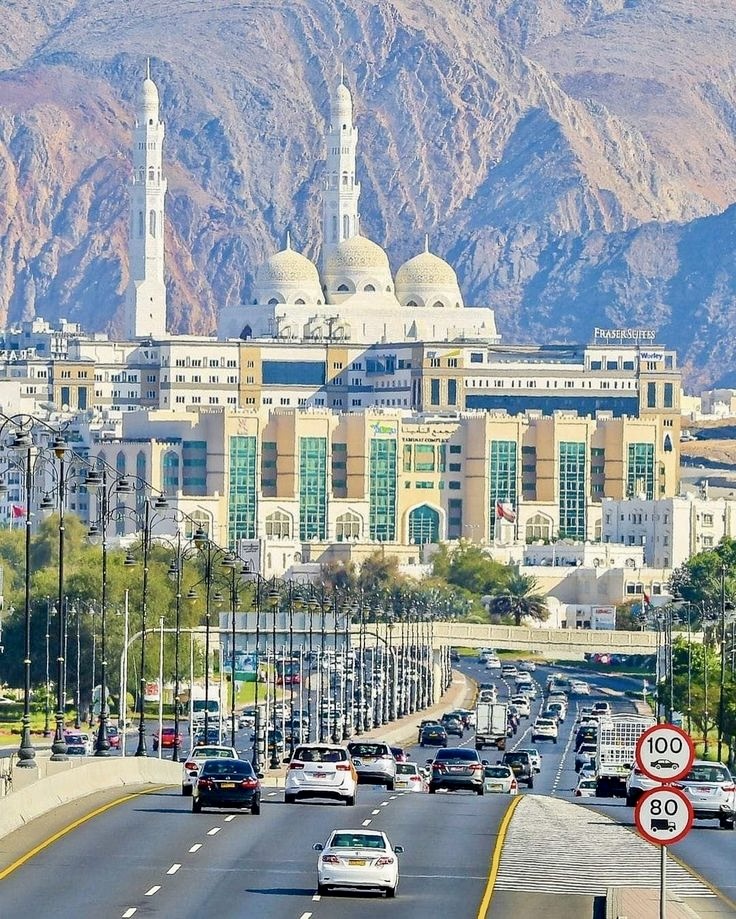
The first thing that strikes you about Oman is its profound serenity. Arriving in Muscat, the capital, you are greeted by a landscape unlike the glittering skyscrapers of its Gulf neighbors. Instead, Oman embraces you with its ochre-hued forts, low-rise whitewashed buildings, and mountains that seem to cradle the city. It’s a country that whispers its charm rather than shouts it, and as you explore, you realize Oman’s uniqueness lies in its unhurried blend of history, culture, and the gentle hospitality of its people.

Oman has been inhabited since prehistoric times, with archaeological evidence of early settlements dating back to the Stone Age. It was an important center for the production and trade of frankincense, a commodity highly prized in the ancient world. Oman’s strategic location at the mouth of the Persian Gulf established it as a significant maritime power. During the 17th and 18th centuries, the Omani Empire controlled parts of East Africa, including Zanzibar, as well as key trade routes in the Indian Ocean. Oman maintained a degree of autonomy throughout history, resisting colonization by European powers. Its ability to preserve sovereignty has contributed to its unique identity in the Arab world.

Omani architecture reflects a blend of Islamic, African, and indigenous styles. The country is home to many forts, castles, and watchtowers, such as the Bahla Fort, a UNESCO World Heritage Site. Omani food blends Arabian, African, and Indian influences, reflecting its role in ancient trade networks. Signature dishes include shuwa (slow-cooked lamb) and majboos (spiced rice with meat). Omani music and dance are deeply tied to its history and geography. Traditional genres like al-bar’ah and razha often feature drums and chanting. The art of silverwork, especially the crafting of khanjars (traditional curved daggers), is also emblematic of Omani culture.

Venturing into the interior, you find Nizwa, a city crowned by a fortress that once served as a stronghold of the Imamate. Standing atop the fort’s towers, you see the palm-fringed oases of date plantations, the lifeblood of this desert nation. Here, the centuries-old aflaj irrigation systems, recognized by UNESCO, snake through the earth, embodying the ingenuity of Oman’s ancestors. At the Friday livestock market in Nizwa, you see another side of Oman. Farmers, clad in traditional attire, auction goats and cattle with a practiced rhythm that has remained unchanged for generations. It’s a scene vibrant with life, blending practicality with the rituals of community.  

Omanis are known for their hospitality and religious tolerance. While the majority practice Ibadism, an Islamic sect known for its moderation, Oman has significant Sunni and Shia populations, as well as expatriate communities from South Asia and East Africa.

The country’s landscapes mirror its cultural diversity. In Dhofar, the southern province, the monsoon season transforms the arid desert into a lush, green paradise—a phenomenon locals call khareef. This region, home to the fabled Land of Frankincense, feels like a world apart, with mist-shrouded hills and a coastline where waves crash dramatically against cliffs.

Oman is unique in the Arab world for its diplomatic neutrality, and its dedication to preserving its identity amidst modernity. Sultan Qaboos, who ruled Oman for half a century, transformed the nation with thoughtful modernization, emphasizing education and infrastructure while retaining cultural authenticity.

As I reflect on my time in Oman, I am reminded not only of its serene landscapes and warm hospitality, but also of the enduring spirit of a country that remains steadfast in its identity, offering an experience unlike any other in the Arab world. Oman is not merely a place—it is a living testament to the harmony between the past and the present.

My Love for Indian Sub-Continent Cuisine

Last week, I discovered a new curry house in the Ottawa suburbs where the food is extraordinary with its unique blend of spices, and its offerings of Indo-Chinese cuisine. My experience at Rang De Indian on Terry Fox Dr reminded me so much of another curry-based phenomenon from my past.

Balti curries, a beloved British dish, trace their origins to Birmingham in the 1970s. Though the word balti comes from the Urdu word for “bucket” or “pot,” referring to the round, flat-bottomed steel dish in which the curry is traditionally cooked and served, it wasn’t directly imported from the Indian subcontinent. Instead, balti was born out of culinary innovation by Pakistani and Bangladeshi immigrants who combined their traditional cooking methods with British ingredients and tastes.

As an undergrad Earth Sciences student in Birmingham during the 1980s, going for “a balti” on a Saturday night after few beers might just have been the highlight of the month. The hallmark of a balti curry is its quick cooking time over high heat, often with marinated meats, vegetables, and a spice mix of cumin, coriander, turmeric, and ginger. Everything is prepared in the same dish, intensifying the flavors. What sets it apart even more is the way it’s eaten; served with naan rather than rice, making the experience more communal and tactile, as diners scoop up the rich sauce directly from the cooking pot with the bread.

During my time at Aston, Birmingham’s Balti Triangle was the epicenter of this culinary explosion. Famous restaurants like Adil’s, often credited as the first Balti house, Shababs, and Imran’s became go-to spots for anyone seeking this aromatic, flavorful dish. These restaurants were pioneers, turning balti into a British institution. The unpretentious, communal style of eating and the vibrant, spice-laden dishes quickly captured the hearts of locals and students alike.

While balti curries have spread far beyond the West Midlands, I have fond memories of a uniquely British take on curry, which continues to thrive in UK food culture. With this latest discovery, I now have yet another opportunity to explore the sub-continent cuisine, right here in Ottawa.