
I’ve noticed a recurring theme in my posts about Star Trek: the pivotal role of the ship’s doctors. These characters aren’t merely healers; they are often the moral compass of the crew, embodying the Federation’s ideals while wrestling with their own internal conflicts. Among these remarkable figures, Dr. Joseph M’Benga stands out as one of the most compelling. His story is one of contrasts – a brilliant healer haunted by the scars of war, a scientist navigating the grey areas of survival, and a father whose love transcends the boundaries of science.
M’Benga’s medical expertise, especially his unparalleled understanding of Vulcan physiology, was forged during his internship on Vulcan; a testament to his dedication and intellect. As one of Starfleet’s most capable physicians, he saved countless lives aboard the USS Enterprise. But beneath this exterior of clinical precision lay a darker, more complex history. During the Klingon War, M’Benga served as a covert operative. His prowess in combat earned him the chilling nickname “the Ghost,” reflecting a lethal efficiency that starkly contrasted with his mission to preserve life. The brutal Battle of J’Gal left him grappling with the weight of his actions, and the moral compromises he was forced to make.
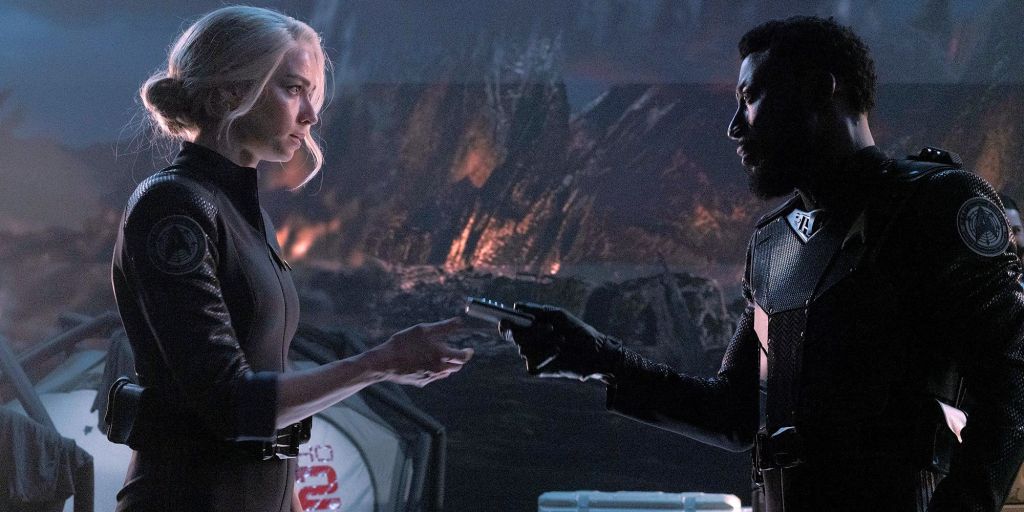
Amid his wartime trauma, M’Benga faced a deeply personal battle: his daughter Rukiya’s terminal illness. In a desperate bid to save her, he used the transporter buffer to hold her in stasis, preserving her life while searching for a cure. This act was not just an expression of his medical ingenuity, but also of his boundless love as a father. When the time came to release her into the care of a sentient nebula being, a decision that symbolized profound sacrifice, it underscored the depth of his humanity. M’Benga’s choice was not merely a scientific solution, but an emotional resolution, allowing Rukiya to transcend her suffering in a way that was both heartbreaking and hopeful.
Aboard the USS Enterprise, M’Benga’s dual roles as healer and soldier were constantly at play. Under Captain Pike’s leadership, and later Captain Kirk’s, he treated everything from routine injuries to the aftermath of violent battles. Whether guiding Spock through the complexities of Vulcan healing trances or wrestling with the moral dilemmas of triage in wartime, M’Benga embodied resilience and compassion. His quiet strength anchored the crew during moments of crisis, even as his personal burdens weighed heavily on him.
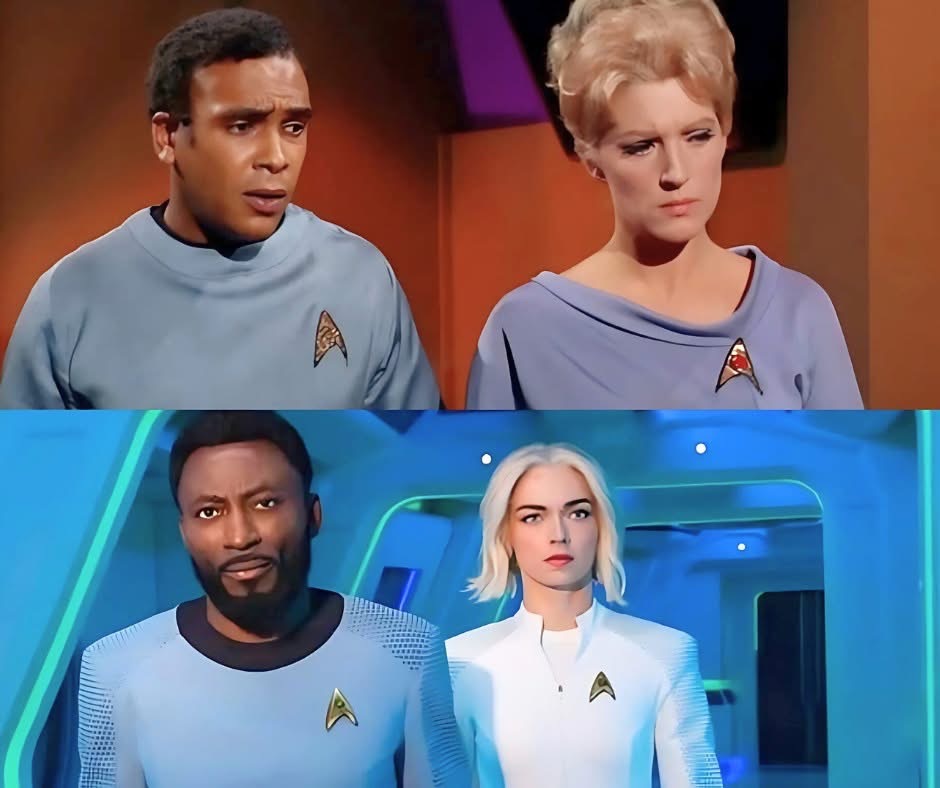
Though eventually succeeded by the iconic Dr. Leonard McCoy as Chief Medical Officer, M’Benga remained a vital figure in Starfleet’s medical corps throughout the 2260s. His later years saw him move to Stanford Medical Center, where he continued his medical practice before retiring to Vulcan. On the tranquil Vulcan plains, far from the chaos of starships and battles, M’Benga embraced a simpler existence as a plomeek farmer. This peaceful conclusion to his journey provided a stark contrast to his earlier life, symbolizing his desire to heal not only others but also himself.
Dr. Joseph M’Benga’s legacy in Star Trek is a testament to the duality of the human experience. Healer and warrior, scientist and survivor, his story is one of navigating trauma, moral ambiguity, and the unyielding tension between the preservation of life and the necessity of taking it. In the vast expanse of the Star Trek universe, M’Benga stands as a nuanced and deeply human reminder of the struggles and sacrifices that define us all – both on Earth and among the stars.
 The Rowanwood Chronicles