Urban Agriculture: A Practical Solution for Food Security in Uncertain Times

While I am extremely fortunate to live on a small hobby farm, I started learning about growing my own food as a pre-teen living in an apartment with a concrete yard using containers. My grandparents lived on a half acre with a greenhouse and cold frames, and this expanded my learning opportunities until I could get my own space.  Wherever I have settled in the world, I have grow some level of my food, whether it’s been window sill herb gardens, raised beds on a small city lot, or a few acres of orchards, perennial fruit and veg, with rows of annual harvests. 

There was a time when backyard gardening was seen as a hobby, something for retirees with time on their hands, or for children learning about where their food comes from, but in recent years, urban agriculture has become much more than a pastime. As food prices continue to rise and supply chains face disruptions, more people are turning whatever outdoor space they have – balconies, patios, backyards, and even front lawns – into productive gardens. The shift isn’t just about saving money; it’s about taking control of food security in an increasingly uncertain world.

The past few years have revealed vulnerabilities in the global food system. The pandemic exposed just how fragile supply chains can be, with empty grocery store shelves becoming a common sight. At the same time, extreme weather events linked to climate change have devastated farmland, reducing crop yields and further driving up prices. For many families, fresh, nutritious food has become harder to afford. The solution, in part, lies closer to home. Urban agriculture, even on a small scale, can help reduce dependence on imported produce while ensuring access to healthy food.

One of the biggest misconceptions about growing food is that it requires a large plot of land. In reality, a surprising amount can be harvested from small spaces. Balconies and patios can support potted herbs, tomatoes, and peppers. Small backyards can accommodate raised beds, which improve soil quality and provide better growing conditions. In denser urban areas, community gardens have emerged as a way for neighbors to grow food together, share resources, and build a sense of connection. Some residents are even experimenting with hydroponic systems, allowing them to grow fresh greens indoors year-round.

Beyond the personal benefits, urban agriculture plays a vital role in strengthening communities. When people grow food together, they build relationships and foster a shared sense of responsibility for local food production. Many community gardens serve as educational spaces where people learn about sustainability, organic farming techniques, and seasonal eating. Some initiatives even donate surplus produce to local food banks, ensuring that those in need have access to fresh, healthy food.

The environmental benefits are equally compelling. Green spaces in urban areas help reduce heat, mitigate stormwater runoff, and provide much-needed habitats for pollinators like bees and butterflies. Growing food locally also reduces the environmental impact of transportation, cutting down on emissions associated with long-distance shipping.

While urban agriculture isn’t a replacement for large-scale farming, it is an essential piece of the puzzle when it comes to food resilience. As more people recognize the value of growing their own food – whether for economic reasons, environmental concerns, or simply the satisfaction of harvesting something fresh from their own backyard – cities are beginning to adapt. Local governments are easing zoning restrictions, supporting community garden initiatives, and encouraging green infrastructure.

The future of food may be more localized than ever before. Urban agriculture is proving that solutions don’t have to come from massive farms or distant suppliers. Sometimes, they start with a single tomato plant growing just outside the door.
The Ottawa Amalgamation Failure

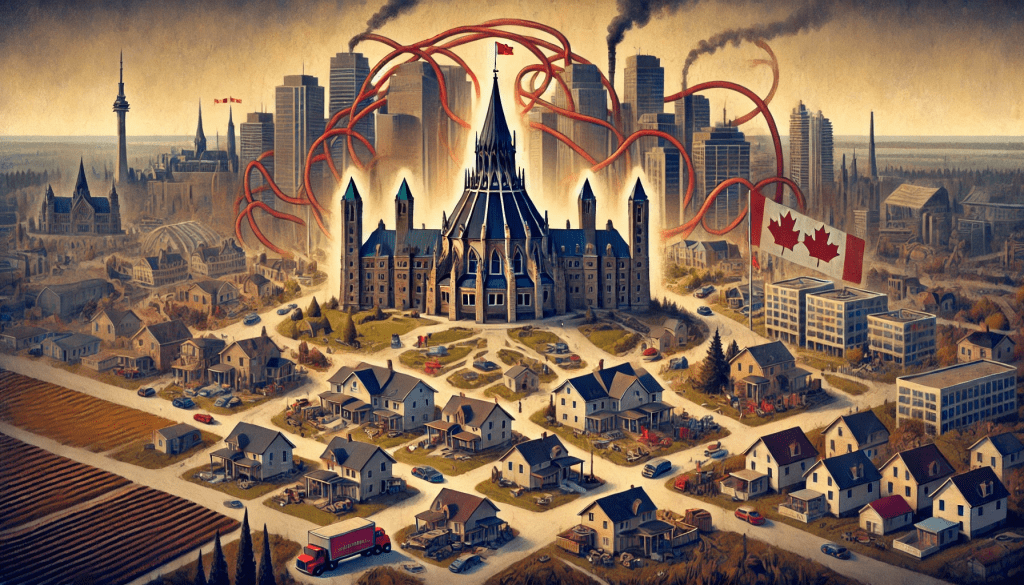
The amalgamation of the 13 municipalities into the single-tier City of Ottawa in 2001 was touted as a transformative move. It was expected to streamline governance, reduce redundancy, and create financial efficiencies. Promises of improved municipal services and lower taxes were at the forefront of the pitch made by the Harris government in Ontario. However, in practice, the amalgamation has faced widespread criticism for its failure to fulfill these expectations. I worked as a member of a geospatial applications team to support evidence-based decision making during this transition, and it soon became clear that politics rather than data and community requirements was driving the bus. 

Improved Services
One of the primary promises of amalgamation was to standardize and enhance municipal services across all former municipalities. However, this promise has not been fully realized, particularly for rural and suburban areas, which have often felt left behind. Several key issues have been noted:

Prior to amalgamation, smaller municipalities had tailored services suited to their unique needs. Post-amalgamation, rural areas, such as West Carleton and Rideau-Goulbourn, have voiced concerns over reductions in services like road maintenance, snow clearing, and public transit availability. Urban-centric planning has often overshadowed rural priorities. Rather than simplifying governance, the larger bureaucratic structure of the amalgamated city has at times hindered efficient decision-making. Residents have reported delays in service delivery and inefficiencies in resolving local issues.

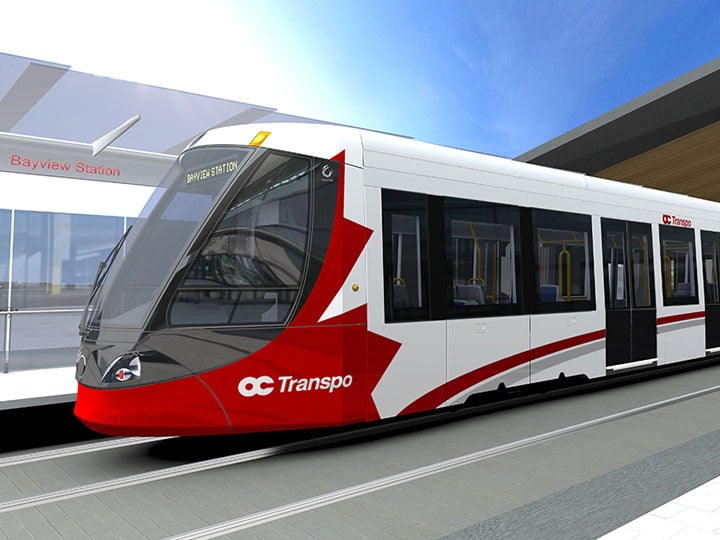
One of the most visible struggles has been with Ottawa’s public transit system, particularly with the Ottawa Light Rail Transit (LRT) project. This has been plagued by cost overruns, operational challenges, and inadequate service in suburban and rural areas. Residents question whether the amalgamated city’s centralization has exacerbated these issues.

Lower Taxes
Another major promise was the reduction of property taxes due to economies of scale and centralized administration. However, this has not materialized, and in many cases, taxes have increased. Many residents of rural and suburban areas have seen tax hikes without proportional improvements in services. Before amalgamation, smaller municipalities often operated with lower budgets and tax rates tailored to their limited scope. Amalgamation brought uniform tax rates, which disproportionately impacted these regions.

Amalgamation created unforeseen administrative and operational costs. For example, the integration of different IT systems, payroll structures, and service contracts has led to ballooning expenses. These costs have been passed on to residents through higher taxes. The perception that rural residents are subsidizing urban infrastructure projects, such as the LRT, has deepened dissatisfaction. Rural areas often feel they are paying higher taxes for services that primarily benefit the urban core.

Loss of Local Control
Another often-overlooked consequence of amalgamation has been the loss of local decision-making. Smaller municipalities had more control over their budgets, development priorities, and service delivery. Post-amalgamation, these decisions are centralized, often resulting in policies that do not reflect the needs of individual communities. This has alienated many residents and fostered distrust in the amalgamated city’s leadership.

Evaluation and Criticism
Critics argue that amalgamation prioritized financial theories over the realities of local governance. While some benefits of centralization, such as unified planning and a larger economic development strategy, have been achieved, the overall failure to deliver on improved services and lower taxes has undermined public confidence. Amalgamation’s implementation lacked sufficient consultation with residents and did not adequately address the diverse needs of Ottawa’s urban, suburban, and rural communities.

The amalgamation of Ottawa’s 13 municipalities was envisioned as a way to create efficiencies and deliver better services at lower costs. However, the reality has been far more complex, with significant gaps between promises and outcomes. The perceived failure to deliver on these promises has left many residents, particularly in rural and suburban areas, feeling underserved and overtaxed. This has sparked ongoing debates about whether the amalgamation truly benefited the diverse communities it was meant to unite or whether it simply centralized problems under a single, unwieldy structure.

Does National Service Strengthen Democracy?

Over the decades, my views on national service have shifted in ways I never anticipated. In the 1970s, I opposed it as a right-wing strategy to control young people. By the 1990s, after working in military settings that fostered aggressive elitism, I argued that civilians should remain separate from the patriarchal uniformed culture. Then, in the 2010s, I found myself engaged in change management projects within uniformed teams plagued by misogyny and racism. Now, after six decades of reflection, I find myself reconsidering my stance yet again.

National service has long been debated as a tool for unity, civic responsibility, and military readiness. But its potential to erode military elitism and foster a stronger connection between soldiers and society is often overlooked. Professional militaries, especially in nations where service is voluntary, tend to cultivate exclusivity—a culture where soldiers see themselves as distinct, even superior, to the civilians they serve. This divide reinforces the notion of the military as a separate class, rather than an integrated part of society. National service disrupts this dynamic by compelling a broader cross-section of the population to serve, reshaping military identity from an elite institution to a shared civic duty.

In voluntary systems, the military often attracts those who seek discipline, structure, or prestige—creating an insular culture with its own rigid hierarchy. Civilians, in turn, either glorify or distance themselves from this world, reinforcing the idea that service is for a dedicated few rather than a collective obligation. By contrast, when participation is mandatory across social classes and career paths, the military becomes more representative of society. The uniform is no longer a symbol of an exclusive warrior class, but a temporary role worn by people from all walks of life.

This integration fosters deeper civilian-military interaction. In countries like Switzerland and Israel, where service is universal, military experience is common rather than exceptional. Nearly everyone has served or knows someone who has, preventing the formation of a professional military caste detached from the society it protects. In contrast, nations with fully voluntary forces risk developing a military with its own insular traditions and perspectives, further widening the civilian-military gap.

Scandinavian countries offer compelling examples of how national service can shape military culture. Norway introduced gender-neutral conscription in 2015, significantly increasing female participation and reinforcing the country’s commitment to equality. Sweden, after briefly abolishing conscription, reinstated a selective system in 2017 to address recruitment shortages. While both countries prioritize inclusivity, Norway enforces universal service more strictly, while Sweden selects only those necessary for military needs. These models highlight how national service can be adapted to different societal priorities while still promoting integration.

This shift from exclusivity to civic duty is essential for preventing an isolated, professionalized force with an “us vs them” mentality. In a national service system, military service is just one form of contribution, alongside disaster relief, infrastructure projects, and community assistance. This broader framework erodes the idea that military life is inherently superior, reinforcing the principle that national service—whether military or civilian—is about collective responsibility, not personal status.

The benefits of this integration extend beyond military culture. Veterans who return to civilian life find themselves in a society where their experience is widely shared, reducing post-service isolation and preventing the hero-worship that can distort public perceptions of the military. When nearly everyone has served in some capacity, soldiers are seen not as a privileged class, but as fellow citizens fulfilling a duty like everyone else.

Perhaps most importantly, national service strengthens democracy itself. By grounding military power in the citizenry, it prevents the rise of a professional warrior class detached from national values. It ensures that defense, like governance, remains a shared responsibility rather than the domain of a select few. In this way, national service transforms military duty from an elite pursuit into a universal expectation—one that keeps soldiers connected to, rather than separate from, the society they serve.

The Alto Project: A New Era for Canadian Public Transportation

The Canadian government’s announcement of Alto, a new high-speed rail network linking Toronto and Quebec City, marks a watershed moment in the nation’s transportation history. This 1,000-kilometer electrified corridor will connect major urban centers while slashing travel times, with trains reaching speeds of up to 300 km/h. The journey from Toronto to Montreal, currently a grueling five-hour trip by rail, will be cut to just three hours, making it a direct competitor to short-haul flights. More than just a transportation project, Alto represents a long-overdue commitment to sustainable, efficient public infrastructure—one that could reshape how Canadians move between their largest cities.

Canada has been here before, at least in theory. The dream of high-speed rail has surfaced repeatedly over the decades, only to be shelved due to shifting political priorities, economic downturns, or a lack of public and private investment. In the 1960s, CN’s TurboTrain attempted to bring high-speed service to the Montreal-Toronto corridor, but despite its impressive top speed of 225 km/h, it was plagued by technical challenges and ultimately discontinued. Later, in the 1980s, Bombardier proposed a high-speed link between Quebec City and Windsor, but enthusiasm waned in the face of funding concerns and political inertia. Meanwhile, other nations surged ahead. France launched the TGV in 1981, Japan’s Shinkansen had already been running since 1964, and China rapidly built the world’s most extensive high-speed rail network. Canada, with its vast geography and car-dependent culture, lagged behind, leaving VIA Rail to struggle with aging rolling stock and shared freight tracks that made reliable service nearly impossible.

The Alto project signals a long-overdue course correction. The government has committed $3.9 billion over six years to develop the project, covering environmental assessments, land acquisition, Indigenous consultations, and detailed engineering work. The project’s scale makes it the largest infrastructure investment in Canadian history, with an estimated 51,000 jobs created during construction and a projected annual boost of $35 billion to the national GDP. The selected consortium, Cadence, brings together some of the most experienced transportation and infrastructure firms in the world, including CDPQ Infra, AtkinsRéalis, Keolis Canada, SYSTRA Canada, SNCF Voyageurs, and, notably, Air Canada. With SNCF’s involvement, Alto benefits from France’s decades of expertise operating one of the world’s most successful high-speed rail networks.

Air Canada’s participation in the Alto consortium is a strategic move that acknowledges the inevitable disruption high-speed rail will bring to the lucrative Toronto-Montreal air corridor. As one of the busiest short-haul routes in North America, this segment has long been a key profit driver for the airline, particularly in the premium business travel market. However, with Alto set to offer a three-hour city-center-to-city-center journey—eliminating the hassles of airport security, boarding delays, and weather disruptions—many travelers, especially corporate clients, may shift their loyalty to rail. Rather than resisting this change, Air Canada is positioning itself within the Alto project to maintain influence over intercity travel dynamics, potentially leveraging its expertise in ticketing, loyalty programs, and intermodal connectivity. By integrating rail service into its broader network, Air Canada can remain a key player in the evolving transportation landscape, offering seamless connections between domestic, international, and rail-based travel. This approach mirrors strategies seen in Europe and Asia, where major airlines partner with high-speed rail operators rather than compete head-on, ensuring they remain relevant as travel preferences evolve.

Beyond the economic and technical aspects, Alto represents a fundamental shift in how Canada approaches public transit. For decades, intercity travel has been dominated by cars and airplanes, both of which contribute heavily to congestion and carbon emissions. The Toronto-Ottawa-Montreal corridor is one of the busiest in North America, yet for years, travelers have been forced to endure overcrowded highways, unreliable train schedules, or expensive, inconvenient air travel. High-speed rail changes the equation. Electrified trains eliminate the carbon footprint of regional flights, reducing overall transportation emissions in line with Canada’s climate goals. At the same time, by shifting travelers from cars to rail, Alto can alleviate highway congestion, making regional mobility smoother for everyone.

Connectivity is another major advantage. The Alto corridor isn’t just about linking Toronto, Ottawa, Montreal, and Quebec City—it’s also about providing a reliable transit spine for smaller communities like Peterborough and Trois-Rivières. For decades, these towns have struggled with limited or non-existent rail service, forcing residents to rely on personal vehicles or slow, infrequent buses. With high-speed rail, these regions stand to gain new economic opportunities, easier access to larger job markets, and increased tourism. Countries like France, Spain, and Japan have seen firsthand how high-speed rail can transform regional economies, bringing prosperity to areas once considered too remote to thrive.

At its core, the Alto project is a declaration that public transit is not just an afterthought, but a national priority. Efficient, well-funded public transportation is a hallmark of modern, forward-thinking societies, reducing economic inequality by making mobility accessible to everyone, not just those who can afford cars or flights. It also offers a more comfortable, humane travel experience—one where passengers can relax, work, or enjoy the scenery instead of navigating traffic or enduring the frustrations of airport line ups, and security checks. 

Of course, the road ahead is not without obstacles. As my regular readers will know, I am not a fan of Public-Private Partnerships.  Large-scale infrastructure projects in Canada have a history of delays, cost overruns, and political roadblocks. Public support, political will, and careful management will be critical in ensuring that Alto doesn’t become another shelved idea. If the government and its private-sector partners can deliver on their promises, however, Alto has the potential to redefine travel in Canada for generations to come.

For too long, Canadians have watched as other countries invested in the kind of fast, efficient, and sustainable transportation systems that make daily life easier. Now, with Alto, Canada finally has the chance to catch up. If done right, this project could mark the beginning of a new era—one where public transportation is recognized not just as a necessity, but as an engine of economic growth, environmental responsibility, and national connectivity.

16 Year Olds Should Be Allowed to Vote in Canada

I firmly believe in the right of 16 and 17 year old Canadians to vote. They are more than ready to shoulder this responsibility, and society already entrusts them with far greater challenges. Here’s why I support enfranchising them.

The Responsibilities They Already Bear
At 16, young Canadians can obtain a driver’s license, manage the responsibilities of operating a vehicle, and comply with traffic laws. Many also join the workforce, contributing taxes that fund services without having a say in how those funds are spent. This taxation without representation runs counter to the principles of fairness in a democratic society.

Some 16 year olds live independently, taking full responsibility for their finances, households, and futures. These young people already make life-altering decisions, proving their ability to assess and manage complex situations.

They also have the legal right to make important healthcare decisions without parental consent in most provinces. From mental health treatments to reproductive choices, they show the capacity to evaluate critical issues. Moreover, the age of consent in Canada is 16, and in some cases, they can even join the military, committing themselves to a life of service and sacrifice. If we trust them with these decisions, why not trust them with a vote?

Their Political Awareness
Critics say 16 year olds lack the maturity to vote, but that argument doesn’t hold water. Today’s youth are incredibly engaged with issues like climate change, education, and social justice. They organize protests, sign petitions, and participate in grassroots movements. They are not just passive observers; they are active participants in shaping their world.

Civics education in Canadian schools equips them with the knowledge to understand governance and the electoral process. Giving them the vote would deepen their connection to democracy, encouraging lifelong participation.

Looking at Other Democracies
Canada wouldn’t be breaking new ground here. Countries like Austria, Brazil, and Scotland already allow 16 year olds to vote, and studies show these younger voters are as thoughtful and engaged as older ones. Early enfranchisement fosters a lifelong habit of voting, strengthening democratic systems for everyone.

A Voice for the Future

The decisions made today—on climate policy, education, and job creation—will define the futures of these young Canadians. Denying them a voice in these matters is short-sighted. They are the generation that will live with the long-term consequences of today’s elections.

It’s time we acknowledge the responsibilities and contributions of 16 year olds and empower them with the right to vote. They have proven their maturity and commitment to society. Including them in the democratic process would make Canada’s democracy stronger, more inclusive, and better prepared for the future.

Skates Over Seats: Why Ottawa Prefers the Rideau Canal to the Arena

Winterlude is here, and Ottawans, along with the tourists are really getting their money’s worth this year, with consistent sub-zero temperatures, smooth ice, and new food franchises.  This season’s festival clearly demonstrates that Ottawans would rather be out participating in activities, than sitting on uncomfortable plastic seats watching sports. 

Ottawa has plenty of things going for it—picturesque scenery, a high quality of life, and more civil servants per capita than just about anywhere else on the continent. But when it comes to sports culture, the capital falls a little flat. Yes, we have professional teams. We have the Senators in the NHL, the Redblacks in the CFL, and a handful of smaller franchises that do their best to keep the local sports scene lively. But despite all this, Ottawa just doesn’t have the rabid, all-consuming sports identity you find in places like Montreal or Toronto.

For starters, the fan engagement here is… conditional. When a team is winning, Ottawa can look like a real sports city. Remember the 2017 Senators playoff run? The entire town briefly got swept up in the excitement—until, of course, the next season, when attendance dropped faster than the team’s fortunes. This isn’t unique to hockey. The Redblacks won a Grey Cup in 2016, and for a brief, shining moment, the city actually seemed to care about the CFL. But before that? The league had already folded two Ottawa franchises due to lack of interest. If your city keeps losing football teams the way most people lose toques, it might not be a sports town.

Hockey is supposed to be the exception, but even that’s complicated here. The Senators have always struggled to build a truly devoted fanbase, and a big reason for that is simple—Ottawa is filled with Leafs and Habs fans. On any given game night at the Canadian Tire Centre, when Toronto or Montreal is in town, it’s just as likely to sound like an away game as a home one. There’s no other NHL city in Canada where this happens. Imagine walking into a Flames game in Calgary and seeing half the crowd decked out in Oilers jerseys. It would be unthinkable. In Ottawa, it’s just another Tuesday.

Part of the problem is that this is a government town. People move here for work, not because their great-grandfather was a Sens fan, and they were born to suffer through rebuilding seasons. There’s no blue-collar sports culture, no generational loyalty to a single team. The fanbase is a mixed bag, and when teams start to lose, the casual supporters disappear.

And if we’re being completely honest, Ottawans are more likely to be playing sports than watching them. Why sit in a half-empty stadium when you could be skating on the Rideau Canal, cross-country skiing in Gatineau Park, or cycling along the Ottawa River? The city’s recreational culture is strong—its spectator culture, not so much.

So yes, Ottawa has sports teams. But is it a sports town? Not really. It’s a town that tolerates sports, one that occasionally gets excited when a team does well, but quickly moves on when they don’t. The real energy here isn’t in the arenas or stadiums—it’s in the coffee shops, the outdoor trails, and, of course, in the never-ending debates over LRT failures and public service policies. And maybe that’s fine. Not every city needs to be a die-hard sports town. But let’s not pretend Ottawa is something it’s not.

Why Metrolinx Should Run Ottawa’s Broken LRT

Those of you who regularly read my blog, know that I am a huge advocate of public transport, and a critic of the Public Private Partnership developing and operating the capital’s Light Rail Transit (LRT). 

Ottawa’s LRT system has been a profound disappointment, a fiasco of engineering failures, political mismanagement, and corporate negligence. Years after its launch, the system remains unreliable, its reputation tarnished by derailments, service disruptions, and public distrust. City officials, despite their best efforts, have failed to restore confidence or implement meaningful reforms. Given this ongoing dysfunction, it is time to consider a serious alternative: uploading the LRT to Metrolinx. A provincial takeover would bring in the expertise, resources, and oversight that Ottawa desperately needs while alleviating the financial strain on local taxpayers.

Metrolinx, despite its own challenges, has experience managing large-scale transit projects across Ontario. The agency has delivered rapid transit systems, expanded GO Transit, and led infrastructure projects that dwarf Ottawa’s troubled LRT. Unlike the City of Ottawa, which has been hamstrung by political infighting and bureaucratic inertia, Metrolinx operates with a broader provincial mandate and access to significantly greater funding. The province already has an interest in ensuring that Ottawa’s transit system is functional—after all, a well-run capital city benefits all Ontarians. Entrusting the LRT to Metrolinx would align Ottawa’s transit with the province’s long-term infrastructure planning, creating opportunities for better integration with intercity rail and bus services.

Financially, the benefits of provincial control are obvious. The LRT has drained Ottawa’s municipal budget, diverting funds away from other pressing priorities such as road maintenance, affordable housing, and social services. The city cannot afford to keep throwing money at a broken system while simultaneously planning for future expansions. If Metrolinx were to assume responsibility, the province would take on a greater share of the financial burden, allowing Ottawa to focus on local transit improvements that fall outside the LRT’s scope. This would not be an unprecedented move—Queen’s Park has already taken over major transit infrastructure in Toronto, such as the subway expansion projects, recognizing that municipal governments simply do not have the fiscal capacity to manage billion-dollar projects alone.

Of course, critics will argue that surrendering local control means sacrificing accountability. But let’s be honest: Ottawa’s local control has not served residents well. The city’s handling of the LRT has been defined by secrecy, questionable decision-making, and a lack of transparency. The provincial government, for all its faults, at least has the ability to intervene decisively when things go wrong. Under Metrolinx, operational standards would be enforced with greater rigor, and the pressure to deliver a functional transit system would be far greater than what we’ve seen from Ottawa City Hall. The public inquiry into the LRT debacle revealed a municipal government that was overwhelmed and, at times, complicit in its own failures. Perhaps it is time to let a more competent player take the lead.

This is not to say that Metrolinx is perfect. The agency has faced its own share of controversies, from cost overruns to delayed projects. But at least it has experience dealing with transit systems on a scale far larger than Ottawa’s. Unlike Ottawa’s municipal government, Metrolinx has the ability to negotiate directly with major infrastructure firms, access provincial funding streams, and bring in technical expertise that the city simply lacks. A takeover would not magically fix everything overnight, but it would place the LRT in the hands of those who at least know how to run a transit system.

The reality is that Ottawa’s LRT is beyond the city’s ability to fix on its own. Metrolinx, with its provincial backing and infrastructure expertise, offers the best hope for a reliable and efficient transit system. Ottawa residents deserve better than what they’ve been given. If that means surrendering local control to get a working train system, then so be it. The LRT was meant to be a transformative project for the city. If Ottawa cannot deliver on that promise, then it’s time to let Queen’s Park step in and do the job properly.

A Path to Sustainable and Inclusive Urban Living

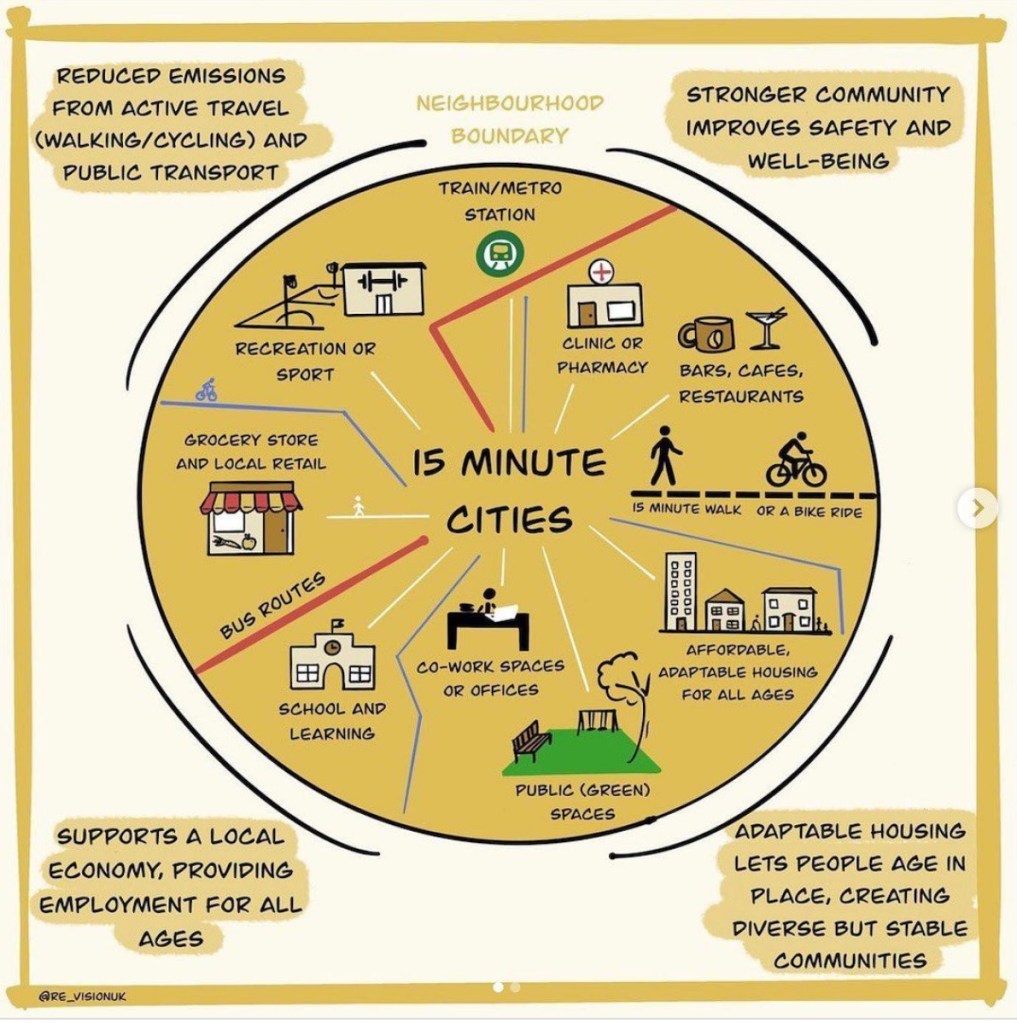
The 15-minute city concept is redefining urban planning by creating neighborhoods where residents can access essential services and amenities—such as schools, grocery stores, healthcare, parks, and cultural hubs—within a short walk or bike ride from their homes. This approach enhances livability, promotes sustainability, and fosters vibrant communities. While cities like Montreal and Vancouver are often highlighted as Canadian pioneers of this model, the concept has significant potential to transform smaller cities and suburban areas as well.

Modern suburban developments, with their sprawling layout, lack of sidewalks, and reliance on car travel, often isolate families and increase stress. Parents find themselves spending hours shuttling children to school, sports, and activities, leaving less time for connection with neighbors or the community. By contrast, the 15-minute city offers a remedy: neighborhoods designed for convenience, where daily needs are within walking distance, eliminating the dependency on cars and fostering tighter-knit communities.

Montreal’s Plateau-Mont-Royal exemplifies the 15-minute city with its dense urban fabric and mixed land use. The neighborhood integrates residential spaces with vibrant local businesses, green parks, and pedestrian-friendly streets. Residents can easily walk or bike to markets, cafes, schools, and public transit, making car ownership unnecessary for most. The Plateau demonstrates how retrofitting existing neighborhoods with human-scale design can create thriving, sustainable communities.

While Vancouver’s downtown core is often cited as a model of accessibility and vibrancy, Victoria has also embraced the 15-minute city concept through its commitment to walkable neighborhoods and cycling infrastructure. Areas like Fernwood and James Bay offer compact communities where residents can access markets, local cafes, healthcare, and schools without needing a car. The city’s investment in bike lanes and mixed-use development showcases how smaller cities can lead the way in creating vibrant, sustainable urban environments.

Stratford, a small Ontario city known for its arts and theater scene, has leveraged its human-scale design to embody the principles of the 15-minute city. Residents of Stratford can easily walk to schools, grocery stores, parks, and cultural venues. The city’s focus on local businesses and accessible public transit demonstrates how smaller municipalities can create thriving, close-knit communities while reducing environmental impact.

Growing up in Newcastle-upon-Tyne, I experienced firsthand the benefits of a 15-minute city before the term existed. Everything we needed—food shopping, schools, parks, and even the local fish-and-chip shop—was within walking distance. Pubs and restaurants were truly “local,” and an affordable public transit system connected us to the wider city. This lifestyle fostered independence, social connections, and a sense of belonging—qualities that modern urban planning seeks to replicate.

The 15-minute city has sparked debate, with critics fearing it may restrict personal freedom or create isolated “bubbles.” However, proponents argue that the model enhances choice by making essential services more accessible while reducing reliance on cars. Rather than limiting mobility, it offers more options for transportation, including walking, cycling, and transit. This model also aligns with public health goals, reducing long commutes and encouraging active lifestyles.

Danish urbanist Jan Gehl emphasizes designing cities around people, not cars. His research underscores the economic, social, and environmental benefits of walkable neighborhoods, from improved mental health to strengthened community bonds. By investing in pedestrian infrastructure and mixed-use development, cities can become more sustainable and equitable.

As Canadian cities grow, the 15-minute city offers a roadmap for livable, sustainable urban living. By prioritizing human-scale design and reducing car dependency, communities of all sizes can embrace this transformative model. Whether in a bustling metropolis or a small city like Stratford, the principles of the 15-minute city promise a more inclusive, resilient future for urban living.

New Year’s Eve: A Reflection on Old Traditions and New Paths

December 31st, New Year’s Eve, has rarely held much charm for me. The holiday feels drenched in sentimentality, forced cheer, and an overbearing expectation to reinvent oneself overnight. Years ago, I quietly stepped away from the revelry, trading the clinking of champagne glasses for moments of introspection. But it wasn’t always this way.

In my early thirties, I poured my energy into organizing rambunctious New Year’s celebrations with my university friends, and a few trusted work colleagues. These weren’t ordinary parties; they were full-blown, three-night events, held in ancient locations – castles in Northumberland, estates in the Lake District, or lodges in Snowdonia.

Planning began months in advance. We’d estimate guest numbers, scout properties, draft menus, and prepare endless shopping lists. My friend Vivienne and I spent weeks curating every detail; maps to the venue, suggested activities, which ranged from rock climbing to pub crawls, from shopping to board games, and even a schedule for who’d take turns cooking meals, washing dishes or restocking the booze. Everyone pitched in, and those who didn’t weren’t invited back, except for Nigel and Rosie, because we loved them anyway. 

The guest list was as colorful as the events themselves: a Scottish laird, a supermarket heiress, police officers, geologists, a Hercules Loadmaster, an Australian Homeopath, and enough PhDs to launch a think tank. That first year, we hosted 40 people. By the time I attended my last event, the crowd had grown to over 70.

Eventually, I passed the torch to others, especially after I moved continents. Yet, decades later, those New Year’s gatherings still persist, now infused with the energy of attendees’ children, and the nostalgia of enduring friendships. For many years, my holiday ritual involved crossing the Atlantic; first to visit family for Christmas, then to join these gatherings, where we’d reminisce over old stories and create new ones – especially stories answering the question “why did Andy always have a black eye?” 

But somewhere along the way, I began to feel restless. The same stories, the same faces, the same patterns – what once felt comforting, now seemed like a closed time loop, that I couldn’t escape. As I built a life, and family in North America, I realized it was time to step away, and embrace new traditions, ones that allowed for evolution and personal growth. 

It’s funny, I hadn’t planned to write about this today. I rarely share personal stories like this, and maybe that’s something I’ll change in the coming year.

To everyone I love, near and far: Happy New Year. May 2025 bring you peace, fulfillment, and a wondrously, meaningful life.

Is this the End Of Civilization as We Know It?

Within the Hitchhiker’s Guide to the Galaxy, a trilogy told in five parts, Douglas Adams postulates that a rapid increase in the number of high street shoe shops is a clear indicator of the impending collapse of a civilization. Today, I am suggesting that Adams got it wrong; and instead of shoe stores, it’s the never ending construction and use of indoor storage facilities that is the harbinger of our society’s inevitable doom. 

H2G2 Cover

Why are we so fixated upon storing possessions that will rarely see the light of day again? Boxes of paperwork, generations of photos, and great grandma’s old wooden chest are just some of the items our kids will be dealing with at the end of our days.  Current monthly rentals run in the order of $200 to $500 for storing all our knickknacks, and the cubic capacity for conserving our personal histories continues to rise. 

During the pandemic, an acquaintance actually bought a second house because his primary residence was full, and he had run out of room to store his constantly growing collection of furniture, art and books.  Last year, I filled a large dumpster with a small part of my life’s detritus, and it was difficult to see the difference. This year, I gifted hundreds of books and DVDs to a local charity, and I finally felt some weight lifted from my shoulders. My closets are next, and the hardest part will be the kilts. 

In Sweden, they have the gentle art of death cleaning, where seniors or those battling a terminal illness organize and declutter their homes so as to save their loved ones from the burden of this cumbersome chore while grieving their loss. A more sensible life activity I cannot name, and it is the anthesis of IKEA and its flat pack storage frenzy.   

Paperwork can be digitised, meta-tagged and stored safely in the cloud. Photos likewise, and both collections can be searched and retrieved instantly, if and when needed; whereas great grandma’s chest should either be offered to the kids, or if they don’t want it, (and we all know they don’t want it) sold or gifted to someone who really has a use for it.  

Adams describes civilisation’s collapse because, in the end, all that could be bought were shoes, and so eventually we took to the trees and evolved wings.  Perhaps if we all just dealt with this overflow of physical possessions, communities could use these multi-storey repositories to provide housing and other amenities to help combat the current homelessness and lack of social housing infrastructure. 

Let’s adopt Scandinavian ways, and modify the tradition, so that starting today, indoor storage buildings gain a more meaningful use while decluttering our lives, and lifting all that weight from our shoulders.  In the meantime, I may have found a good home for my kilts within the next generation, and surprisingly, my business suits are being eyed too!